

Key Takeaways
- Most natural teeth bleaching methods—including charcoal, lemon juice, and apple cider vinegar—lack clinical evidence and can permanently damage enamel.
- Baking soda is mildly effective for surface stains but cannot change the intrinsic color of teeth.
- Professional whitening with Philips Zoom achieves 6–8 shades of improvement in a single visit with controlled safety.
- The safest at-home approach combines ADA-accepted whitening toothpaste with regular professional cleanings.
Natural teeth bleaching methods—from baking soda pastes to activated charcoal—are among the most searched dental topics online, yet most lack scientific backing and some carry real risks of enamel erosion and gum irritation. Understanding what works, what doesn’t, and when professional whitening is the better choice can save you time, money, and permanent damage to your teeth.
Popular Natural Teeth Bleaching Methods (And What Science Says)
The appeal of natural whitening is understandable. Commercial whitening products can seem expensive, and the idea of achieving results with pantry items feels both accessible and safe. However, the evidence tells a different story for most of these methods.
A 2019 systematic review in the Journal of the American Dental Association (JADA) examined over 20 studies on non-professional whitening agents and concluded that most natural methods provide minimal whitening effect while significantly increasing the risk of enamel demineralization.
The core issue is that tooth color comes from two sources: extrinsic stains (surface discoloration from coffee, tea, wine, and tobacco) and intrinsic stains (discoloration within the tooth structure caused by aging, medications, or trauma). Natural methods can sometimes address extrinsic stains through abrasion, but they cannot change intrinsic color—which is what most people actually want when they seek teeth whitening.
Baking Soda and Hydrogen Peroxide: The Truth
Of all natural whitening remedies, the baking soda and hydrogen peroxide combination has the most scientific support—though with important caveats.
Baking soda (sodium bicarbonate) is a mild abrasive that can remove surface stains. A 2017 study in the Journal of Clinical Dentistry found that toothpastes containing baking soda were significantly more effective at removing extrinsic stains than non-baking soda formulations. The ADA recognizes baking soda as a safe toothpaste ingredient when used at appropriate concentrations.
However, using pure baking soda as a scrub—as many DIY recipes suggest—is more abrasive than commercial formulations. The Relative Dentin Abrasivity (RDA) of pure baking soda paste varies depending on how it’s mixed, and aggressive brushing with any abrasive substance can wear down enamel over time.
Hydrogen peroxide is the active bleaching agent in most professional whitening systems. The difference is concentration and application method. Drugstore hydrogen peroxide (3%) has minimal whitening effect when swished briefly as a rinse. Professional systems use 25–40% concentrations with controlled exposure times, gum protection barriers, and post-treatment desensitizing agents.
Research published in Operative Dentistry (2020) showed that 3% hydrogen peroxide applied for 5 minutes daily produced no clinically significant color change after 14 days, while professional-grade applications achieved measurable improvement in a single session.
Oil Pulling, Charcoal, and Other Trends
Oil pulling (swishing coconut or sesame oil for 15–20 minutes) has roots in Ayurvedic medicine and has gained popularity on social media as a whitening method. A 2020 review in Heliyon found that while oil pulling may reduce bacterial load and improve gum health, there is no evidence that it whitens teeth. The perceived lightening some users report likely comes from improved gum health creating contrast, not actual tooth color change.
Activated charcoal is perhaps the most concerning trend. Despite millions of social media impressions promoting charcoal toothpaste, a 2019 review in the British Dental Journal found “insufficient clinical and laboratory data to substantiate the safety and efficacy claims of charcoal-based toothpastes.” The extreme abrasiveness of charcoal can strip enamel, ironically making teeth appear more yellow over time as the darker dentin layer beneath becomes more visible.
Lemon juice, apple cider vinegar, and strawberries are acidic substances that some sources recommend for whitening. The mechanism is erosion—acids dissolve the outer layer of enamel, temporarily making teeth appear lighter. This is not whitening; it is permanent enamel damage. A study in the Journal of Dentistry (2018) demonstrated measurable enamel loss after just five exposures to citric acid solutions at concentrations found in lemon juice.
Turmeric paste is often recommended despite turmeric being a famously potent yellow stain on virtually every other surface. There are no peer-reviewed studies demonstrating any whitening effect from turmeric application on teeth.
The Risks of DIY Teeth Bleaching
Beyond ineffectiveness, natural bleaching methods carry specific dental risks that are often underreported:
- Enamel erosion: Acidic methods (vinegar, citrus) and abrasive methods (charcoal, aggressive baking soda use) can permanently thin enamel. Unlike bone, enamel does not regenerate.
- Increased sensitivity: Enamel thinning exposes dentin tubules, leading to pain with hot, cold, and sweet foods. The Journal of Oral Rehabilitation (2021) found that 38% of patients who used unregulated whitening products reported increased sensitivity lasting more than two weeks.
- Gum irritation: Uncontrolled application of hydrogen peroxide or abrasive pastes can cause chemical burns to soft tissue. Professional whitening uses custom-fitted trays and gum barriers specifically to prevent this.
- Uneven results: Without professional assessment, DIY methods can produce patchy, inconsistent whitening—particularly if teeth have varying levels of existing damage, fillings, or crowns. Understanding whether whitening works on crowns is essential before starting any regimen.
- Delayed treatment: Spending months on ineffective methods delays seeking professional care that could deliver results in one appointment.
Professional Whitening vs. Natural Methods: A Clear Comparison
| Factor | Natural Methods | Professional Whitening |
|---|---|---|
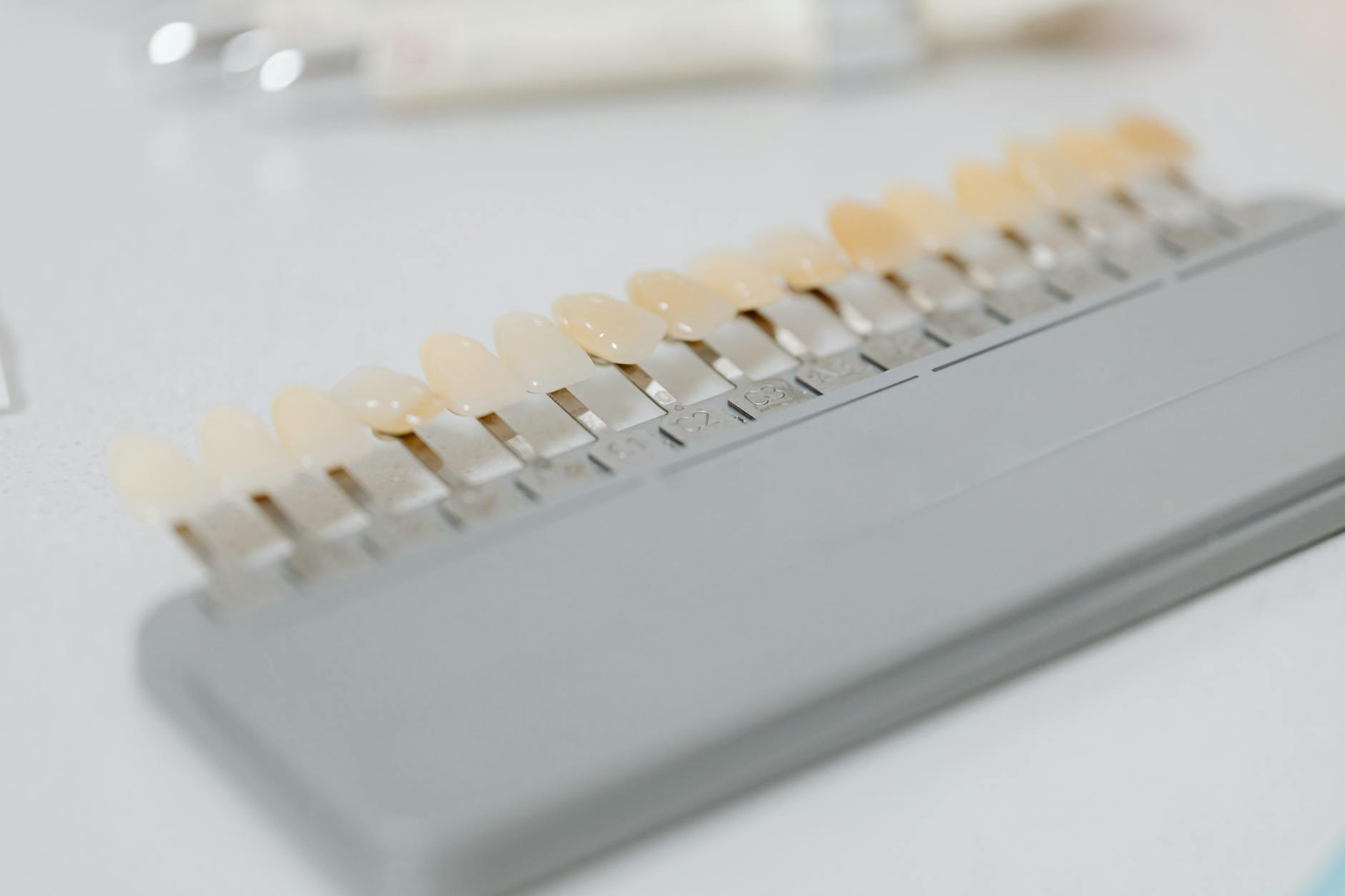
| Shade improvement | 0–2 shades (surface only) | 6–8 shades (intrinsic + extrinsic) |
| Time to results | Weeks to months (if any) | One 45–60 minute session |
| Enamel safety | Risk of erosion (acids, abrasives) | Clinically tested, enamel-safe protocols |
| Gum protection | None | Custom barriers and trays |
| Even results | Inconsistent | Uniform, controlled application |
| Longevity | Temporary (requires constant reapplication) | 12–18 months with proper care |
| Clinical evidence | Limited or absent | Extensive peer-reviewed research |
Philips Zoom Whitening: Professional Results in One Visit
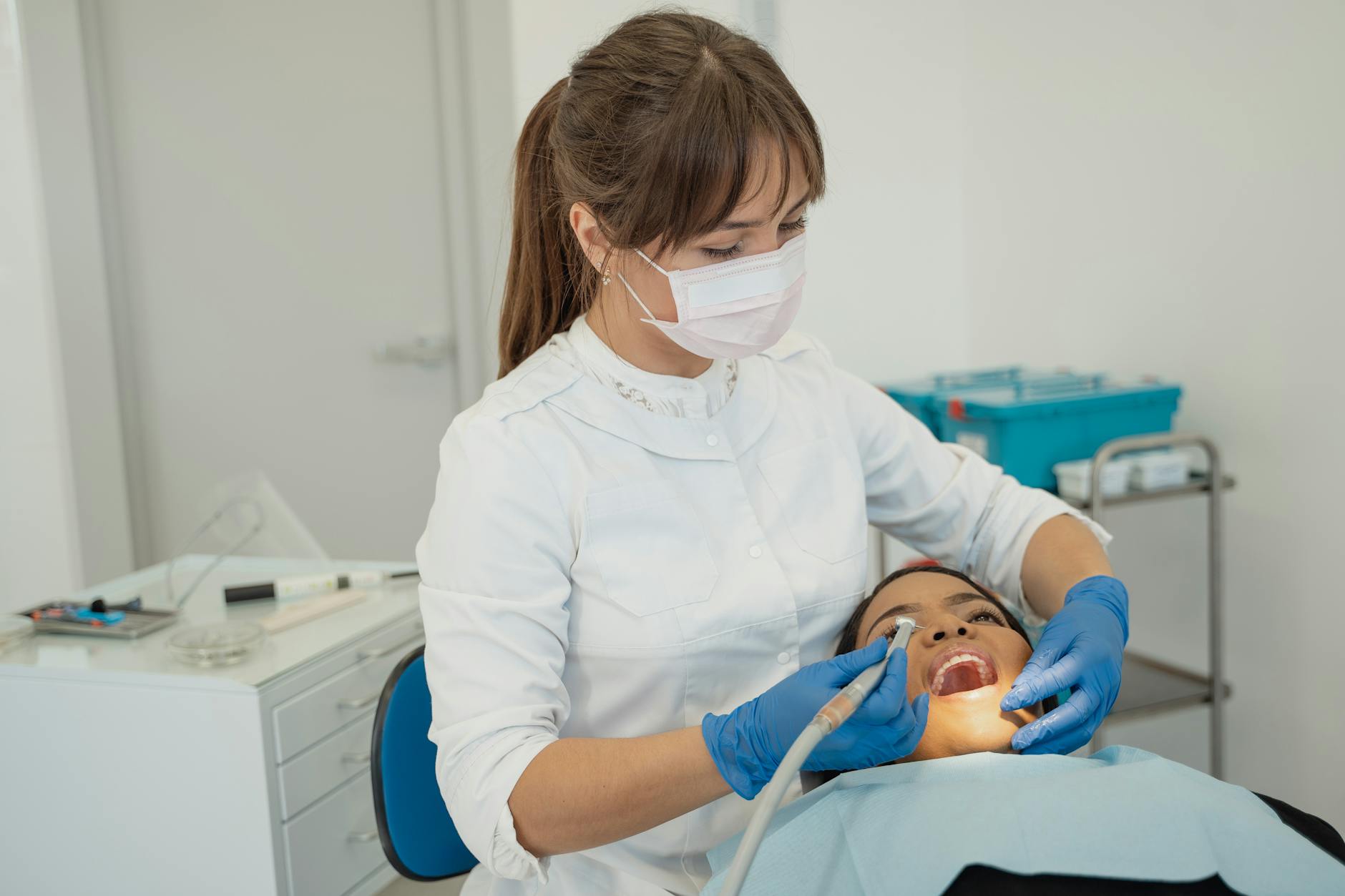
At Smile Dental Center, we use the Philips Zoom WhiteSpeed system, which represents the current standard in professional in-office whitening. Here’s how it works and why the results far exceed what any natural method can achieve.
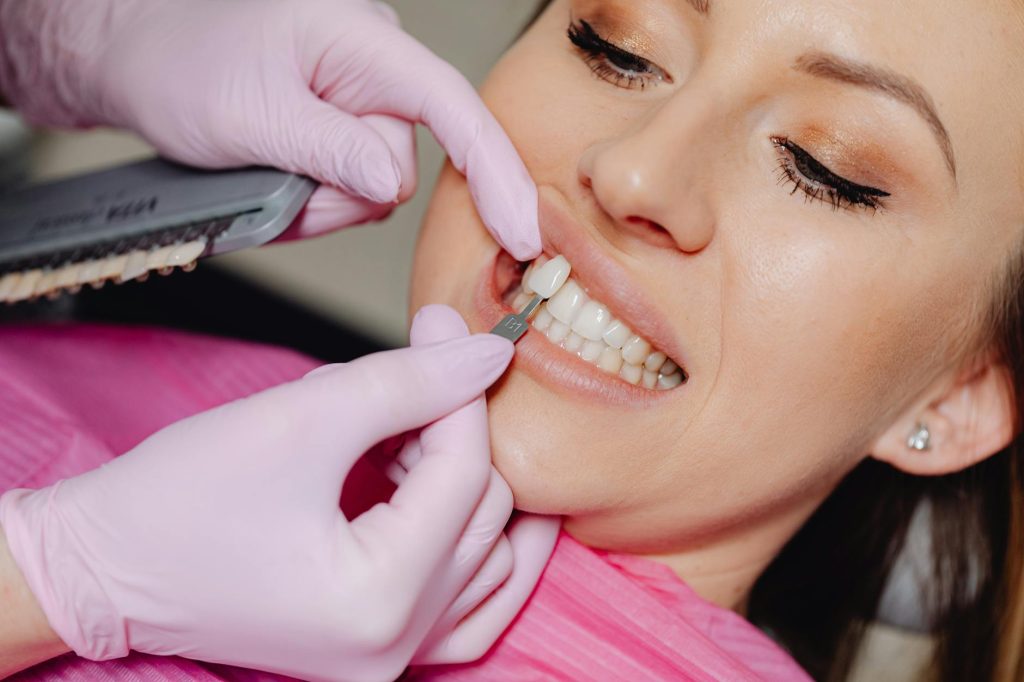
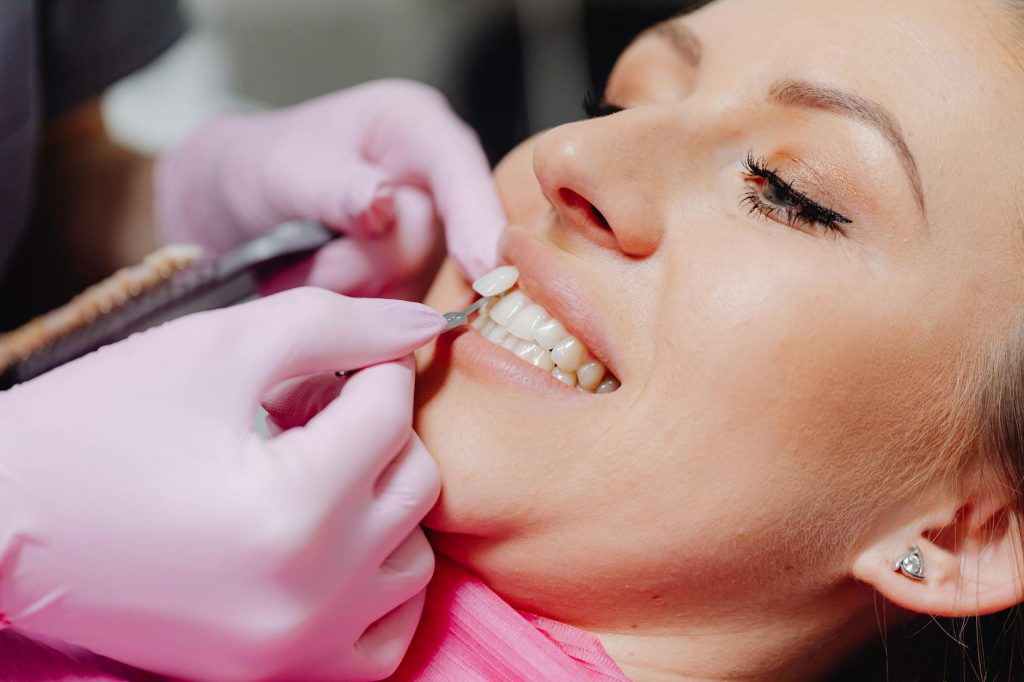
The Zoom system uses a 25% hydrogen peroxide gel activated by a specially designed LED light. The light accelerates the bleaching reaction, allowing deeper penetration into the tooth structure without extended exposure times. A single session typically lasts 45–60 minutes and includes three to four 15-minute application cycles.
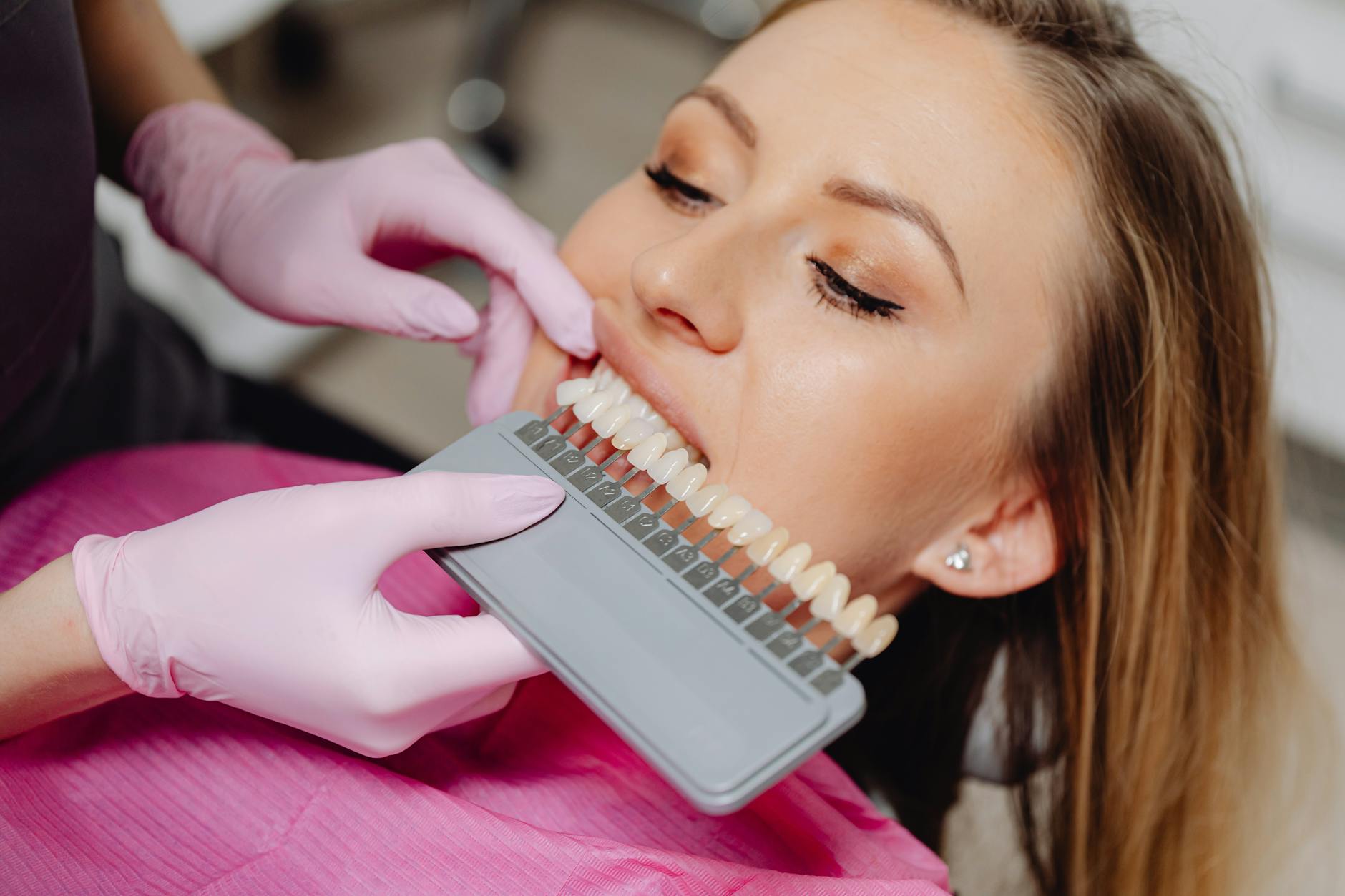
Clinical data from Philips and independent studies in the Journal of Esthetic and Restorative Dentistry (2022) show average shade improvement of 6–8 shades on the VITA scale in one appointment. For context, the most optimistic claims for natural methods top out at 1–2 shades over several weeks.
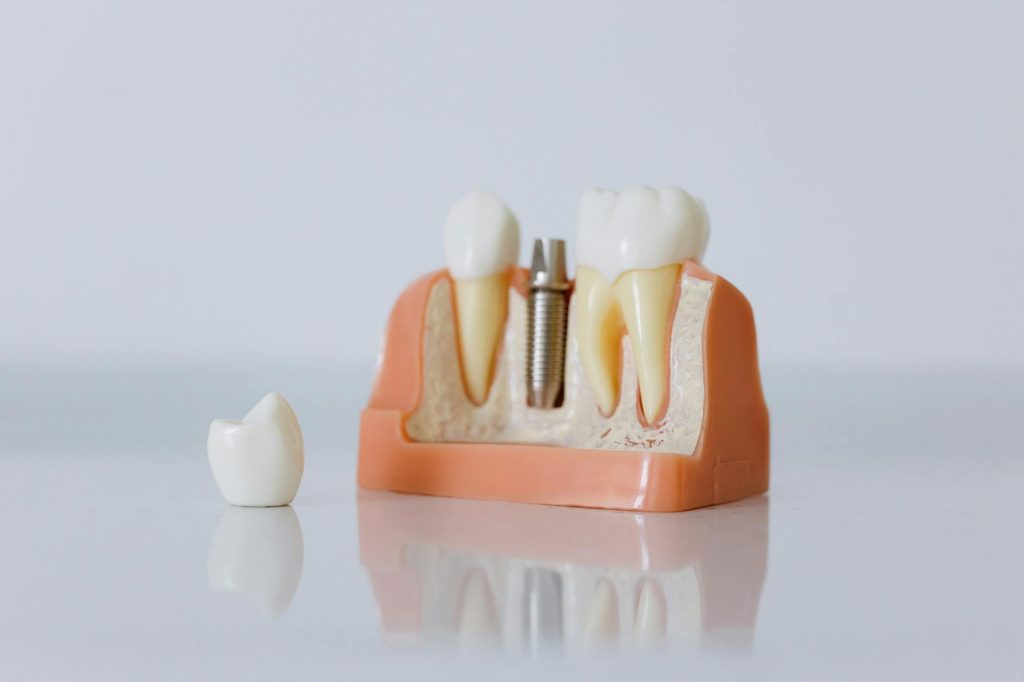
Before treatment, your dentist examines your teeth for existing conditions that could affect results—including cavities, exposed roots, worn enamel, and existing restorations. This pre-screening is something no DIY method accounts for, and it’s essential for both safety and outcome quality. Learn more about whitening costs and options in Miami.
Post-treatment, patients receive a custom take-home tray kit for touch-ups, extending results to 12–18 months with minimal maintenance.
How to Maintain a Bright Smile After Whitening
Whether you choose professional whitening or want to preserve your natural tooth color, these evidence-based maintenance strategies actually work:
- Brush twice daily with an ADA-accepted whitening toothpaste. Look for the ADA Seal of Acceptance, which verifies both safety and effectiveness. These products contain mild polishing agents and low-concentration peroxide that maintain—not create—whiteness.
- Rinse with water after consuming staining beverages. Coffee, tea, red wine, and dark sodas are the primary culprits. Rinsing within 30 seconds of consumption prevents stain molecules from bonding to enamel.
- Use a straw for cold beverages. This reduces contact between staining liquids and the front surfaces of your teeth.
- Don’t smoke or use tobacco products. Tobacco stains are among the most stubborn, and nicotine creates a yellowish residue that penetrates enamel. The CDC reports that smokers are three times more likely to have moderate to severe tooth discoloration.
- Schedule professional cleanings every six months. Dental hygienists remove tartar and surface stains that brushing cannot, keeping teeth at their brightest between whitening sessions.
- Consider touch-up treatments. Professional take-home trays with dentist-prescribed gel provide safe, controlled touch-ups every 6–12 months. See real Philips Zoom results and reviews from patients who maintain their brightness long-term.
Frequently Asked Questions
Is baking soda safe to use on teeth every day?
While baking soda is recognized as safe in commercial toothpaste formulations, using pure baking soda paste daily is not recommended. The uncontrolled abrasiveness can gradually wear enamel, especially with aggressive brushing. If you want the stain-removal benefits of baking soda, choose an ADA-accepted toothpaste that contains it at tested concentrations.
Can coconut oil really whiten teeth?
No clinical evidence supports coconut oil as a whitening agent. Oil pulling may offer modest benefits for oral hygiene by reducing bacterial counts, but multiple peer-reviewed studies confirm it does not change tooth color. Any perceived whitening is likely due to cleaner, healthier gums creating a visual contrast.
How long do professional Zoom whitening results last?
Philips Zoom results typically last 12 to 18 months, depending on diet and oral care habits. Patients who avoid heavy staining beverages, follow maintenance protocols, and use the provided take-home touch-up trays report the longest-lasting results. Most patients schedule one professional session per year.
Is professional whitening safe for sensitive teeth?
Modern professional whitening systems include desensitizing agents applied before and after treatment. At Smile Dental Center, we assess sensitivity levels during the pre-treatment exam and adjust the protocol accordingly. Most patients with mild to moderate sensitivity tolerate Zoom whitening well with appropriate precautions.
Are whitening strips from the drugstore a good alternative to natural methods?
Over-the-counter whitening strips with ADA Seal of Acceptance are a safer and more effective option than most natural methods. They typically contain 10–14% hydrogen peroxide and can lighten teeth by 2–4 shades over two weeks. However, they cannot match the speed, uniformity, or degree of improvement that professional in-office treatment provides.
Ready for Whitening Results You Can Actually See?
Skip the DIY experiments. Our Philips Zoom whitening delivers 6–8 shades of improvement in one visit, with enamel-safe protocols and results that last. Schedule a whitening consultation at our Miami office to see what professional care can do for your smile.
Message us on WhatsApp or call (786) 560-7567 to book your consultation.