
If you are planning a smile upgrade for a wedding, a big work event, or simply because you are tired of hiding your teeth in photos, timing matters. One of the first questions patients ask is simple and smart – how long will it take to look normal again after gingivoplasty?
The short answer is that most people feel socially presentable within a few days, with the gums settling more noticeably over 1 to 2 weeks. Full tissue refinement can take several weeks, and the exact timeline depends on how much gum reshaping was done, how your body heals, and whether gingivoplasty is being combined with other cosmetic work.
That is the practical answer. The better answer is knowing what recovery actually looks like day by day, so you can plan your life and protect your final result.
Understanding gummy smile gingivoplasty recovery time
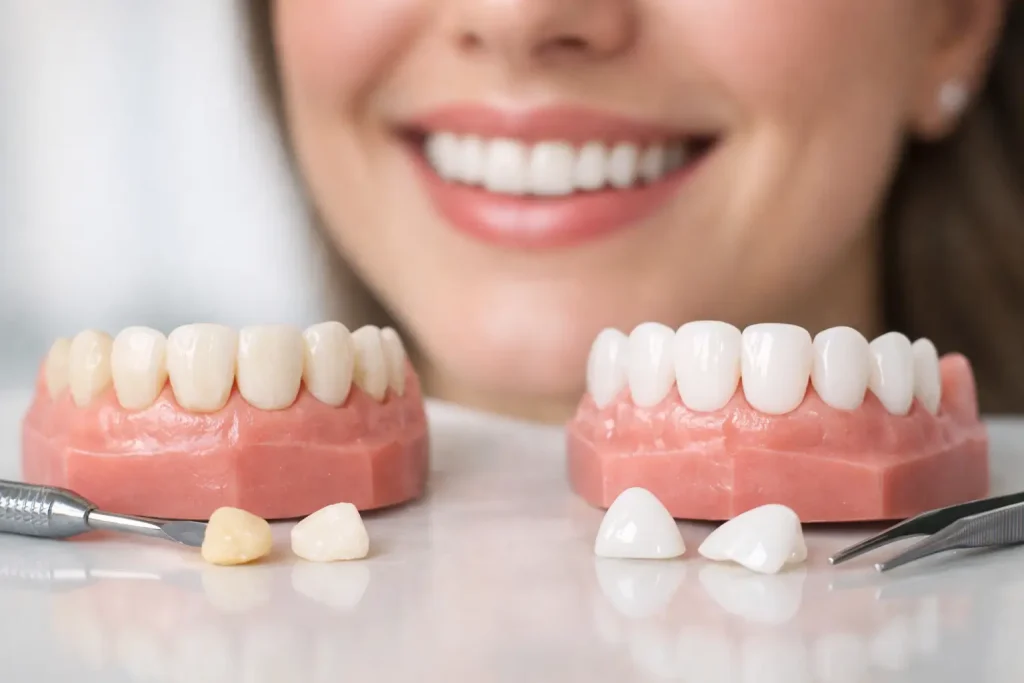
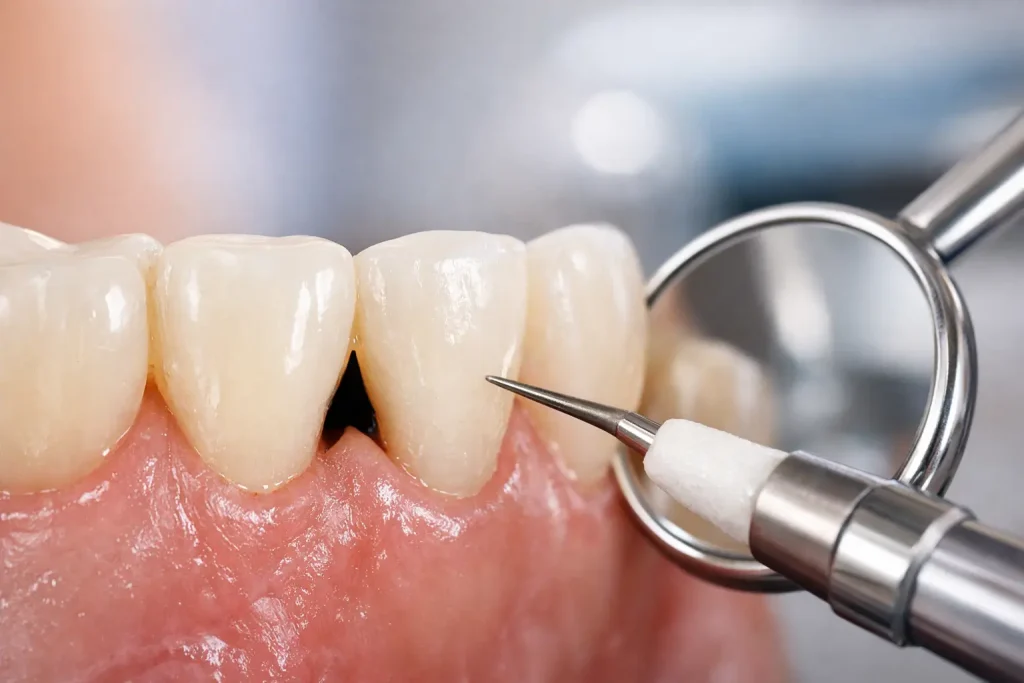
Gingivoplasty is a cosmetic gum contouring procedure that reshapes excess or uneven gum tissue to create a cleaner, more balanced smile line. If too much gum shows when you smile, even beautiful teeth can look smaller than they really are. By adjusting the gum frame, your teeth appear longer, more proportional, and more in harmony with your face.
When patients search for gummy smile gingivoplasty recovery time, they are usually asking two different questions at once. First, when will discomfort go away? Second, when will my smile look polished enough for photos, work, and everyday confidence?
Those are not always the same date.
In many cases, mild soreness and tenderness improve within the first few days. Visible redness and swelling often calm down over the first week. The gums usually continue to refine after that, especially in the esthetic zone where tiny contour changes make a big visual difference.
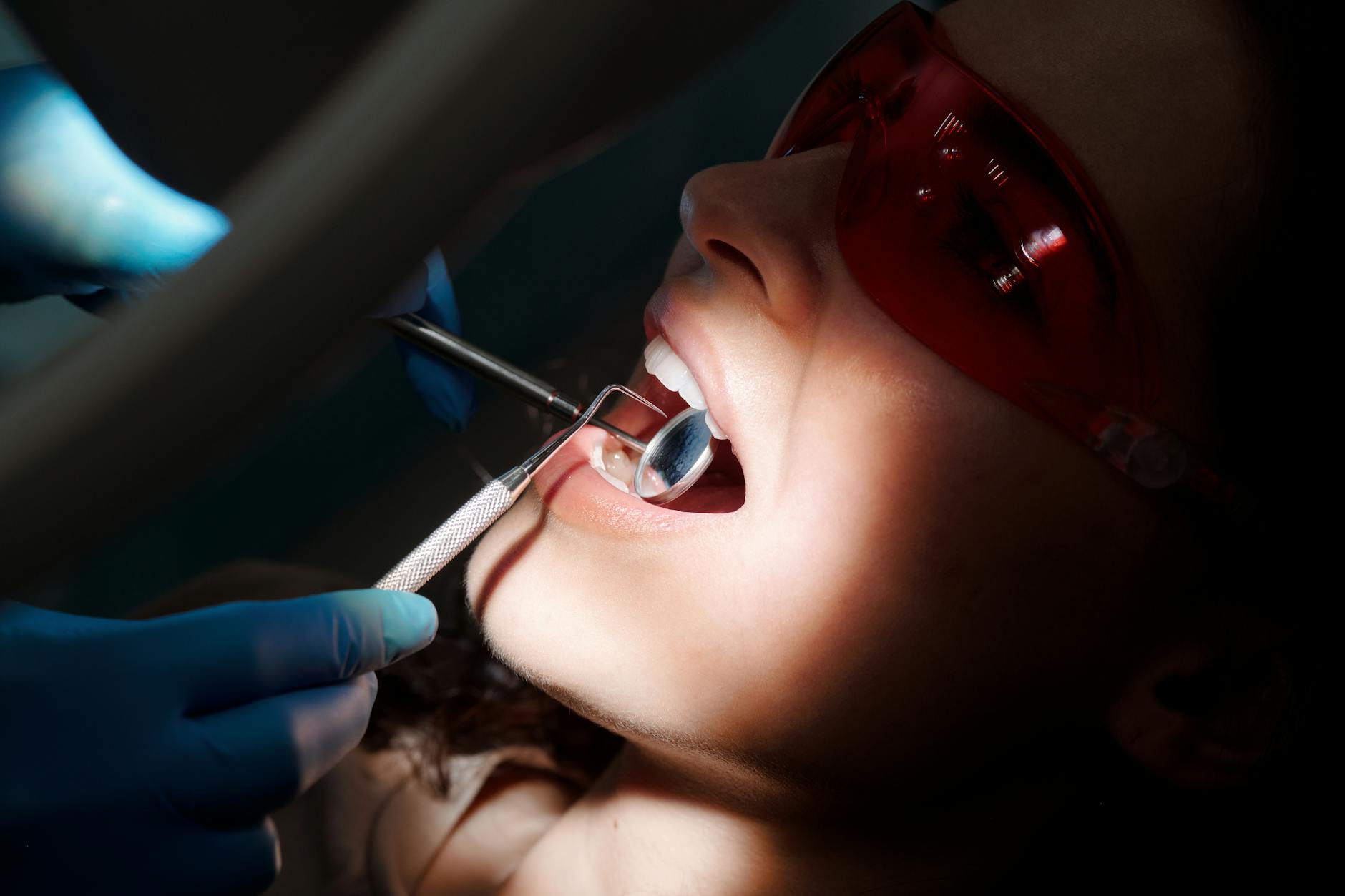
What recovery usually looks like
The first 24 to 72 hours
This is the phase when you are most likely to notice tenderness, mild swelling, and sensitivity. Some patients describe it as a sore or raw feeling rather than real pain. If a laser or another modern soft tissue technique is used, recovery can feel easier than expected, but you should still plan for a soft-food window and a lighter routine for a day or two.
A small amount of spotting can happen early on. Your gums may also look brighter red than usual. That can be normal in the beginning, especially right after reshaping.
Days 3 to 7
For many patients, this is when things start turning the corner. The gums often look less inflamed, and daily activities feel easier. If you work in a public-facing role, attend meetings, or spend plenty of time on camera, you may feel comfortable being seen during this stage, though your gums may not look fully settled yet.
This is also when people get impatient. The area can look improved but not final. Uneven puffiness, slight color variation, or a tight feeling near the gumline can still be part of normal healing.
Weeks 2 to 4
This is where the cosmetic payoff becomes clearer. Gum edges continue to smooth out, the tissue tone improves, and your smile starts to look more intentional and refined. If your procedure was conservative, you may feel mostly back to normal before this point. If more tissue was reshaped, you may still be in the final stages of visible healing.
Beyond one month
In some cases, especially when gingivoplasty is part of a broader smile design plan, subtle tissue maturation continues after the first few weeks. This matters if you are pairing gum contouring with veneers, crowns, or other highly esthetic work where millimeters count.
What affects gummy smile gingivoplasty recovery time?
Not every patient heals on the same schedule. A few key factors can speed things up or slow them down.
The amount of gum tissue removed matters. A small contour adjustment around one or two teeth usually heals faster than a broader reshaping across the full smile line.
The technique matters too. Different tools and treatment methods can influence bleeding, swelling, and how quickly the tissue settles. Your provider’s precision also makes a difference. Cosmetic gum shaping is not only about removing tissue. It is about creating symmetry and protecting the architecture that gives you the best result.
Your body plays a role as well. Smoking, uncontrolled diabetes, poor oral hygiene, and a history of slow healing can all extend recovery. So can returning too quickly to crunchy foods, ag
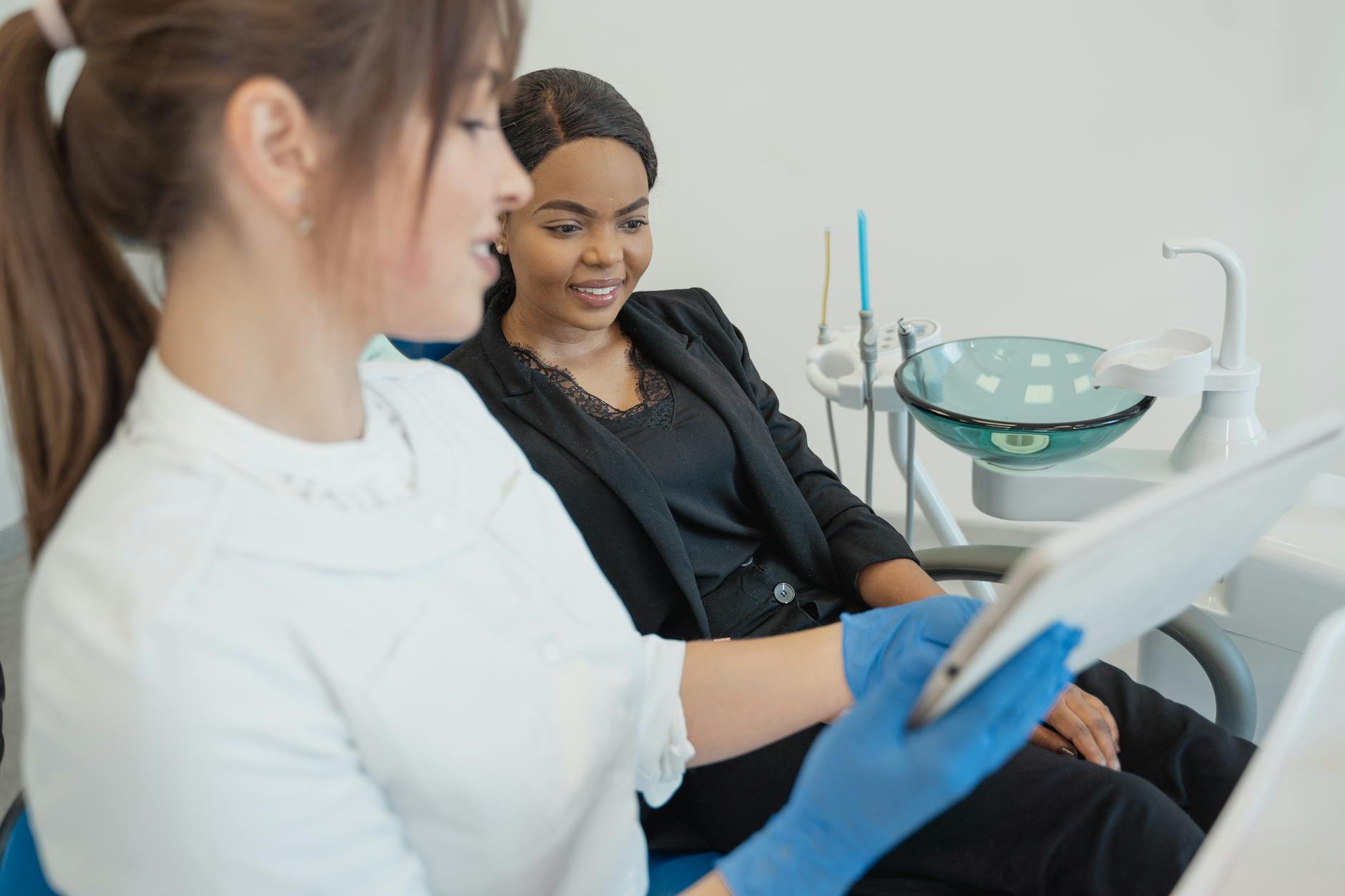
gressive brushing, or habits that irritate the gums.
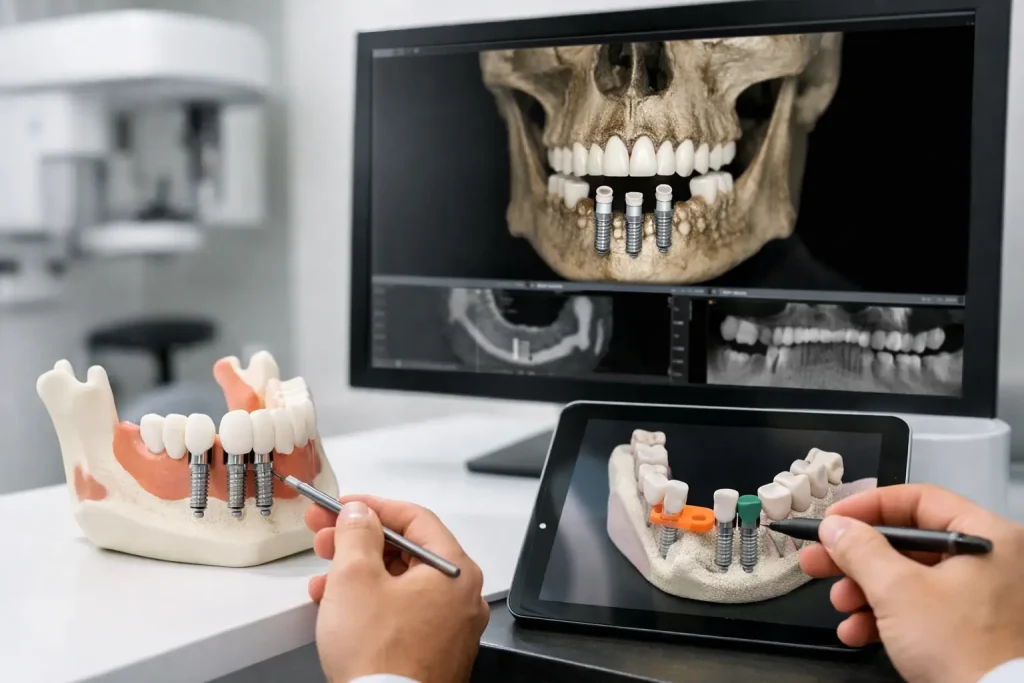
And then there is the big planning question – is gingivoplasty being done alone, or as part of a larger cosmetic transformation? If you are also preparing for veneers or a complete smile design, your dentist may build in healing time so the final restorations sit against healthy, stable gum tissue.
How much downtime should you plan for?
If your main concern is work and social visibility, many patients only need a long weekend or a few lighter days. If your concern is looking fully photo-ready, give yourself more room.
For an important event, a conservative rule is to avoid scheduling gingivoplasty at the last minute. Even if you feel good quickly, your gums may still be settling. If the procedure is purely cosmetic, it is usually smarter to do it early enough that your smile has time to look finished, not just healed.
That buffer matters even more if you are image-conscious, on camera often, or planning additional cosmetic dentistry right after.
How to make recovery smoother
Healing is not only about waiting. It is also about how well you follow aftercare.
Stick with soft foods at first. Think y
ogurt, smoothies, eggs, pasta, mashed vegetables, soups that are not too hot, and other options that do not scrape or stress the gumline. Sharp chips, crusty bread, spicy foods, and very hot drinks can irritate the area when it is trying to close and calm down.
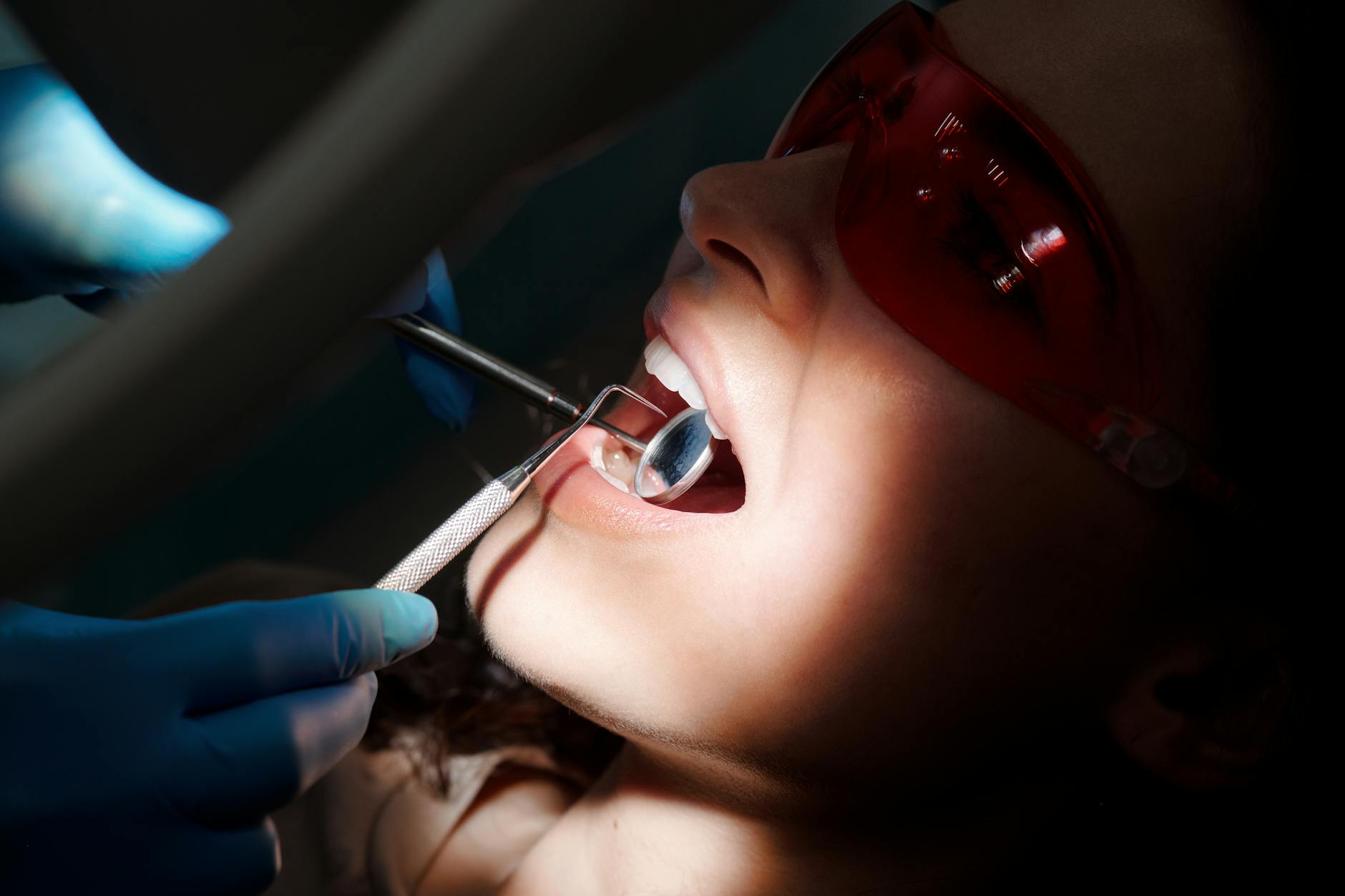
Oral hygiene still matters, but gentleness is the priority. Your dentist may recommend a modified brushing routine or a rinse during the early healing phase. Follow those instructions closely. Clean healing tissue is healthier healing tissue.
Avoid smoking and nicotine if possible. This is one of the most common reasons recovery becomes slower or less predictable. If you are investing in the appearance of your smile, this is the wrong time to sabotage the result.
Take your follow-up seriously. What looks like a small gum procedure can have a big visual impact, and your provider may want to check how the margins are settling.
What is normal, and what is not?
Some tend
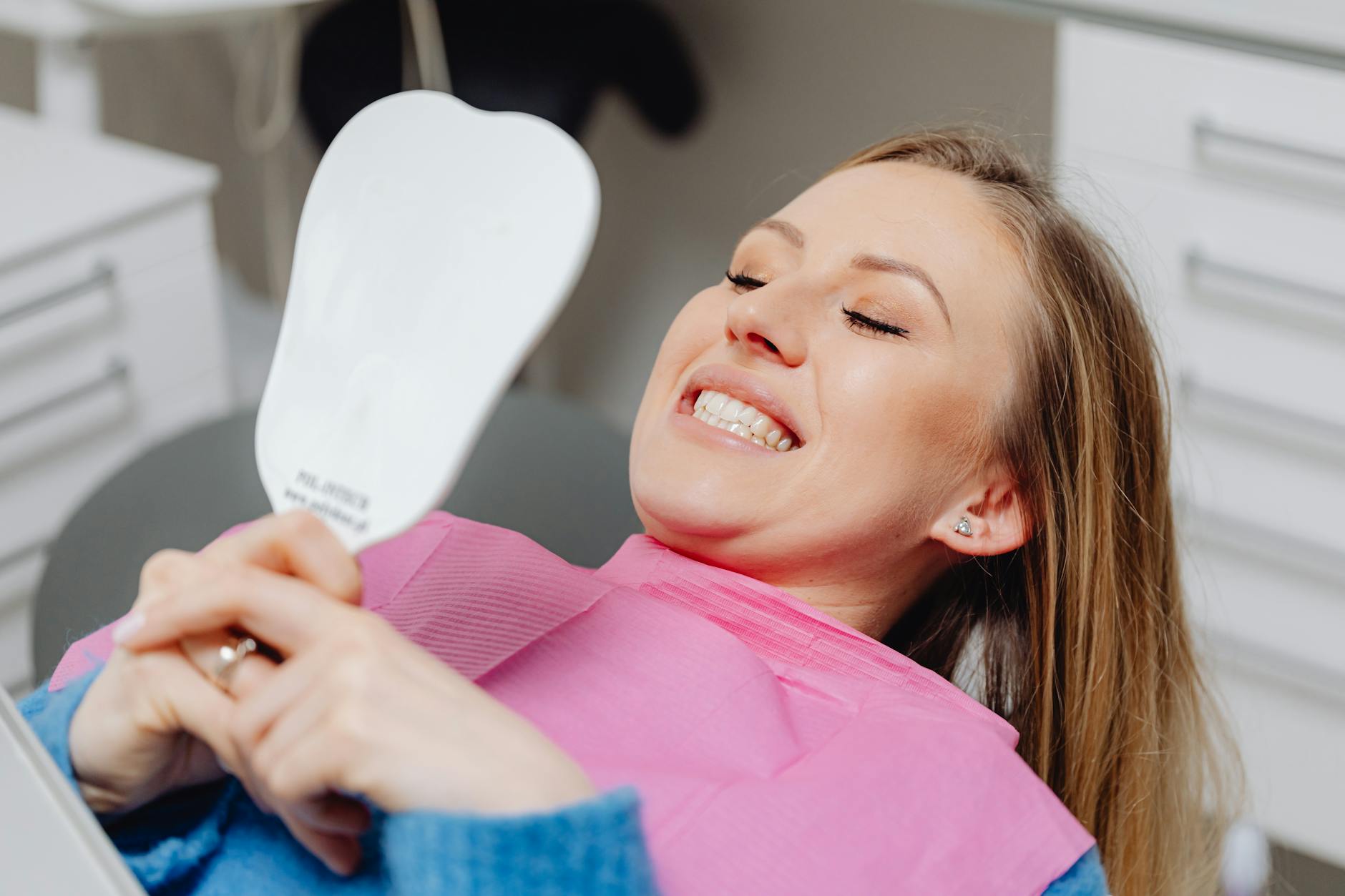
erness, swelling, redness, and temporary sensitivity are common early on. A slightly uneven appearance during the first phase of healing can also be normal because tissue does not settle all at once.
What should get your attention is pain that feels severe or worsening rather than improving, bleeding that does not stop, significant swelling after the initial period, pus, foul taste, or fever. Those are reasons to call your dental office promptly.
A good cosmetic result depends on healthy healing. If something feels off, do not wait and hope for the best.
If you are combining gingivoplasty with veneers
This is where timing becomes especially important. Patients focused on a major smile transformation often want the fastest route to the perfect smile, but rushing can compromise precision.
When gums are freshly reshaped, the margins can still change slightly as they heal. If veneers are designed before the tissue stabilizes, the final esthetic balance may not be as clean as it could be. In some cases, your dentist may sequence treatment so the gumline heals first, then the veneers are finalized to match that new frame.
It can feel like an extra step, but it often leads to the best results. Great smile design is not only about the teeth. The gums are part of the architecture.
Is the recovery worth it?
For the right patient, yes. Gingivoplasty is one of those procedures where a relatively small change can produce a dramatic improvement in how your smile reads. Teeth look longer. Symmetry improves. Photos look stronger. Confidence follows.
The trade-off is that recovery is not instant, and the final result is not always visible on day one. If you expect a little tenderness and give your gums the time they need to settle, the process is usually very manageable.
At Smile Dental Center Group, smile design is about more than treatment. It is about timing, proportion, and building a result that looks natural and high impact. If you are considering gum contouring and want a plan that fits your goals, schedule, and next step, getting evaluated early gives you more control over the outcome.
Your smile does not need months to start looking better, but it does deserve enough time to heal beautifully.