


How Long Do Veneers Last?
The Complete Longevity Guide
Dental veneers are a significant investment in your smile. Understanding their lifespan, what affects durability, and how to maximize longevity helps you make a confident decision at Smile Dental Center.
Key Takeaways
- Porcelain veneers last 15–25 years on average, with some lasting over 30 years.
- Composite veneers last 5–10 years and are easier to repair but require more maintenance.
- Clinical studies show a 95% survival rate for porcelain veneers at 10 years.
- The biggest threats to veneer longevity are teeth grinding, poor oral hygiene, and trauma.
- Proper care and regular dental visits can significantly extend the life of your veneers.
15–25
Years — Porcelain Lifespan
95%
Survival Rate at 10 Years
5–10
Years — Composite Lifespan
Average Lifespan by Veneer Type
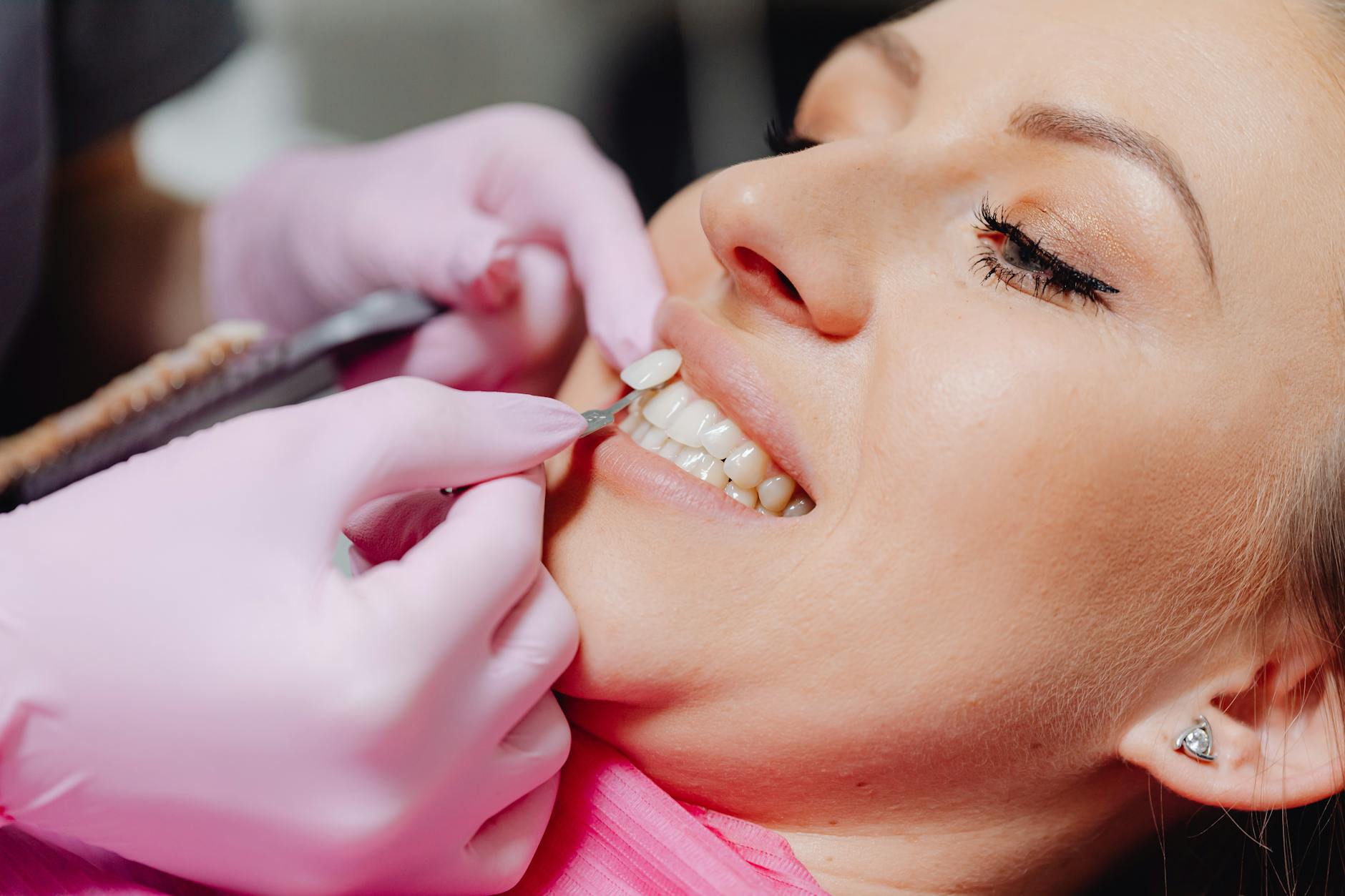
Not all veneers are created equal. The material, manufacturing process, and application method all influence how long your veneers will last before needing repair or replacement.
At Smile Dental Center, we use premium E-Max and feldspathic porcelain for maximum durability.
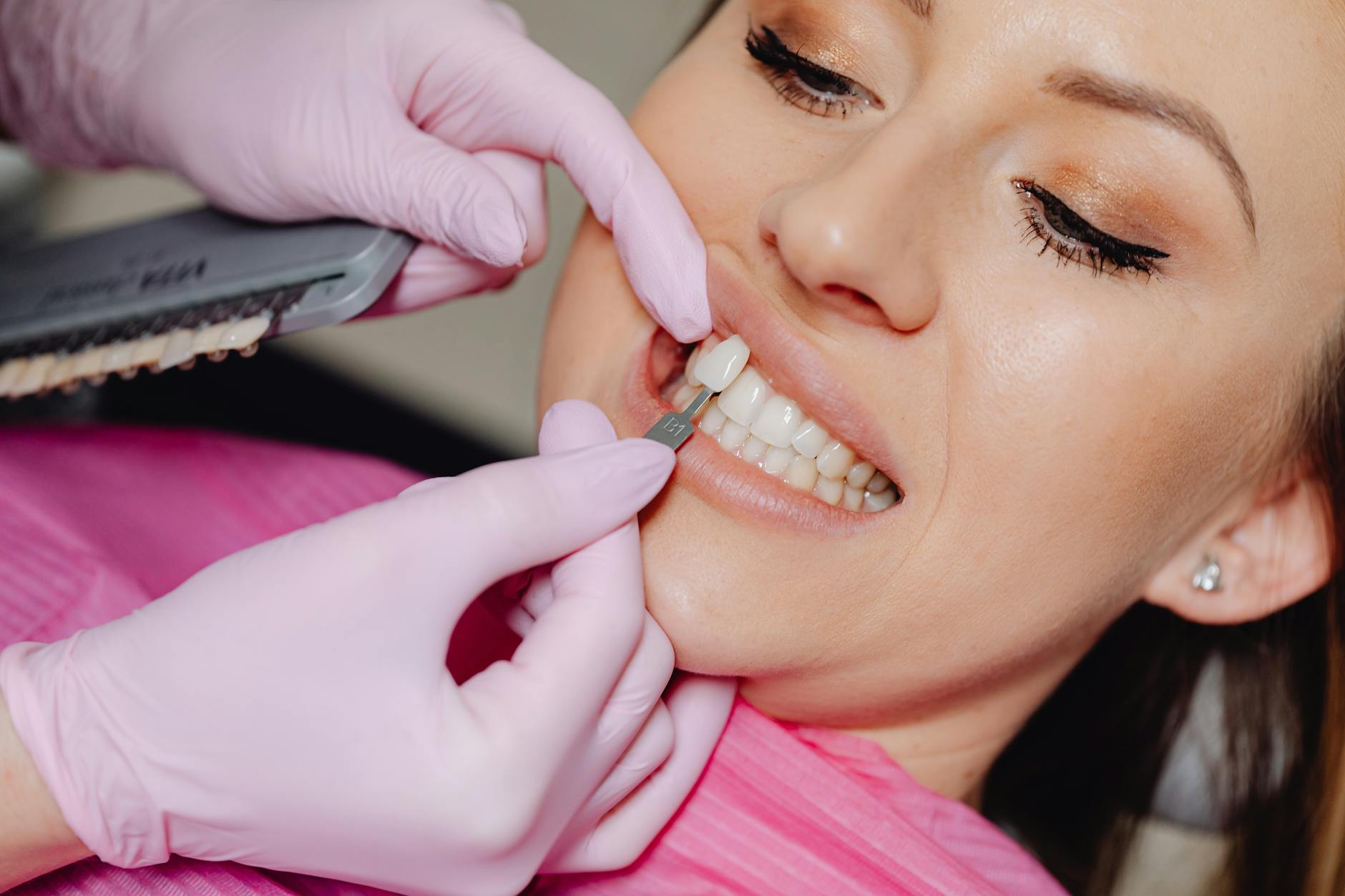
6 Factors That Affect How Long Veneers Last
💪
1. Teeth Grinding (Bruxism)
The number-one threat to veneers. Chronic grinding generates enormous lateral forces that can crack or dislodge porcelain. A custom night guard is essential for grinders.
🦷
2. Oral Hygiene
While veneers themselves cannot decay, the underlying tooth still can. Gum disease or decay at the margin can compromise the bond and require early replacement.
🍴
3. Diet & Habits
Biting ice, pens, fingernails, or very hard foods can chip or fracture veneers. Dark beverages and tobacco stain composite veneers faster, though porcelain remains largely resistant.
⚖️
4. Material Quality
Premium lab-crafted porcelain outlasts mass-produced or low-grade materials by years. The ceramist’s skill matters—veneers made by experienced technicians have tighter margins and better fit.
👨⚕️
5. Dentist’s Technique
Proper tooth preparation, accurate impressions, and precise bonding protocol are critical. Veneers placed with poor technique are more prone to debonding and marginal leakage.
📅
6. Regular Dental Visits
Professional cleanings and check-ups every six months allow your dentist to catch early signs of wear, debonding, or decay before they become costly problems.
Signs Your Veneers Need Replacement
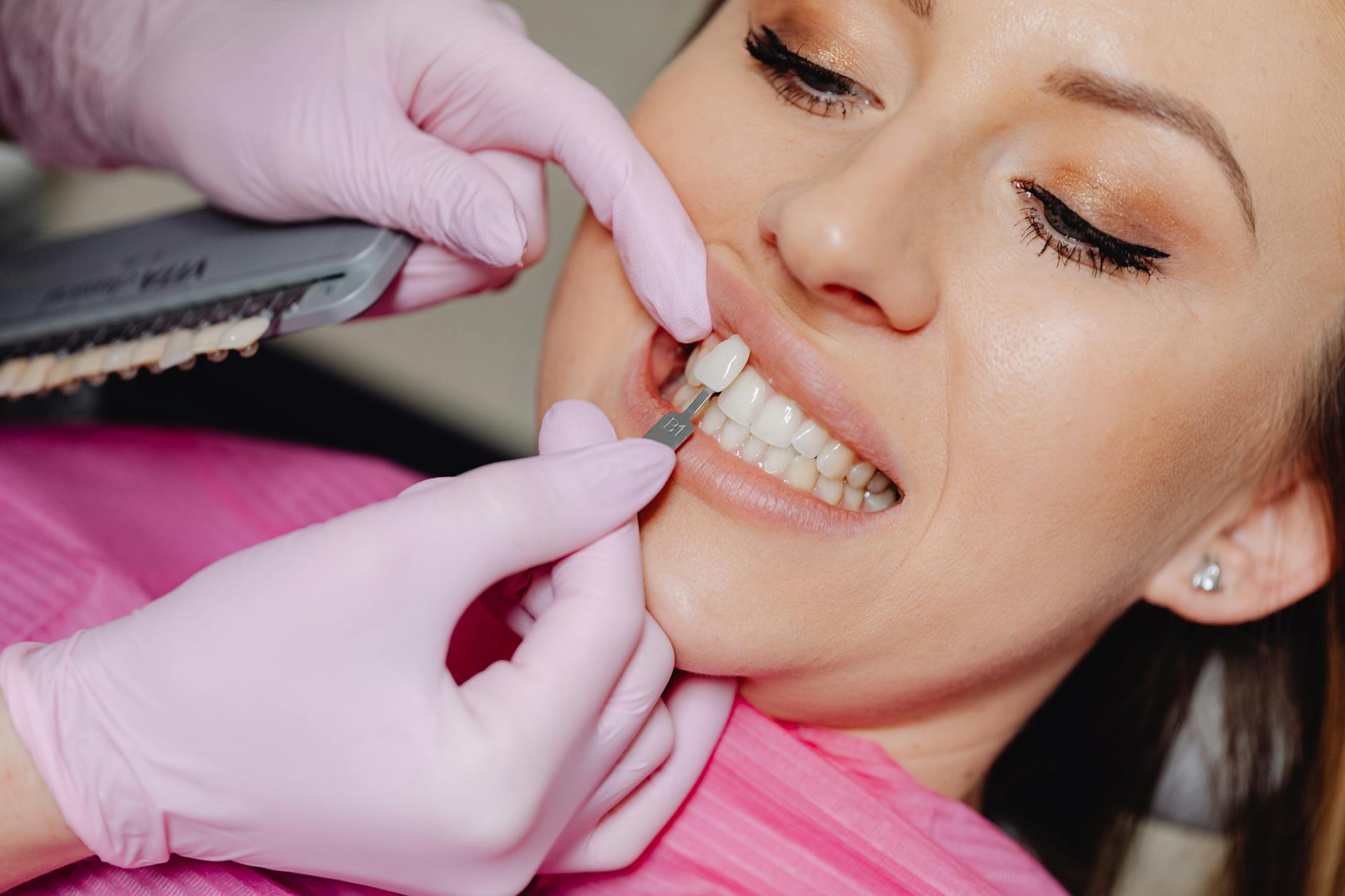
Even the best veneers will eventually need attention. Watch for these indicators that it may be time to visit your cosmetic dentist:
- Visible chips or cracks — Even small fractures compromise the seal and can worsen quickly.
- Dark lines at the gum margin — This indicates the veneer edge is exposed, possibly due to gum recession.
- Discoloration or staining — Common with older composite veneers that have absorbed pigment over time.
- Sensitivity to hot or cold — May signal a compromised bond or decay beneath the veneer.
- Veneer feels loose — Debonding means the adhesive has failed and the veneer could come off entirely.
- Gum inflammation around veneer — Poorly fitting margins trap bacteria and cause irritation.
How to Make Your Veneers Last Longer
Following these care guidelines can add years to your veneers’ lifespan. For a more detailed maintenance plan, see our guide on how to maintain veneers long-term.
Brush twice daily with a non-abrasive toothpaste. Avoid whitening toothpastes with harsh abrasives that can scratch composite surfaces.
Floss daily. Keeping gums healthy prevents recession that exposes veneer margins.
Wear a night guard if you grind your teeth. This is the single most impactful thing you can do to protect veneers.
Avoid using teeth as tools. Do not open packages, bite nails, or chew ice.
Limit staining foods and drinks. Coffee, red wine, and curry can stain composite veneers faster.
Visit your dentist every six months. Professional cleanings and veneer inspections catch issues early.
Wear a mouthguard during sports. Protect your investment from accidental impact.
Porcelain vs. Composite: Durability Compared
Porcelain Veneers
Porcelain is inherently harder and more resistant to wear than composite resin. Its glass-like surface repels stains, and because each veneer is kiln-fired in a lab, the material density is consistent throughout. Studies published in the Journal of Prosthetic Dentistry confirm 93–95% intact survival at the 10-year mark.
The main downside: if a porcelain veneer chips or fractures, it typically cannot be repaired in-office. The entire veneer must be removed and replaced, which involves a new impression and lab fabrication.
Best for: long-term investment, heavy coffee or wine drinkers, patients wanting maximum longevity.
Composite Veneers
Composite resin is softer and more porous, making it more susceptible to chipping, staining, and surface wear. However, it has a significant advantage: repairs can be done chairside in a single visit. If a composite veneer chips, your dentist can add new material and re-polish without starting from scratch.
Composite veneers also tend to lose their polish over time, developing a slightly matte appearance after 3–5 years. Regular professional polishing can extend their aesthetic lifespan.
Best for: budget-conscious patients, younger patients, those wanting a reversible option. Learn more about composite veneers.
Cost of Veneer Replacement
When veneers reach the end of their lifespan, replacement costs are generally similar to the original treatment. However, if the underlying tooth has been well-maintained, the process is usually simpler the second time around.
For a detailed cost breakdown, read our guide on how much veneers cost in Miami. Many patients also find that getting replacement veneers at our Medellín clinic offers significant savings without compromising quality.

Frequently Asked Questions
Can veneers last 30 years?
Yes. While the average lifespan for porcelain veneers is 15–25 years, well-made veneers in patients with excellent oral hygiene and no grinding habit have been documented lasting over 30 years. The key factors are material quality, the dentist’s skill, and consistent aftercare.
Do veneers fall off easily?
No. Properly bonded veneers are very secure. Modern dental adhesives create an extremely strong bond between the porcelain and enamel. Debonding typically only occurs due to trauma, teeth grinding without a night guard, or using teeth to open or bite hard objects.
Do veneers stain over time?
Porcelain veneers are highly stain-resistant—comparable to natural enamel or even better. Composite veneers, however, can absorb pigment from coffee, tea, red wine, and tobacco over time. Regular polishing helps, but staining is one reason composite veneers have a shorter aesthetic lifespan.
How do I know when to replace my veneers?
Your dentist will monitor your veneers at regular check-ups. Common signs include visible chips or cracks, dark margins, increased sensitivity, discoloration (composites), or a loose feeling. If you notice any of these between appointments, contact your dentist promptly.
Are there veneers that last forever?
No dental restoration lasts forever. However, porcelain veneers are among the longest-lasting cosmetic dental treatments available. With proper care, you may only need one replacement in your lifetime. Compare that to composite veneers or dental bonding, which may need attention every 5–10 years.
Get Veneers That Stand the Test of Time
At Smile Dental Center, we use premium materials and precision techniques to give you veneers designed to last. Schedule your consultation today.
Miami: +1 (786) 560-7567 | Mon–Sun 9am–5pm