


Dental Bonding in Miami:
Fast, Affordable Smile Repairs
Fix chips, gaps, and discoloration in a single visit. Dental bonding is one of the most versatile and budget-friendly cosmetic treatments available — starting at $300 per tooth.
Key Takeaways
- Dental bonding costs $300-$600 per tooth at Smile Dental Center in Miami
- The procedure is completed in a single visit with no anesthesia needed in most cases
- Bonding can fix chips, gaps, discoloration, uneven teeth, short teeth, and minor decay
- Results last 5-10 years with proper care and maintenance
- It is a reversible, non-invasive alternative to veneers for minor cosmetic issues
What Is Dental Bonding?
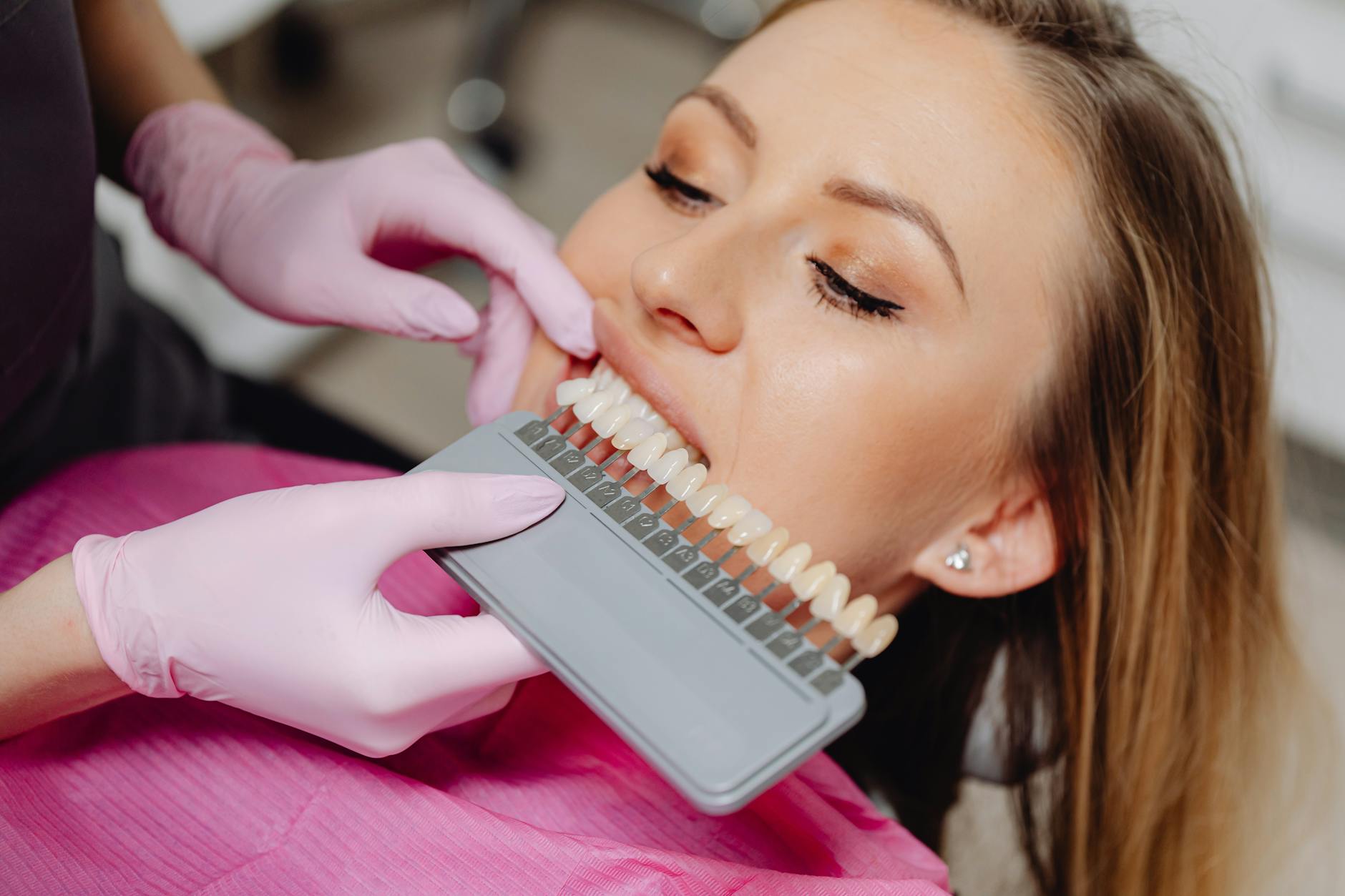
Dental bonding is a cosmetic procedure in which your dentist applies a tooth-colored composite resin directly to your natural tooth, sculpts it into the desired shape, and hardens it with a curing light. The resin is color-matched to blend seamlessly with your surrounding teeth, creating natural-looking results.
Unlike porcelain veneers, bonding typically requires no tooth reduction and no temporary restorations. The same composite material used in tooth-colored fillings is applied in layers, shaped by hand, polished, and finished in about 30-60 minutes per tooth.
At Smile Dental Center, we use premium composite resins with multi-layered shading techniques that mimic the translucency and depth of natural enamel. The result is a restoration that most people cannot distinguish from your original teeth.
The materials used in modern dental bonding have advanced significantly over the past decade. Today’s nanohybrid composite resins offer improved wear resistance, polishability, and shade stability compared to earlier generations. They resist staining better and maintain their luster longer, making bonding a more viable long-term cosmetic option than ever before.
Dental bonding is sometimes confused with composite veneers, and while they use the same material, the scope differs. Bonding typically refers to targeted repairs on one or two teeth, while composite veneers involve reshaping multiple teeth for a full smile transformation. If you are considering treating several teeth, you may benefit from exploring composite veneers as a more comprehensive option.
What Can Dental Bonding Fix?
Chipped Teeth
Composite resin rebuilds the missing portion of a chipped tooth, restoring its original shape and contour. Ideal for front teeth affected by minor trauma.
Gaps Between Teeth
Small diastemas (gaps) can be closed by adding composite material to one or both adjacent teeth. This is a same-day alternative to orthodontic treatment for minor spacing.
Tooth Discoloration
Intrinsic stains that do not respond to professional whitening can be concealed with bonding material applied over the tooth surface.
Irregular Shape
Teeth that are naturally misshapen, pointed, or asymmetric can be resculpted using bonding to create a more uniform and aesthetically pleasing smile line.
Short Teeth
Teeth worn down by grinding or naturally shorter than ideal can be lengthened with composite additions to the biting edge, improving both appearance and function. This is a common request among patients who want a more youthful smile.
Minor Decay
Composite bonding doubles as a tooth-colored filling for small cavities in visible areas, replacing unsightly silver amalgam with a natural-looking restoration.
The Dental Bonding Procedure: Step by Step
Shade Matching
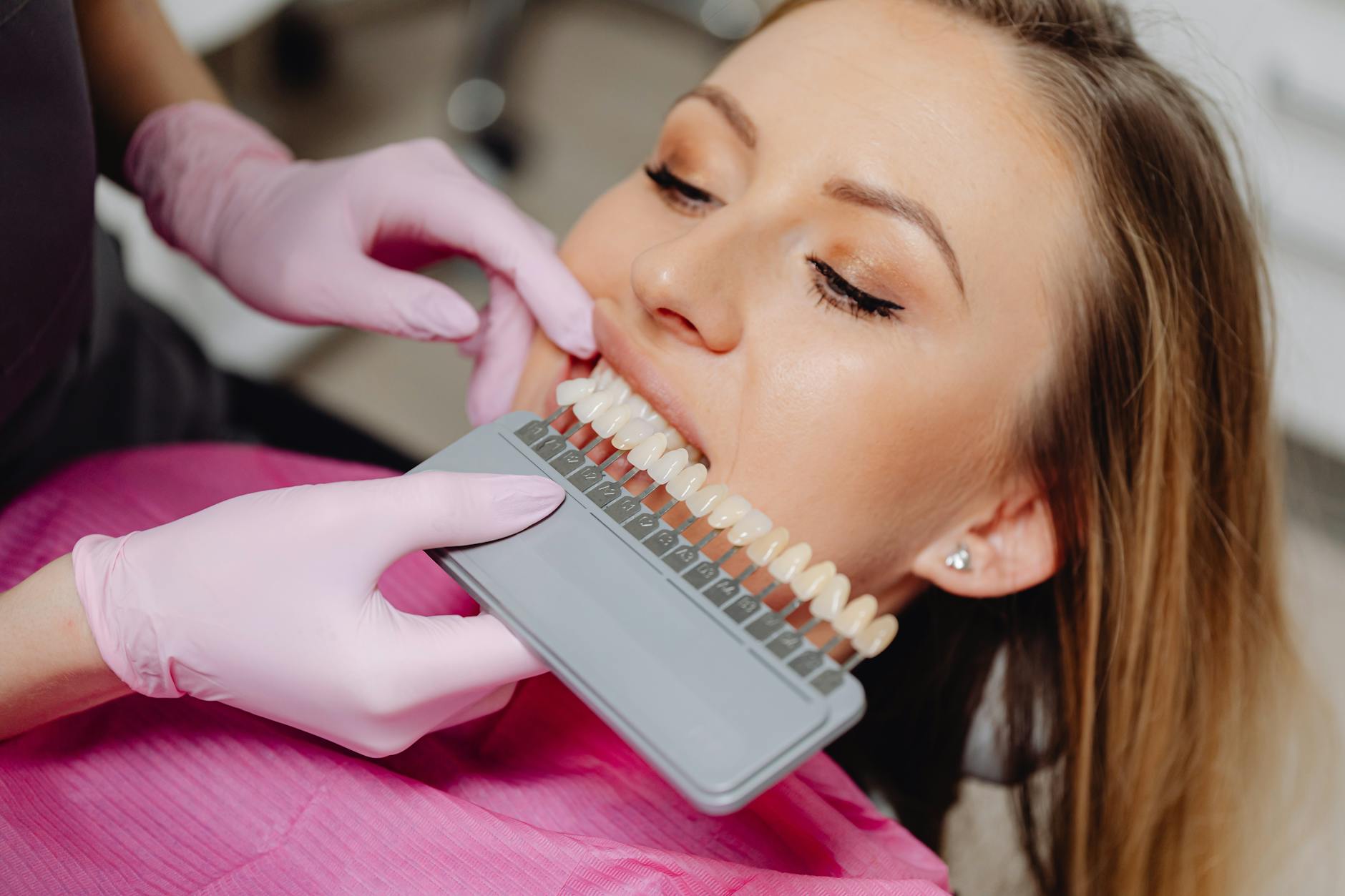
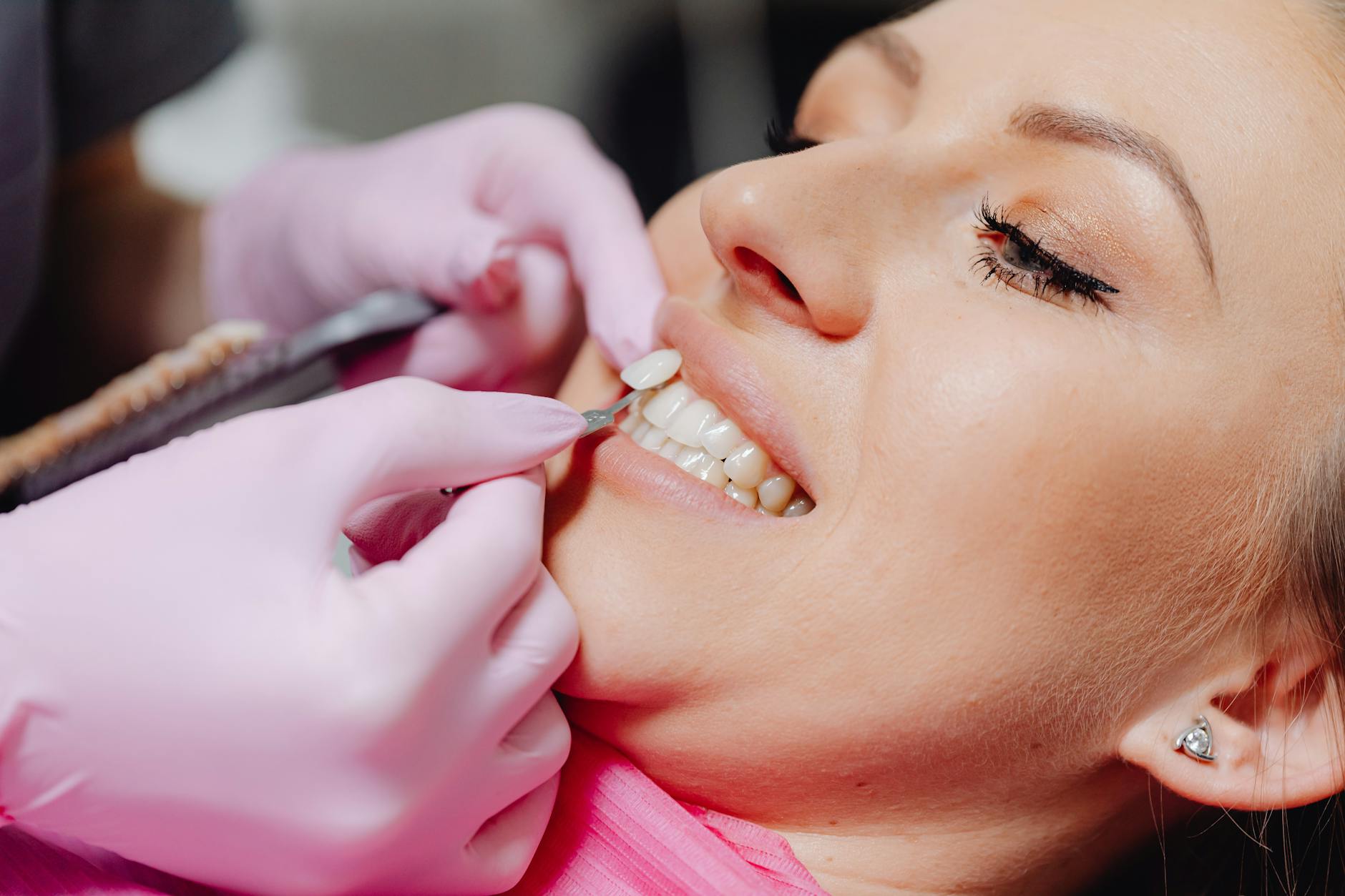
Your dentist selects a composite shade that precisely matches your natural tooth color using a shade guide. Multiple layers may be used for depth.
Surface Preparation
The tooth surface is lightly roughened with a conditioning liquid. This creates micro-texture that helps the bonding agent adhere securely. No drilling is needed.
Sculpting & Layering
Composite resin is applied in thin layers, each sculpted by hand to achieve the desired shape, contour, and dimension. This is where artistry meets dentistry.
Curing & Polishing
A UV curing light hardens each layer in seconds. After final shaping, the bonded tooth is polished to match the sheen and luster of natural enamel.
Total procedure time: 30-60 minutes per tooth • No anesthesia required in most cases
Dental Bonding vs Veneers: Which Is Right for You?
Both dental bonding and veneers improve the appearance of your smile, but they serve different needs. For a detailed analysis, visit our bonding vs veneers cost comparison.
If you need a single chipped tooth repaired or a small gap closed, bonding is usually the most practical and cost-effective choice. For a full smile transformation involving multiple teeth, composite veneers or porcelain veneers deliver more comprehensive results.
An important consideration is the long-term cost. While bonding has a lower upfront price, it may need replacement every 5-10 years. Porcelain veneers cost more initially but last 15-20 years. Over a 20-year period, bonding on a single tooth might cost $600-$1,200 total (1-2 applications), while one porcelain veneer costs $850-$950 once. For a single tooth, bonding is almost always the better economic choice. For multiple teeth over decades, porcelain can actually become the more cost-effective option when factoring in replacement cycles.
Many patients at Smile Dental Center start with bonding on a few problem teeth and later decide to upgrade to a full veneer set when they are ready for a complete transformation. Because bonding is non-invasive and reversible, it never limits your future options. This step-by-step approach is especially popular among younger patients who want cosmetic improvement now but may choose a more comprehensive treatment later in life.
Cost of Dental Bonding in Miami
Dental bonding is one of the most affordable cosmetic dental procedures. At Smile Dental Center, pricing is transparent and based on the complexity of each tooth.
Per Tooth
$300-$600
Depending on complexity
Average Total
$900-$1,800
For 2-4 teeth
Procedure Time
30-60
Minutes per tooth
Some dental insurance plans partially cover bonding when it is used to repair decay or structural damage. Purely cosmetic bonding is typically not covered. We offer flexible financing options for all cosmetic treatments.
Compared to the broader Miami market, our pricing for dental bonding is competitive. Average bonding costs across Miami-Dade County range from $250 to $700 per tooth depending on the practice location and complexity. Practices in premium areas like Brickell, Coral Gables, and Miami Beach tend to charge on the higher end. At Smile Dental Center in Westchester, our $300-$600 range reflects fair, transparent pricing for high-quality composite work using premium materials and experienced dentists. We provide a detailed treatment plan with exact costs before any work begins.
How Long Does Dental Bonding Last?
With proper care, dental bonding typically lasts 5-10 years before requiring touch-up or replacement. The lifespan depends on where the bonding is placed, your bite forces, and your oral habits.
Bonding on front teeth (which experience less biting force) tends to last longer than bonding on biting surfaces. Patients who grind their teeth may benefit from wearing a night guard to protect their bonding. Unlike porcelain, composite resin can chip if subjected to excessive force, such as biting ice, pens, or opening packages with your teeth.
The good news is that bonding can be easily repaired or replaced without additional tooth preparation, making it a low-risk investment with excellent ongoing value.
Factors that extend bonding lifespan include maintaining excellent oral hygiene, avoiding habits that put excessive stress on the bonded teeth, and attending regular dental checkups for professional monitoring and polishing. Patients who follow these guidelines consistently report bonding lasting 8-10 years or longer.
If a bonded tooth does chip or wear down, the repair is typically quick and affordable. Your dentist can add new composite material to the existing bonding without removing what is already there, making the maintenance process simple and non-invasive. This repairability is one of the greatest advantages of composite bonding over porcelain, which requires full replacement if it fractures.
Care & Maintenance for Bonded Teeth
✓ Brush twice daily with a soft-bristle toothbrush
Abrasive toothpastes can scratch composite. Use a non-abrasive fluoride toothpaste.
✓ Floss daily around bonded teeth
Proper flossing prevents decay at the margins where bonding meets natural tooth structure.
✓ Avoid biting hard objects
No ice, pens, fingernails, or using teeth as tools. Composite is strong but not indestructible.
✓ Limit staining substances
Coffee, red wine, tea, and tobacco can stain composite over time. Rinse with water after consuming.
✓ Wear a night guard if you grind
Bruxism is one of the top causes of bonding failure. A custom night guard protects your investment.
✓ Schedule regular dental checkups
Professional cleanings and exams every 6 months allow your dentist to monitor bonding condition and polish surfaces.
Dental Bonding for Different Needs
Dental bonding is versatile enough to serve patients of all ages and situations. For teens and young adults, it is an excellent solution for chipped front teeth from sports injuries or accidents. Because the teeth are still developing and patients may eventually want a full cosmetic treatment like veneers, bonding provides a beautiful intermediate solution that preserves all future options.
For adults in their 30s through 50s, bonding often addresses wear-related issues: teeth that have become shorter over time from grinding, edges that have chipped from years of use, or gaps that have developed as gums recede slightly with age. A few strategically placed bonding applications can take years off your smile’s appearance at a fraction of the cost and time of comprehensive veneer treatment.
For older adults, bonding serves both cosmetic and functional purposes. It can rebuild worn biting surfaces to improve chewing efficiency, cover exposed root surfaces to reduce sensitivity, and close gaps that have developed over time. At Smile Dental Center, our dentists evaluate each case individually to determine whether bonding alone will achieve the desired result or whether combining it with other treatments like whitening or other cosmetic procedures would deliver optimal outcomes.
Frequently Asked Questions About Dental Bonding
Does dental bonding hurt?
No. Dental bonding is virtually painless. Since no tooth structure is removed, anesthesia is not needed in most cases. Some patients with sensitive teeth may feel mild pressure, but the procedure itself involves no drilling or injections. You can return to normal activities immediately after your appointment.
Can dental bonding stain?
Composite resin can absorb stains over time, particularly from coffee, tea, red wine, and tobacco. However, surface stains can often be polished away during regular dental visits. Compared to natural enamel, bonding may discolor slightly faster, which is one reason to limit heavy staining habits in the first 48 hours and beyond.
How many teeth can be bonded at once?
There is no strict limit, but most cosmetic bonding appointments address 1-4 teeth per session. For more extensive work involving 6 or more teeth, your dentist may recommend splitting the treatment across two visits for optimal results and comfort. When treating many teeth, composite veneers may offer better overall aesthetics.
Is dental bonding covered by insurance?
It depends on the reason for treatment. Bonding to repair decay or structural damage is often partially covered by dental insurance as a restorative procedure. Purely cosmetic bonding (closing gaps, changing shape) is typically not covered. At Smile Dental Center, we provide insurance verification and offer payment plans for any uncovered portion.
Can bonding be removed or redone?
Yes. One of the key advantages of bonding over veneers is its reversibility. The composite can be polished off without damaging your natural tooth underneath. If bonding chips, stains, or you simply want a different result, it can be removed and reapplied. This makes dental bonding a low-commitment way to enhance your smile while preserving your options for the future.
Fix Your Smile in a Single Visit
Schedule a free consultation at Smile Dental Center. We will assess your teeth, show you what bonding can achieve, and provide a personalized quote on the spot.
Smile Dental Center • 9835 SW 40th St, Miami FL 33165 • All Cosmetic Services