
A cracked molar right before a wedding, a big old filling that keeps failing, a back tooth that hurts when you chew – this is usually when the dental crown vs onlay question becomes very real. Both treatments can restore strength, function, and appearance. The right choice depends on how much healthy tooth structure remains, where the damage is, and what kind of result you want long term.
If your goal is to protect your tooth and keep your smile looking polished, this decision matters. A restoration should not only fix a problem today. It should support comfort, confidence, and the overall design of your smile.
Dental crown vs onlay: the core difference
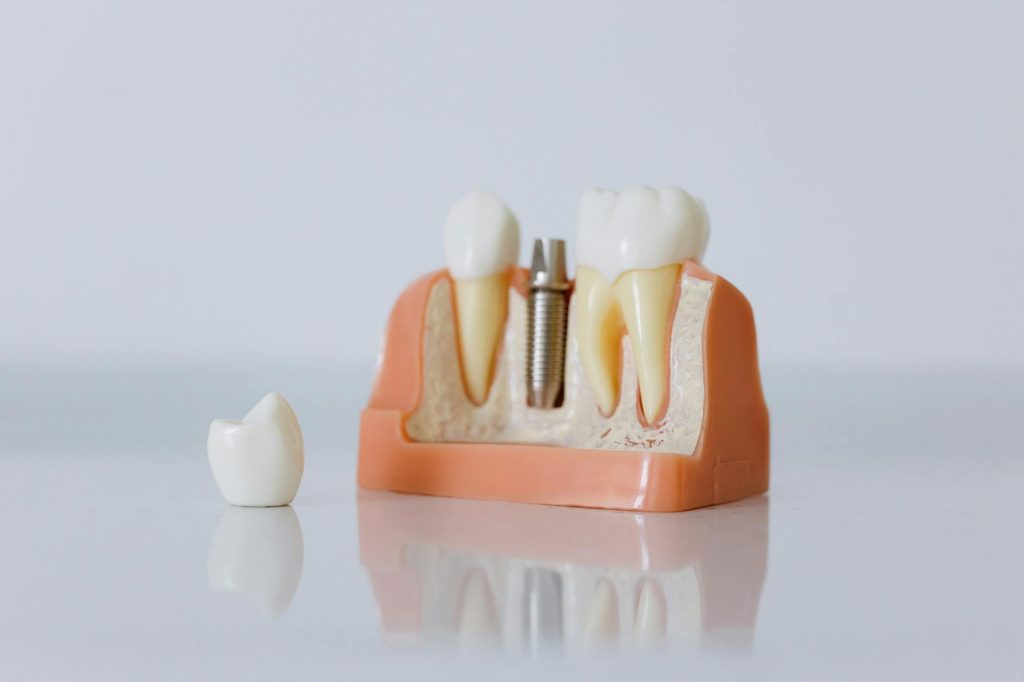
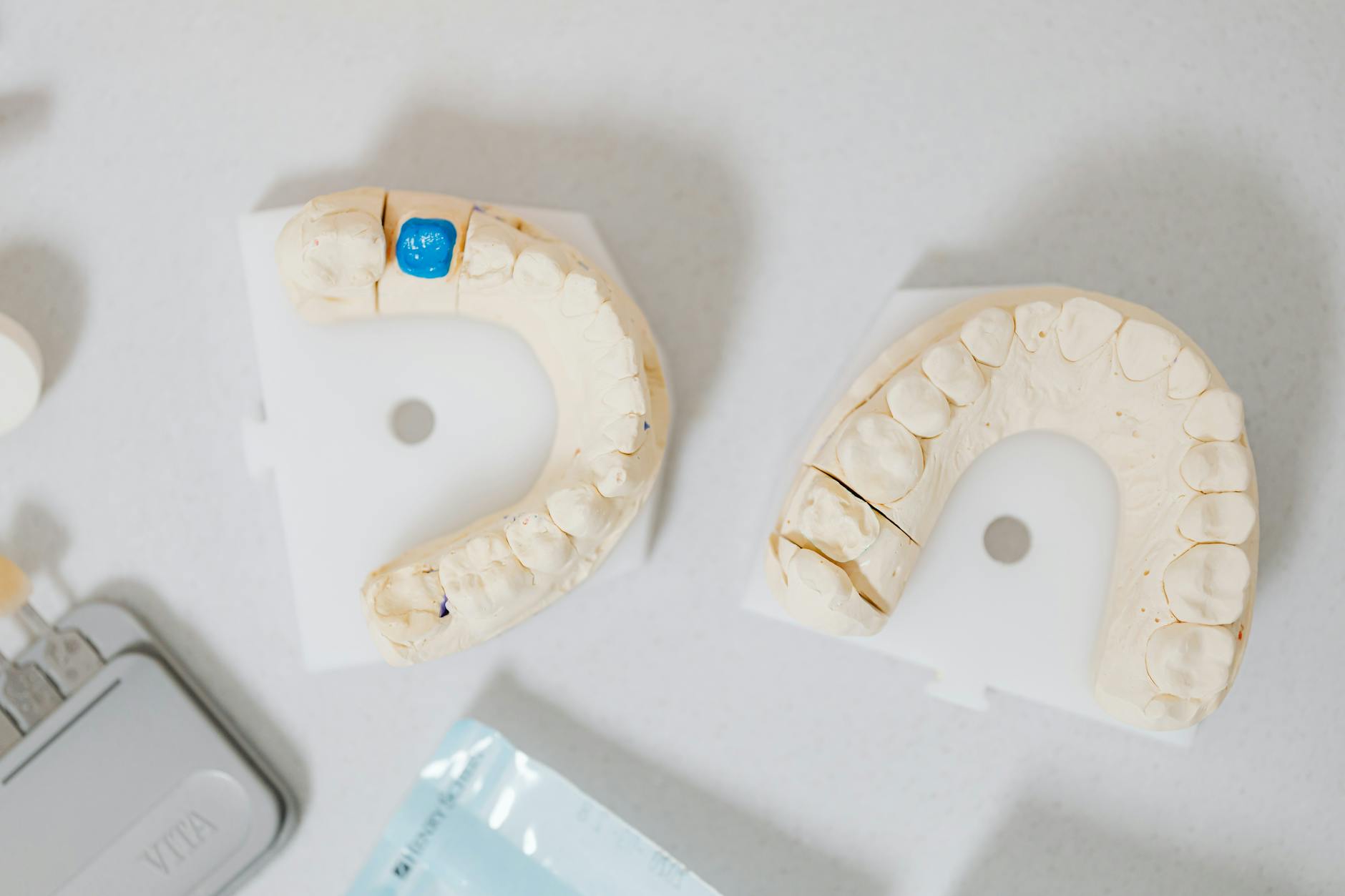
The simplest way to think about it is coverage. A dental crown covers the entire visible part of the tooth above the gumline. An onlay covers only the damaged portion, usually one or more cusps of the tooth, while preserving more of the natural enamel.
That difference affects almost everything else – how much tooth needs to be reshaped, how conservative the treatment is, and when one option is clearly better than the other. Crowns are often chosen when a tooth is heavily weakened, has a large fracture, or has had root canal treatment. Onlays are often the better fit when damage is significant but not so extensive that the whole tooth needs full coverage.
Neither option is automatically better. The best results come from matching the restoration to the tooth, your bite, and your cosmetic goals.
When a crown makes more sense
A crown is usually the stronger choice when the tooth has lost a lot of structure. If a cavity was large, an old filling took up most of the tooth, or a crack runs in a way that compromises overall stability, full coverage can be the safer move.
Crowns are also common after root canal treatment, especially on back teeth. Once a tooth is no longer vital, it can become more brittle over time. A crown helps hold it together under chewing pressure.
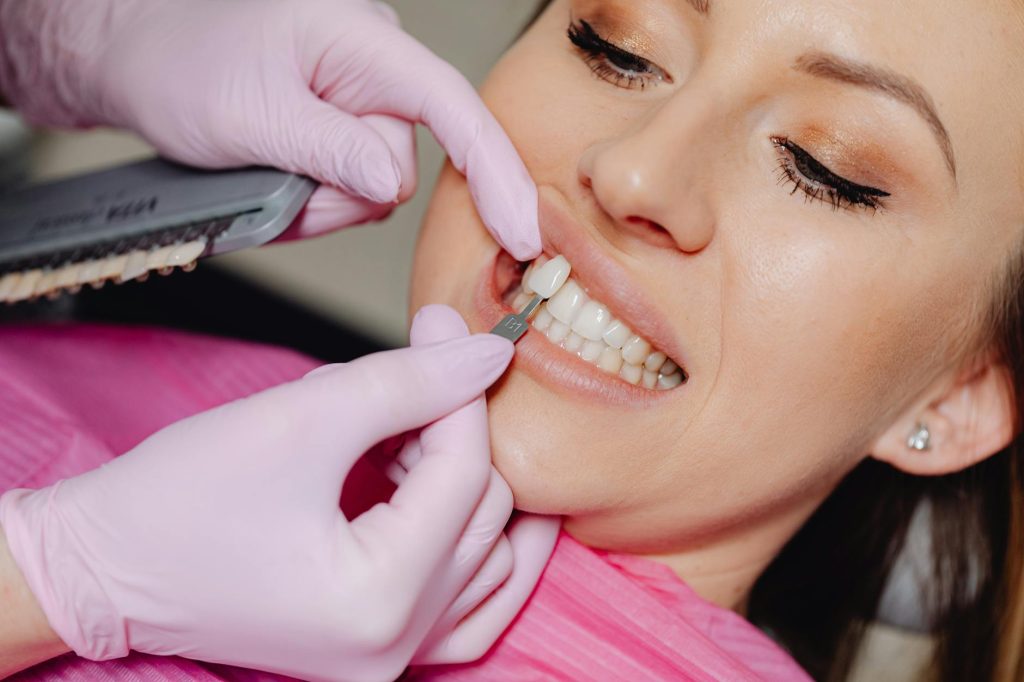
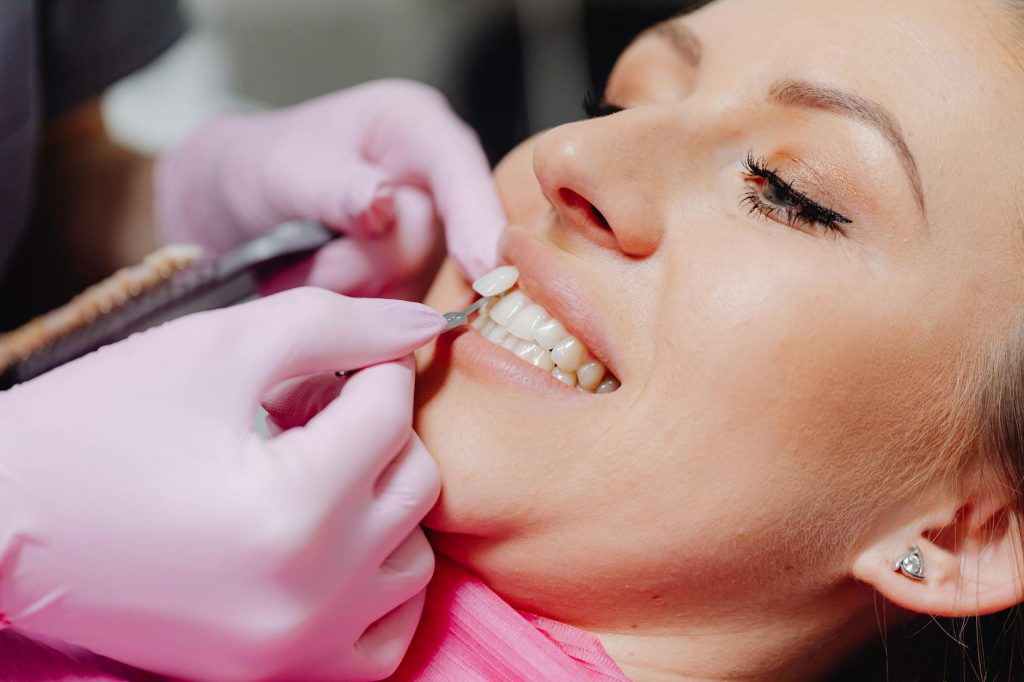
From a smile design perspective, crowns can also be helpful when shape and color need more dramatic improvement. If a tooth is badly worn, heavily stained, misshapen, or has multiple issues at once, a crown may offer more freedom to rebuild the final look. That matters for patients who want function and aesthetics handled in one treatment plan.
The trade-off is that crowns require more reduction of natural tooth structure than onlays. That is not a problem when the tooth is already heavily compromised. But if more healthy enamel can reasonably be preserved, a less invasive option may be worth considering.
When an onlay is the better choice
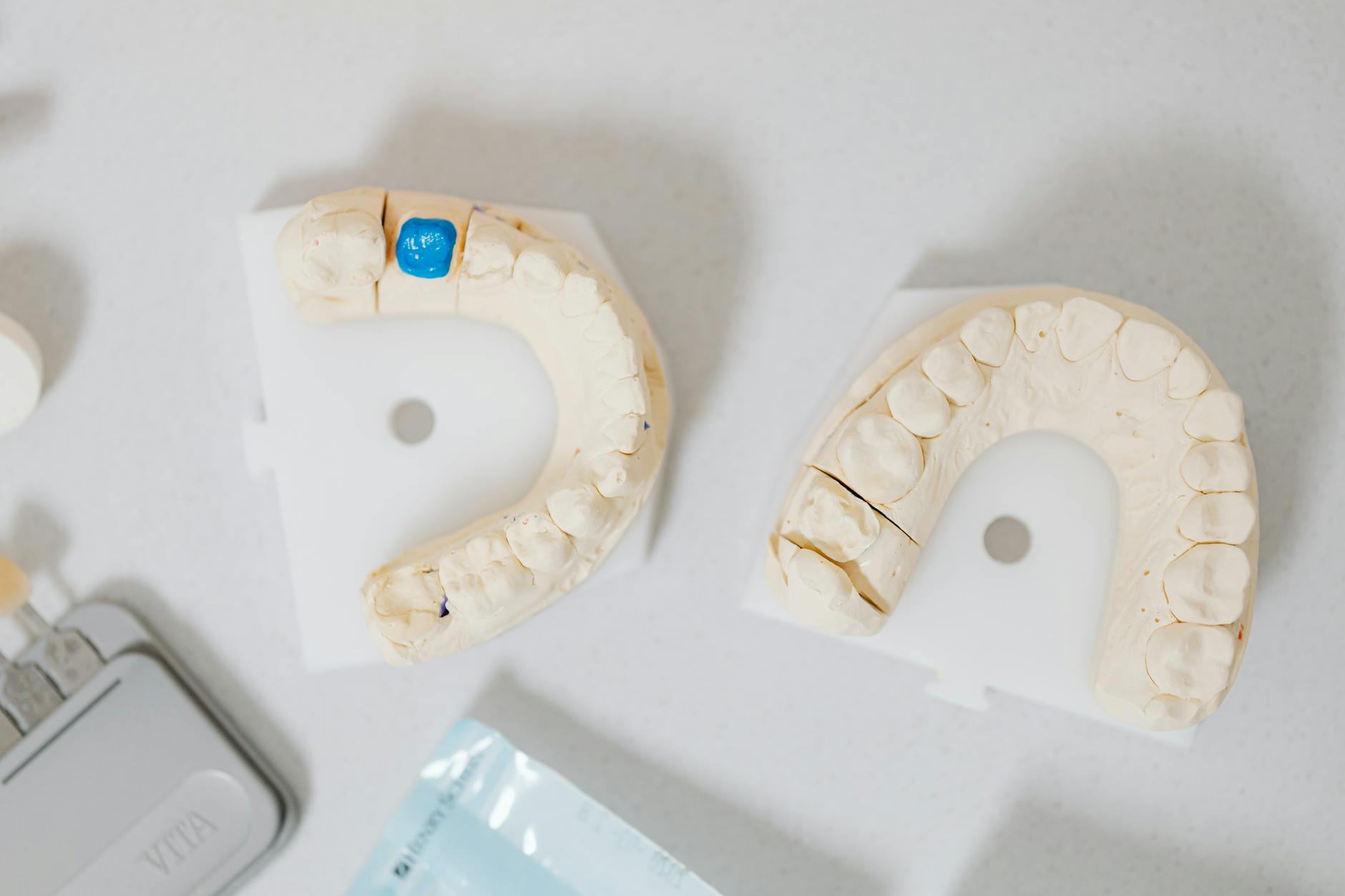
An onlay is often ideal when damage is too large for a standard filling but not severe enough to justify a full crown. It restores the weakened area while leaving untouched portions of the tooth in place.
That conservative approach is one of the biggest advantages. Preserving natural enamel can be good for long-term tooth integrity, bonding strength, and overall biomechanics. In many cases, an onlay gives you the protection you need without removing healthy structure just to fit a crown.
Onlays are especially useful for back teeth with br
oken cusps, worn chewing surfaces, or large failing fillings. They can be made from porcelain or other durable materials that blend naturally with the tooth, so they also support a clean, refined appearance.
For patients who care about aesthetics and efficiency, onlays can be a smart middle ground. You get a custom restoration that looks polished and strengthens the tooth, but with a more conservative treatment plan than full coverage.
Strength, longevity, and daily function
One of the biggest questions patients ask is simple: which one lasts longer? The honest answer is that it depends on the condition of the tooth, the quality of the material, your bite forces, and habits like clenching or grinding.
A well-made crown can last many years and performs extremely well when full protection is needed. A well-made onlay can also last a long time, especially when bonded to a tooth with strong remaining structure. In the right case, an onlay is not a weaker shortcut. It is a precise restorative choice.
Where people get into trouble is assuming the more conservative option is always better, or that the more extensive option is always stronger. If a tooth truly needs a crown, choosing an onlay may leave it vulnerable. If a tooth can be predictably restored with an onlay, cutting it down for a crown may be more treatment than necessary.
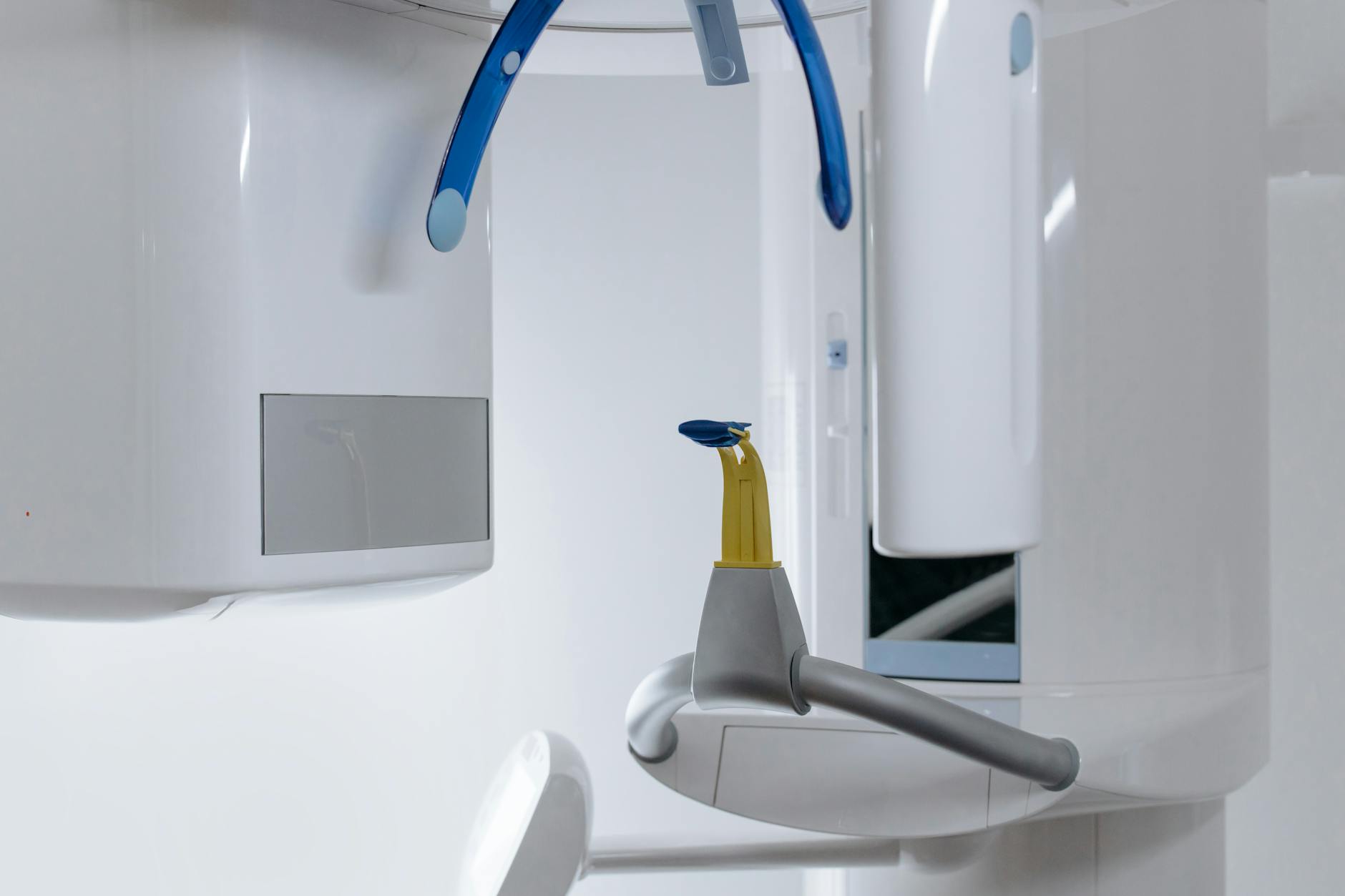
This is why advanced imaging, a bite evaluation, and careful treatment planning matter. The best restoration is the one that fits your anatomy and your lifestyle.
Aesthetics matter more than most patients expect
Back teeth may not be front-and-center in every photo, but they still affect your smile experience. A restorat
ion that feels bulky, looks flat, or does not match neighboring teeth can make a patient feel less confident than expected.
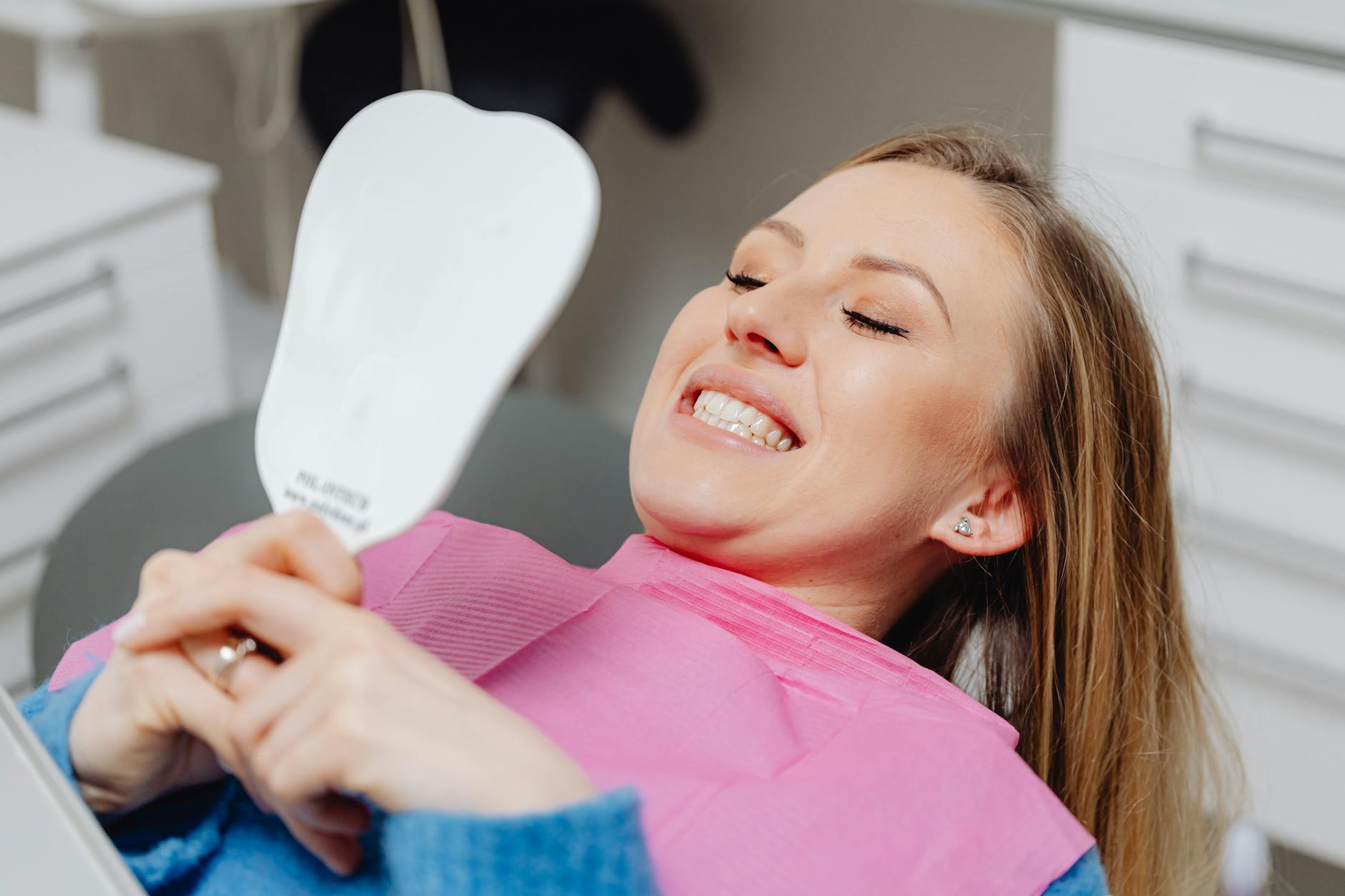
Both crowns and onlays can be highly aesthetic when designed properly. Porcelain options can be customized for color, shape, and surface texture so they blend naturally. For patients investing in cosmetic dentistry or planning a larger smile upgrade, even a single restoration should fit the overall look.
This is where a design-forward approach changes the outcome. The restoration should not only repair damage. It should support the harmony of your smile, your facial features, and your bite. If you are already thinking about whitening, veneers, or a broader smile makeover, the choice between a crown and an onlay should be made with that bigger picture in mind.
Cost and value: what patients should know
Cost is part of the decision, and patients deserve a clear answer. In many cases, an onlay may cost a little less than a crown, but that is not guaranteed. Fees vary based on material, complexity, whether build-up work is needed, and how much planning goes into the case.
The smarter question is value, not just price. If a crown gives a badly damaged tooth the best chance of long-term s
uccess, it may be the better investment. If an onlay can preserve healthy tooth structure while delivering stability and aesthetics, that may be the stronger value.
Trying to save money upfront with the wrong treatment can backfire. A restoration that fails early, feels uncomfortable, or leads to more extensive work later is rarely the bargain it first appeared to be.
How dentists decide between a dental crown vs onlay
This choice is usually based on a few clinical factors. How much healthy tooth is left matters. So does the location of the damage, whether the tooth has had root canal treatment, how forces hit the tooth when you bite, and whether cracks are present.
Your cosmetic goals also matter more than many people realize. Some patients want the most conservative restoration possible. Others want the most complete redesign of shape and appearance. Both are valid priorities, but they can lead to different recommendations.
At a comprehensive practice, the decision should feel structured, not rushed. You should know why one option is being recommended, what the final result is expected to look like, and how it fits into your long-term dental plan. At Smile Dental Center Group, that kind of planning is part of building a smile you can actually feel good about living with every day.
Questions worth asking at your consultation
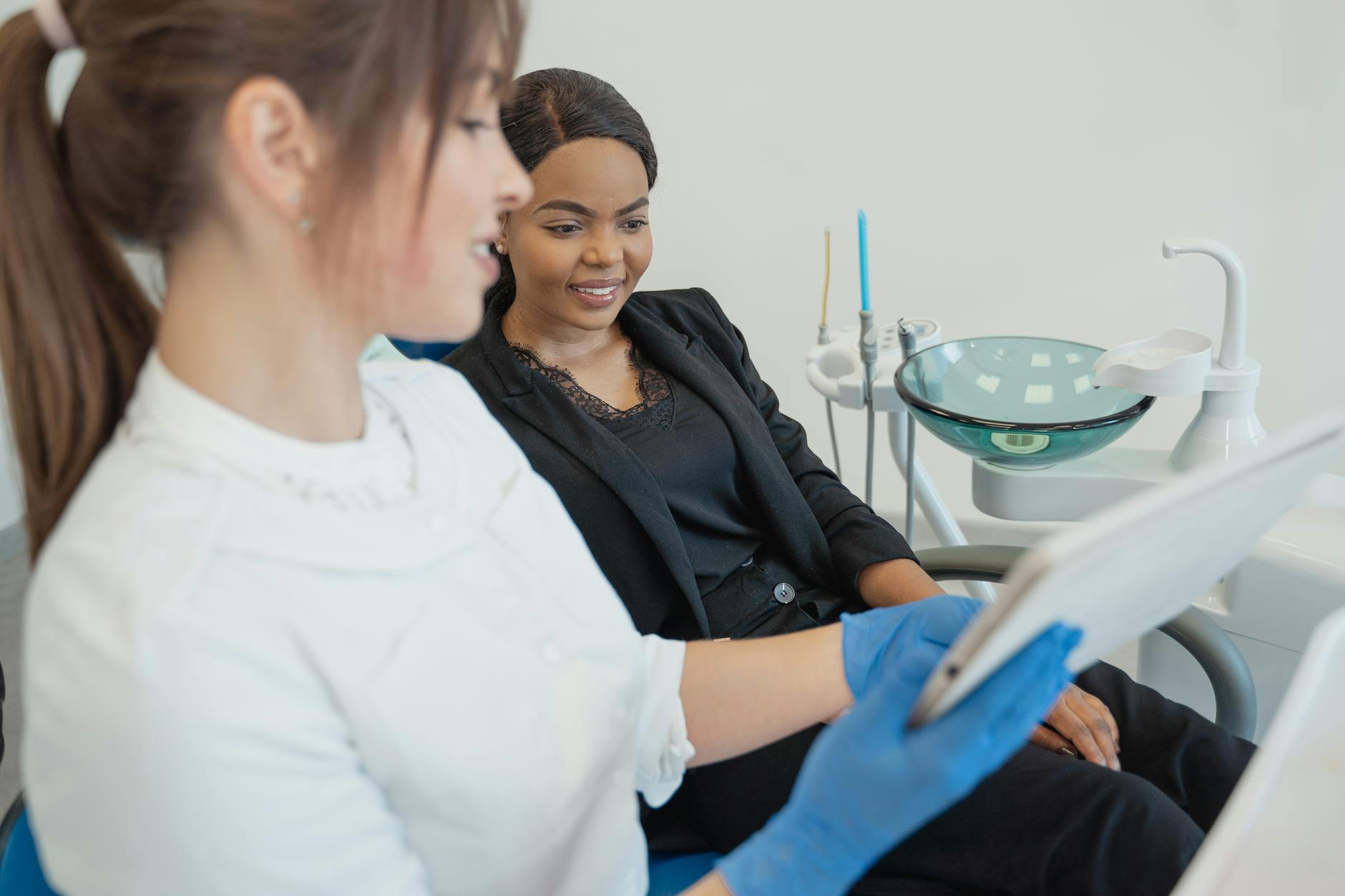
If you are choosing between a crown and an onlay, ask whether the tooth can be predictably restored more conservatively. Ask how much natural structure will be removed, what material is being used, and how the restoration will look next to surrounding teeth.
It is also worth asking about timing if you have a deadline. For patients preparing for a wedding, major event, job transition, or smile makeover, treatment sequencing matters. Your restoration should protect the tooth now while still supporting the final aesthetic result you want.
The best dentistry is not just about fixing damage. It is about making smart, confident choices that protect your oral health and support the image you want to put into the world. If you are deciding between a crown and an onlay, get a personalized evaluation and choose the option that gives your tooth – and your smile – the strongest future.