
If you wake up with a sore jaw, morning headaches, or teeth that suddenly feel more sensitive, the question usually comes fast: what is the night guard for teeth grinding cost, and is it really worth it? For most adults, the real cost is not just the guard itself. It is the damage bruxism can do to your enamel, dental work, jaw joints, and overall comfort if you wait too long.
A night guard is one of the simplest ways to protect your smile while you sleep. But pricing can vary more than people expect. Store-bought guards are cheaper up front, while professionally made guards cost more because they are designed around your bite, materials, and long-term protection goals. If you care about comfort, appearance, and keeping your teeth looking their best, those differences matter.
What affects night guard for teeth grinding cost?
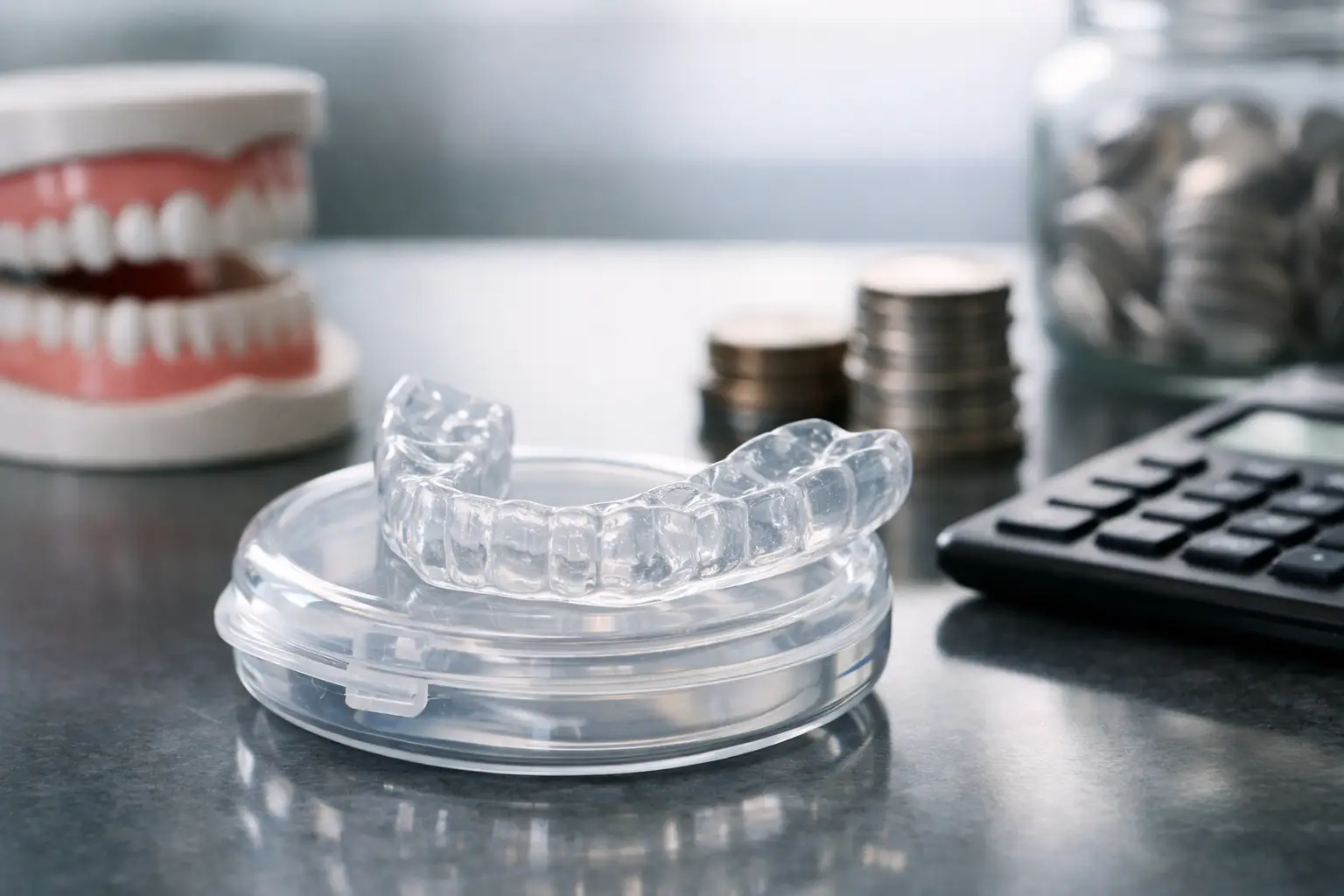
The biggest factor is whether you choose an over-the-counter night guard or a custom dental night guard. A basic store-bought guard may cost anywhere from about $20 to $100. These are mass-produced and often made with boil-and-bite material so you can soften and shape them at home. They are accessible, but they are not tailored with precision.
A custom night guard from a dental office usually ranges from about $300 to $800, though some can cost more depending on complexity, materials, and location. This higher price reflects the exam, impressions or digital scans, lab fabrication, and the fit adjustments that help the guard sit securely and protect your teeth without creating more bite issues.
Material also changes the cost. Softer guards are often used for mild grinding and may feel easier to get used to, but they can wear down faster. Hard acrylic guards generally last longer and are often recommended for heavier clenching or grinding. Dual-laminate designs combine a softer inner feel with a harder outer shell, which can be a smart middle ground for some patients.
Another cost variable is the condition of your bite and jaw. If you have severe bruxism, TMJ symptoms, uneven tooth wear, crowns, veneers, or implant restorations, your dentist may recommend a specific style of guard instead of a one-size-fits-all option. When your smile has cosmetic or restorative work, protection becomes even more important because replacing damaged dental work is usually far more expensive than protecting it in the first place.
OTC vs custom: the real cost difference
At first glance, an OTC guard seems like the easy win. You spend less now, take it home today, and hope it solves the problem. For some mild grinders, that may be enough for short-term relief. But the trade-off is fit, durability, and accuracy.
A poorly fitted guard can feel bulky, fall out during sleep, encourage chewing, or leave your bite feeling off in the morning. It may not distribute pressure well, which matters if you clench hard or have ongoing jaw tension. If you replace a cheap guard multiple times a year, the savings can start to shrink.
A custom guard costs more because it is designed for your mouth, not a general average. That usually means better comfort, better retention, and more predictable protection. If you have invested in whitening, bonding, crowns, or a smile upgrade, a custom guard is often the smarter move because it helps protect both function and appearance.
Why custom night guards cost more
There is a reason professionally made guards sit in a different price range. You are not only paying for the appliance. You are paying for diagnosis and precision.
A dentist first checks whether your symptoms are actually caused by nighttime grinding, daytime clenching, bite imbalance, stress-related muscle tension, or a mix of issues. That matters because not every sore jaw needs the same kind of appliance. From there, impressions or digital scans are taken to capture the exact shape of your teeth and bite. The guard is then fabricated to fit closely, which improves comfort and makes it more likely you will actually wear it consistently.
That process can also help catch early damage. Many patients do not realize they are grinding until they chip a tooth, flatten their enamel, or start noticing sensitivity. In image-conscious patients, wear on the front teeth can subtly change the look of the smile over time. Small changes in length, translucency, and edge shape can make teeth look older or less polished.
Does insurance cover a night guard?
Sometimes, but it depends on your dental plan. Some insurance plans may cover part of a professionally made night guard if it is considered medically necessary for bruxism. Others may not cover it at all, or they may only cover a portion after your deductible. Flexible spending accounts and health savings accounts can often help with the cost, which can make a custom guard more manageable.
If you are comparing providers, ask what is included in the fee. One office may quote only the appliance, while another includes the exam, imaging if needed, fitting, and follow-up adjustments. A lower price is not always the better value if it leaves out important parts of the process.
When a cheaper night guard can cost you more
The biggest mistake is treating grinding like a minor annoyance. Bruxism can put repeated pressure on enamel, existing dental work, and jaw muscles night after night. That can lead to cracked fillings, chipped bonding, worn edges, tooth sensitivity, gum recession, and even fractured teeth in severe cases.
If you already have cosmetic dentistry, the stakes are higher. Veneers, crowns, and other aesthetic restorations are designed for beauty and function, but they still need protection from chronic clenching forces. A damaged restoration can mean repair or replacement costs that are much higher than the price of a proper night guard.
There is also the comfort factor. If a guard is so bulky or awkward that you stop wearing it after three nights, it is not a bargain. The best night guard is the one that fits well enough to become part of your routine.
How to know which night guard is right for you
It depends on the intensity of your grinding, the condition of your teeth, and what you are trying to protect. If your symptoms are mild and you only occasionally wake up with tension, an OTC guard may be a temporary starting point. But if you have regular headaches, visible tooth wear, popping or soreness in the jaw, or existing dental work, a custom evaluation is usually the better path.
For patients focused on maintaining a polished smile, this is not a small detail. Teeth grinding can quietly undo the sharp, balanced look people want from cosmetic dentistry. Protecting your smile is part of preserving your investment and your confidence.
A dental exam can also reveal whether the issue is strictly nighttime grinding or part of a broader bite problem. In some cases, adjusting the way the guard is designed can make a major difference in comfort and performance. That is hard to achieve with a generic product off the shelf.
What to ask before you buy
Ask whether the guard is soft, hard, or dual-laminate, and why that material is being recommended for your case. Ask how long it typically lasts, whether follow-up adjustments are included, and what happens if the fit feels off after delivery. If you have veneers, crowns, implants, or a history of jaw pain, bring that up early.
It is also smart to ask what your grinding may already be affecting. A quality consultation should go beyond selling an appliance. It should show you where wear is happening, what risks are developing, and how to protect the shape, strength, and appearance of your smile over time.
If you want a more personalized answer on night guard pricing and fit, Smile Dental Center Group can evaluate your bite, your symptoms, and the level of protection your smile really needs. For many patients, that clarity is what turns a confusing price question into a smart long-term decision.
The right night guard should do more than sit in your mouth at night. It should help you wake up more comfortable, protect the smile you have worked for, and keep small grinding habits from turning into expensive damage.