
If you want an implant that feels secure, looks natural, and supports your smile for years, the planning stage matters just as much as the procedure itself. That is where 3d ct scan dental implant planning changes everything. Instead of relying on flat images alone, your doctor can evaluate bone, nerve pathways, sinus position, and implant angles in three dimensions before treatment even begins.
For patients focused on both function and appearance, that kind of precision is a big deal. An implant is not just about replacing a missing tooth. It is about restoring confidence when you speak, smile, laugh, and show up in photos. Better planning helps create a stronger foundation for a better-looking final result.
What 3D CT scan dental implant planning actually does
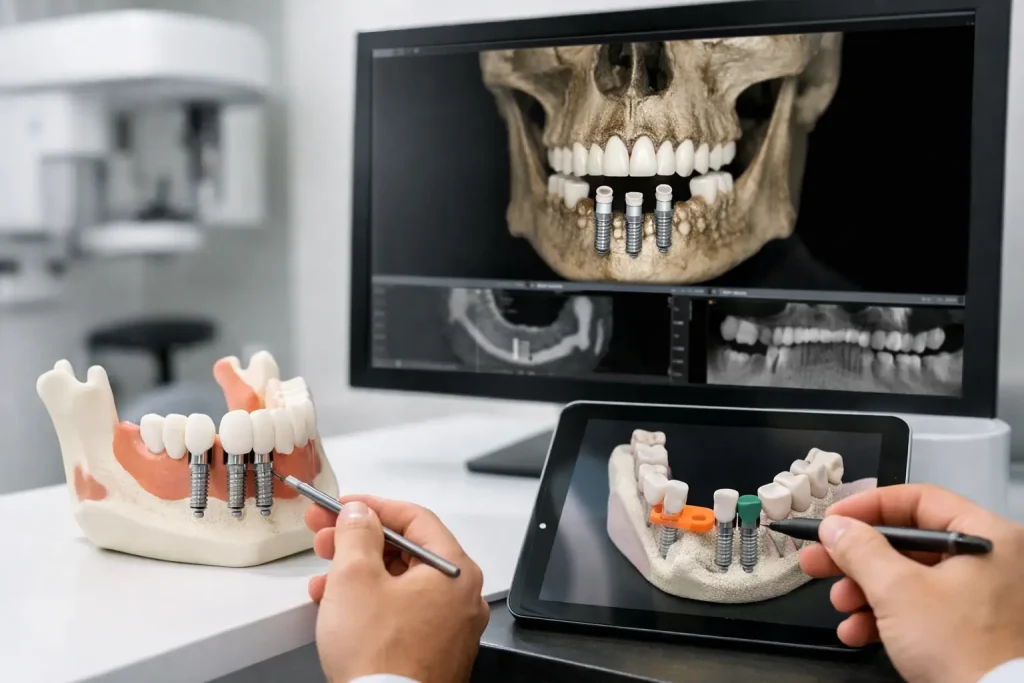
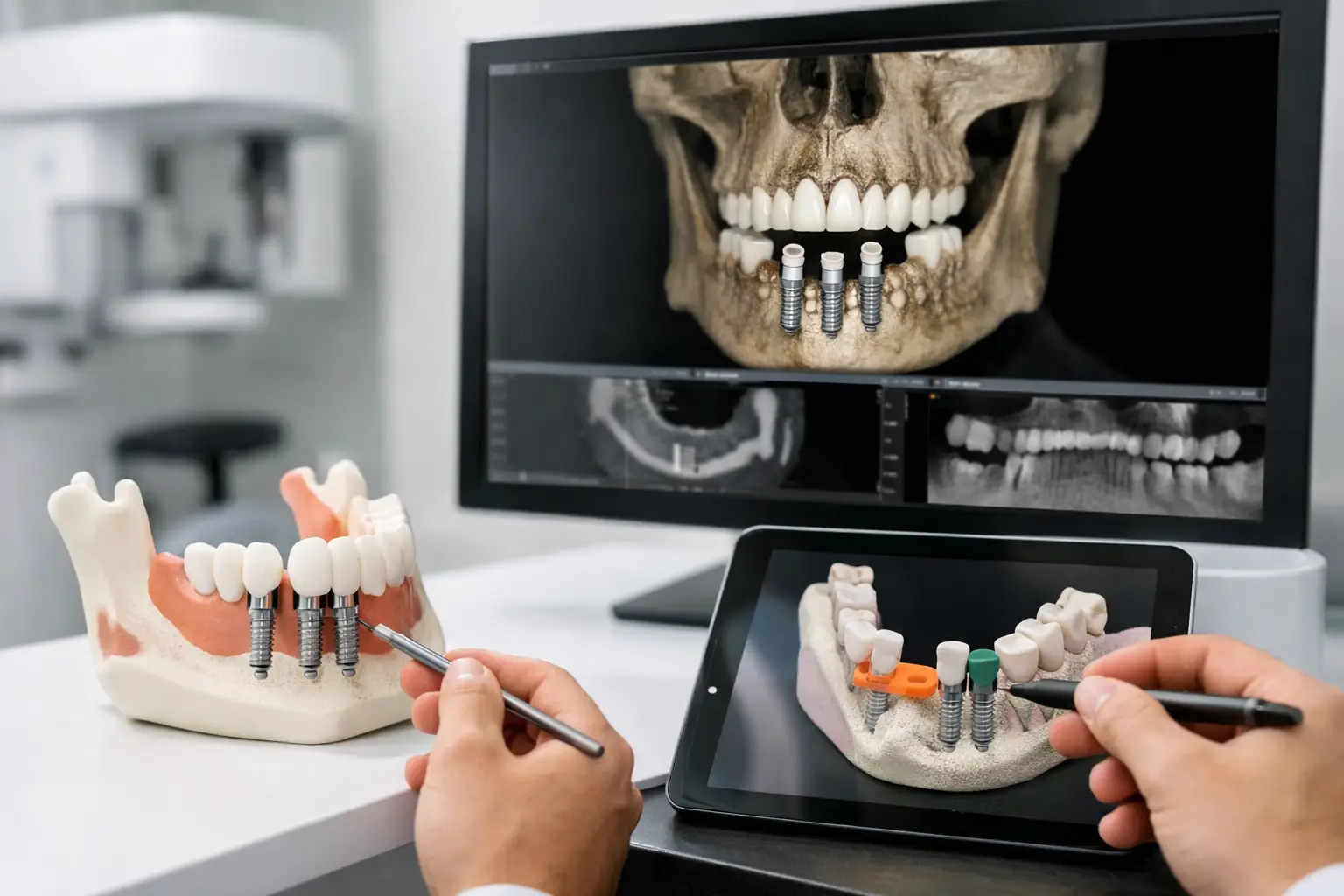
A 3D CT scan, often called a CBCT scan in dentistry, creates a detailed digital view of your teeth, jawbone, soft tissue relationships, and anatomical structures. In implant planning, that image helps your dentist or oral surgeon decide exactly where an implant should go, how deep it should be placed, and what size implant will work best.
This matters because the jaw is not one uniform block of bone. Bone density changes from one area to another. The sinus may sit close to the upper back teeth. Important nerves run through the lower jaw. A site that looks simple on a basic X-ray can turn out to be more complex once viewed in 3D.
That extra detail supports smarter decisions before surgery, not during it. It reduces guesswork and makes the treatment plan more personalized to your anatomy.
Why 3D CT scan dental implant planning matters for esthetics
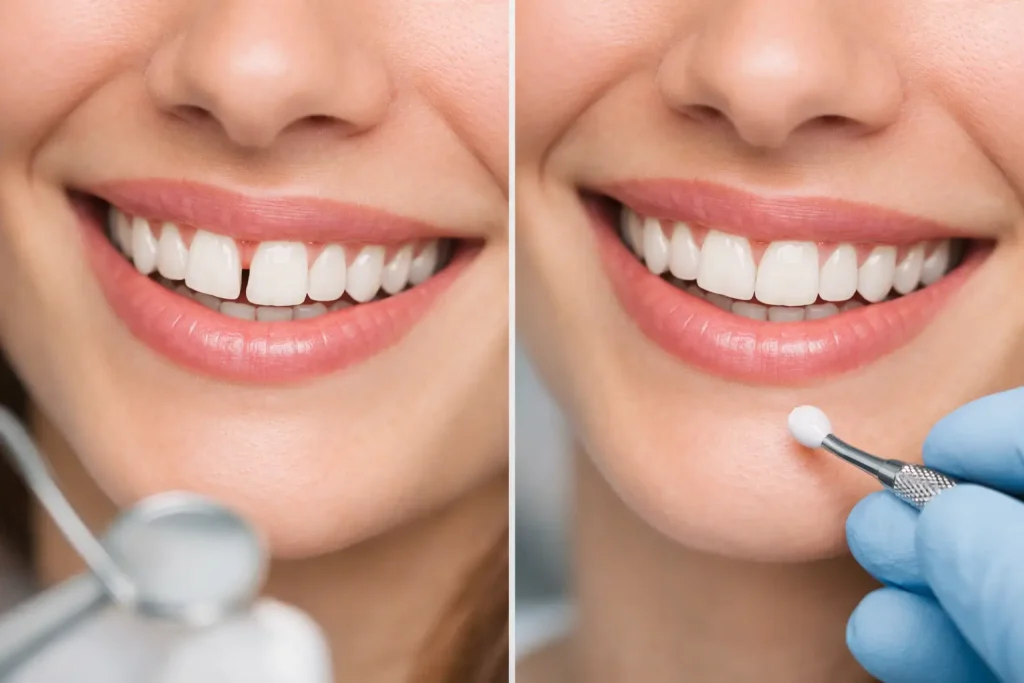
Implants have to work well, but for many patients, they also need to look exceptional. That is especially true for front teeth, visible smile zones, and full smile makeover cases. The position of an implant affects the way the final crown emerges through the gumline, how the tissue frames the tooth, and how naturally the restoration blends with the rest of your smile.
When planning is done in 3D, your doctor can think beyond simply filling a space. They can plan around the final smile design. That includes tooth position, gum symmetry, bite relationship, and facial balance. In some cases, a slightly different implant angle or location can make a major difference in the cosmetic outcome.
This is one reason advanced implant planning fits so well in a cosmetic-driven practice. It supports the kind of detail that patients notice when they want the perfect smile, not just a functional replacement.
What your dentist evaluates on the scan
During 3D CT scan dental implant planning, your provider is studying several factors at once. Bone height and width are key because the implant needs enough support. Bone density matters too, since denser bone may provide better initial stability.
Your dentist also checks the exact location of the inferior alveolar nerve in the lower jaw and the sinus cavity in the upper jaw. Those structures affect how much room is available and whether added procedures like bone grafting or a sinus lift may be recommended.
They also look at spacing between adjacent teeth, bite forces, gum tissue levels, and the angle needed for a crown that looks natural and functions correctly. In full-arch treatment, the scan becomes even more valuable because multiple implants must work together as a system, not as isolated fixtures.
When a scan can change the treatment plan
Sometimes the biggest benefit of a 3D scan is not confirming a plan. It is catching a problem early enough to improve it. A patient may assume they are ready for an implant right after an extraction, only to learn that bone loss makes grafting the better first step. Another patient may need a narrower implant than expected. In upper molar areas, limited bone under the sinus may shift the plan toward sinus augmentation or a different implant position.
That is not bad news. It is useful news. Finding those details before treatment helps avoid surprises and gives you a clearer roadmap.
It also helps set realistic expectations on timing. Some implant cases can move quickly. Others need staged care for the best long-term result. When you know that upfront, the process feels more organized and more predictable.
The role of guided surgery
One major advantage of 3D planning is that it can support guided implant surgery. In guided cases, the digital plan may be used to create a surgical guide that helps transfer the planned implant position to the mouth with a high level of accuracy.
This can be especially helpful in esthetic zones, limited-space cases, and full-arch procedures such as All-on-X treatment. It does not mean every patient needs a guide, and it does not replace surgical skill. But in the right case, guided placement can improve consistency and help the procedure follow the planned blueprint more closely.
The trade-off is that guided treatment may involve added digital steps and, in some offices, added cost. Whether it is worth it depends on case complexity, anatomy, and treatment goals.
Is radiation a concern?
Patients often ask about radiation exposure, and it is a fair question. A dental 3D CT scan does use more radiation than a single small X-ray, but the amount varies by machine, field of view, and settings. When the scan is prescribed appropriately, the diagnostic value can far outweigh the risk, especially for implant surgery where anatomy must be mapped accurately.
A focused scan for one area is different from broader imaging for full-arch work. Your provider should order the smallest scan that still gives the information needed for safe and effective treatment. Good imaging is not about taking more images than necessary. It is about getting the right image for the right reason.
Why this matters in full-arch and complex cases
In single-tooth implant treatment, precision matters. In full-arch treatment, it becomes critical. Patients considering implant-supported bridges or All-on-X are often dealing with bone loss, failing teeth, old dental work, or advanced wear. These cases combine surgical planning, restorative design, and facial esthetics.
A 3D scan helps your doctor assess available bone, identify anchor points for implants, and plan how the final prosthetic will support your bite and appearance. It can also help determine whether extractions, grafting, or staged treatment are needed first.
That level of planning is one reason comprehensive practices can offer a smoother experience. When imaging, surgery, restorative care, and smile design are coordinated under one roof, treatment tends to feel more connected from first consultation to final reveal.
What to expect at your consultation
The scan itself is quick. You typically stand or sit still for a short rotation while the machine captures the image. After that, your provider reviews the scan and explains what they see.
This is where the conversation gets practical. You may learn whether you are a candidate for immediate implant placement, whether grafting is recommended, how long treatment may take, and what kind of final restoration fits your goals. If your priorities include esthetics, ask how implant placement affects the shape of the gums, the appearance of the final tooth, and the overall balance of your smile.
That discussion should feel personalized, not generic. The best treatment plan is not just based on missing teeth. It is based on your bone, your facial features, your bite, and the result you want to live with every day.
Choosing a provider who plans for the final smile
Not every implant consultation is built the same way. If you care about appearance as much as function, look for a team that thinks beyond placing hardware in bone. The ideal provider plans with the final restoration in mind from the beginning.
That means evaluating how the implant supports the crown, how the crown fits your smile line, and how the gum tissue will frame the result. It also means being honest about trade-offs. Some patients are ideal candidates for straightforward implant placement. Others may need grafting or a phased plan to achieve the best result.
At Smile Dental Center Group, advanced imaging is part of creating treatment that is precise, confident, and smile-focused. Whether you are replacing one tooth or considering a full-arch transformation, strong planning gives you a stronger path forward.
The right implant starts long before surgery. When your treatment begins with a clear 3D view of your anatomy and a plan built around your final smile, you are not just filling a gap. You are building something that looks better, feels better, and lets you smile with confidence.