
Some smiles look good in a close-up but feel off in real life. The teeth may be too bright for the face, too square for the lips, or too long for the way someone speaks and smiles. That is exactly why people ask how smile design works. It is not about making every smile look the same. It is about building a smile that fits your face, your goals, and the way you want to show up in the world.
For patients who want a visible upgrade, smile design is one of the most customized paths in cosmetic dentistry. It combines aesthetics, dental function, and planning. Instead of choosing veneers or whitening in isolation, the dentist looks at the full picture – tooth size, color, shape, gum line, bite, facial proportions, and even how much tooth shows when you talk or laugh.
How smile design works step by step
The process usually starts with a consultation, but not a generic one. This is where your goals matter as much as your dental condition. Some patients want a red-carpet white smile for photos and public-facing work. Others want a polished, natural result that simply makes them look healthier and more confident. Those are two different design directions, and the planning should reflect that.
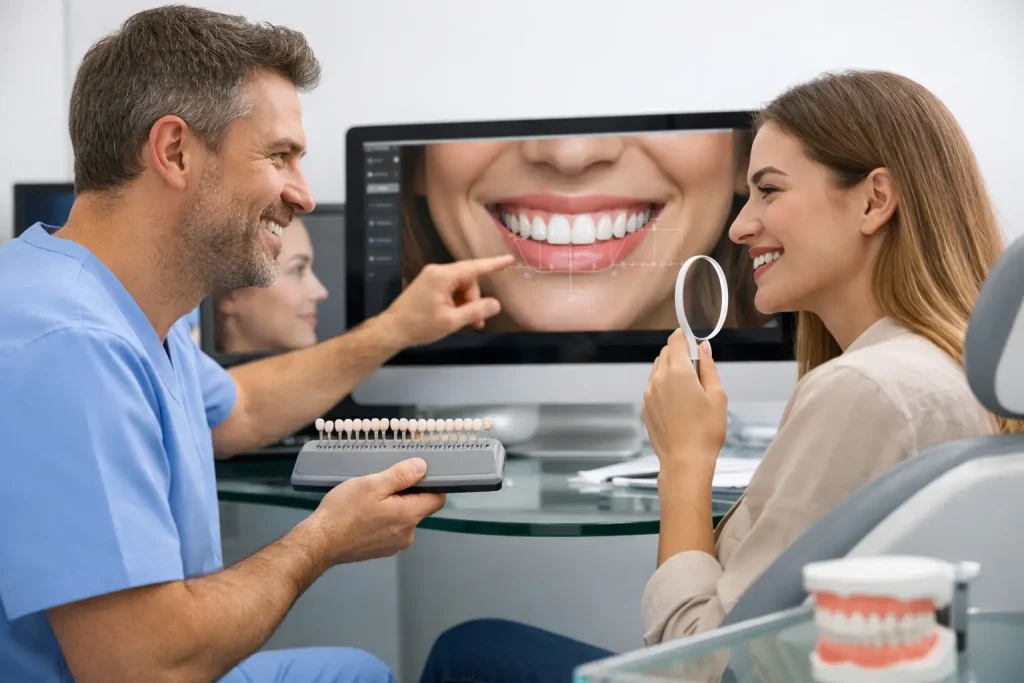
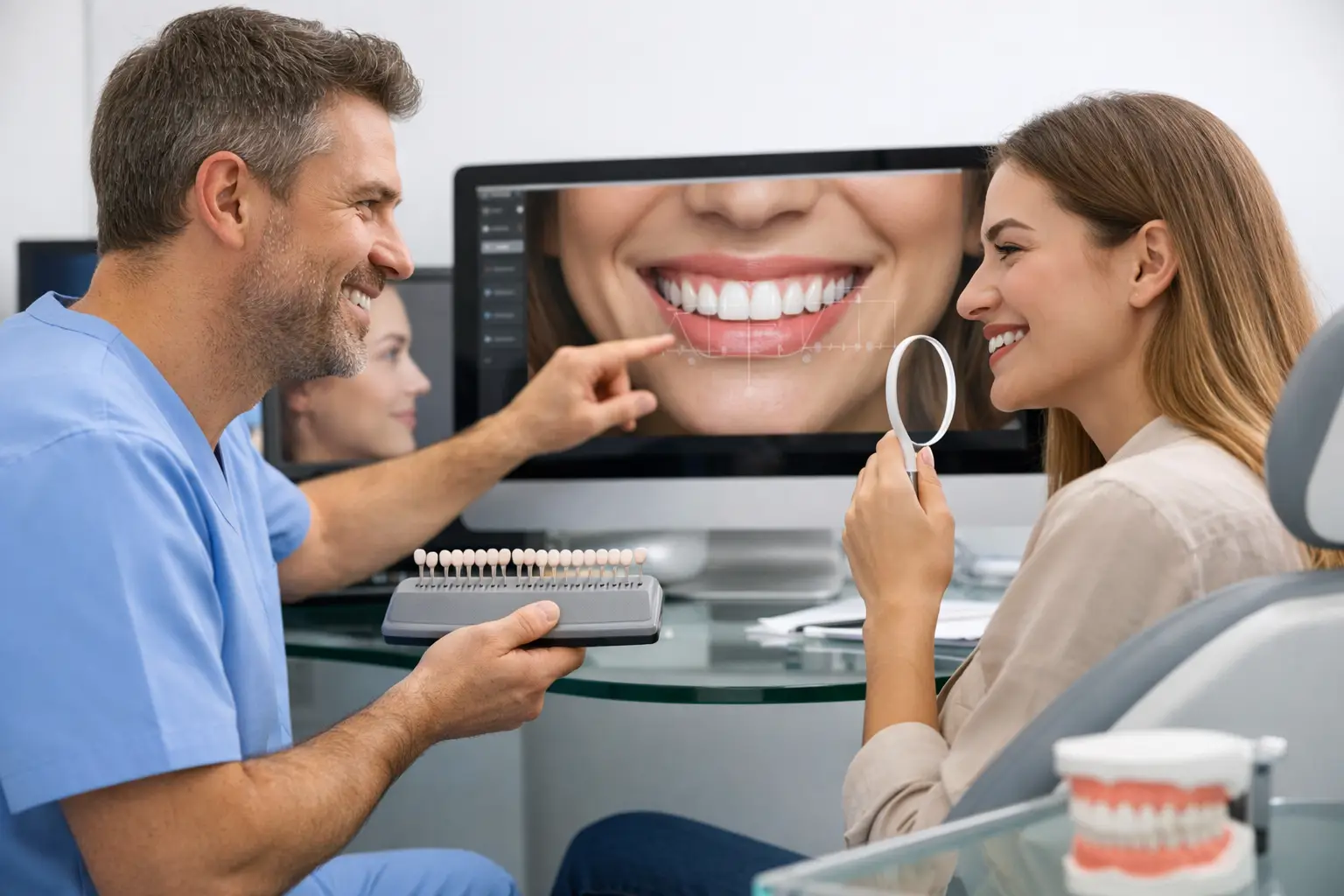
At the first visit, the dentist evaluates your teeth, gums, bite, and facial features. Photos are often part of the process because static dental records do not tell the whole story. A smile has to work with your lips, profile, and expressions. Digital imaging, X-rays, and in some cases 3D scans help reveal what can be improved cosmetically and what needs to be stabilized first.
That first phase also helps uncover limits. If a patient has untreated decay, gum inflammation, worn enamel, or bite problems, jumping straight into veneers may not lead to the best result. Smile design can include cosmetic treatments, but it often begins with foundational care so the final work lasts and feels comfortable.
What the dentist is actually designing
A true smile design is not one decision. It is a series of decisions that work together.
Tooth shape and size
This has a major effect on how youthful, soft, bold, or refined a smile appears. Longer teeth can create a more dramatic look. Rounded edges can feel softer and more natural. Squarer shapes can look stronger and more structured. The right choice depends on facial shape, lip line, and personal style.
Tooth color
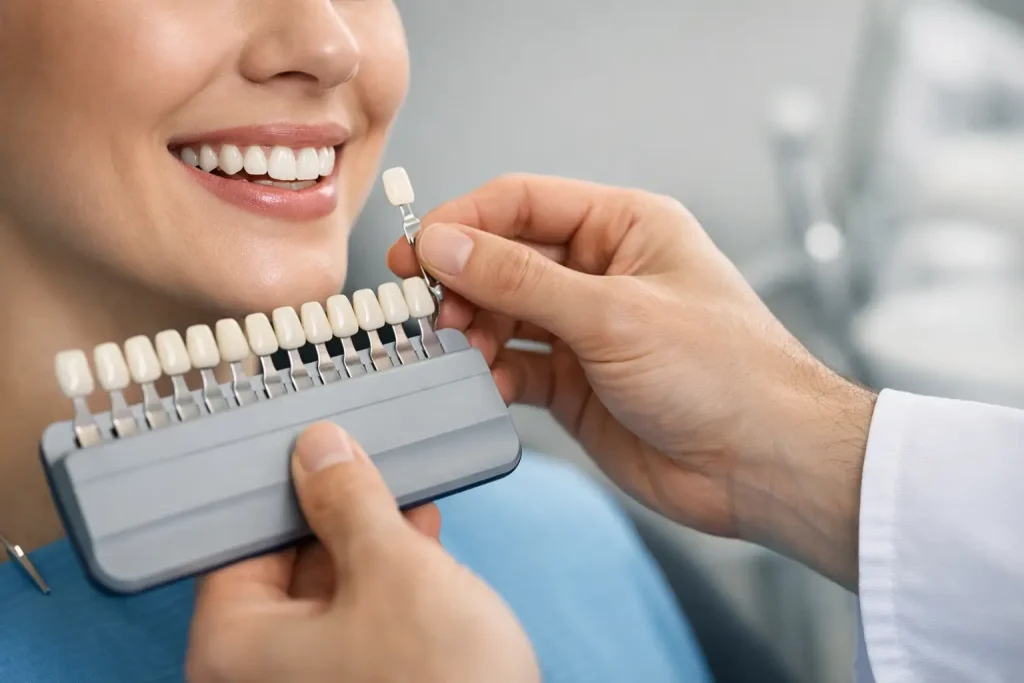
Whiter is not always better. A bright white shade can look stunning on the right patient, but if it clashes with skin tone, eye color, or facial warmth, it may look artificial. Smile design focuses on the right white, not just the whitest option available.
Alignment and spacing
Minor crowding, uneven edges, and small gaps can often be corrected within a smile design plan, especially with veneers or bonding. But there is a trade-off. If teeth are significantly misaligned, orthodontic treatment may create a more conservative and stable result than trying to mask everything restoratively.
Gum aesthetics
Sometimes the teeth are not the problem. An uneven gum line, excess gum display, or dark gum pigmentation can distract from an otherwise healthy smile. In those cases, gingivoplasty or gum lightening may be part of the design plan. Small gum changes can make a big visual difference.
Bite and function
This part matters more than many patients expect. A smile can look perfect in photos and still fail if the bite is unstable. If restorations are too bulky, too thin, or placed without respecting how the teeth come together, chipping, discomfort, and uneven wear can follow. Great smile design balances appearance with durability.
The treatments that may be included
Smile design is not a single procedure. It is a treatment plan that may involve one service or a combination of several.
Porcelain veneers are one of the most popular options because they can change color, shape, length, and symmetry with a highly polished finish. They are often chosen by patients who want a major transformation and long-term stain resistance.
Composite veneers can also play a strong role, especially when speed, lower upfront cost, or a more conservative approach matters. They can produce beautiful results, though they generally require more maintenance over time than porcelain.
Whitening may be used on its own or before restorative work to brighten the natural teeth and help the final shade selection make sense. Crowns, onlays, or bridges may be part of the plan if damaged or missing teeth affect the look of the smile. In more complex cases, implants can be essential to creating a complete, balanced result.
That is one reason patients often prefer a full-service dental practice for smile design. If cosmetic goals depend on treating underlying issues first, having access to imaging, general dentistry, and surgical care in one place makes the process more efficient and predictable.
Digital previews and mock-ups
One of the biggest reasons smile design feels more reassuring than traditional cosmetic treatment is the planning visibility. Patients often want to know what they are saying yes to before treatment starts, especially when veneers or larger restorations are involved.
Digital smile planning can help map proportions, tooth display, and general aesthetics. In some cases, mock-ups or temporary versions are used so the patient can test the feel and appearance before final work is completed. This is valuable because what looks ideal on a screen may need adjustment in real life.
The preview stage is also where communication matters. If a patient says, “I want perfect,” the dentist has to translate what that means. Do they want ultra-bright and glamorous? Natural and understated? Symmetrical but not obviously done? Smile design works best when expectations are specific.
Who is a strong candidate
Adults who feel self-conscious about chipped, stained, worn, uneven, or disproportionate teeth are often strong candidates. It can also be ideal for patients getting ready for a wedding, career move, branding shoot, or any moment where appearance and confidence matter.
That said, not everyone should start with veneers. If the main issue is orthodontic, gum-related, or caused by grinding, the smartest treatment plan may begin elsewhere. A confident result is not just about speed. It is about choosing the approach that protects the investment.
Patients who want fast visible change often do well with smile design because the process is structured. Photos, scans, diagnosis, and cosmetic planning create a roadmap. For consult-ready patients, even a photo-based initial evaluation can help identify whether the likely path involves whitening, veneers, gum work, restorative care, or a combination.
How long the process takes
This depends on the complexity of the case. A simple design involving whitening and edge bonding may move quickly. Veneer cases usually require planning, preparation, temporaries, and final placement over multiple visits. If gum contouring, restorative treatment, implants, or bite correction are involved, the timeline becomes longer.
Speed matters to many patients, especially before major events, but rushing a cosmetic case can backfire. The right timeline allows for diagnosis, precise planning, and final adjustments that improve both appearance and comfort.
What makes the result look natural
Natural does not mean plain. It means the smile fits.
The best smile design cases respect facial proportions and avoid a one-size-fits-all template. The central teeth should not overpower the face. The shade should suit the patient. The gum line should feel balanced. The smile should look good when the patient is relaxed, speaking, and laughing – not just when posed.
This is where experience matters. A cosmetic result has to be attractive up close, on camera, and in everyday conversation. It should improve the smile without making the person look like someone else.
Why planning matters as much as treatment
Anyone can ask for white, straight teeth. The real value is in knowing how to get there the right way.
Smile Dental Center Group approaches smile design as both an aesthetic and clinical process, which is exactly what high-impact cases require. Strong results come from matching cosmetic vision with diagnostics, materials, and long-term function. That is how a smile goes from looking better to feeling like a real upgrade in confidence.
If you are considering cosmetic dentistry, the smartest first move is not picking a treatment off a menu. It is finding out what your smile needs to look balanced, natural, and unmistakably yours. The right design does more than change teeth – it changes how confidently you walk into the room.