
If you’ve been told you need a graft before an implant, your first question is usually not about the procedure – it’s about the timeline. The bone graft dental implant healing stages matter because they shape when you can move forward, how your smile will look, and how confidently your implant will hold up long term.
For many patients, a bone graft is the step that turns “maybe” into “yes” for dental implants. It rebuilds the support your future tooth needs, especially after an extraction, bone loss, gum disease, or long-term tooth absence. And while healing is not instant, it is highly predictable when the plan is tailored well and monitored closely.
Why bone graft healing matters before an implant
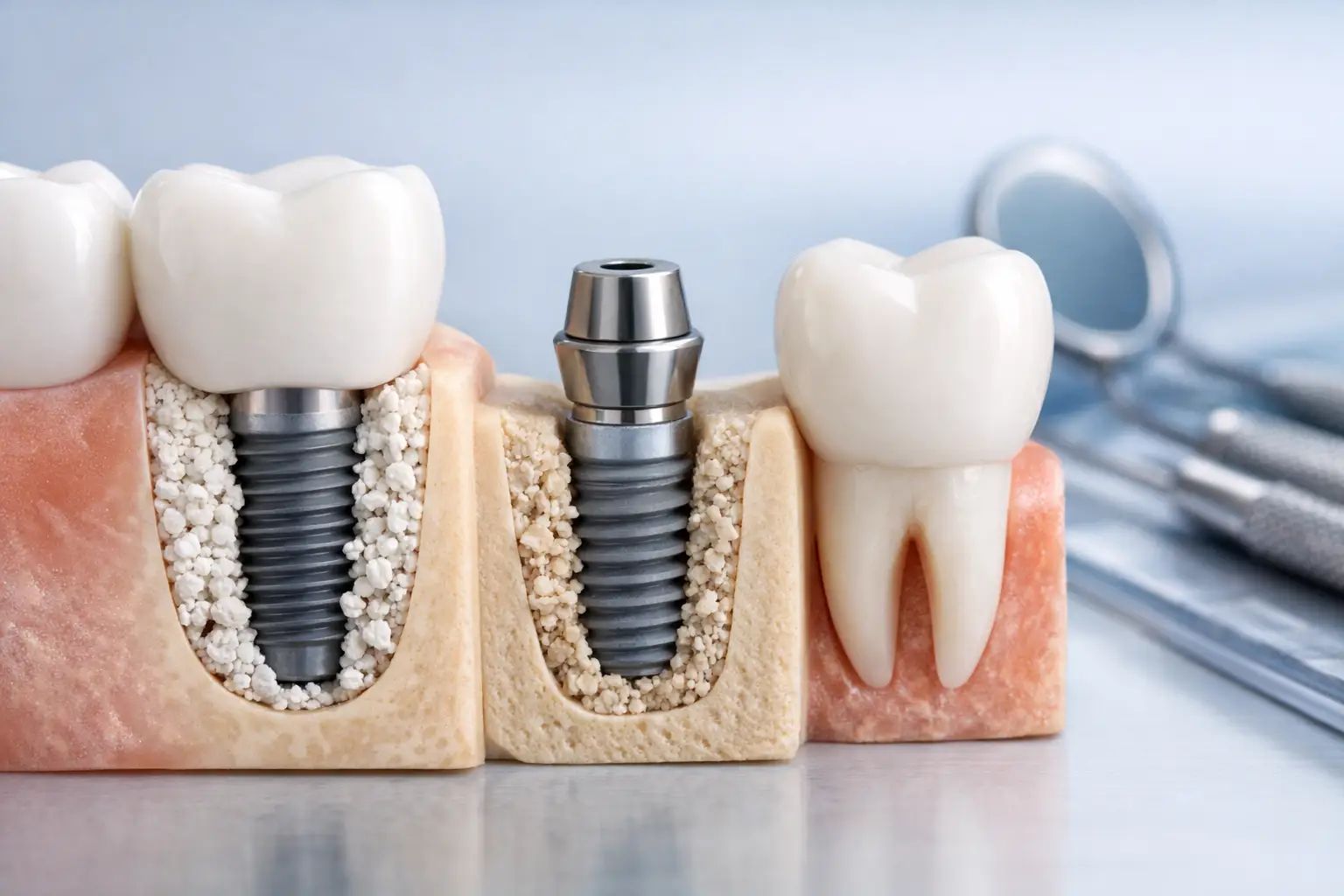
A dental implant needs healthy bone for stability. If the jawbone is too thin, too soft, or has shrunk over time, placing an implant too early can compromise both function and appearance. That is why grafting is often part of a design-forward treatment plan, not a setback.
When healing goes as expected, the grafted area gradually becomes part of your own bone. That process is what gives the implant a stronger foundation and helps create the best result for your bite, gum line, and smile symmetry. In visible areas, this matters even more because support under the gums affects the final cosmetic outcome.
Bone graft dental implant healing stages explained
Healing does not happen in one clean step. It moves through phases, and each phase has a different purpose.
Stage 1 – The first 24 to 72 hours
Right after surgery, your body focuses on protection. A blood clot forms in the area, and that clot is essential. It shields the site and starts the healing cascade. During this period, mild bleeding, swelling, soreness, and a tight feeling in the jaw are common.
This is also when patients are most likely to worry that something is wrong, even when healing is on track. Some facial swelling, tenderness while chewing, and limited jaw opening can all be normal. The goal here is simple – protect the site, avoid disturbing the clot, and keep inflammation controlled.
Stage 2 – Early soft tissue healing in days 3 to 14
Over the next one to two weeks, the gum tissue begins closing over and around the grafted area. Swelling usually peaks around day two or three, then improves. Bruising can appear in some patients, especially after larger grafts or sinus lift procedures.
This stage often feels better before it is fully healed. In other words, pain may decrease well before the area is actually strong. That is why your surgeon may still recommend a soft diet, gentle oral hygiene, and avoiding pressure on the site even if you feel mostly normal.
Sutures, if placed, may dissolve on their own or be removed at a follow-up visit. This appointment matters because the site can look fine to a patient but still need close professional evaluation.
Stage 3 – Early bone integration in weeks 2 to 6
This is where the deeper healing starts. New blood vessels develop in the grafted area, and your body begins replacing or integrating graft material with living bone. You usually cannot see this happening, but it is the most important part of the process.
For smaller socket grafts placed at the time of extraction, this phase may progress faster. For larger defects, ridge augmentation, or cases with significant bone loss, it can take longer. The key point is that the site may feel normal before the bone is ready for an implant.
Stage 4 – Bone maturation over 2 to 6 months
This is the stage most people are really asking about when they want to know when the implant can be placed. As the graft matures, the bone becomes denser and more stable. The timeline depends on the size of the graft, the material used, the location in the mouth, and your body’s healing response.
In many straightforward cases, implant placement may be possible in about three to four months. In more advanced cases, especially those involving major reconstruction or a sinus lift, six months or more may be recommended. Waiting can feel frustrating, but strategic timing often produces a stronger, more aesthetic final result.
What affects bone graft dental implant healing stages
Not every patient heals on the same schedule. That is not a red flag by itself. It simply means healing is influenced by several factors.
The size of the graft makes a difference. A small graft after a single extraction usually heals faster than a larger graft rebuilding the jaw ridge. Your overall health also matters. Smoking, uncontrolled diabetes, poor oral hygiene, and certain medications can slow healing or increase complication risk.
Location matters too. Upper jaw grafts can behave differently from lower jaw grafts because bone density is different. If a sinus lift is involved, the timeline may be extended. And if the implant is placed at the same time as the graft, your case will follow a different progression than a staged approach where implant placement comes later.
What healing should feel like
Most patients want a realistic answer, not a sugar-coated one. Here it is – healing is usually manageable, but it is not identical for everyone.
You may notice soreness for several days, swelling that improves gradually, and a sensation that the area feels “full” or different. Some people feel tiny granules in the mouth if a small amount of graft material works its way out. That can happen and does not always mean the graft has failed. Still, it should be reported so your dental team can decide whether it is expected or needs attention.
As healing continues, you should generally feel less discomfort, not more. The area may remain tender when pressed for a while, but day-to-day comfort should improve steadily.
Signs healing is going well
Good healing is usually not dramatic. It looks calm, stable, and progressively better.
Healthy signs include swelling that decreases after the first few days, manageable discomfort, gums that gradually close over the site, and no persistent bad taste or worsening odor. Follow-up imaging may later show the graft consolidating as planned, which is one of the clearest signs that the foundation for your implant is developing correctly.
Warning signs to call about
Some symptoms deserve prompt attention. These include severe or worsening pain after the first few days, heavy bleeding that does not slow, pus, fever, increasing facial swelling, or the feeling that the site suddenly opened up. A graft particle here or there may be harmless, but repeated loss of material or visible membrane exposure should be evaluated.
The goal is not to panic over every sensation. It is to know when healing has shifted from expected recovery to something your surgeon should see.
When can the implant actually be placed?
This depends on your case design. In some situations, an implant can be placed immediately with the graft, especially when enough initial stability is available. In other situations, the smarter move is to let the graft mature first and place the implant later.
That decision is based on bone volume, implant stability, bite pressure, gum aesthetics, and long-term predictability. For patients focused on appearance, this matters just as much as function. A rushed implant in a compromised site can affect tissue contours and final smile balance. A well-timed implant supports both durability and a more refined result.
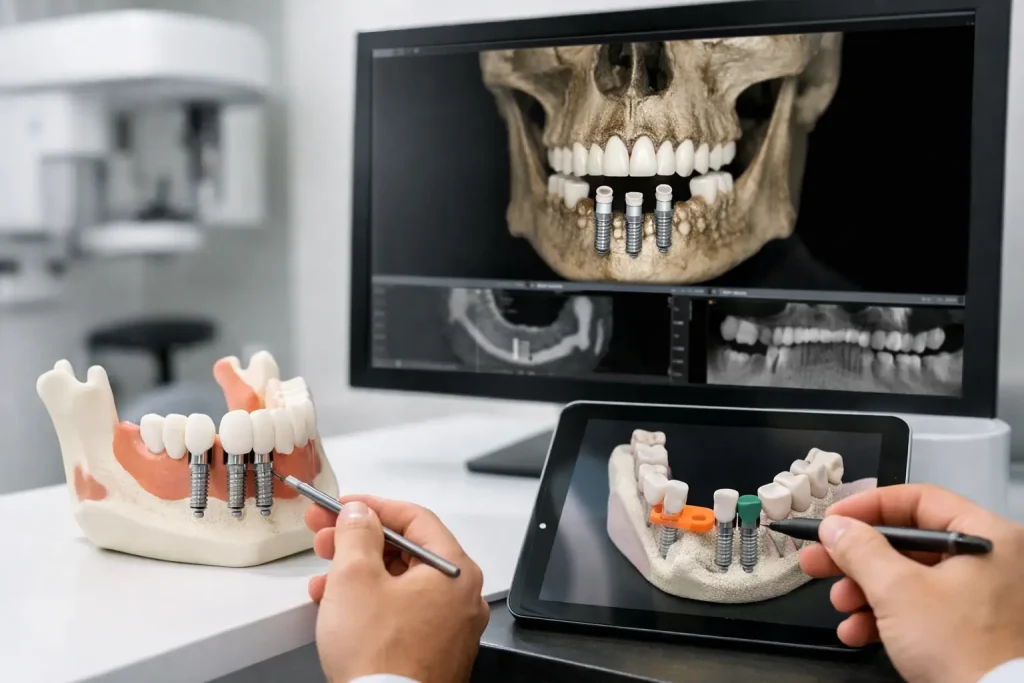
Advanced imaging, including 3D scans, helps your provider confirm when the site is ready instead of relying on guesswork. That kind of precision can make a major difference in both safety and cosmetic outcome.
How to support better healing
The basics still matter. Follow the post-op instructions closely, keep pressure off the area, take prescribed medications as directed, and avoid smoking or vaping. Stick to foods that do not traumatize the site and clean the rest of your mouth thoroughly while being gentle near the graft.
Missed follow-ups can delay progress because healing is not just about time passing. It is about checking that the bone is forming as expected. If your treatment plan is part of a larger smile upgrade, staying on schedule keeps the entire transformation moving in the right direction.
At Smile Dental Center Group, treatment planning is built around both health and appearance, so surgical steps like grafting are not treated as isolated procedures. They are part of creating a stable, confident smile that looks as good as it functions.
A bone graft is not the glamorous part of a smile transformation, but it is often the step that makes the final result possible. Give it the respect it deserves, follow the healing process carefully, and you set the stage for an implant that feels strong, looks natural, and helps you smile with confidence.