

Key Takeaways
- Yes, you can eat normally with permanent veneers—most everyday foods are completely safe
- Hard foods (ice, hard candy, bones) and extremely sticky foods should be avoided or eaten carefully to prevent chipping
- Porcelain veneers are more durable and stain-resistant than composite veneers when it comes to food
- Temporary veneers require much stricter dietary restrictions than permanent ones
- With reasonable care, veneers should not significantly change your eating habits long term
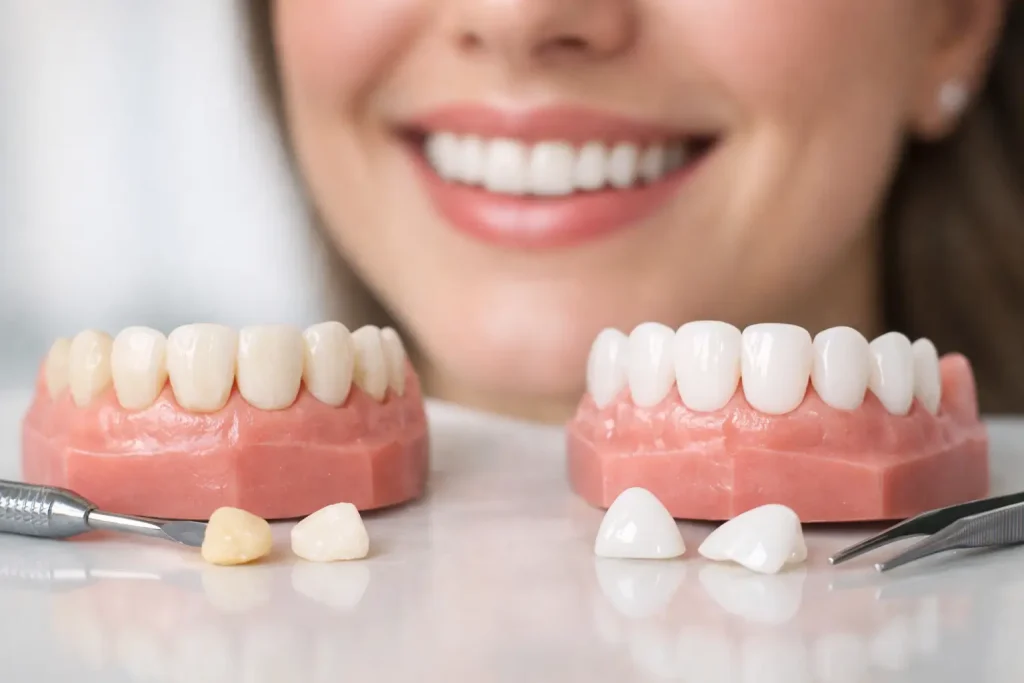
You can eat normally with veneers in most cases. Permanent porcelain and composite veneers are designed to function like natural teeth, allowing you to enjoy the vast majority of foods without restriction. However, certain hard, sticky, or highly pigmented foods require caution to protect your investment and extend the lifespan of your veneers.
Can You Eat Normally with Veneers? (Short Answer First)
The short answer is yes. Once your permanent veneers are fully bonded and you have completed your adjustment period (typically one to two weeks), you can return to eating most foods normally. Modern dental adhesives create a strong bond between the veneer and your prepared tooth, and today’s porcelain materials can withstand normal biting forces of 150–200 PSI—comparable to natural tooth enamel.
That said, veneers are not indestructible. According to a study published in the Journal of Prosthetic Dentistry, the 10-year survival rate for porcelain veneers is approximately 94–96% when patients follow basic dietary and care guidelines. The primary causes of veneer failure are excessive force (biting into very hard objects) and trauma—not normal daily eating.
The key distinction patients need to understand is the difference between eating with temporary veneers (very restricted) versus permanent veneers (mostly unrestricted). This guide covers both scenarios in detail.

Foods You Can Eat with Veneers
The good news is that the list of safe foods is much longer than the list of foods to avoid. With permanent veneers, you can comfortably eat:
Proteins
- Chicken, fish, and seafood (boneless portions)
- Eggs in any preparation
- Tofu and soft legumes
- Ground beef, pulled pork, and tender cuts of steak (cut into small pieces)
Fruits and Vegetables
- Bananas, berries, grapes, and melon
- Cooked or steamed vegetables
- Soft raw vegetables like avocado and cucumber
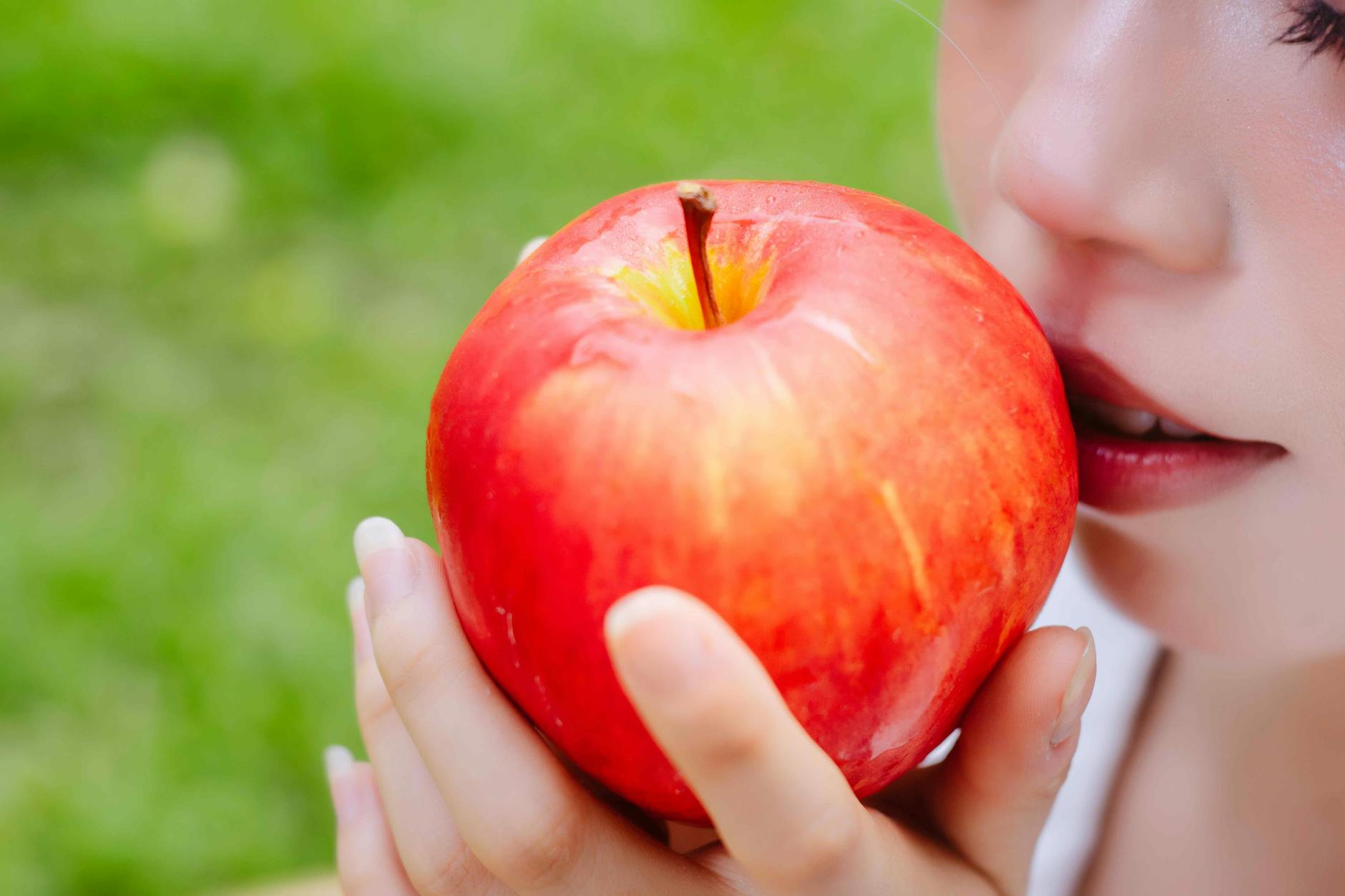
- Apples and pears (sliced, not bitten into whole)
Grains and Starches
- Pasta, rice, and bread
- Soft cereals and oatmeal
- Pancakes, waffles, and French toast
- Pizza (avoid extremely crusty or hard crusts)
Dairy
- Cheese, yogurt, and milk
- Ice cream and soft frozen desserts
- Smoothies and protein shakes
Other
- Soft chocolates and desserts
- Soups, stews, and casseroles
- Sandwiches and wraps
Foods to Avoid with Veneers (or Eat Carefully)
While veneers are strong, certain foods pose a higher risk for chipping, cracking, or staining. The American Dental Association notes that even natural teeth can fracture under excessive force, so these precautions apply to everyone—veneer patients simply have an additional reason to be mindful.
Hard Foods (High Chipping Risk)
| Food | Risk Level | Alternative |
|---|---|---|
| Ice cubes | High | Let ice melt in drinks; never chew |
| Hard candy and lollipops | High | Let dissolve; do not bite |
| Popcorn kernels | High | Eat carefully; avoid unpopped kernels |
| Nuts and hard seeds | Medium | Chew with back teeth; choose softer varieties |
| Hard bread crusts and baguettes | Medium | Break into smaller pieces first |
| Bone-in meat (ribs, chicken wings) | Medium | Remove meat from bone before eating |
Sticky Foods (Debonding Risk)
- Caramel and toffee: Can pull at veneer edges and weaken the bond over time
- Gummy candy: Gets caught on veneer margins and creates unnecessary stress
- Dried fruit: Particularly sticky varieties like dates can adhere to veneers
- Chewing gum: Sugar-free gum is generally fine, but very sticky brands should be avoided
Staining Foods and Drinks
Porcelain veneers are highly stain-resistant due to their glazed surface. However, composite veneers are more susceptible to discoloration from:
- Coffee, tea, and red wine (moderate consumption is fine; rinse with water after)
- Tomato-based sauces and curry
- Berries and beets
- Soy sauce and balsamic vinegar
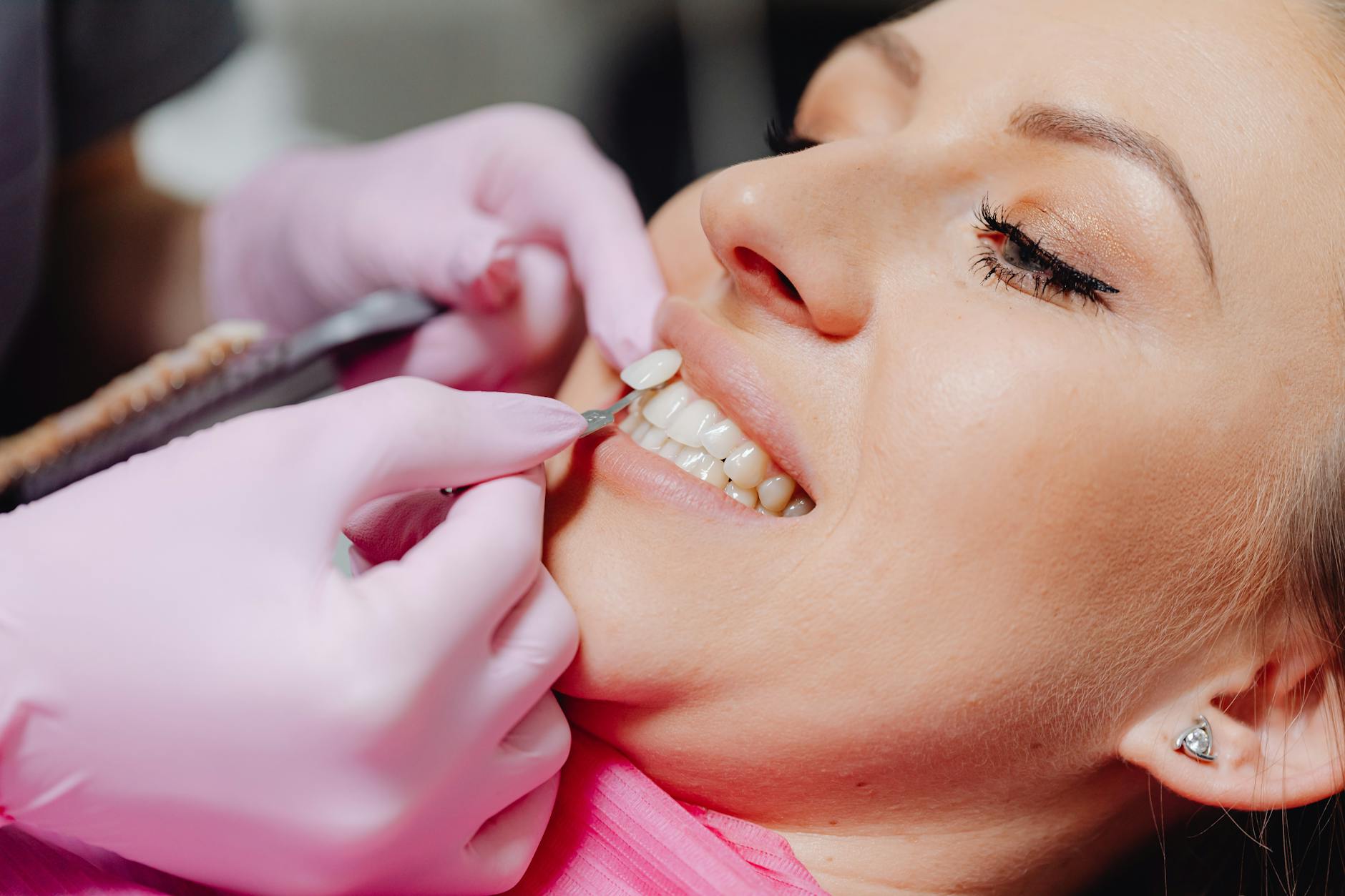
Eating with Temporary Veneers vs. Permanent Veneers
This is the most important distinction in this entire guide. If you are currently wearing temporary veneers while waiting for your permanent set, your dietary restrictions are significantly stricter.
Temporary Veneers: What You Can Eat
Temporary veneers are bonded with a weaker adhesive (intentionally, so they can be easily removed at your next appointment). This means they are more vulnerable to dislodging. During this period:
- Stick to soft foods: Soups, yogurt, scrambled eggs, pasta, soft fish, mashed potatoes
- Avoid anything hard, crunchy, or sticky: No nuts, raw carrots, hard bread, caramel, or gummy foods
- Cut food into small pieces: Do not bite directly into anything with your front teeth
- Chew on back teeth: Shift chewing pressure away from the veneered teeth
- Avoid very hot or very cold foods: Sensitivity is common with temporary veneers
Permanent Veneers: The Adjustment Period
Once your permanent veneers are placed, there is typically a one-to-two-week adjustment period during which you should:
- Start with softer foods and gradually reintroduce harder textures
- Pay attention to how your bite feels—if something feels off, contact your dentist for an adjustment
- Avoid testing your veneers on extremely hard foods immediately
After this initial period, most patients report that eating feels completely normal—often better than before, especially if veneers corrected misalignment or bite issues.
How to Protect Your Veneers While Eating
These simple habits will help your veneers last as long as possible:
- Cut food into manageable pieces. Instead of biting directly into a whole apple, corn on the cob, or a large sandwich, cut or break food into smaller pieces first. This reduces stress on your front veneers.
- Use your back teeth for hard foods. Your molars are designed for grinding and can handle harder foods much better than your front teeth. Direct hard nuts, carrots, and crusty bread to the back of your mouth.
- Rinse with water after eating. A quick rinse helps wash away food particles and acidic residues that could affect your veneers or the bonding material over time.
- Do not use your teeth as tools. Never open packages, tear tape, or crack shells with your veneered teeth. This applies to natural teeth as well, but the stakes are higher with veneers.
- Wear a night guard if you grind. Bruxism (teeth grinding) is one of the leading causes of veneer damage. If you grind or clench at night, a custom night guard is essential for protecting your investment.
What Happens If You Bite Something Too Hard?
Accidents happen. If you chip, crack, or dislodge a veneer while eating, here is what to do:
- Do not panic. A chipped veneer is a common repair and is usually not a dental emergency.
- Save the pieces. If a veneer chips or falls off, save the fragments. In some cases, the veneer can be rebonded.
- Avoid chewing on the affected tooth. Shift your chewing to the opposite side until you see your dentist.
- Contact your dentist promptly. Small chips can often be repaired with composite bonding. Larger fractures or complete debonding may require a new veneer.
- Use dental wax if needed. If a rough edge is irritating your lip or tongue, over-the-counter dental wax can provide temporary relief.
According to clinical data, the most common causes of veneer fracture are biting into olive pits, ice, hard candy, and bone fragments—all of which are avoidable with basic awareness.
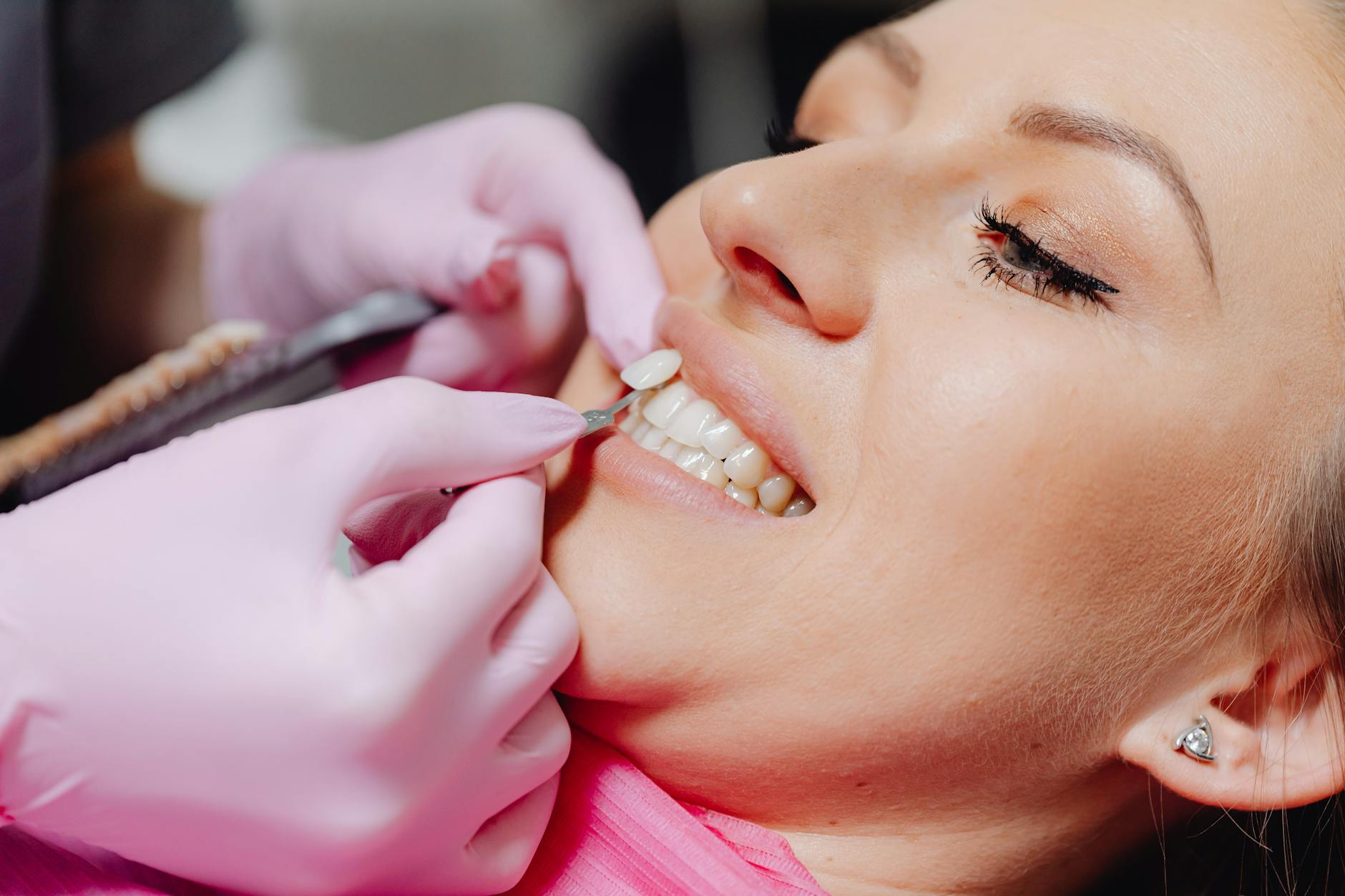
Porcelain vs. Composite Veneers: Which Handles Food Better?
The material of your veneers affects how they respond to food and daily wear:
| Factor | Porcelain Veneers | Composite Veneers |
|---|---|---|
| Bite strength tolerance | High (comparable to natural enamel) | Moderate (more prone to chipping) |
| Stain resistance | Excellent (glazed surface) | Moderate (may stain over time) |
| Repairability | Difficult (usually requires replacement) | Easy (can be repaired chairside) |
| Expected lifespan | 15–20 years | 5–7 years |
| Dietary restrictions | Minimal | Slightly more caution needed |
Porcelain veneers generally offer fewer eating restrictions because their ceramic structure is harder and more resistant to wear. Composite veneers, while excellent for many patients, may require slightly more dietary awareness—particularly around staining foods and very hard textures.
Both types perform well for everyday eating. The choice between them often comes down to budget, timeline, and cosmetic goals rather than dietary concerns alone. Your dentist at Smile Dental Center can help you determine which option best fits your lifestyle.
Frequently Asked Questions
Can I eat steak with veneers?
Yes, you can eat steak with permanent veneers. Cut it into normal-sized pieces and chew as you normally would. Avoid biting directly into bone-in cuts like T-bones with your front teeth. Tender cuts are ideal, but even tougher steaks are fine as long as you use your molars for the heavy chewing. Steak poses no significant risk to properly bonded veneers.
How soon after getting veneers can I eat normally?
With permanent veneers, most patients can eat soft foods immediately and return to a normal diet within one to two weeks. Your dentist may recommend starting with softer foods for the first few days while the bonding fully cures and your bite adjusts. Proper care habits established early help protect your veneers long term.
Will coffee stain my veneers?
Porcelain veneers are highly resistant to coffee stains due to their non-porous glazed surface. Composite veneers are more susceptible to staining over time with regular coffee consumption. In either case, rinsing with water after drinking coffee and maintaining regular dental cleanings will help preserve the color of your veneers for years.
Can veneers fall off from eating?
It is uncommon but possible, usually from biting into something extremely hard or sticky. Modern bonding agents create a very strong attachment between the veneer and tooth. If a veneer does come loose, save it and contact your dentist promptly. In many cases, the same veneer can be rebonded without needing a completely new restoration.
Do I need to follow a special diet with veneers forever?
No. Permanent veneers do not require a special diet. You simply need to exercise the same common-sense caution you would with natural teeth: avoid chewing ice, do not bite into extremely hard objects, and cut hard foods into pieces rather than biting directly. Most patients with veneers report no meaningful change to their eating habits after the adjustment period.
Considering Veneers? Get Personalized Dietary Guidance
Every patient’s situation is different. During your veneer consultation at Smile Dental Center, we will assess your bite, discuss your lifestyle and eating habits, and recommend the veneer material that best fits your needs—so you can enjoy your favorite foods with confidence.
Message us on WhatsApp or call (786) 560-7567 to book your consultation.