
That tiny gap between your front teeth can read as charming, distracting, or simply not you anymore. If you are researching a composite bonding for gaps review, you are probably not looking for theory – you want to know whether it looks natural, how long it lasts, what it costs, and whether it is the right move for your smile.
For many adults, composite bonding is one of the fastest ways to upgrade a smile without committing to porcelain veneers or orthodontic treatment. It can close small spaces, improve symmetry, and create a cleaner smile line in a single visit in many cases. But the best results depend on the size of the gap, your bite, your habits, and how carefully the treatment is designed.
Composite bonding for gaps review: what it really is
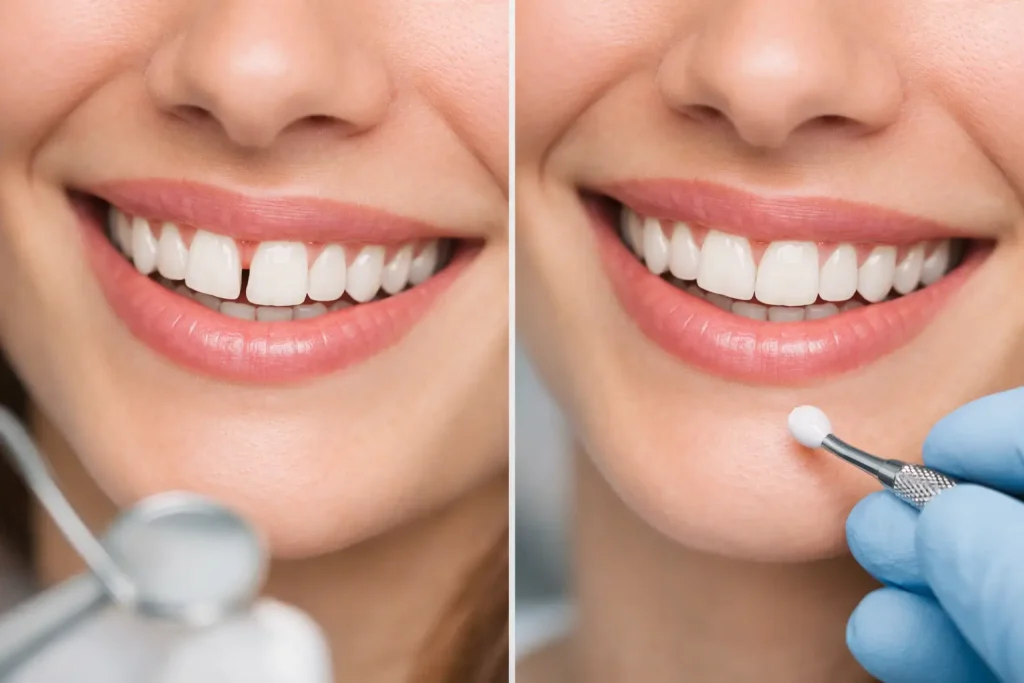
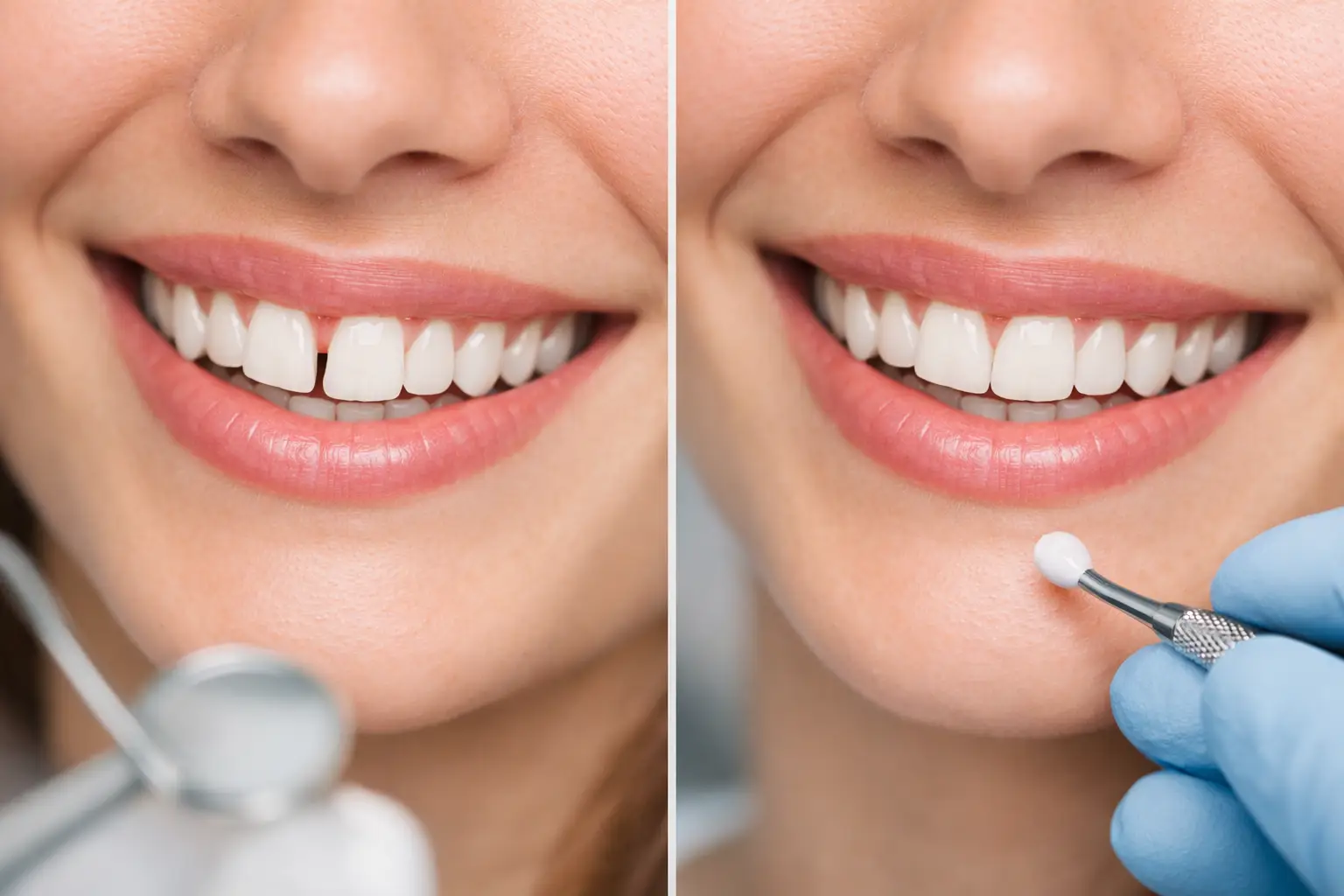
Composite bonding uses a tooth-colored resin that is shaped directly onto the tooth to improve size, contour, and spacing. For gaps, your dentist adds material to one or both teeth next to the space, then sculpts and polishes it so the teeth appear fuller and the gap is reduced or closed.
This is why bonding appeals to image-conscious patients who want visible improvement quickly. There is usually little to no drilling, the appointment is relatively comfortable, and the change is immediate. If you have a photoshoot, wedding, interview, or social event coming up, bonding can be an efficient cosmetic option.
That said, bonding is not just about filling space. A good cosmetic result depends on proportions. Teeth that are widened too much can look bulky or artificial, especially in the front. The goal is not only to close the gap, but to make the entire smile look balanced with your facial features, lip line, and neighboring teeth.
Who usually gets the best result
Composite bonding works best for small to moderate gaps, especially between the front teeth. It is often a strong fit when the teeth are healthy, the bite is stable, and the patient wants a conservative cosmetic fix.
You may be a good candidate if your gap is mostly a visual concern rather than a sign of a larger orthodontic issue. Bonding can also work well if you have slightly undersized teeth, minor edge wear, or asymmetry that makes the space more noticeable.
Sometimes the answer is not bonding alone. If the gap is large, the teeth are significantly misaligned, or there is gum disease, grinding, or bite instability, another treatment may create a better long-term result. In those cases, your dentist may recommend orthodontics first, or a more comprehensive smile design plan that could include veneers after alignment.
This is where expert planning matters. Fast treatment is great, but predictable esthetics come from looking at the whole smile, not just the gap.
The biggest pros of bonding for gaps
The first advantage is speed. Many cases can be completed in one visit, which is a major benefit for patients who want immediate change. You leave with a more polished smile the same day.
The second is conservation. Compared with veneers, composite bonding often requires minimal removal of natural tooth structure. For patients who want to improve their smile while staying conservative, that matters.
The third is affordability. Bonding usually costs less upfront than porcelain veneers, making it attractive for patients who want a cosmetic upgrade without the higher investment of ceramic treatment.
The fourth is flexibility. Composite can often be repaired, adjusted, or added to later. If a small chip happens, it is usually easier to correct than damage to porcelain.
The cons patients should know before saying yes
A fair composite bonding for gaps review has to include the trade-offs. Bonding is beautiful when done well, but it is not the same material as porcelain. It is more prone to staining, chipping, and wear over time.
If you drink a lot of coffee, red wine, tea, or smoke, your bonding may discolor faster than natural enamel or porcelain. If you bite your nails, chew ice, or clench your teeth, it may chip sooner.
There is also the question of longevity. Bonding can last several years, but it is not usually the longest-lasting cosmetic option. Some patients are happy to refresh it periodically because the initial treatment is conservative and cost-effective. Others prefer porcelain because they want greater color stability and durability.
Another point many people miss is esthetic skill. Bonding is highly technique-sensitive. The material itself can look excellent, but only if the dentist shapes, layers, and polishes it with a cosmetic eye. Poor bonding can look flat, opaque, uneven, or oversized.
How long does composite bonding last for gaps?
In real-world terms, many bonding cases last around 3 to 7 years before needing polishing, repair, or replacement, though some last longer with excellent care. Longevity depends on the location, the size of the bonding, bite forces, and daily habits.
Front-tooth bonding for gap closure can hold up very well when the case is well planned and the patient is careful. Still, it is smart to think of composite as a treatment that may need maintenance. That does not make it a poor choice – it just means expectations should be clear from the start.
If you want the most durable cosmetic material with stronger stain resistance, porcelain veneers may be the better fit. If you want a fast, attractive, lower-commitment improvement, bonding often makes a lot of sense.
What the appointment is like
Bonding for gaps is usually straightforward. Your dentist evaluates your smile, shade matches the composite, prepares the tooth surface, applies the resin, shapes it carefully, hardens it with a special light, and then refines and polishes the result.
In the best cosmetic offices, this is not treated like a quick patch. It is treated like smile design. Tooth width, edge position, symmetry, and light reflection all matter. The final polish also matters more than most patients realize because it affects how natural and glossy the teeth look.
Many patients do not need anesthesia unless minor reshaping is involved. Recovery is minimal, and you can usually return to normal activity right away.
Cost: is bonding worth it?
The value question depends on your goal. If you want to close a small gap quickly and improve confidence without a major cosmetic commitment, bonding can offer a strong return. The transformation is immediate, and for the right case, the visual payoff can be significant.
Costs vary by provider, location, and complexity. A small space closure on one or two teeth will cost less than a broader cosmetic reshaping case. It is worth remembering that the cheapest option is not always the best value. With front teeth, the quality of design and finishing is what people notice.
For patients comparing bonding with veneers, the real difference is not just price. It is material performance, longevity, and how ambitious your smile goals are. If you want a full change in tooth color, shape, and smile architecture, veneers may be more suitable. If your main concern is a gap and the rest of your smile already works, bonding may be exactly enough.
Composite bonding for gaps review: when to choose something else
Bonding is not the right answer for every gap. If the space comes from tooth movement, a tongue habit, missing teeth, or bite problems, simply adding resin may not solve the cause. The gap can reopen visually, the proportions can look off, or the bonding may be under too much stress.
This is why a cosmetic evaluation should include more than a close-up photo of the space. Your dentist should assess alignment, gum levels, tooth proportions, and how your teeth come together. In a design-focused practice like Smile Dental Center Group, that full-smile perspective is what helps patients get results that look intentional, refined, and confidence-building.
How to keep bonding looking fresh
Maintenance is simple, but it matters. Keep up with professional cleanings, brush and floss consistently, and avoid using your front teeth as tools. If you grind at night, ask about a night guard. If you love coffee or red wine, rinsing with water afterward can help reduce staining.
It is also smart to return for polishing if the bonding starts to lose its luster. Sometimes a refresh, not a replacement, is enough to bring back the finish.
The strongest reviews for composite bonding usually come from patients who chose it for the right reason. They wanted a conservative, fast esthetic improvement, understood that maintenance is part of the deal, and worked with a dentist who knows how to design a smile, not just fill a space.
If your goal is to close a gap and smile with more confidence in photos, meetings, dates, or everyday life, composite bonding can be a very smart move. The key is not asking whether it works in general – it is asking whether it works for your smile.