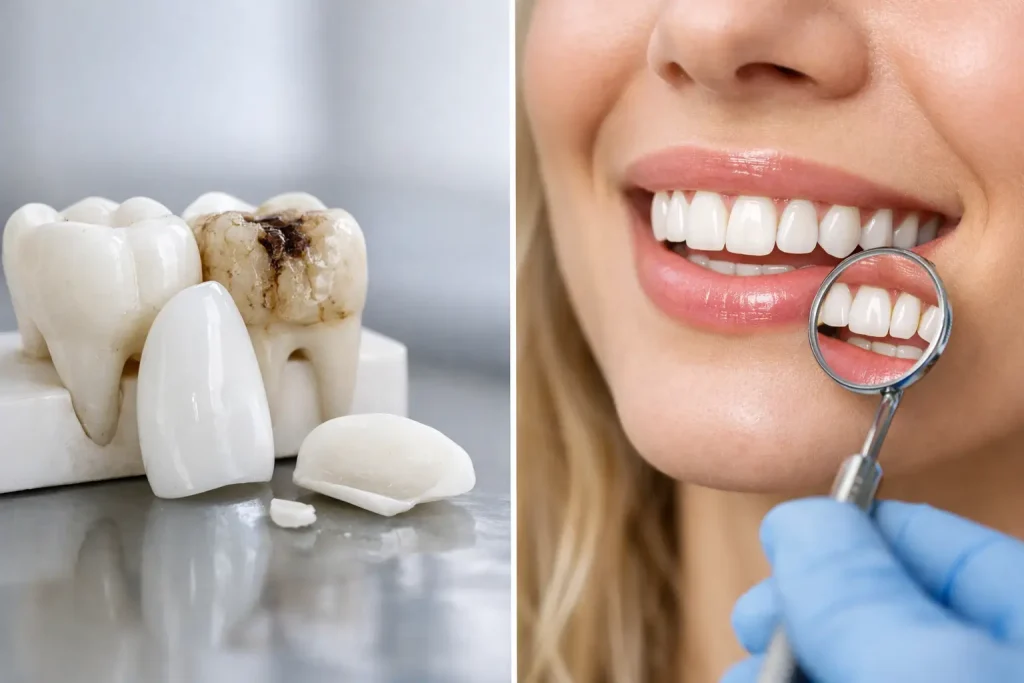

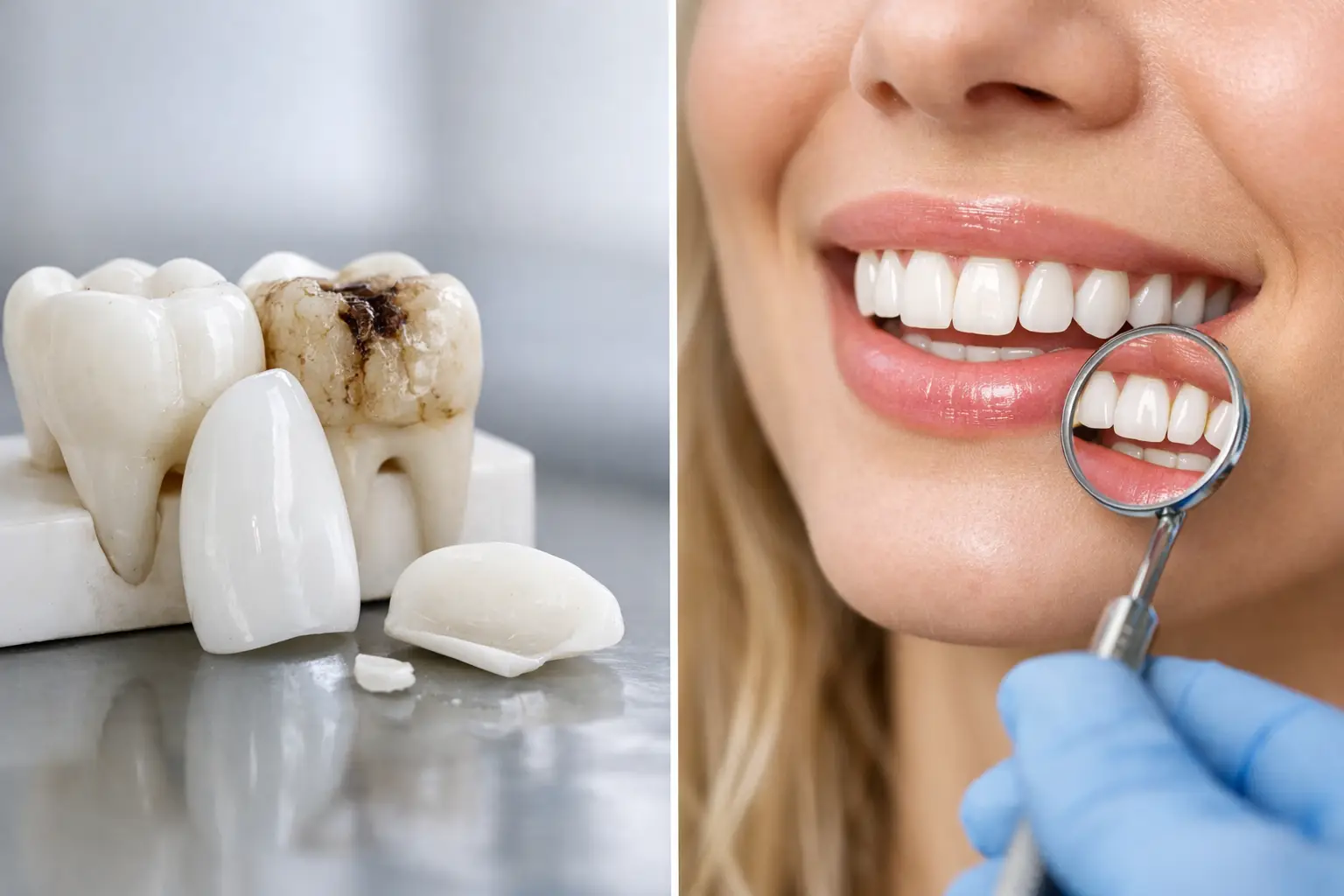
If you have been asking, do veneers ruin your teeth, you are asking the right question. Veneers can completely change a smile, but no one wants a cosmetic upgrade that creates bigger problems later. The honest answer is no, veneers do not ruin healthy teeth when they are planned correctly, placed conservatively, and maintained well. But they are not casual beauty treatments either. They are a real dental procedure, and the quality of the design, preparation, and bite matters.
That is where many online answers go off track. Some make veneers sound harmless and reversible for everyone. Others make them sound destructive by default. The truth sits in the middle. Veneers can deliver dramatic, confident results, but they require thoughtful case selection and precision.
Do veneers ruin your teeth or protect them?
Veneers are thin coverings bonded to the front surface of teeth to improve color, shape, size, and overall smile balance. In many cosmetic cases, they are one of the fastest ways to create a cleaner, brighter, more symmetrical look. For patients preparing for weddings, career milestones, social media visibility, or simply wanting a polished smile, veneers can be a high-impact option.
They do not automatically damage teeth. In fact, for some patients, veneers can help protect a worn or weakened front tooth surface from further cosmetic deterioration. What matters is how much natural tooth structure is removed, whether the bite is stable, and whether veneers are truly the right treatment for the situation.
Porcelain veneers usually require some enamel reshaping so the final teeth do not look bulky. Composite veneers can sometimes be more conservative, depending on the case. Either way, the goal should be the same – preserve as much healthy tooth structure as possible while creating a result that looks natural and performs well.
What actually happens to your teeth under veneers?
This is the part patients really want to know. For traditional veneers, a dentist typically removes a very thin layer of enamel from the front of the tooth. That creates space for the veneer and helps it bond properly. The amount removed varies by case, but conservative planning is essential.
Once bonded, the veneer covers the prepared surface. The natural tooth is still there underneath. It is not dead, hollow, or gone. But it has been permanently altered, which means veneers are generally considered an irreversible treatment.
That does not mean your teeth are ruined. It means you are committing to a restorative path that should be handled with the same level of care as any serious cosmetic investment. If a veneer ever needs replacement years later, the tooth will still need protection with another veneer or a different restoration.
When veneers can cause problems
Problems usually come from poor planning, aggressive prep, or the wrong patient being pushed into treatment. That is the real risk.
If too much enamel is removed, the tooth can become more sensitive and more dependent on future dental work. If veneers are made too thick or too long, they can affect speech, feel unnatural, or create bite issues. If someone grinds heavily and is not protected with a night guard, veneers can chip or fail. And if decay or gum disease is ignored before treatment, the cosmetic result may look good at first but become unstable over time.
There is also a major difference between improving a smile and overdoing it. Veneers should complement facial features, not overpower them. The best outcomes come from smile design that considers tooth shape, color, proportion, lip movement, and bite function, not just brightness.
Do veneers ruin your teeth if you get the wrong kind?
Not every veneer case should be treated the same way. Porcelain veneers are known for strength, stain resistance, and refined esthetics. They are often the premium option for patients who want long-term smile transformation. Composite veneers are more affordable and can be completed faster, often with less tooth reduction, but they may stain or wear sooner.
Neither material is inherently harmful. The real issue is matching the material and technique to the patient. Someone with severe discoloration, spacing, or shape issues may benefit more from porcelain. Someone wanting a more conservative cosmetic refresh may be a better candidate for composite. A rushed decision based only on price or speed can lead to disappointment.
This is why a proper consultation matters. Digital imaging, photos, bite analysis, and a full evaluation help determine whether veneers make sense at all. In some cases, whitening, orthodontics, bonding, contouring, or crowns may be the better move.
Good veneers start before the veneers
A healthy foundation changes everything. If you have untreated cavities, inflamed gums, clenching, or major bite instability, veneers should not be the first step. Cosmetic dentistry performs best when general dental health is under control.
That is also why full-service practices tend to have an advantage in more complex smile cases. If a patient needs imaging, a cleaning, gum reshaping, restorative treatment, or bite protection before veneers, those pieces should work together as one plan. Cosmetic results look better and last longer when the foundation is solid.
For patients who want dramatic smile improvements, that planning stage is not a delay. It is part of getting the best result.
What veneers feel like long term
Well-made veneers should feel smooth, natural, and integrated with your smile. After a short adjustment period, most patients stop noticing them day to day. They smile more, hide their teeth less, and feel more camera-ready. That confidence shift is real.
But veneers are not maintenance-free. You still need cleanings, exams, and strong home care. You also need to avoid using your teeth like tools, chewing ice, or ignoring grinding habits. Veneers are durable, not indestructible.
Sensitivity can happen after preparation, especially if teeth were already prone to it, but it is often temporary when the case is handled properly. Persistent discomfort is a sign something needs attention, whether it is the bite, bonding, gum response, or another dental issue.
Who is a good candidate for veneers?
The best veneer candidates usually have healthy teeth and gums, realistic expectations, and cosmetic concerns involving the visible front teeth. Veneers can be excellent for worn edges, stains that do not respond to whitening, uneven shapes, minor spacing, and smile asymmetry.
They are not always ideal for patients with active gum disease, uncontrolled decay, very heavy grinding, or major orthodontic issues that should be corrected first. They are also not the answer if you want a completely different smile but are not prepared for the long-term commitment that comes with irreversible treatment.
A strong cosmetic plan should feel custom, not salesy. You should understand what is being changed, why it is being changed, and what your maintenance will look like years from now.
How to lower the risk and protect your smile
If you are considering veneers, the smartest move is not just asking whether veneers can ruin your teeth. It is asking how to make sure your teeth are protected throughout the process.
Look for a dentist who focuses on conservative preparation, facially balanced smile design, and bite function, not just white, straight teeth. Ask what alternatives exist. Ask how much enamel will be removed. Ask whether you grind. Ask what kind of maintenance is expected. Ask to see before-and-after work that looks natural, not copy-paste.
This is especially important if you want a noticeable transformation that still looks like you, just elevated. Great veneers should improve your image without making your smile look artificial or overbuilt.
At Smile Dental Center Group, smile design is approached as both cosmetic artistry and clinical planning. That combination matters because a beautiful result should not just photograph well. It should also feel comfortable, function correctly, and support your confidence long term.
The real answer to the question
So, do veneers ruin your teeth? No, not when they are done for the right reasons, with the right technique, on the right patient. They can be a powerful way to transform a smile and help you show up with more confidence in work, relationships, and everyday life.
The bigger risk is not veneers themselves. It is getting veneers without careful diagnosis, conservative prep, and a plan built around your face, bite, and goals. A great smile should look amazing and make sense clinically.
If you are thinking about veneers, treat the decision like the investment it is. Ask better questions, expect a custom plan, and choose a team that is focused on both beauty and longevity. The right smile upgrade should leave you looking polished, feeling confident, and still proud of the teeth underneath.