
A veneer that looks too white can be just as noticeable as a veneer that looks too dark. The best cosmetic result is not about picking the brightest tab on a shade guide. It is about understanding how custom veneer shade matching works so your new smile looks polished, believable, and right for your face.
For patients investing in smile design, this part matters more than many expect. Shade is not a single decision made in a few seconds. It is a process that combines photography, lighting, facial analysis, tooth translucency, material choice, and laboratory artistry. When it is done well, the result does not just look white. It looks expensive, natural, and confident.
How custom veneer shade matching works in real life
Most people think veneer color is chosen the same way paint is chosen – by selecting one sample and applying it across the board. Cosmetic dentistry is far more precise. Natural teeth are not one flat color. They have layers, depth, brightness, translucency near the edges, and subtle shifts from the gumline to the tip of the tooth.
That is why custom veneer shade matching starts with a full visual evaluation, not just a quick glance at your teeth. Your dentist looks at your current tooth color, but also your skin tone, lip shape, gum display, face shape, and how much tooth shows when you smile and speak. A bright smile has to work with your overall appearance. If it fights your features, it can look artificial fast.
Patients in image-focused settings often ask for the whitest possible veneers. Sometimes that is the right move, especially for a full smile makeover where multiple visible teeth are being treated together. Sometimes it is not. If only a few veneers are being placed, the custom match has to blend with neighboring teeth. In that case, going ultra-bright can create contrast that draws attention for the wrong reason.
Shade matching is about value, chroma, and translucency
In cosmetic dentistry, color selection is more detailed than simply calling something white. Dentists and ceramists evaluate three key elements.
Value refers to how light or dark the tooth appears. This is often the most important part because the human eye notices brightness differences quickly. A veneer can be technically the right color family, but if the value is too high, it will still look fake.
Chroma describes the intensity or saturation of color. Natural teeth are not pure white. They often carry soft yellow, gray, or warm undertones. That does not make them less attractive. It makes them look real. The right amount of chroma keeps veneers from looking flat.
Translucency is what gives a tooth life. Natural enamel lets light pass through in a way that creates depth, especially near the incisal edge. Veneers can be designed to mimic that effect. If translucency is ignored, teeth may look opaque and uniform, which can read as overly cosmetic under certain lighting.
Why the shade guide is only the starting point
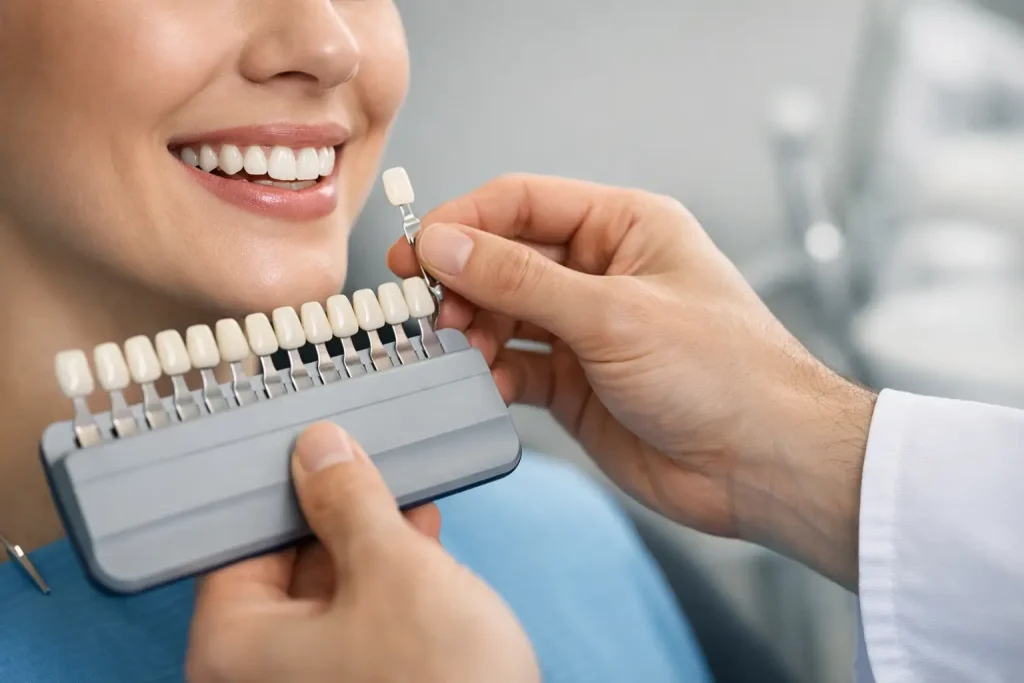
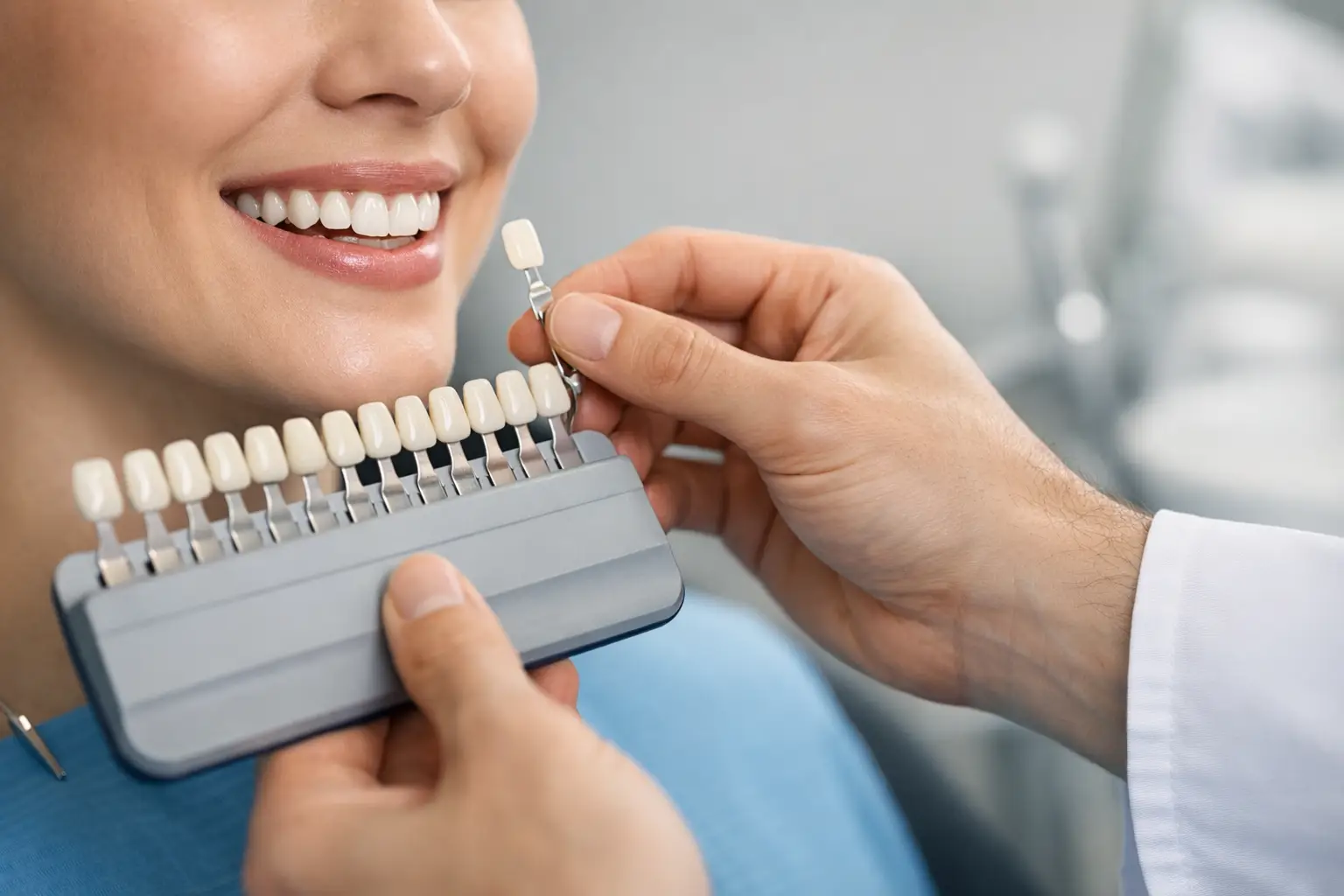
Traditional shade tabs still matter, but they are only part of the conversation. A skilled cosmetic dentist uses them as reference points, not final answers. In many veneer cases, especially high-end smile design, the final shade is customized beyond a standard tab.
This is where photos, videos, and digital planning become valuable. High-quality images taken in controlled light help the team see details that are easy to miss chairside. Some practices also use calibrated photography and digital shade tools to capture color more consistently. The goal is not to make the process complicated. It is to make the result more predictable.
The factors that change your ideal veneer shade
The right veneer shade depends on more than your preference. It depends on context.
Skin tone plays a major role. Bright veneers can look stunning against deeper skin tones, but the wrong brightness can still appear harsh if there is no harmony with the lips, gums, and facial features. For lighter skin tones, very cool white veneers may sometimes wash out the smile rather than enhance it. There is no one-size-fits-all formula.
Age matters too. Younger teeth typically have more brightness and translucency. As teeth age, they often become slightly darker and more opaque. That does not mean mature patients should choose darker veneers. It means the ideal shade should support a natural, refreshed look rather than an obvious mismatch with the rest of the smile.
Lifestyle and goals matter as well. Someone preparing for a wedding, media work, or a highly visible professional role may want a brighter finish with strong photo appeal. Another patient may want a subtle enhancement that no one can quite identify, only admire. Both goals are valid. The best results come from matching the veneer shade to the outcome you actually want.
Material choice changes the final color
Not all veneers reflect light the same way. Porcelain and composite behave differently, and even within porcelain, different ceramic materials create different visual effects.
Porcelain veneers are known for excellent esthetics because they can mimic enamel with impressive depth and polish. They tend to hold color well and can be layered by the lab for more nuanced results. This makes them a strong option when the goal is a premium smile transformation.
Composite veneers can also look attractive, especially when designed carefully, but they usually offer less optical complexity than porcelain. They can be a smart choice in the right case, though shade stability and fine translucency may not match what custom porcelain can achieve long term.
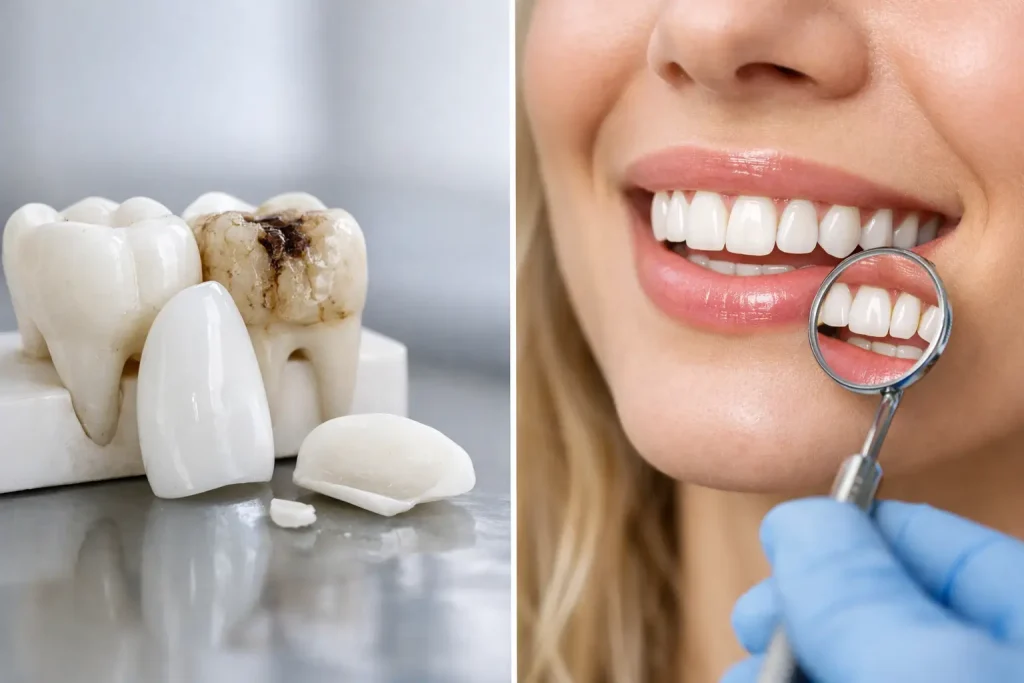
Underlying tooth color matters too. If the natural tooth underneath is dark, stained, or discolored from prior dental work, the veneer must be designed to manage that background. Sometimes that requires a slightly different opacity or thickness. This is one reason two patients asking for the same shade may need different veneer designs to reach it.
The lab is where the artistry happens
Even perfect chairside planning can fall short without strong lab communication. Veneer shade matching is a team effort between dentist and ceramist. The lab needs more than a shade name. It needs photos, facial references, notes about surface texture, desired brightness, incisal translucency, and whether the patient wants a softer natural look or a more glamorous finish.
This is where custom work stands apart from cookie-cutter dentistry. A ceramist can build subtle internal effects into the veneer so it catches light more like a natural tooth. That detail is what separates a smile that looks done from a smile that looks exceptional.
Try-in appointments help refine the result
In many veneer cases, especially with porcelain, there is a try-in stage before final bonding. This allows the dentist and patient to review the look and make sure the shade feels right in the mouth, not just on paper.
That matters because teeth look different under different conditions. Office lighting, natural daylight, flash photography, and evening indoor lighting can all change the way shade is perceived. A veneer that seems ideal in one setting may read differently in another. This is why experienced cosmetic teams evaluate shade carefully and avoid rushing the decision.
Patients should also know that temporary veneers can offer a preview, but they are not always an exact match to the final porcelain. They help with shape, length, and overall smile direction. The final material usually delivers more polish, depth, and refined color.
When brighter is better, and when it is not
There are cases where a bold, bright veneer shade looks incredible. Full smile makeovers often support that look because all the visible front teeth are designed together. The result can be dramatic, camera-ready, and very flattering.
But brighter is not always better. If lower teeth are visible when you speak or smile, they can create contrast against very white upper veneers. If your gums show significantly, gum tone and tooth shade also need to feel balanced. If only a small number of veneers are placed, a hyper-white result can make natural adjacent teeth look darker.
That is why shade matching is not about chasing the lightest option. It is about creating a smile that looks intentional, balanced, and premium.
How to get the best result from your consultation
If you are considering veneers, come to your consultation with examples of smiles you like, but stay open to expert guidance. Photos can help communicate whether you prefer soft and natural, bright and glamorous, or something in between. A strong cosmetic dentist will translate that preference into a shade strategy that fits your features.
Ask how the practice handles smile design, shade analysis, and lab communication. Ask whether they use mock-ups, photography, or a try-in process. These details matter because they affect how predictable your result will be.
At a design-focused practice like Smile Dental Center Group, veneer planning is not just about covering teeth. It is about building a smile that fits your face, your style, and the way you want to show up in the world.
The right veneer shade does more than make teeth look whiter. It makes your whole smile feel intentional, elevated, and easy to wear every day.