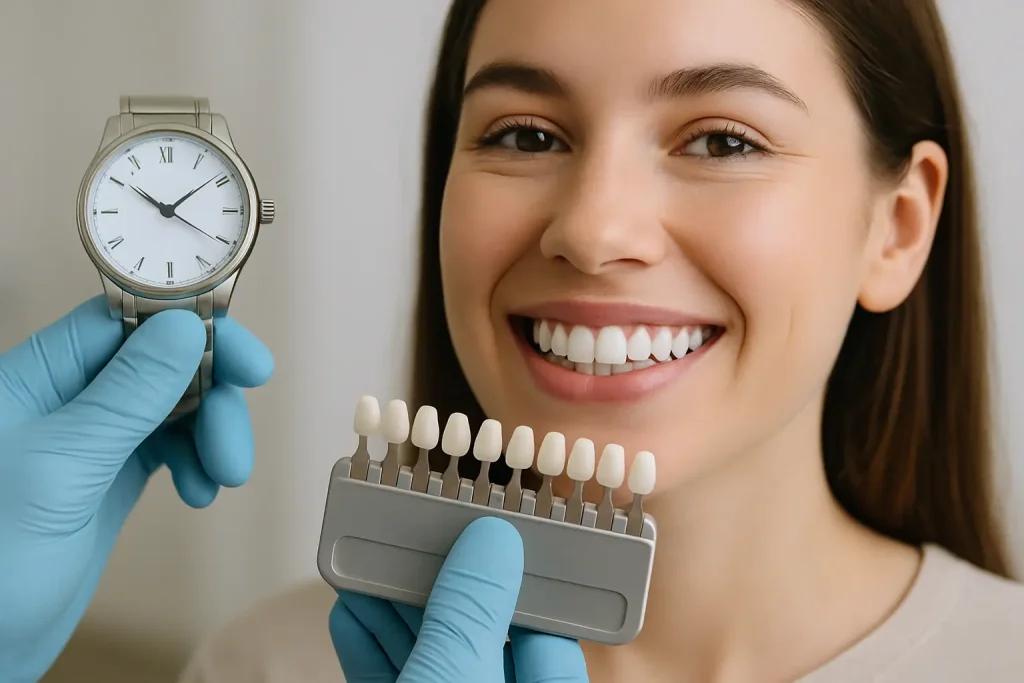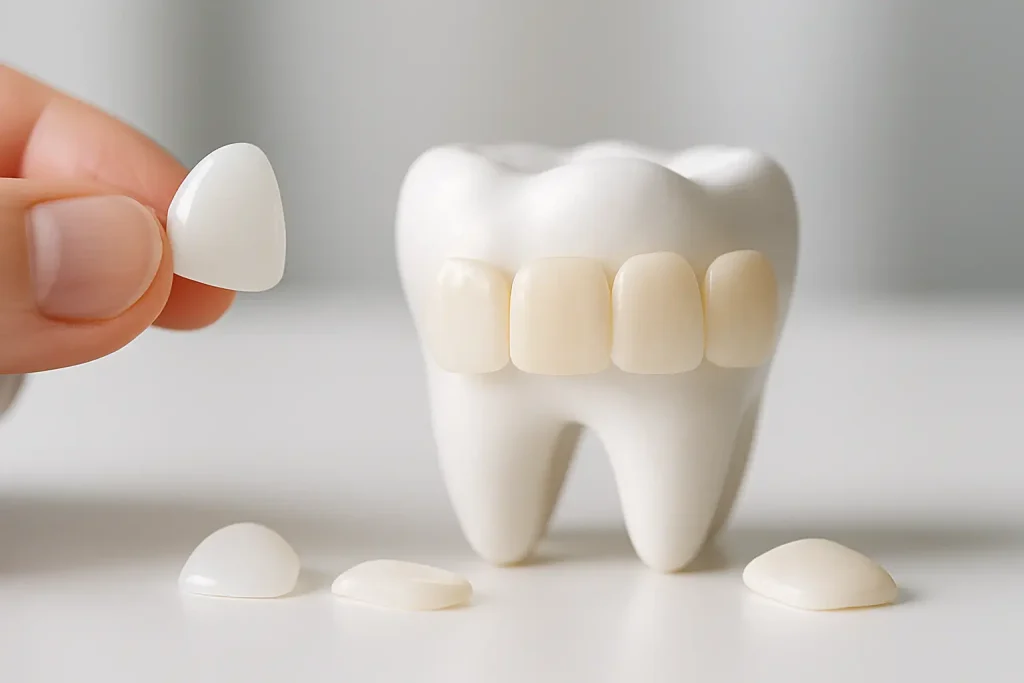

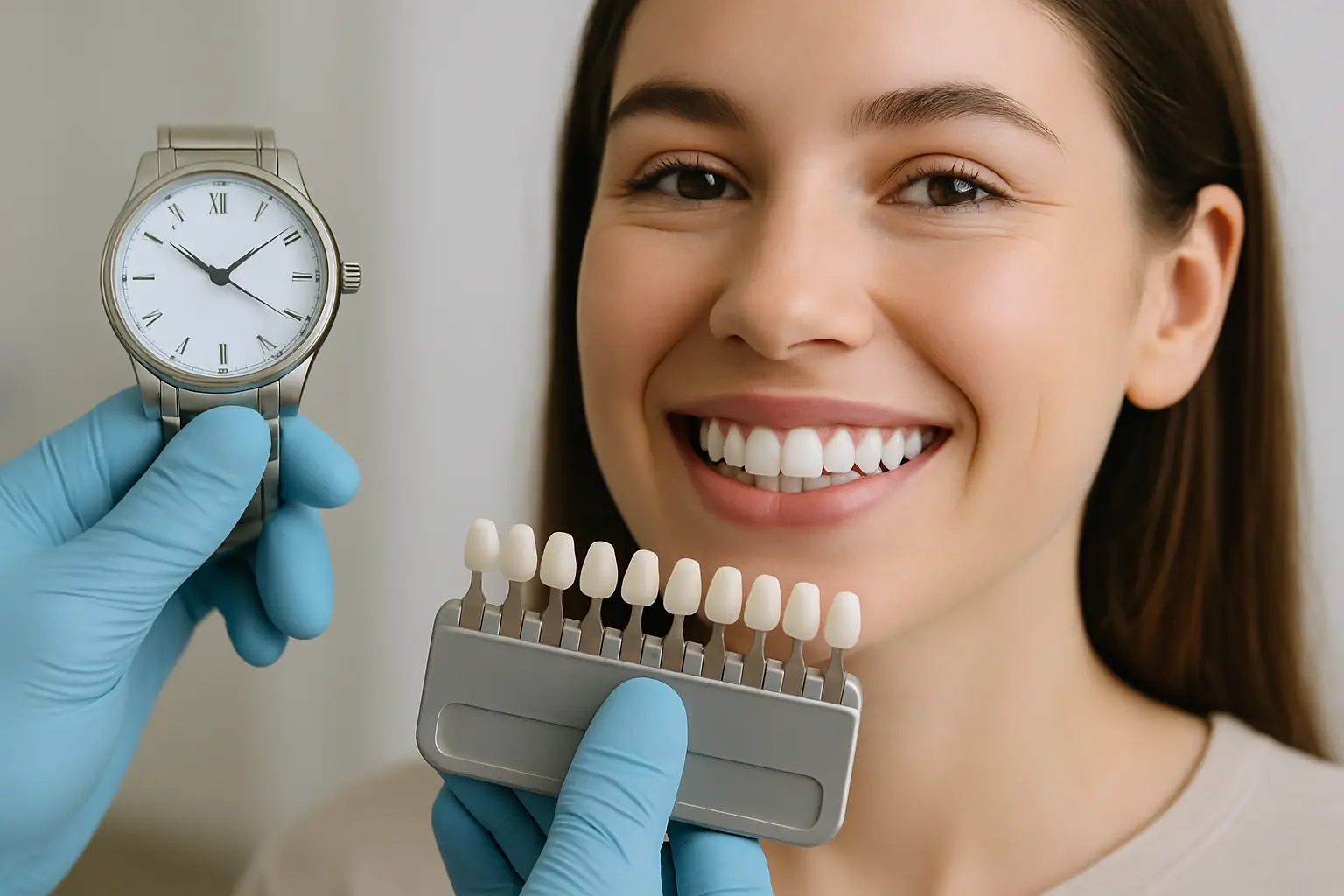
You can usually spot a veneer smile from across the room – it looks bright, even, and confident. The real question most people ask after the wow moment is practical: will it still look like that years from now, or will you be back at square one?
Porcelain veneers are designed to be a long-term cosmetic upgrade, not a quick fix. But the honest answer to how long they last is: it depends on how they’re planned, placed, and protected. If you want the best results, it helps to think of veneers the way you’d think of any high-performance investment – the design matters, the fit matters, and maintenance matters.
How long do porcelain veneers last in real life?
Most porcelain veneers last about 10 to 15 years. Many patients get longer – 15 to 20 years is absolutely possible with great dentistry and great habits.
That range isn’t there to be vague. It’s there because veneers live in the real world. They deal with coffee, wine, late-night snacking, stress-related clenching, the occasional “open this package with my teeth” moment, and everything else life throws at your smile.
There’s also an important detail people don’t hear enough: veneers don’t usually “expire” on a specific date. They’re more like tires. Some wear out early due to habits and bite forces, and some keep performing for years because everything was optimized from day one.
What actually determines veneer lifespan?
If you’re comparing options or planning a smile design, these are the factors that most directly affect how long porcelain veneers last.
1) The bite and the blueprint (smile design)
Veneers are thin and strong, but they’re not meant to be the shock absorber for an unstable bite. If your teeth hit in a way that concentrates force on the veneer edges, you’re more likely to see chipping, cracking, or debonding over time.
That’s why veneer planning shouldn’t be only about choosing a whiter shade. A true smile design considers your tooth position, how your jaw closes, and how the veneers will function when you talk and chew. When the blueprint is right, veneers last longer because they’re not constantly fighting your bite.
2) Tooth prep and bonding quality
Porcelain veneers rely on precision. The enamel surface, the fit of the veneer, the bonding protocol, and moisture control all matter. Small details in the process can make a big difference years later.
Bonding to healthy enamel is ideal. If a veneer is bonded mostly to dentin (the layer under enamel), it can still work, but longevity can be more technique-sensitive. This is one reason why case selection and conservative preparation are so important.
3) The material and thickness chosen for your case
Porcelain is not one single thing. Different ceramics and design approaches behave differently. Some cases need ultra-thin veneers. Others need a slightly stronger design because of alignment, spacing, or bite forces.
A performance-focused veneer plan chooses the material and thickness that fits your goal and your function, not just the quickest path to “white and straight.”
4) Your habits (this is the biggest variable)
You don’t have to live like a monk to keep veneers looking amazing, but certain habits dramatically change the odds.
If you grind or clench, your veneers may still last a long time – but only if that pressure is managed, usually with a custom night guard. On the other hand, repeated trauma like chewing ice, biting nails, cracking shells, or using your teeth as tools can shorten the lifespan fast.
5) Your maintenance schedule
Veneers aren’t a replacement for cleanings and exams. Regular visits help your dentist catch issues early – like small chips, bite changes, or gum inflammation around veneer margins.
The veneer itself doesn’t get cavities, but the tooth underneath absolutely can. Keeping the edges clean and the gums healthy is a major part of making veneers last.
How do porcelain veneers “fail” over time?
People often imagine veneers suddenly popping off. That can happen, but most veneer replacements occur for more gradual reasons.
Staining at the edges
Porcelain is highly stain-resistant, but the bonding line at the margin can pick up discoloration over time, especially if gum health is inconsistent or you’re a heavy coffee, tea, or tobacco user. Sometimes a professional polish helps. Sometimes the margin needs attention. Occasionally a veneer is replaced for aesthetics.
Chipping or cracking
Porcelain is strong, but it’s still ceramic. If the bite is heavy or the veneer is used like a cutting tool, small chips can happen. Minor chips may be smoothed, and some can be repaired. Larger fractures typically require replacement.
Debonding (the veneer loosens)
This is less common with strong bonding and good enamel, but it can occur with trauma, biting on hard objects, or if the original bonding was compromised. A veneer that comes off isn’t always “ruined” – sometimes it can be re-bonded, but only after the cause is identified.
Gum changes
Your gums can recede over time due to brushing technique, gum disease, or genetics. When gum levels change, margins may show, and the look may no longer match your goal. This isn’t a veneer defect, but it’s one reason some patients refresh their smile design down the road.
Porcelain veneers vs composite veneers: longevity trade-offs
If you’re deciding between porcelain and composite veneers, lifespan is one of the clearest differences.
Porcelain veneers typically last longer and hold their color better. Composite veneers are usually more budget-friendly and can often be done with less tooth reduction, but they tend to stain and wear faster, and they often need more frequent polishing, repairs, or replacement.
Some people choose composite as a stepping stone or for a smaller change. Others go straight to porcelain for a higher-impact, longer-lasting result. The best choice depends on your timeline, your aesthetic goals, and how much maintenance you’re willing to do.
How to make porcelain veneers last as long as possible
If you want veneers that still look camera-ready years from now, the strategy is simple: protect the investment.
Start with the basics: brush gently twice a day with a non-abrasive toothpaste and floss daily. Veneers don’t make you “cavity-proof.” What they do is raise the standard of your smile – and your routine should match.
If you grind or clench, wear a custom night guard. This one habit can be the difference between a veneer case that lasts 8 years and one that lasts 18.
Be smart about what you bite. You can eat normally, but skip the high-risk habits like chewing ice, biting pens, cracking nuts with your front teeth, or tearing open packaging. Veneers are made to look beautiful and function well, not to replace tools.
Keep your cleanings and exams consistent. Your dental team will check your bite, monitor the margins, and make sure your gums stay healthy around the veneers so the finish stays clean and natural.
If whitening is part of your lifestyle, do it the right way. Veneers don’t whiten like natural teeth, so whitening after veneers can create shade mismatch. Ideally, you whiten first, then match veneers to your final tooth color.
A realistic timeline: what you can expect at 5, 10, and 15 years
At 5 years, most well-planned porcelain veneers look nearly the same as the day they were placed, assuming your gums are healthy and your habits are stable.
At 10 years, many veneers are still going strong. This is often the point where small aesthetic maintenance decisions come up: minor edge wear, slight gum changes, or the desire to brighten surrounding teeth.
At 15 years, it’s common to see a mix. Some patients are ready for replacements for cosmetic refresh reasons, while others still have veneers that function and look great. Longevity at this stage tends to reflect the original planning, the bite, and whether grinding was controlled.
When should porcelain veneers be replaced?
Replacement isn’t automatically a bad sign. Sometimes it’s just a refresh, like updating your hairstyle or wardrobe – you’re choosing a new look because your standards changed.
Clinically, veneers are typically replaced when there’s a fracture, repeated debonding, decay at the margin, significant gum recession that affects aesthetics, or when the patient wants a major shade or shape update that polishing can’t achieve.
If you’re noticing rough edges, sensitivity, visible dark lines near the gum, or a change in how your bite feels, don’t wait. Early intervention often prevents bigger fixes.
Planning veneers with long-term results in mind
If you’re shopping for veneers, don’t just ask for a number of years. Ask how your case will be designed to last. Will your bite be evaluated? Is imaging used when needed? Will you be offered a night guard if you clench? Are the teeth being prepared conservatively?
A smile transformation should feel exciting, not uncertain. When the plan is precise and the dentistry is performance-focused, veneers can be a long-term upgrade to your confidence, your photos, and your everyday presence.
If you’re ready to explore a smile design that’s built for longevity, you can request an evaluation through Smile Dental Center Group and get a clear, case-specific recommendation based on your goals, your bite, and your timeline.
A beautiful smile is always in style – and with the right plan and the right habits, yours can stay that way for a long time.