
That first look in the mirror after getting veneers is hard to forget. Your smile looks brighter, more balanced, and camera-ready right away. If you want that polished result to keep turning heads, knowing how to care for veneers daily matters just as much as the treatment itself.
Veneers are designed to elevate your smile, but they are not maintenance-free. Porcelain veneers are highly stain-resistant and durable, while composite veneers can be more vulnerable to wear and discoloration over time. In both cases, daily habits make the difference between a smile that stays fresh and one that starts to lose its edge sooner than expected.
How to care for veneers daily without overthinking it
The good news is that daily veneer care is not complicated. You do not need a shelf full of specialty products or a long routine. You need consistency, gentle technique, and a clear understanding of what veneers can and cannot handle.
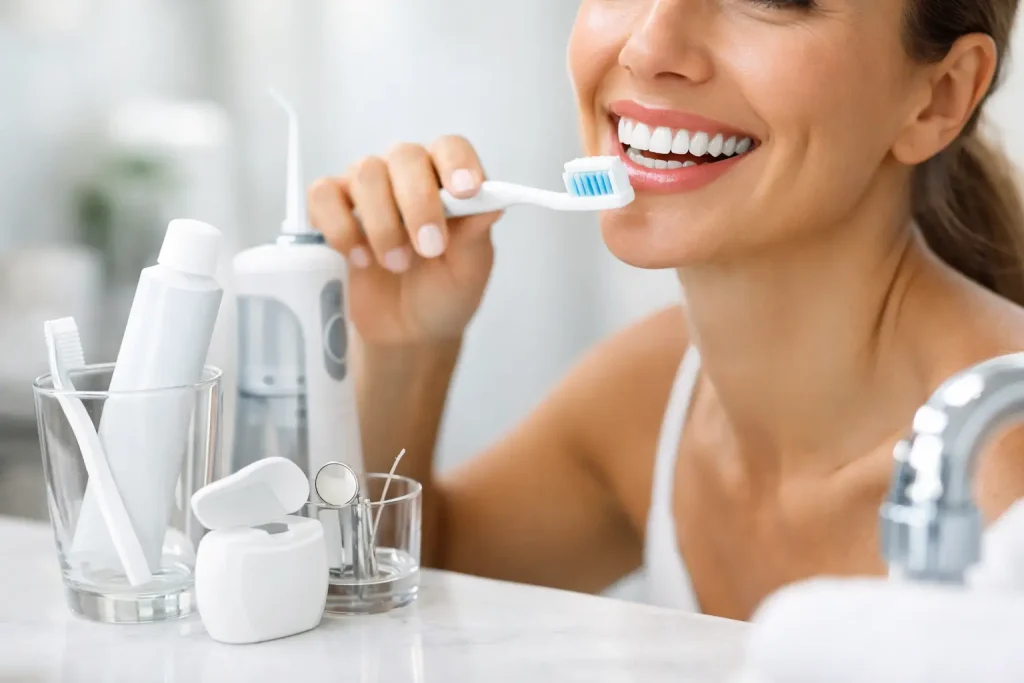
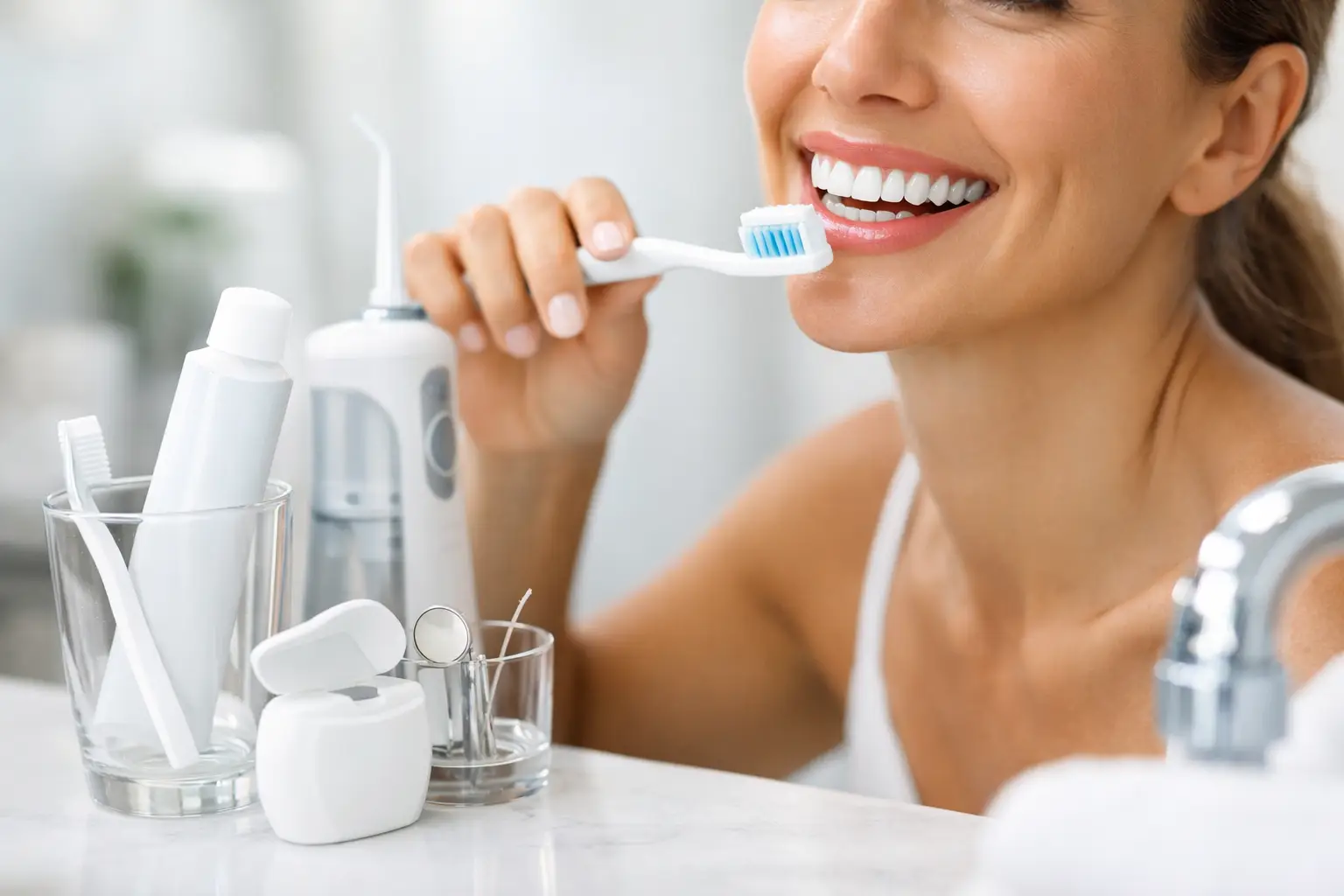
Start with brushing twice a day using a soft-bristled toothbrush and a non-abrasive toothpaste. This matters more than many people realize. Abrasive formulas, especially some whitening toothpastes, can dull the surface of veneers or wear down the margins where the veneer meets the natural tooth. That edge is important because plaque can still build up there, and the tooth under the veneer still needs protection.
Brushing should feel thorough, not aggressive. Scrubbing harder does not make veneers cleaner. It just adds unnecessary pressure to the restoration and your gumline. Small circular motions and two full minutes are enough to keep your smile looking clean and refined.
Flossing every day is just as important. Veneers cover the front surface of teeth, not the spaces between them or the gums around them. If plaque and bacteria collect near the gumline, you can still develop inflammation or decay in the natural tooth structure. A veneer can look beautiful on the outside while gum health quietly declines around it. Daily flossing helps protect the foundation that keeps your cosmetic result looking its best.
The products that help and the ones that can hurt
A simple routine usually works best. Soft toothbrush, gentle toothpaste, floss, and an alcohol-free mouthwash if your dentist recommends it. That combination keeps the mouth clean without exposing veneers to harsh ingredients.
This is where a lot of people get tripped up. They assume all oral care products are automatically veneer-safe. Not always. Some whitening products are too abrasive for routine use. Some charcoal pastes can be rough on polished surfaces. Very acidic rinses or DIY whitening habits can also work against the finish of your veneers and irritate surrounding teeth and gums.
If you are unsure about a product, ask before adding it to your routine. The best results usually come from restraint, not experimentation. Veneers are part of a custom smile design, and daily care should support that investment rather than test its limits.
Can you use whitening toothpaste on veneers?
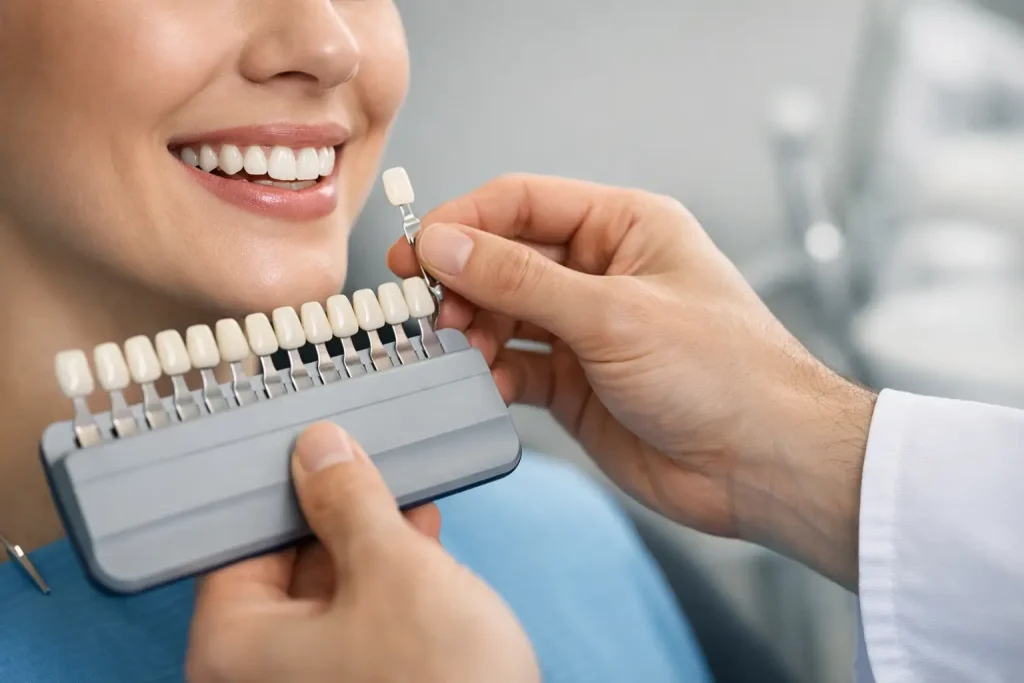
Usually, caution is the better move. Veneers do not respond to whitening the way natural enamel does, so whitening toothpaste will not make them lighter. On top of that, some formulas are abrasive enough to affect surface polish over time. If your natural teeth around the veneers are picking up stain, your dentist can recommend the right option without putting your cosmetic work at risk.
Is mouthwash necessary?
It depends on your mouth and your habits. Mouthwash is not a replacement for brushing and flossing, but it can be a useful add-on. If you are prone to plaque buildup, dry mouth, or gum irritation, the right rinse can support your routine. Alcohol-free formulas are often preferred because they are gentler on the mouth and more comfortable for regular use.
Food and drink habits that protect your smile
Veneers are strong, but strength is not the same as invincibility. One of the smartest daily habits is simply being more aware of how you use your teeth.
Coffee, tea, red wine, dark sodas, and richly colored sauces can stain natural teeth over time. Porcelain veneers resist staining better than natural enamel, but surrounding teeth do not. That means your overall smile can start to look uneven if your habits are working against color consistency. Composite veneers are more likely to pick up discoloration, so this matters even more if you chose composite for your smile upgrade.
You do not have to give up every favorite drink to protect your investment. Drinking stain-causing beverages in moderation, rinsing with water afterward, and avoiding prolonged sipping can help. The issue is often repeated exposure, not one cup of coffee.
Hard foods deserve some attention too. Biting ice, chewing on pens, opening packages with your teeth, or cracking hard candy can chip veneers or stress the bond. Veneers are made for smiling and chewing food, not functioning like tools. That distinction sounds obvious, but small habits are often what shorten the life of cosmetic dental work.
If you grind your teeth, daily care needs to go further
For many adults, the biggest threat to veneers is not food. It is grinding and clenching.
If you wake up with jaw soreness, notice tight facial muscles, or have been told you grind at night, speak with your dentist about a night guard. This is not an extra luxury item. It can be a key part of protecting your veneers from pressure, chips, and premature wear. Even beautifully placed veneers can be damaged by untreated grinding.
Daytime clenching counts too. A lot of professionals carry stress in the jaw without realizing it, especially during work, commuting, or workouts. If your teeth are touching when you are not eating, that is often a sign of tension. Learning to relax the jaw during the day can reduce stress on both natural teeth and veneers.
Why gum health still matters with veneers
A flawless smile is never just about the visible surface. Veneers can transform shape, color, and symmetry, but gum health still frames the final result.
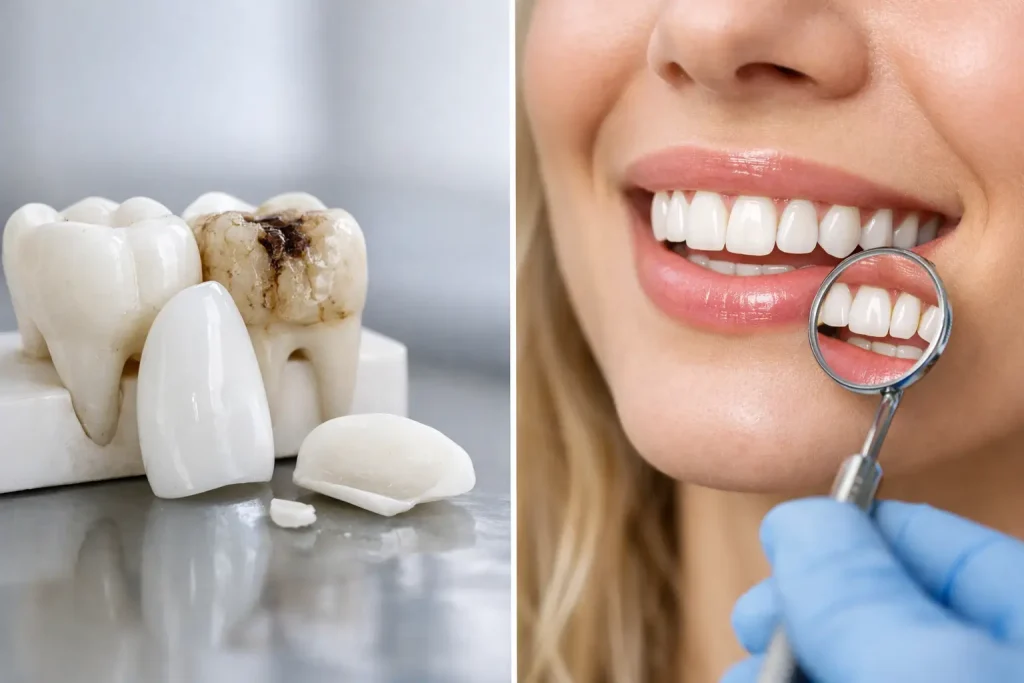
If your gums are inflamed or receding, the margins of veneers can become more noticeable, and the smile may lose some of its clean, natural look. Daily brushing and flossing help prevent this, but routine professional cleanings matter too. Veneers do not eliminate the need for regular dental care. They make it even more important.
Professional checkups allow your dentist to monitor the bond, the bite, the gumline, and the health of the underlying teeth. Small issues are easier to manage early. Waiting until something feels loose, sensitive, or rough can turn a minor adjustment into a more involved repair.
How to care for veneers daily if you want them to last
The patients who keep their veneers looking exceptional for years usually are not doing anything dramatic. They are just consistent. They brush gently, floss daily, avoid using their teeth as tools, and stay current with cleanings and exams.
They also understand that veneer longevity depends on more than the material. Porcelain generally lasts longer than composite, but habits, bite force, oral hygiene, and follow-up care all shape the timeline. Someone with excellent daily care and a protective night guard may get far more life out of veneers than someone with stronger materials but poor habits.
This is where personalized dentistry matters. A smile design should never stop at placement day. The best cosmetic result is one that still looks polished months and years later because it was built around your bite, your goals, and your daily routine.
When to call your dentist
Do not wait for obvious damage. If a veneer feels rough, looks darker near the edge, feels slightly loose, or your bite suddenly seems off, schedule an evaluation. The same goes for gum tenderness or bleeding that does not improve with better brushing and flossing. Veneers should feel natural and stable. When something changes, it is worth checking.
At Smile Dental Center Group, veneer care is part of protecting the full smile transformation, not just the individual tooth. That means looking at function, symmetry, comfort, and long-term appearance together.
A confident smile is built in the chair, but it is protected at home. Keep your routine simple, smart, and consistent, and your veneers can keep delivering the bright, high-impact look you chose them for every single day.