
You can have bright, straight teeth and still feel like something looks off when you smile. Those small dark spaces near the gumline – often called black triangles – can make teeth look older, less even, and less polished in photos. If you are searching for how to fix black triangles teeth, the good news is that there is rarely just one option. The right solution depends on why the spaces appeared, how large they are, and how quickly you want to improve your smile.
What black triangles between teeth really mean
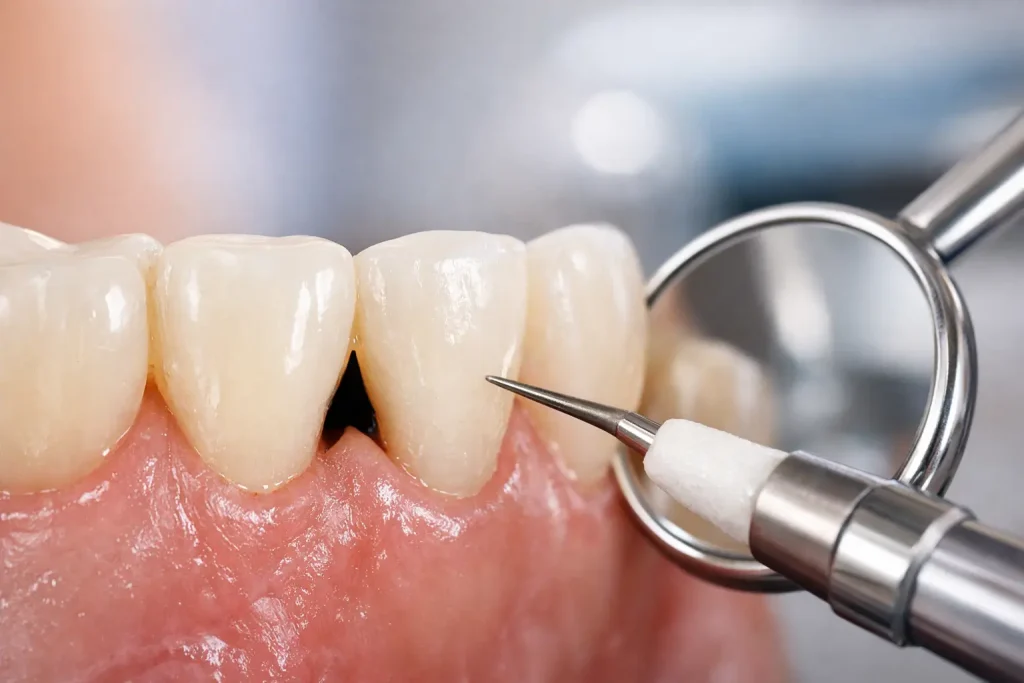
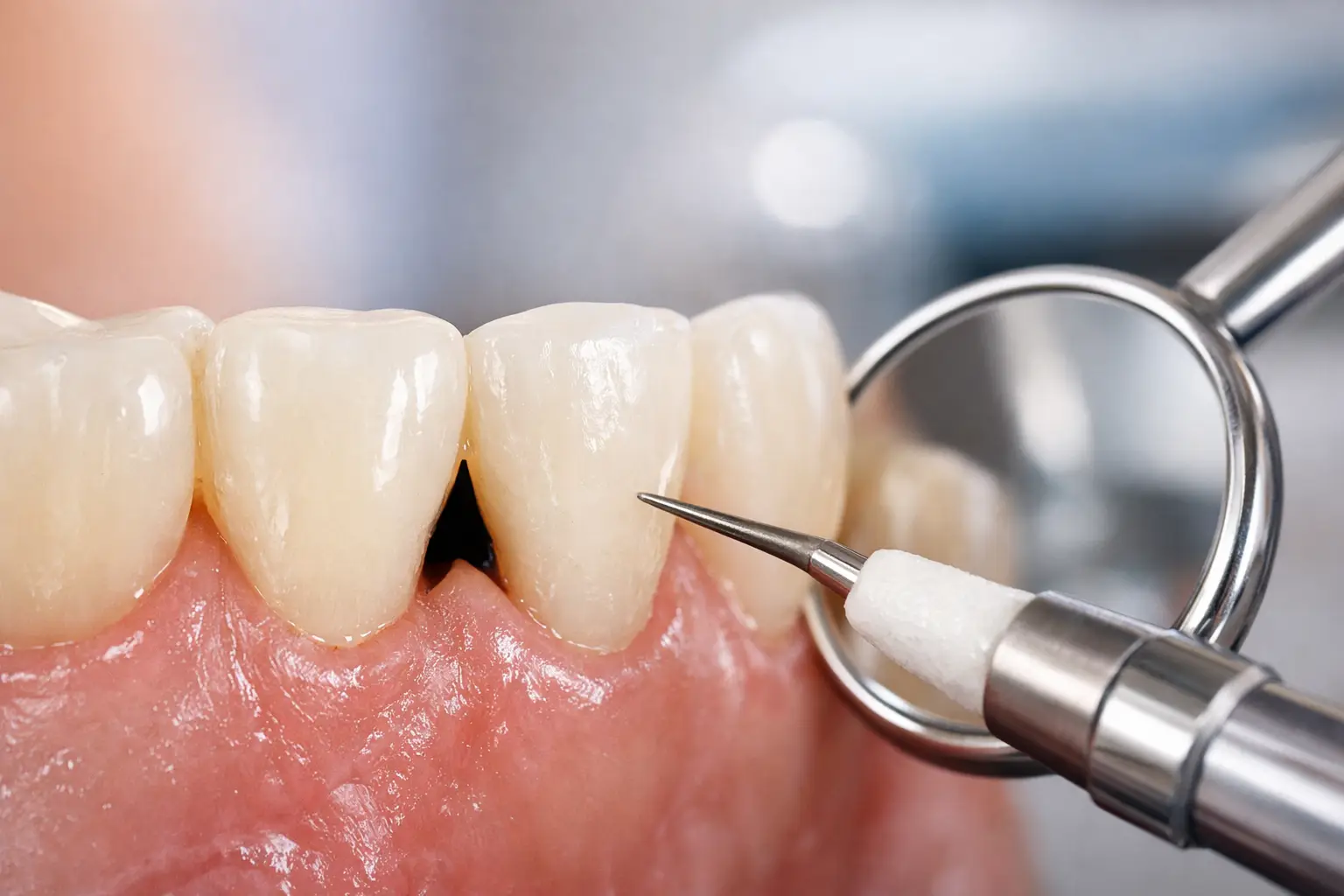
Black triangles are open spaces between teeth near the gums. They happen when the gum tissue does not fully fill the area between neighboring teeth. In dentistry, this often comes down to the shape and position of the teeth, the condition of the gums, or both.
For many adults, black triangles show up after gum recession, bone loss, orthodontic treatment, or years of wear. Sometimes they become more visible after a cleaning or gum treatment because inflammation goes down and the gums shrink to a healthier contour. That can be good for oral health, but not always ideal for smile aesthetics.
This is why a cosmetic fix should never start with guesswork. A space that looks small in the mirror may need a very different approach than a space caused by periodontal disease or tooth movement.
How to fix black triangles teeth based on the cause
If the goal is the best result, the first question is not which treatment is most popular. It is why the triangles formed in the first place.
Tooth shape can create the problem
Some teeth are naturally more triangular than square. When a tooth is narrower at the gumline and wider at the edge, it leaves more empty space near the gums. This is common in otherwise healthy smiles and often becomes more noticeable after braces or aligners have straightened the teeth.
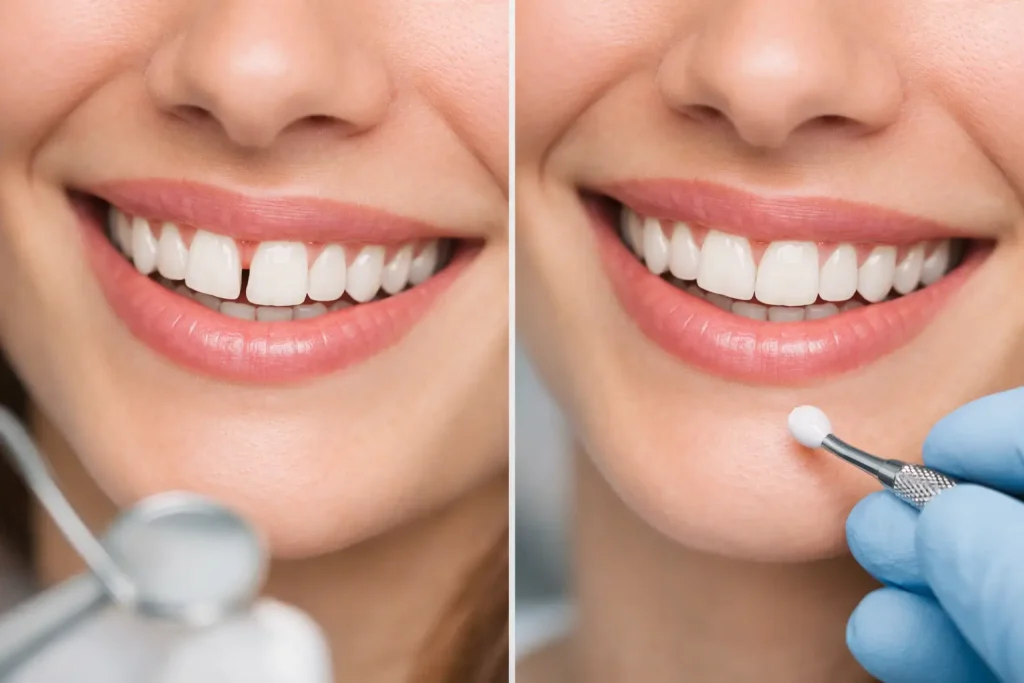
When tooth shape is the main issue, cosmetic reshaping is often the fastest path. Composite bonding can add width in the right areas so the teeth meet more naturally and the dark spaces shrink or disappear. Porcelain veneers can do the same with a more comprehensive smile design approach, especially if you also want to upgrade color, symmetry, and overall tooth proportions.
Gum recession may be the real reason
If gums have pulled back because of periodontal disease, aggressive brushing, thin tissue, or aging, there may not be enough gum tissue to fill the spaces. In these cases, simply adding material to the teeth without evaluating gum health can miss the bigger issue.
A periodontal exam matters here. Some patients benefit from deep cleaning and gum therapy first. Others may be candidates for gum-focused treatment, depending on tissue quality and the size of the spaces. The cosmetic result is often strongest when the gums are healthy and stable before any bonding or veneer work begins.
Tooth movement changes contact points
Black triangles often appear after orthodontic treatment because teeth are straighter, but the contact point between them sits too high, leaving an open space below. It can feel frustrating – your teeth are aligned, but the smile still does not look complete.
In these cases, selective enamel reshaping between teeth, minor orthodontic refinement, or bonding can help close the gap visually. Sometimes a combination works best. The answer depends on root position, tooth width, and how much room exists near the gumline.
The most effective treatment options
There is no single fix that works for everyone. What matters is choosing the treatment that improves appearance without sacrificing long-term health.
Cosmetic bonding for black triangles teeth
Composite bonding is one of the most popular solutions because it is conservative, fast, and highly aesthetic in the right hands. A dentist adds tooth-colored resin to the sides of the teeth to close the spaces and improve contours.
This option is ideal for small to moderate black triangles, especially when the teeth are healthy and the patient wants a quick cosmetic upgrade. It can often be done with little to no drilling, and results are immediate. For image-conscious professionals or patients preparing for an event, that speed matters.
The trade-off is durability. Bonding looks beautiful, but it can stain, chip, or wear over time more easily than porcelain. It also depends heavily on artistic execution. Done well, it looks natural and refined. Done poorly, it can make teeth look bulky.
Veneers for a more complete smile transformation
Porcelain veneers are a strong option when black triangles are part of a bigger cosmetic concern. If you want to correct spaces, improve color, refine shape, and create a more balanced smile, veneers offer a more controlled and dramatic transformation.
Veneers are especially effective when teeth are naturally triangular, uneven, worn, or mismatched. Because they are custom-designed, they can close black triangles while also enhancing the full smile line. For patients who want a premium aesthetic result, this is often the most powerful route.
The trade-off is that veneers are a bigger commitment than bonding. They require careful planning, design, and preparation. But when the case is selected well, they can deliver the kind of high-impact result that changes how a person feels every time they smile.
Orthodontics may still be part of the answer
If tooth position is the main issue, clear aligners or braces may help move the teeth into a better relationship. This is not always the fastest option, but it can be the smartest one when spacing, crowding, or root angulation is contributing to the triangles.
Still, orthodontics alone does not always eliminate them completely. Sometimes alignment improves the situation, but cosmetic finishing with bonding is what creates the polished final look. That combination can be very effective.
Gum treatment has a role in select cases
Some black triangles are related to active gum disease or tissue loss. In those situations, healthy gums come first. Deep cleaning, maintenance, and periodontal care can stop progression and create a more stable foundation for cosmetic treatment.
There are also gum procedures that may help in select cases, but outcomes vary depending on anatomy and severity. Patients usually get the most predictable aesthetic improvement when gum health and smile design are approached together rather than separately.
What does not work well
Many patients hope there is a whitening product, home trick, or over-the-counter fix that will make black triangles disappear. There is not. Whitening can brighten your smile, but it will not close empty space. Temporary fillers sold online are not a real dental solution and can create bigger issues with gum irritation, bite problems, and plaque buildup.
If the goal is a confident, camera-ready smile, these spaces need proper diagnosis and a treatment plan designed around your teeth and gums.
How dentists decide which fix is best
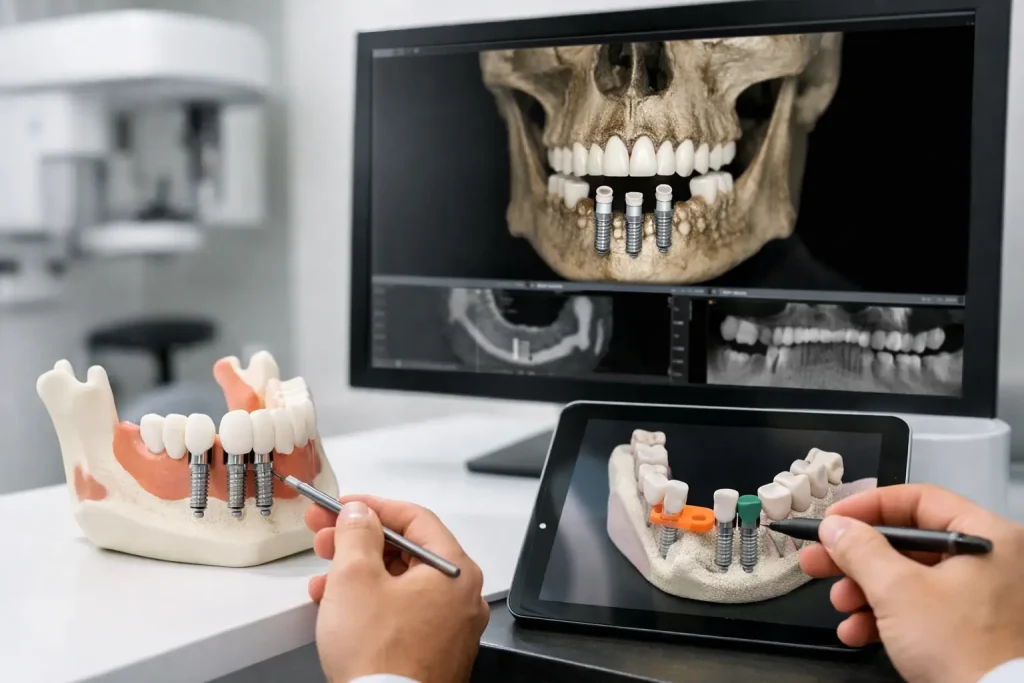
The best cosmetic result starts with a close look at tooth shape, gum height, bone support, bite, and smile goals. Photos, digital imaging, and X-rays help identify what is happening below the surface. In some cases, 3D imaging may be useful when there are larger structural concerns or implant-related questions nearby.
Then it becomes a design decision as much as a dental one. Do you want the most conservative option? The fastest visible improvement? The most comprehensive makeover? Those answers shape the treatment.
For example, a patient with healthy teeth and tiny black triangles may be happiest with bonding alone. A patient with discoloration, worn edges, and uneven shapes may get a far better result from veneers. A patient with gum disease needs health stabilized first. There is no one-size-fits-all answer, and that is exactly why customized planning matters.
When to treat black triangles sooner rather than later
Black triangles are not always just cosmetic. They can trap food more easily and make flossing frustrating. Some patients also notice speech changes or feel self-conscious in close conversation and photos. If the spaces are getting larger, bleeding is present, or the gums look like they are receding, it is worth having them evaluated promptly.
For cosmetic patients, timing also matters because the earlier you address shape and gum changes, the more options you may have. Waiting can mean more recession, more wear, and more complicated treatment later.
At Smile Dental Center Group, smile design is built around exactly this kind of planning – combining aesthetics, function, and the right treatment sequence for a result that looks confident and feels natural.
If black triangles are making your smile look incomplete, the fix may be simpler than you think or more comprehensive than you expected. Either way, the right answer is the one that protects your oral health and gives you a smile you are excited to show. A beautiful smile is always in style, and small details like these can make a big difference.