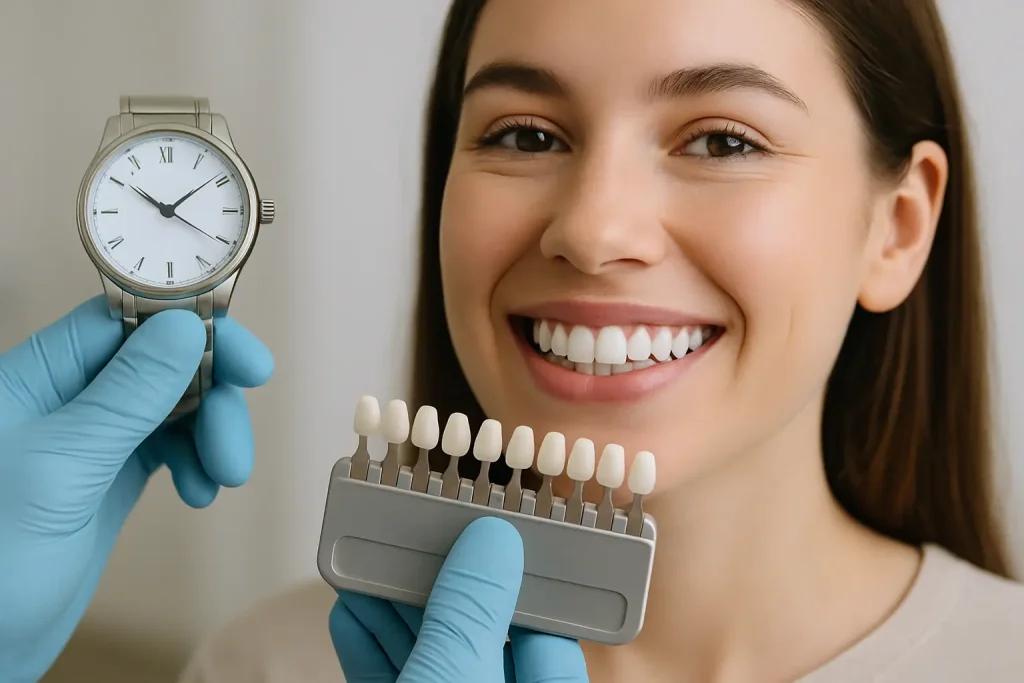

You can usually tell when someone is shopping for veneers because they’re not asking, “Do veneers work?” They’re asking, “Which one will look the most natural in photos, stay white, and still feel like me?” That’s the real decision behind porcelain veneers vs composite veneers: not whether you’ll get a nicer smile, but how you want that upgrade to perform day after day – at work, at dinner, on camera, and years from now.
This isn’t a one-size-fits-all choice. Both materials can create a beautiful, confident, high-impact smile. The difference is how they get you there, how long they hold that result, and what trade-offs you’re willing to make for time, budget, and durability.
Porcelain veneers vs composite veneers: the real difference
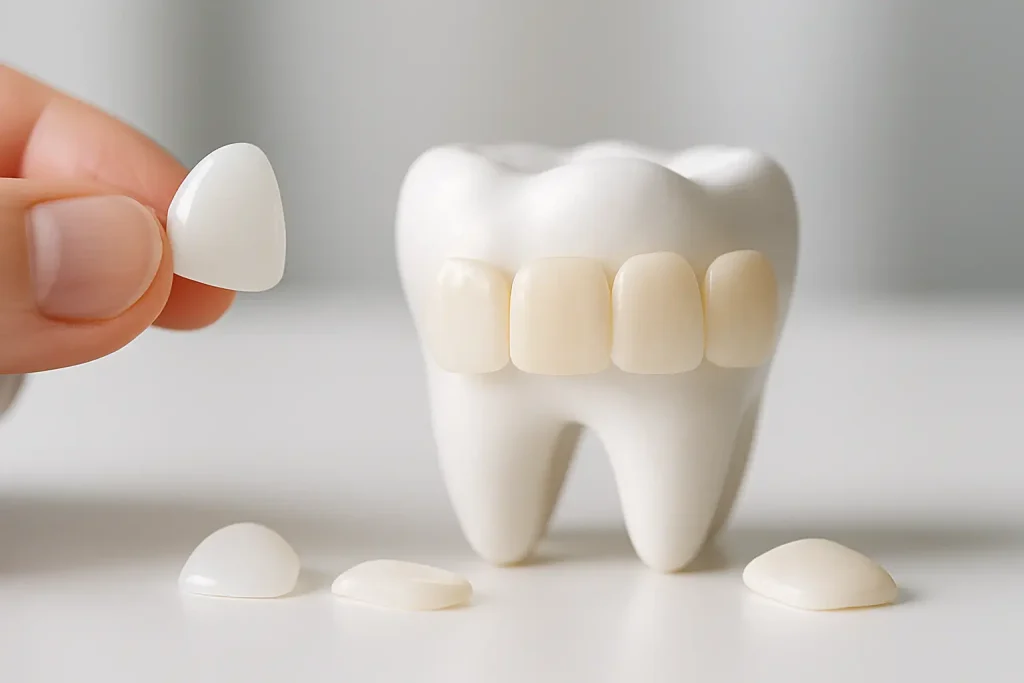
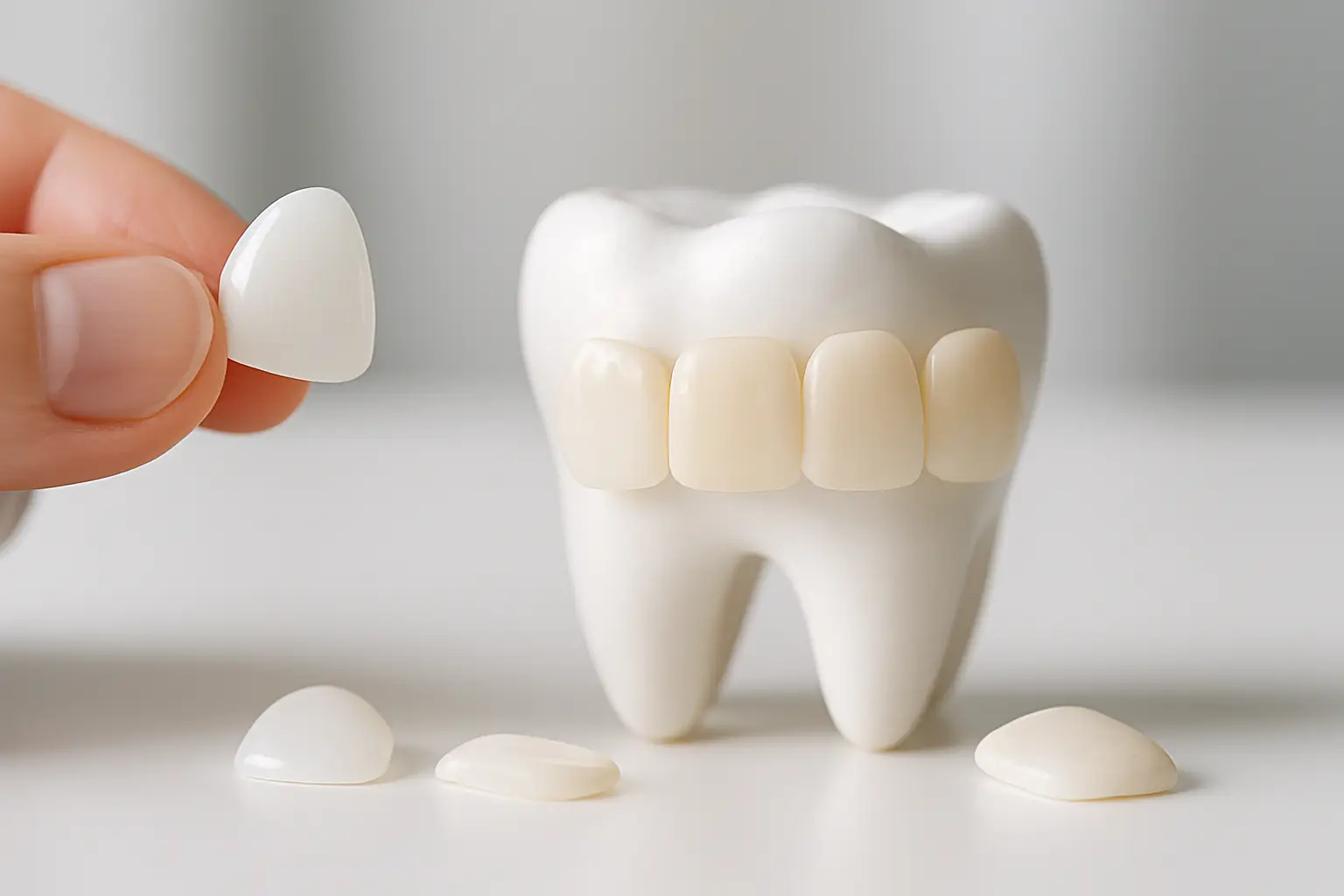
Think of porcelain veneers as custom-crafted restorations made outside your mouth, then bonded onto your teeth. They’re designed to be strong, stain-resistant, and extremely consistent in shade and shape.
Composite veneers are built from tooth-colored resin. In many cases, your dentist sculpts them directly on your teeth in the chair, then shapes and polishes them to match your smile goals.
Both can close gaps, lengthen short teeth, reshape uneven edges, and brighten the overall look of your smile. But they behave differently over time, especially when it comes to shine, staining, and maintenance.
What your smile goals say about your best option
If you want a “camera-ready” finish with that crisp, luminous look that stays stable for years, porcelain tends to deliver the highest ceiling of aesthetics. The material reflects light in a way that’s very close to natural enamel, and the glaze holds up well against everyday staining.
If you want a fast transformation, a more budget-friendly entry point, or a solution that keeps more flexibility for future changes, composite can be a smart move. A well-done composite case can look impressive right away, especially for minor to moderate corrections.
The key is being honest about your priorities. Some patients want the most premium final look possible. Others want meaningful improvement now, with the option to upgrade later. Neither is “wrong.” It’s about choosing the right performance level for your lifestyle.
Aesthetics: which looks more natural?
Porcelain is the leader for long-term polish and color stability. It tends to keep a glassy, enamel-like surface that looks refined in bright lighting and close-up photos. Because porcelain veneers are fabricated with precise layering and characterization, they can mimic the subtle depth of natural teeth – not just one flat white.
Composite veneers can look very natural too, but the outcome is more technique-sensitive. The dentist is essentially creating the veneer by hand. In the right hands, that’s artistry. Over time, though, composite is more likely to lose a little shine and pick up surface staining, especially if you love coffee, red wine, or smoking.
If your goal is a high-glam, “always in style” smile that stays consistent with less upkeep, porcelain usually wins. If your goal is a strong improvement with a softer investment and you’re okay with more maintenance, composite can absolutely deliver.
Longevity and durability: how long do they last?
This is where the performance gap becomes clearer.
Porcelain veneers commonly last longer than composite veneers when they’re properly planned, bonded, and cared for. They’re more resistant to wear and fractures from daily chewing forces. That said, porcelain can chip if you bite hard objects or grind your teeth aggressively – and a damaged porcelain veneer usually needs replacement.
Composite veneers tend to have a shorter lifespan and may require touch-ups over the years. The resin can wear down at the edges, lose surface luster, or chip in small areas. The upside is that composite is often easier to repair in the chair without fully replacing the veneer.
If you know you clench or grind at night, the conversation should include protection (often a night guard) no matter which option you choose. Veneers are a cosmetic investment, and protecting that investment is part of getting the best results.
Stain resistance: who stays whiter longer?
Porcelain is significantly more stain-resistant than composite. It’s not “stain-proof,” but it holds its color far better over time. If you want a bright shade and you don’t want to worry as much about every latte, porcelain is typically the easier long-term choice.
Composite is more porous on a microscopic level. With good polishing and good habits, it can stay attractive – but it’s more likely to pick up discoloration. Many patients with composite veneers plan for periodic polishing and maintenance to keep them photo-ready.
One important nuance: whichever veneer you choose, the teeth next to them can still stain. That’s why smile design planning often includes whitening before veneers, so everything blends naturally and you’re not chasing color mismatches later.
Tooth prep and reversibility: how “permanent” is this?
Veneers are a commitment, but the level of tooth preparation varies.
Porcelain veneers often require removing a thin layer of enamel to create space and achieve a natural contour. That prep is typically conservative, but it’s not always reversible. Once enamel is reduced, you’ll likely always need a veneer or another restoration on that tooth.
Composite veneers can sometimes be done with minimal prep, depending on your bite and the corrections needed. In certain cases, composite can be more conservative and more adjustable – which can be appealing if you’re younger, you’re not ready to commit to porcelain, or you’re testing a new smile shape before going premium.
However, minimal prep isn’t automatically “better.” If your teeth are already prominent or your bite is tight, adding material without proper planning can make teeth look bulky or affect function. The best approach is the one that balances aesthetics with comfort and long-term stability.
Timing: how fast can you get results?
Composite veneers often deliver the fastest visible transformation. Many cases can be completed in one visit or in a short series of visits, because the material is sculpted and finished chairside.
Porcelain veneers usually take longer because they involve a lab phase: planning, impressions or digital scans, fabrication, and a bonding appointment. Some patients wear temporaries along the way. The trade-off is precision, strength, and a finish that tends to stay beautiful with less maintenance.
If you’re on a deadline (a wedding, a big trip, a new role with lots of face time), talk about your timeline early. Veneers are elective, but your schedule is real – and the plan should match it.
Cost: what are you really paying for?
Pricing depends on your location, your case complexity, and how many teeth are being treated, but the general pattern is consistent: porcelain veneers usually cost more upfront than composite veneers.
That higher investment often reflects lab craftsmanship, material performance, and long-term aesthetics. Composite tends to be more accessible initially, but it may come with more maintenance over time, and it may need replacement sooner.
Instead of asking only “Which is cheaper?”, ask “Which fits my long-term plan?” If you want a premium, durable outcome that stays stable, porcelain can be the better value over years. If you want a meaningful upgrade now with a lower entry point, composite may be the smartest next step.
Maintenance: what it takes to keep them looking perfect
Both types of veneers need real oral care. Veneers don’t get cavities, but your natural teeth can still decay at the edges if plaque builds up. Good brushing, flossing, and regular cleanings matter.
Porcelain tends to be easier to keep looking polished because it resists stains and holds its surface finish. Composite often benefits from occasional professional polishing to refresh shine and reduce surface staining.
Bite forces matter too. If you chew ice, bite pens, or use your teeth as tools, you’re betting against your veneers. And if you grind at night, a night guard is often the difference between “my veneers look amazing” and “why did this chip?”
Who is a better candidate for each?
Porcelain is often ideal if you want a dramatic, high-end smile design result, you’re correcting multiple teeth, or you want a long-lasting finish that stays bright and glossy.
Composite can be ideal if your changes are more conservative, you want a faster transformation, you want a more budget-friendly option, or you like the idea of a material that can be repaired and adjusted more easily.
There are also cases where neither is the first step. If you have active gum inflammation, untreated cavities, or bite problems that will overload the veneers, the best cosmetic result comes from getting the foundation right first. That might mean a deep cleaning, fillings, a night guard, or other restorative work before you ever start smile design.
How a smile design consult should decide this for you
The best veneers don’t start with the material. They start with a plan: tooth proportions, symmetry, how your smile frames your face, and how your bite will function.
A proper consultation typically includes photos, measurements, and imaging so your dentist can evaluate enamel, gum levels, and bite forces. From there, the decision between porcelain and composite becomes clearer because it’s based on your anatomy and your goals – not just a trend.
If you want a streamlined way to get an expert take quickly, you can request a smile evaluation and even upload photos through Smile Dental Center Group. When the planning is dialed in, veneers stop being a gamble and start being a predictable transformation.
The choice that keeps you confident
If you’re deciding between porcelain veneers vs composite veneers, focus on the kind of confidence you want to buy: the long-term, low-maintenance confidence of porcelain, or the flexible, fast and cost-conscious confidence of composite. Either way, the best smiles aren’t just “whiter.” They look intentional, fit your face, and feel comfortable every day – the kind of upgrade you don’t have to explain, because it simply looks like you on your best day.