


Key Takeaways
- Temporary veneers protect your prepared teeth while your permanent veneers are being fabricated in the lab
- They typically stay in place for one to three weeks, depending on lab turnaround time
- Temporary veneers require extra care—avoid hard, sticky, and very hot or cold foods
- Minor sensitivity, roughness, and color differences are normal and expected
- If a temporary veneer comes loose, contact your dentist promptly but do not panic
Temporary veneers are provisional restorations placed over your prepared teeth while your permanent porcelain veneers are being custom-fabricated in a dental laboratory. They serve a critical protective function, shielding exposed tooth structure from sensitivity, damage, and bacteria. While they are not as strong or aesthetic as your final veneers, understanding what to expect makes the waiting period much more manageable.
What Are Temporary Veneers?
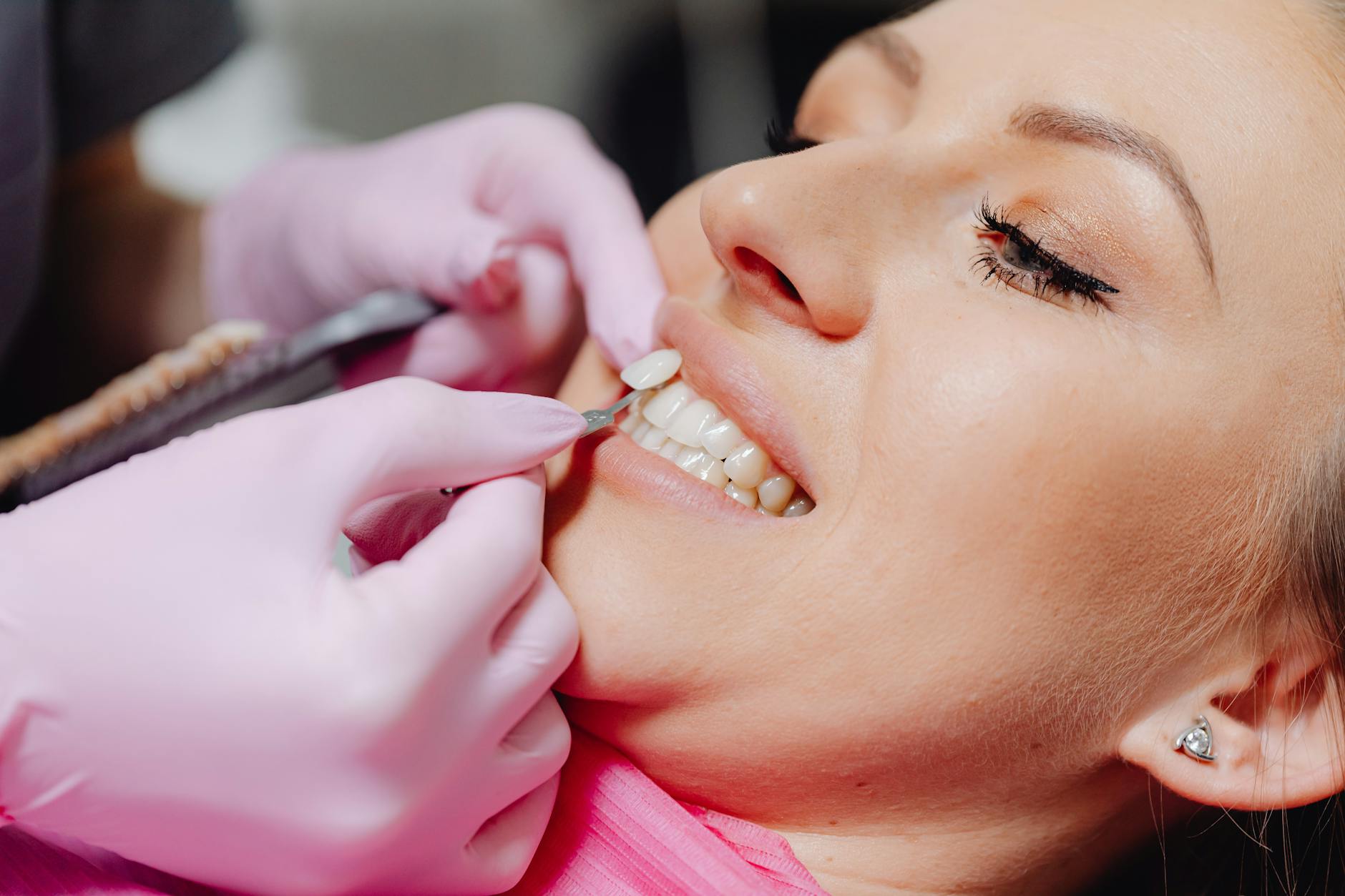
When you receive porcelain veneers, the process typically requires two appointments. At the first visit, your dentist prepares your teeth by removing a thin layer of enamel (usually 0.3–0.7mm) to create space for the veneers. This is a permanent alteration, which means your teeth need protection until the final restorations are ready.
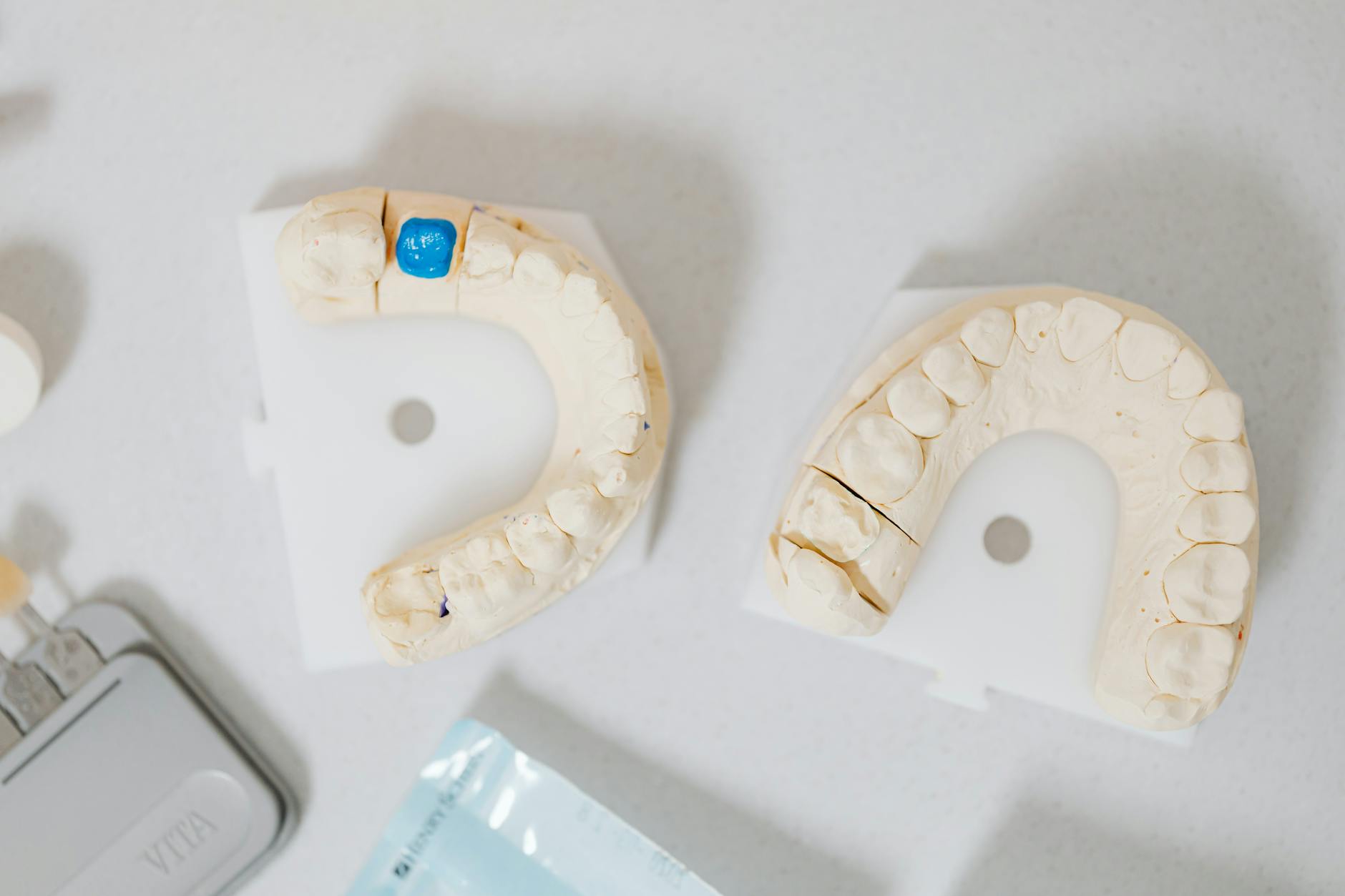
Temporary veneers fill this gap. They are made from acrylic resin or composite material, either fabricated chairside or from a preliminary impression of your teeth. They are bonded with a temporary cement that is strong enough to stay in place during daily activities but weak enough to be removed easily at your next appointment.
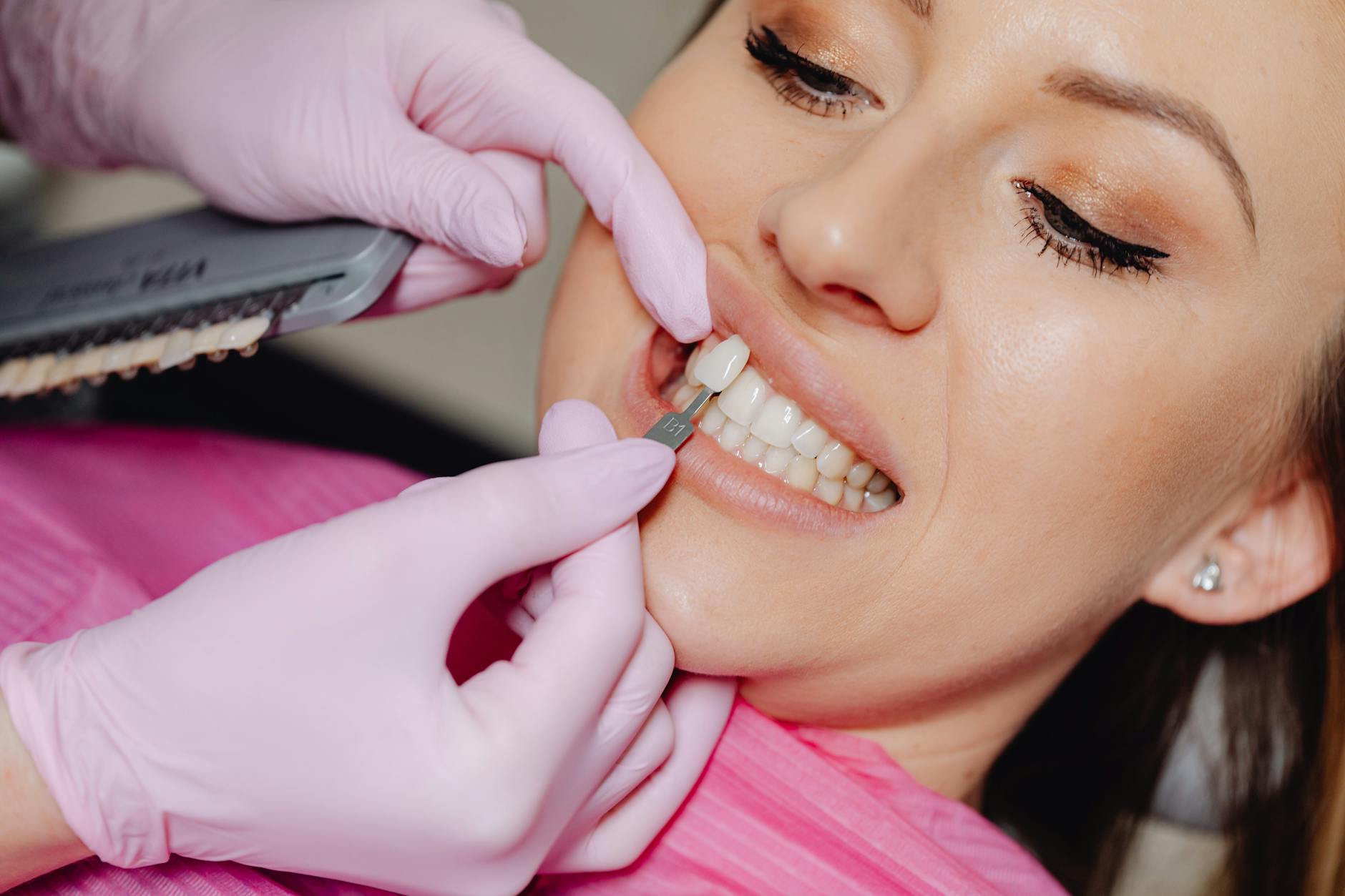
According to the American Academy of Cosmetic Dentistry, the fabrication period for high-quality porcelain veneers typically ranges from 7 to 21 days, depending on the complexity of the case and the laboratory used. During this time, your temporary veneers serve as both a functional and aesthetic placeholder.
Why Do You Need Temporary Veneers?
Temporary veneers are not optional—they serve several essential purposes:
- Protection: Once enamel is removed, the underlying dentin is exposed. Dentin contains microscopic tubules that connect directly to the tooth’s nerve, making the tooth sensitive to temperature, pressure, and bacteria. Temporary veneers seal these tubules.
- Aesthetics: Prepared teeth look smaller, irregular, and discolored without coverage. Temporary veneers maintain a presentable appearance so you can go about your daily life with confidence.
- Spacing: They hold the position of your teeth and gums, preventing tissue from shifting before your permanent veneers are placed.
- Preview: In some cases, temporary veneers are designed to approximate the shape and length of your final restorations, giving you a preview of your new smile.
- Bite function: They allow you to chew (carefully) and speak normally during the waiting period.
What to Expect When Wearing Temporary Veneers
It is important to set realistic expectations. Temporary veneers are not your final result—they are a functional interim solution. Here is what is normal:
Sensitivity
Some degree of tooth sensitivity is common after enamel preparation, particularly to cold drinks and air. This is a normal response that typically diminishes within a few days. Over-the-counter sensitivity toothpaste (containing potassium nitrate) can help during this period.
Appearance
Temporary veneers will not look like your final porcelain veneers. The color may be slightly off, the surface texture will be less refined, and the edges may feel rougher against your tongue. This is expected—they are made from acrylic, not ceramic, and are not custom-glazed.
Speech
You may notice slight changes in speech, particularly with “s” and “th” sounds, during the first day or two. Your tongue needs time to adapt to the new contours of your teeth. Most patients adjust within 24 to 48 hours. Reading aloud can accelerate the adjustment process.
Gum Irritation
Mild gum tenderness around the prepared teeth is common. The margins of temporary veneers are not as precisely fitted as permanent ones, which can cause minor irritation. Warm saltwater rinses (half a teaspoon of salt in eight ounces of warm water) can soothe inflamed tissue.
How to Care for Temporary Veneers (Dos and Don’ts)
Do:
- Brush gently with a soft-bristled toothbrush twice daily
- Use sensitivity toothpaste if you experience discomfort
- Eat soft foods—soups, pasta, scrambled eggs, yogurt, soft fish, and mashed potatoes are ideal
- Chew on your back teeth to avoid putting pressure on the temporary veneers
- Rinse with warm saltwater if your gums are sore
- Call your dentist if a temporary comes loose, chips, or causes persistent pain
Don’t:
- Eat hard, crunchy, or sticky foods—no nuts, hard candy, caramel, popcorn, or raw carrots
- Bite into food with your front teeth—cut everything into small pieces first
- Floss aggressively—slide floss out sideways rather than pulling up, which can dislodge the temporary
- Use whitening toothpaste or mouthwash—abrasive products can damage the acrylic surface
- Consume extremely hot or cold foods—temperature extremes increase sensitivity
- Chew gum—even sugar-free gum can pull temporaries off
- Try to adjust or remove them yourself—this can damage your prepared teeth
Common Problems with Temporary Veneers (And What to Do)
Temporary Veneer Fell Off
This is the most common issue. If a temporary veneer comes loose or falls off completely, do not panic. Save the piece, keep it clean, and contact your dentist’s office as soon as possible. In many cases, it can be rebonded the same day. While waiting, avoid eating on the affected side and keep the exposed tooth clean with gentle rinsing.
Do not attempt to reattach it yourself with household adhesive. Over-the-counter dental cement (available at pharmacies) can serve as a very short-term solution if you cannot see your dentist immediately, but professional reattachment is always preferable.
Rough or Sharp Edges
If the edges of your temporary veneers feel rough or are irritating your cheeks or tongue, your dentist can smooth them quickly at a brief follow-up visit. In the meantime, dental wax (available at any pharmacy) can be applied to the rough area for comfort.
Sensitivity That Gets Worse
Mild sensitivity that improves over the first few days is normal. However, if sensitivity intensifies, becomes a throbbing pain, or you develop swelling, contact your dentist. This could indicate that the temporary is not sealing properly or that the tooth preparation has irritated the nerve.
Color Mismatch
Temporary veneers are not shade-matched to your final result. If the color looks different from what you discussed with your dentist, do not worry—your permanent veneers will be custom-colored to your exact specifications.
How Long Do Temporary Veneers Last?
Temporary veneers are designed to last only as long as the fabrication period for your permanent set—typically one to three weeks. They are not engineered for long-term use.
In cases where there are delays in lab fabrication or the patient needs to reschedule, temporary veneers may need to remain in place for up to four to six weeks. While this is manageable, the longer they stay, the higher the risk of issues like debonding, staining, or margin leakage. If your permanent veneer appointment needs to be delayed, inform your dentist so they can assess whether the temporaries need to be replaced or reinforced.
Under no circumstances should temporary veneers be worn as a permanent solution. The materials degrade over time, the bond weakens, and the seal against bacteria becomes increasingly compromised.
From Temporary to Permanent: What Happens Next
The transition from temporary to permanent veneers is one of the most exciting appointments in cosmetic dentistry. Here is what the process looks like:
- Removal of temporaries: Your dentist gently removes the temporary veneers and cleans any remaining cement from the tooth surface. This is painless and takes just a few minutes.
- Try-in phase: The permanent veneers are placed on your teeth with a water-soluble try-in paste (not permanent cement) so you can evaluate the fit, shape, and color. This is your opportunity to provide feedback.
- Adjustments: If any modifications are needed—slight shape changes, contact adjustments, or color fine-tuning—they can be made before final bonding.
- Permanent bonding: Once you approve the results, the veneers are bonded with a strong, light-cured dental adhesive. This creates a durable, long-lasting connection.
- Bite check and polish: Your dentist checks your bite from every angle and polishes the margins for a seamless finish.
- Care instructions: You will receive detailed guidance on maintaining your new veneers for maximum longevity.
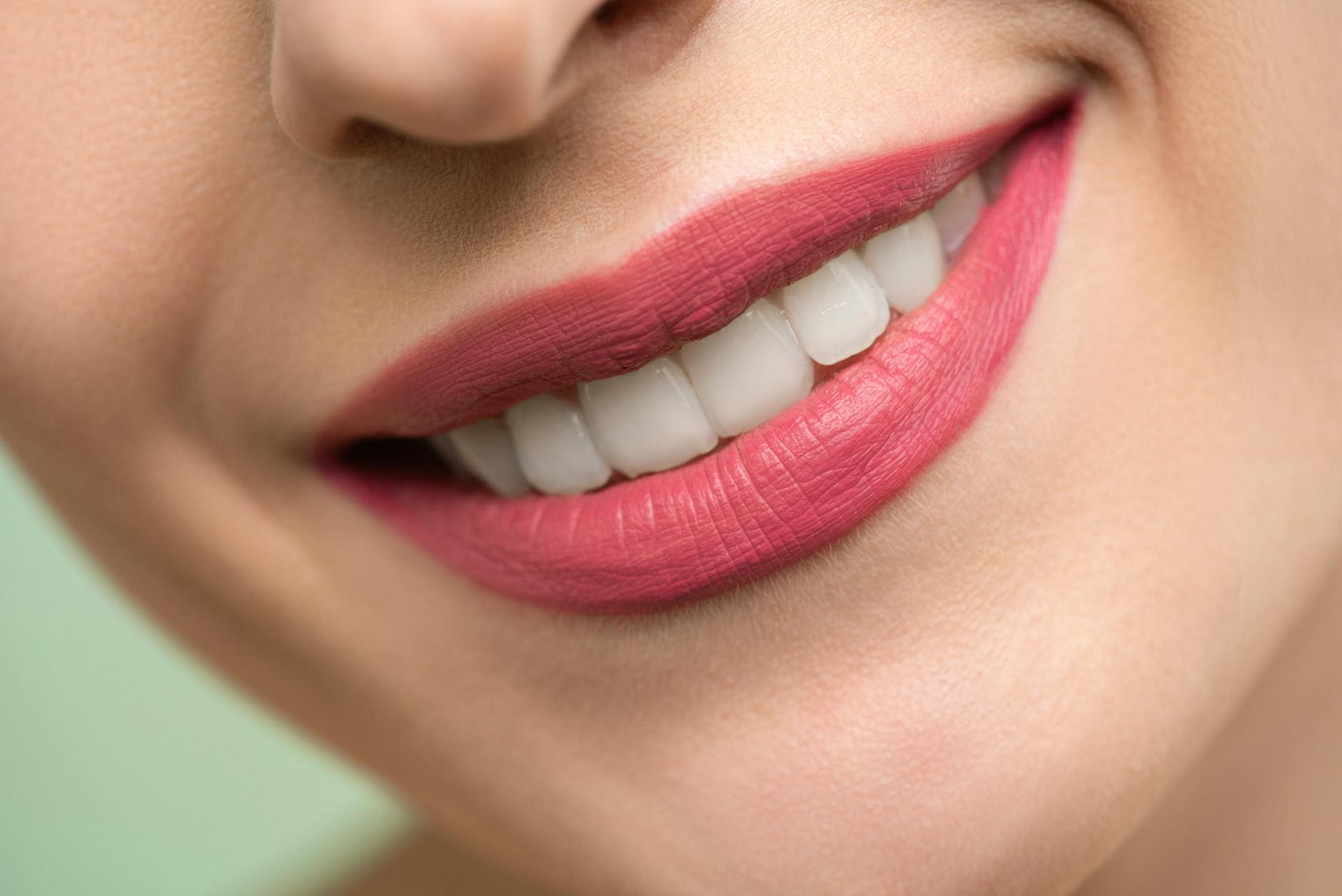
The entire appointment typically takes 60 to 90 minutes, and you leave with your final, beautiful smile. Most patients describe the difference between temporary and permanent veneers as dramatic—the improvement in aesthetics, comfort, and confidence is immediately apparent.
At Smile Dental Center, we use digital smile design technology to plan your veneers before any preparation begins, and our lab partners use premium ceramic materials to ensure results that look natural and last. Whether you visit our Miami location or our Medellín clinic, the process and quality standards are identical.
Frequently Asked Questions
Can I go to work with temporary veneers?
Absolutely. While temporary veneers are not as polished as your final set, they provide a presentable appearance that is suitable for work, social events, and daily life. Most people will not notice the difference unless they are looking very closely. The temporary veneers cover your prepared teeth completely and maintain a natural-looking smile.
What if my temporary veneer falls off at night?
If a temporary veneer falls off during sleep, save the piece and call your dentist first thing in the morning. Rinse the exposed tooth gently with warm water and avoid eating or drinking anything very hot, cold, or acidic on that side. There is no immediate danger, but the exposed dentin can be sensitive, so prompt reattachment is important.
Can I brush my teeth normally with temporary veneers?
Brush gently with a soft-bristled toothbrush and non-abrasive toothpaste. Avoid electric toothbrushes on the veneered teeth during this period, as the vibration can loosen the temporary bond. When flossing, slide the floss out sideways rather than snapping it up between the teeth, which could pull the temporary loose.
Do temporary veneers hurt?
Temporary veneers themselves should not cause pain. However, mild sensitivity to temperature changes is common during the first few days after tooth preparation. This typically resolves on its own. If you experience sharp, persistent, or worsening pain, contact your dentist as it may indicate a bonding issue or nerve irritation that needs attention.
How are temporary veneers different from permanent veneers in terms of eating?
The dietary restrictions for temporary veneers are significantly stricter than for permanent ones. Temporaries use weaker cement and softer materials, so hard, sticky, and crunchy foods must be avoided entirely. Once your permanent veneers are bonded, you can return to eating most foods normally with only minor precautions around very hard items like ice or hard candy.
Ready for Your Veneer Transformation?
The temporary veneer stage is a brief but important step on the journey to your perfect smile. At Smile Dental Center, we guide you through every phase of the process—from digital smile design to your final bonding appointment—so you always know what to expect.
Message us on WhatsApp or call (786) 560-7567 to book your consultation.