

Complete Guide
Composite Veneers: The Complete Guide to Same-Day Smile Transformation
Everything you need to know about composite veneers — how they work, how much they cost, how they compare to porcelain, and whether they are the right choice for your smile. This comprehensive guide covers both direct and indirect techniques, national cost averages, longevity expectations, and maintenance tips from experienced cosmetic dentists.
Key Takeaways
- Composite veneers are thin layers of tooth-colored resin sculpted directly onto teeth in a single appointment.
- They cost 40–60% less than porcelain veneers nationally, with averages of $250–$1,500 per tooth.
- Two types exist: direct (chairside, same-day) and indirect (lab-fabricated, 2 visits).
- Average lifespan is 5–10 years — shorter than porcelain but easily repairable and reversible.
- At Smile Dental Center, composite veneers start at $400/tooth in our clinics.
In Depth
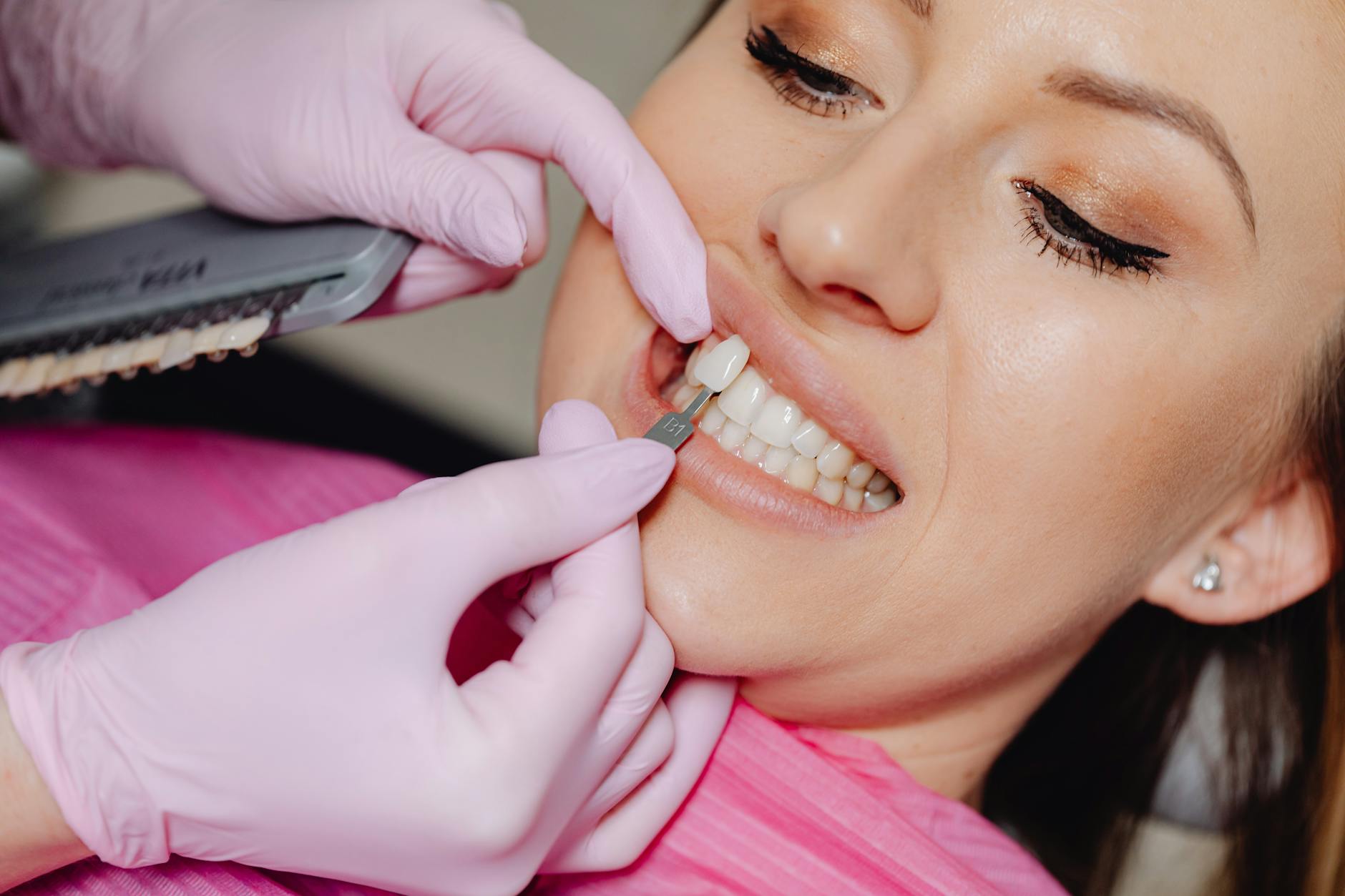
Understanding Composite Veneers
Composite veneers are a cosmetic dental treatment in which tooth-colored composite resin is applied to the front surface of one or more teeth to improve their appearance. The resin — a blend of fine glass particles suspended in an acrylic matrix — is carefully shaped and polished to replicate the look and feel of natural tooth enamel.
Unlike porcelain veneers, which are manufactured in a dental laboratory and require two or more office visits, direct composite veneers are sculpted by your dentist during a single appointment. This makes them one of the most accessible and time-efficient cosmetic dental treatments available.
Composite veneers have evolved significantly over the past decade. Modern nano-hybrid and micro-filled composite resins offer improved color stability, polishability, and wear resistance compared to earlier generations. The latest generation of composites feature nano-particle fillers that create an exceptionally smooth, polishable surface — resulting in a natural sheen that closely replicates the way healthy enamel reflects light.
When placed by an experienced cosmetic dentist, today’s composite veneers produce results that rival the appearance of porcelain at a fraction of the cost. The key to a successful composite veneer outcome lies in the dentist’s artistic ability to layer multiple shades and translucencies, creating depth and dimension that mimic natural tooth structure. This freehand artistry is what separates mediocre results from outstanding ones.
Composite veneers are also a popular choice for patients seeking a conservative, reversible cosmetic solution. Because the procedure requires little to no enamel removal, your natural teeth remain largely intact beneath the veneers. This gives you the flexibility to update, replace, or even remove the veneers in the future without compromising your underlying tooth structure — a significant advantage over more permanent treatments.
Common reasons patients choose composite veneers include:
- Correcting chipped, cracked, or worn teeth
- Closing gaps (diastema) between front teeth
- Masking discoloration that does not respond to whitening
- Reshaping uneven or asymmetrical teeth
- Creating a more uniform smile line
- Testing a “smile preview” before committing to porcelain
Types Compared
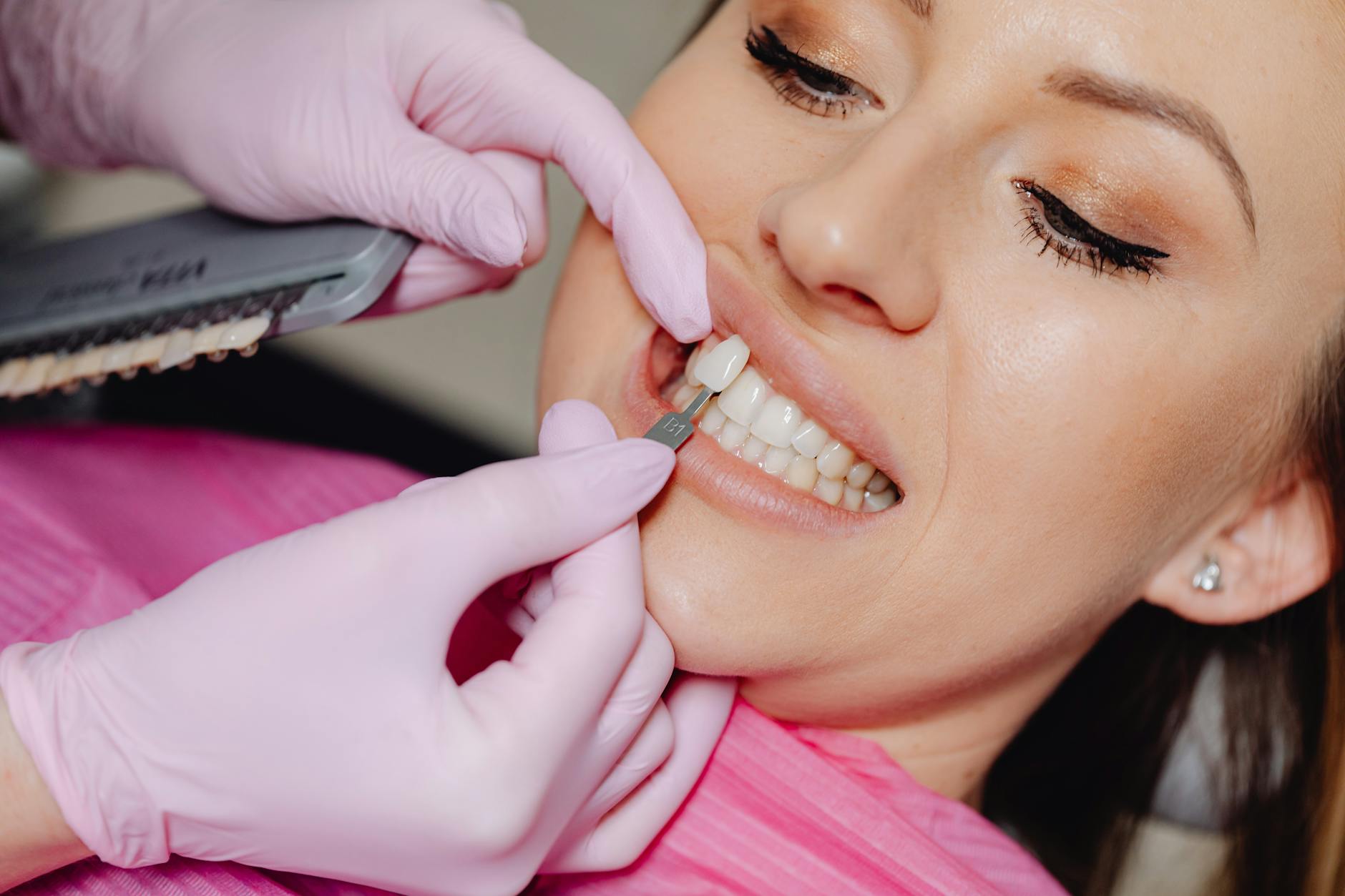
Direct vs Indirect Composite Veneers
There are two methods for placing composite veneers, each with distinct advantages:
| Factor | Direct Composite | Indirect Composite |
|---|---|---|
| Fabrication | Sculpted chairside by dentist | Fabricated in dental lab |
| Appointments | 1 visit | 2 visits |
| Strength | Good | Higher (heat-cured) |
| Fit Precision | Depends on dentist skill | Lab-controlled precision |
| Cost | Lower ($250–$800/tooth) | Higher ($500–$1,500/tooth) |
| Repairability | Easy chairside repair | May need lab repair |
At Smile Dental Center, we primarily offer direct composite veneers because they deliver beautiful results in a single visit with the added benefit of easy repairability. For complex cases requiring maximum precision, we may recommend indirect fabrication.
The choice between direct and indirect composite veneers often comes down to the number of teeth being treated and the complexity of the case. For a full smile makeover involving 8–10 teeth, direct veneers are usually the preferred option because the dentist can make real-time adjustments to ensure perfect symmetry and proportions across all teeth. For a single veneer that needs to match existing porcelain restorations with extreme precision, an indirect approach may produce a better color and fit match.
Step by Step
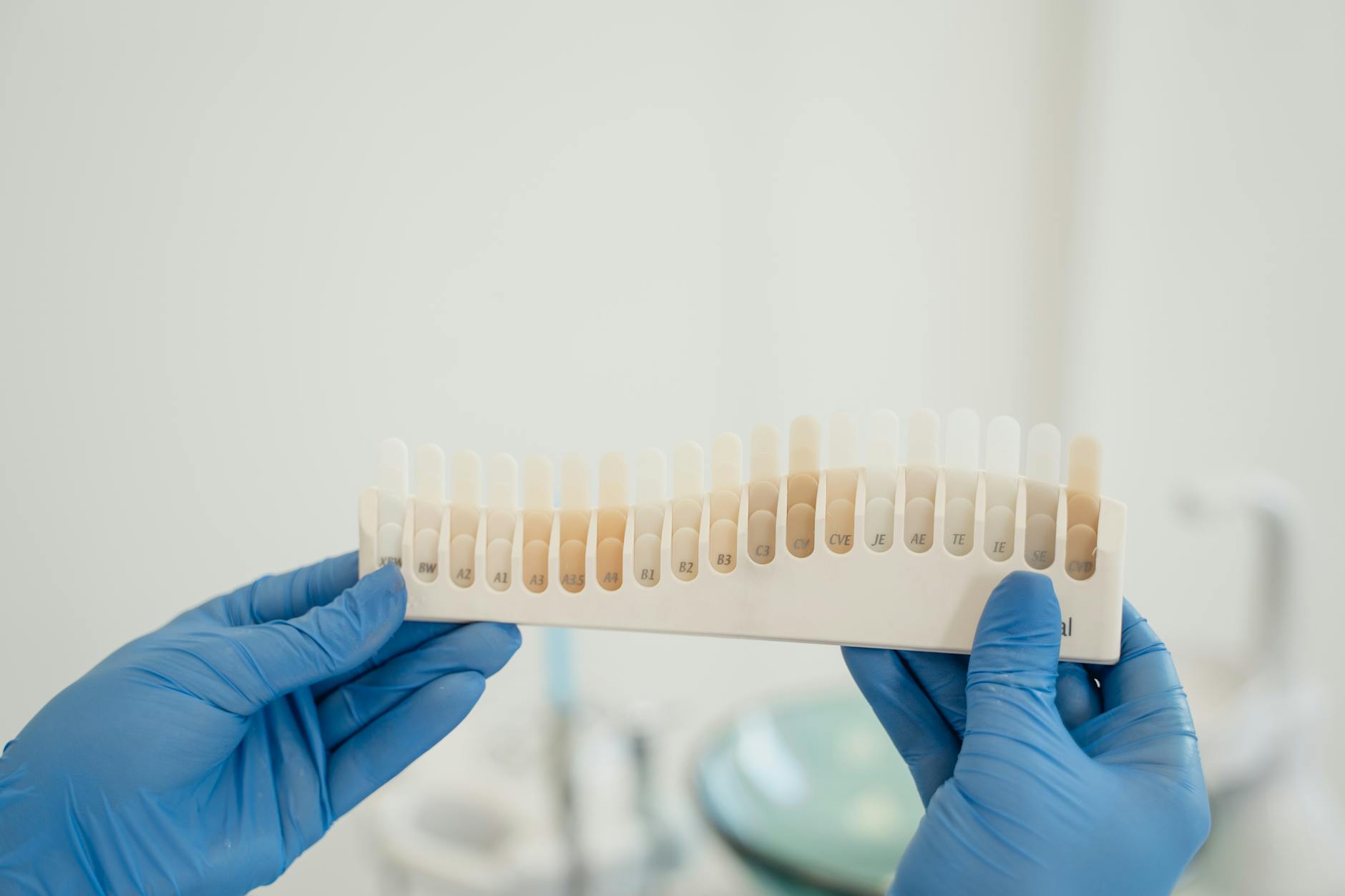
The Composite Veneer Procedure
STEP 1
Consultation & Shade Matching
Your dentist evaluates your teeth, discusses your goals, and selects the ideal composite shade using a comprehensive shade guide. Digital photos document your starting point.
STEP 2
Tooth Preparation
The tooth surface is lightly etched and a bonding agent is applied. In most cases, no enamel removal is necessary — making this step painless and drill-free.
STEP 3
Layering & Curing
Composite resin is applied in multiple thin layers. Each layer is sculpted to build the desired shape and hardened with a UV curing light. This layering technique creates depth and natural translucency.
STEP 4
Contouring & Polishing
Your dentist contours the final shape, checks your bite alignment, and polishes the surface to a high gloss. The result blends seamlessly with your natural teeth.
Investment

Cost of Composite Veneers
The cost of composite veneers varies widely based on location, dentist experience, and the type of composite used. Here is how national averages compare to Smile Dental Center pricing:
Factors that influence cost include the number of teeth, the complexity of the case (heavy reshaping vs. minor touch-ups), and geographic location. A patient needing minor shape correction on 4 front teeth will pay considerably less than someone requiring full coverage on 10 teeth with significant color change and contour modification.
Most dental insurance plans classify composite veneers as a cosmetic procedure, which means they typically are not covered. However, if the veneers also restore structural damage (chips or fractures), a portion of the cost may be eligible for insurance reimbursement. Our team will help you navigate your specific plan coverage. Learn more about how much composite veneers cost in our dedicated pricing guide.
Decision Guide
Composite vs Porcelain: Which Is Right for You?
| Consideration | Choose Composite If… | Choose Porcelain If… |
|---|---|---|
| Budget | You want results under $5,500 | You can invest $8,500+ |
| Timeline | You need same-day results | You can wait 2–3 weeks |
| Commitment | You prefer a reversible option | You want a permanent solution |
| Longevity | 5–10 years is acceptable | You want 15–25 years |
| Staining | You will maintain good habits | You want maximum stain resistance |
Still undecided? Our composite veneers page and porcelain veneers page dive deeper into each option with pricing specific to our clinics.
Long-Term Care
Longevity and Maintenance
Composite veneers typically last between 5 and 10 years, though some patients report their veneers lasting even longer with meticulous care. The key factors that determine longevity include:
Oral Hygiene
Brush twice daily with a soft-bristle toothbrush and non-abrasive toothpaste. Floss daily to protect the gumline around your veneers.
Dietary Habits
Limit highly pigmented foods and beverages. Rinse with water after consuming coffee, tea, or red wine to minimize surface staining.
Professional Care
Visit your dentist every 6 months for checkups and annual polishing to restore the original luster of your composite veneers.
Protective Measures
Wear a night guard if you grind your teeth. Avoid using teeth as tools — no opening packages or biting hard objects.
One of the greatest advantages of composite veneers is their repairability. If a veneer chips or stains over time, your dentist can patch, reshape, or re-polish it in a single short appointment — unlike porcelain, which must be completely replaced. This makes composite veneers a practical choice for patients who want the ability to maintain and refresh their smile incrementally over the years.
Think of composite veneers as a renewable investment in your smile: rather than a single large expenditure that lasts decades (like porcelain), they offer a lower upfront cost with periodic, affordable maintenance to keep them looking fresh. For many patients, this approach aligns better with their financial planning and lifestyle. Read more in our guide to whether composite veneers are worth it.
Ideal Candidates
Who Should Consider Composite Veneers?
Composite veneers are suitable for a broad range of patients, but they are especially well-suited for specific situations. Understanding whether you fall into one of these categories can help you determine if composite veneers are the right choice for your goals.
Budget-conscious patients: If the cost of porcelain veneers is beyond your current budget but you want a significant cosmetic improvement, composite veneers deliver exceptional results at roughly half the price. Many patients choose composites now with the intention of upgrading to porcelain in the future.
Younger patients (under 25): Dental professionals often recommend composite over porcelain for patients in their teens and early twenties because their teeth and gums are still maturing. Composite veneers allow for future adjustment as the mouth reaches full maturity.
Patients with minor cosmetic concerns: If your teeth are fundamentally healthy but you want to close small gaps, smooth out irregularities, or brighten a few shades, composite veneers offer an efficient solution without over-treating the issue.
Time-sensitive situations: With a wedding, graduation, or important job interview approaching, composite veneers provide a complete smile transformation in a single appointment — no waiting for lab fabrication.
Patients exploring cosmetic dentistry for the first time: Because composite veneers are reversible and minimally invasive, they serve as an excellent introduction to cosmetic dentistry. You get to experience the emotional impact of a new smile without a permanent commitment.
1
Visit Required
60%
Less Than Porcelain
5–10
Year Lifespan
Realistic Expectations
What to Expect After Getting Composite Veneers
Immediately after your composite veneer appointment, you can eat, drink, and resume all normal activities. Unlike porcelain veneers that require a temporary period while the lab fabricates your permanent restorations, composite veneers are fully functional the moment you leave the chair.
In the first few days, you may notice a slight difference in how your bite feels — this is normal as your mouth adjusts to the new tooth contours. If any spots feel high or uncomfortable, contact your dentist for a quick bite adjustment, which takes only minutes.
Over the first year, you may notice subtle changes in the surface texture as the composite settles. This is perfectly normal and can be addressed with a professional polish during your regular check-up. The composite resin reaches its maximum hardness within 24 hours of placement, but the surface characteristics continue to mature over the first few weeks.
Long term, the most common change patients observe is gradual surface dulling — the high-gloss finish from day one will naturally diminish over 12–18 months of daily use. This is why we recommend annual professional polishing as part of your maintenance routine. With consistent care, many patients report their composite veneers looking fresh and natural for 7–10 years before considering replacement or upgrade.
Common Questions
Common Questions About Composite Veneers
How long do composite veneers last?
Composite veneers last an average of 5–10 years with proper care. Factors like oral hygiene, diet, teeth grinding, and regular dental visits all play a role. The good news is that when they wear down, they can be easily repaired or replaced in a single appointment.
Do composite veneers damage your teeth?
No. Direct composite veneers require little to no enamel removal, making them one of the most conservative cosmetic treatments available. Your natural tooth structure remains largely intact, and the procedure is reversible if you decide to pursue a different treatment in the future.
Can I whiten composite veneers?
Composite resin does not respond to teeth whitening treatments like natural enamel does. If your veneers become discolored, professional polishing can restore their brightness. For a significant shade change, your dentist can replace the composite with a lighter shade.
Are composite veneers noticeable?
When placed by an experienced cosmetic dentist, composite veneers are virtually undetectable. The key is skilled layering — using multiple shades and translucencies to mimic natural enamel. At Smile Dental Center, our dentists have years of experience creating seamless, natural-looking composite veneers.
What is the difference between dental bonding and composite veneers?
Dental bonding uses the same composite resin material but is typically applied to a single tooth or small area to repair a chip or fill a gap. Composite veneers cover the entire front surface of multiple teeth to create a comprehensive smile makeover. The materials are identical — the scope of treatment is what differs. Think of bonding as a spot repair and veneers as a full renovation. Both have their place, and your cosmetic dentist will recommend the approach that best matches the extent of your concerns and your aesthetic goals.
Ready to Get Started?
Schedule Your Free Composite Veneer Consultation
Whether you are considering composite veneers for the first time or exploring an upgrade from a previous treatment, Smile Dental Center is here to guide you. Book a complimentary consultation at our Miami or Medellín clinic.
WhatsApp: (786) 560-7567 | Miami | Medellín