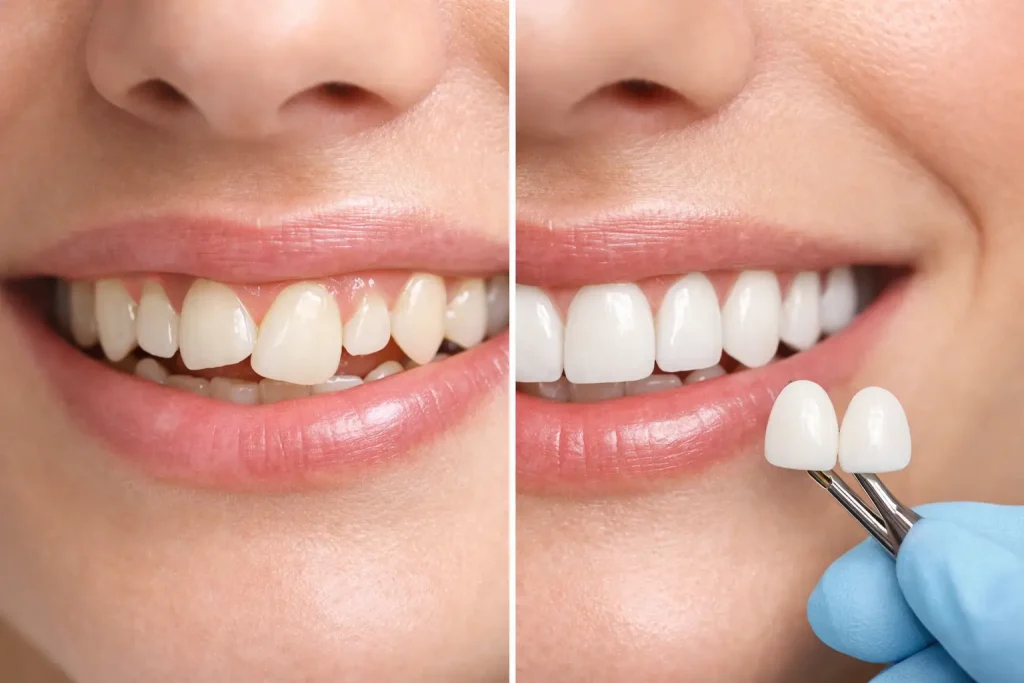

You can spot it in photos right away – a smile that suddenly looks brighter, more even, and more “finished.” That’s the appeal behind composite veneers composite veneers in Miami before and after transformations: they don’t just change teeth. They change how you show up at work, on dates, on camera, and in the moments you actually care about.
Composite veneers (also called resin veneers or bonding veneers) are custom layers of tooth-colored composite that your dentist sculpts to the front of your teeth. They’re designed to upgrade shape, color, and symmetry, often in a faster, more conservative way than porcelain. The best part is that the “after” can look natural, not fake – when it’s planned like a smile design, not a quick patch.
Composite veneers before and after: what actually changes
Most people imagine veneers as only a whitening upgrade. In reality, composite veneers can shift the whole look of your smile because they change the things the eye reads first: edges, proportions, and alignment.
Before treatment, patients often have teeth that are healthy but visually distracting – chips, uneven edges, small gaps, worn-down corners, or a mismatched shade that whitening alone can’t fully fix. After treatment, the teeth typically look longer (without looking “big”), edges appear cleaner and more symmetrical, and the smile line looks smoother across the front teeth.
Color can improve too, but it depends. Composite veneers can cover mild to moderate discoloration and create a brighter, more uniform shade. If the “before” includes deep internal staining or old dark fillings showing through, the “after” may need a different plan (sometimes porcelain or a combination approach) to get a truly high-brightness result.
Another big before-and-after difference is how teeth relate to your lips. When the front teeth are worn down, your smile can look flatter and less youthful. Building the right length and contour can bring back a crisp, confident look – especially in photos.
The most common “before” situations composite veneers can improve
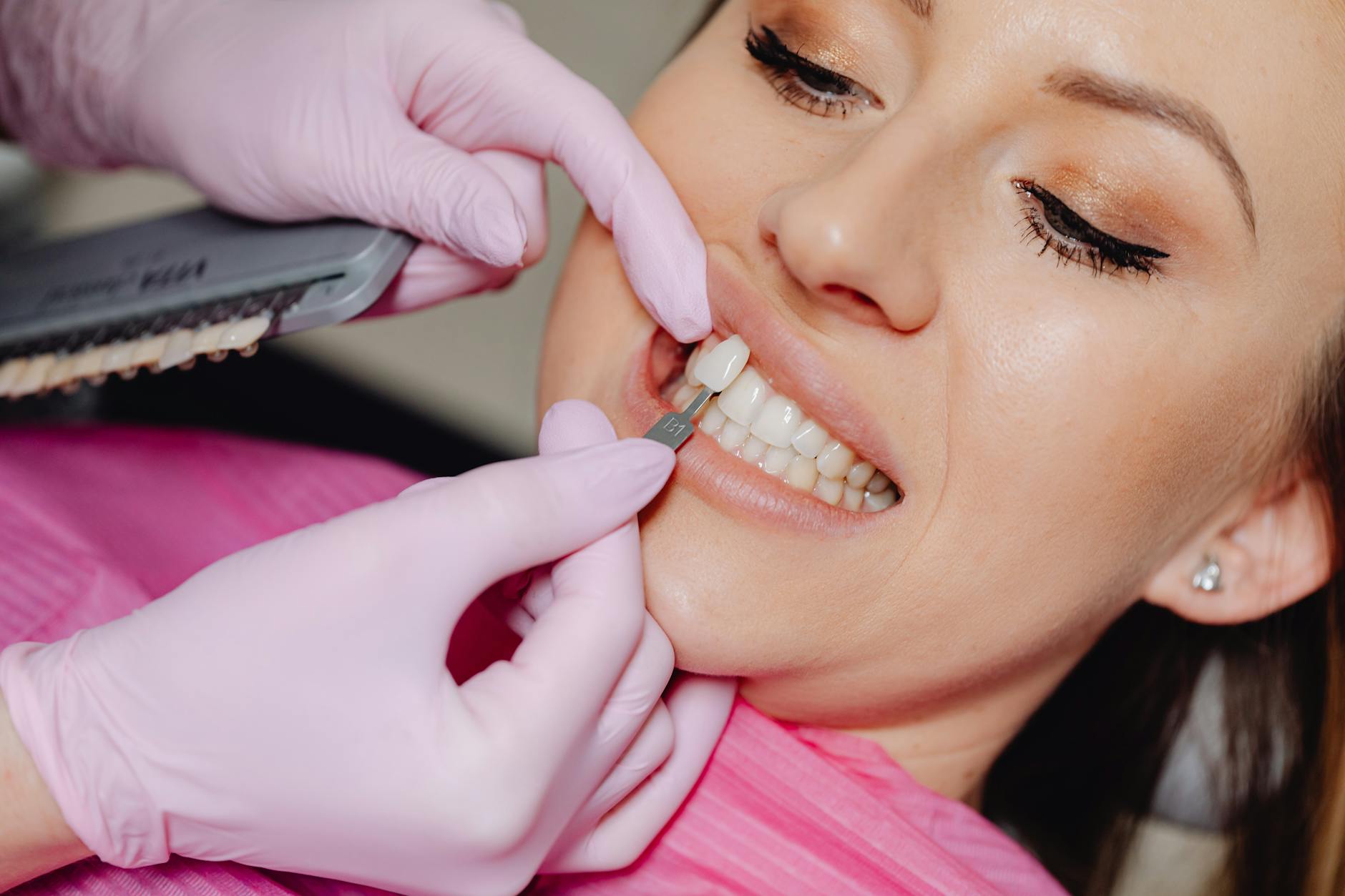
Composite veneers shine when the goal is a noticeable cosmetic upgrade without a long timeline. They’re often ideal when the teeth are structurally sound but the front surfaces need design work.
Chips and worn edges are one of the easiest wins. Even minor wear can make teeth look uneven and older than you are. Composite lets your dentist rebuild the edge and restore a clean silhouette.
Small gaps and black triangles can also improve, depending on the cause. If spacing is mild and the gum levels are healthy, composite can close gaps and soften those dark spaces near the gumline. If there’s significant gum recession or spacing caused by bite issues, you may need orthodontics, gum treatment, or a different restorative strategy to avoid an overbuilt look.
Slightly crooked or rotated teeth can sometimes be “visually aligned” with composite. This is where a true smile design mindset matters. Done well, the after looks straight and natural. Done aggressively, it can look bulky. The right answer depends on how far the teeth are rotated, where the bite hits, and how much room there is to add material.
Old bonding and patchwork dentistry is another common “before.” Many patients have multiple repairs in different shades. Composite veneers can unify the look into one consistent, polished smile.
What the “after” should look like (if it’s done right)
The best composite veneer after photos have a few things in common: the teeth look brighter but not glowing; the edges are smooth but not identical; and the surface has a natural texture instead of a plastic shine.
A great result also respects your face. Teeth that are too square can lo

ok harsh. Teeth that are too round can look childlike. Length matters too. Slight changes can enhance your smile. Over-lengthening can affect speech or make your teeth look like they lead your face.
This is why “before and after” should never be copy-paste. Your ideal tooth shape depends on lip movement, gum display, facial proportions, and even personality. If your goal is a camera-ready smile that still looks like you, customization is the whole game.
Composite vs porcelain before and after: the trade-offs are real
If you’re comparing composite veneers before and after to porcelain results online, you’ll notice porcelain can look even more glassy, dimensional, and stain-resistant. That doesn’t automatically mean it’s better for you.
Composite typically wins on speed, conservative prep, and repairability. Many composite cases can be completed quickly, and if you chip one later, it’s often repairable without replacing the whole veneer. Composite also allows for more flexible tweaking. If you want a slightly different contour after you see your new smile in real life, small adjustments are often possible.
Porcelain usually wins on longevity and stain resistance. If you drink a lot of coffee, red wine, or you want the brightest “celebrity” look with strong color stability, porcelain may be the better long-term investment.
The honest answer is “it depends” – on your bite, how you care for your teeth, your timeline, and the level of change you want. Some patients al

so do a hybrid: composite in certain areas, porcelain in others, paired with whitening or gum aesthetics.
How long do composite veneer results last?
A composite veneer “after” is not a forever material. It’s a high-performance cosmetic restoration, but it will age.
With great technique and good habits, many patients get years of strong results. Over time, composite can pick up stains and lose a little surface gloss, especially if you smoke, sip dark drinks throughout the day, or skip professional cleanings. The good news is that composite can often be polished, refreshed, or repaired.
Longevity also depends on bite forces. If you clench or grind, you can chip bonding or shorten its lifespan. In those cases, a night guard is not optional if you want to protect your investment.
The process behind a great before-and-after
Most people only see the “after.” But predictable results come from the steps before the composite ever touches the tooth.
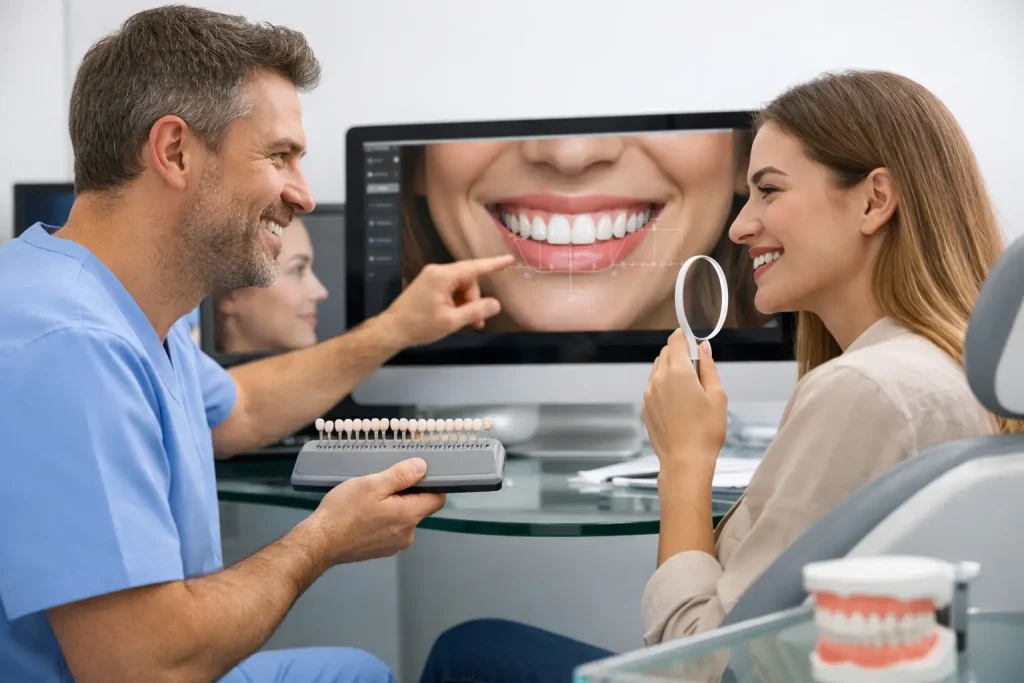
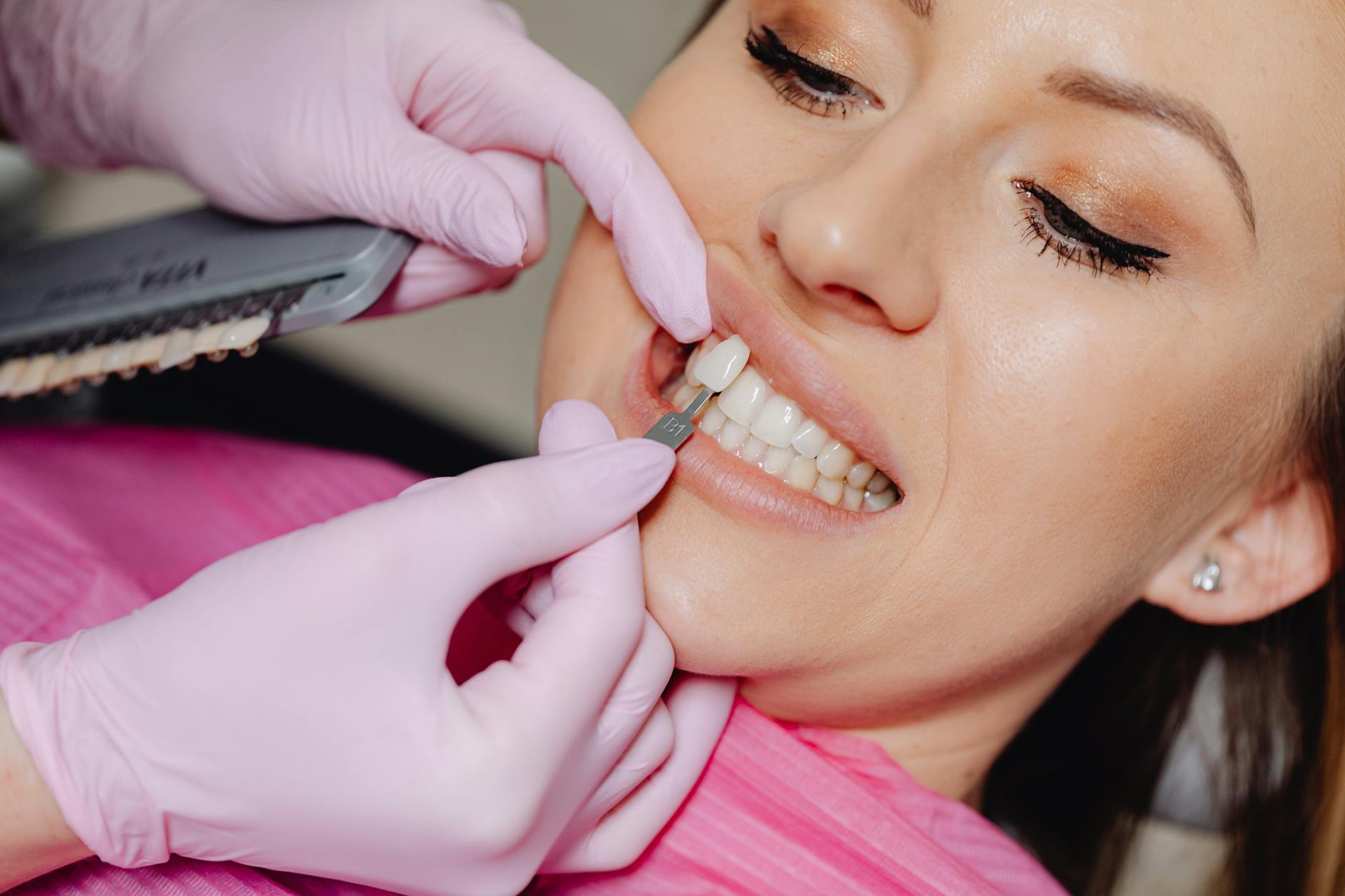
It starts with a cosmetic evaluation. Your dentist looks at tooth health, gum health, bite, and the way your teeth show when you talk and smile. Photos matter here. So does imaging when needed, especially if there are underlying issues like old fillings, cracks, or bite imbalances.
Then comes design. This is where your goals get translated into specifics: how white, how long, how round, how closed the gaps should be, and whether the smile should look softer or sharper. If your gums are uneven or over

ly prominent, gum contouring or gingivoplasty may be discussed to elevate the final symmetry.
On treatment day, the teeth are cleaned and prepared. Composite is layered and shaped directly on the tooth, then hardened and polished. The final polish is not a detail – it’s what makes composite look like enamel and feel smooth when you run your tongue across it.
The last step is bite refinement. If the bite is off by even a small amount, it can lead to chipping or discomfort. A great after result is not only pretty. It feels right when you chew and speak.
When composite veneers are not the right “after”
Composite veneers are powerful, but they’re not a shortcut around biology.
If you have active gum disease, untreated decay, or heavy tartar buildup, those need to be handled first. A beautiful veneer on an unhealthy foundation is a temporary illusion.
If your teeth are very dark from internal staining, or you want an ultra-bright shade that looks consistent in every lighting condition, porcelain may deliver a more stable result.
If your bite is edge-to-edge, you have severe grinding, or your teeth are significantly misaligned, you may need orthodontics, bite therapy, or a more protective restorative plan. Composite can still be part of the journey, but forcing a dramatic “after” without addressing mechanics can lead to repeated repairs.
How to keep your “after” looking like day one
Composite veneers don’t require complicated maintenance, but they do reward smart habits.
Brush and floss like you mean it. Keep up with professional cleanings so stains don’t settle in. If you drink coffee or tea, try not to sip for hours – that’s when staining tends to build. If you grind your teeth, wear a night guard consistently.
And if you want to level up your results, talk about pairing veneers with whitening or gum aesthetic procedures. Sometimes the most dramatic before-and-after isn’t from making teeth whiter – it’s from improving the frame around them.
Planning your own composite veneers before and after
If you’re shopping online, remember that photos don’t show everything. Lighting, angles, and filters can exaggerate results. What you really want is a plan that matches your face, your bite, and your lifestyle, with a dentist who can explain the trade-offs in plain English.
If you’re ready for a confident, camera-ready upgrade, you can request an evaluation through Smile Dental Center Group at https://smiledentalcentergroup.com/ and share photos for a quick first look. The goal is simple: a smile design that fits you, lasts, and makes the “after” feel as good as it looks.
Choose a result you’ll still love on an average Tuesday, not just in a perfect selfie – that’s the kind of smile you wear with real confidence.