
A bright smile can still feel incomplete when the gums look darker than you want. If you notice brown, black, or patchy gum pigmentation when you talk, laugh, or take photos, that concern is real – and treatable.
For many adults, gum color matters just as much as tooth color. When the goal is a polished, camera-ready smile, pink and even-toned gums can make veneers, whitening, and other cosmetic work look more refined. That is why gum lightening has become a popular part of smile design for patients who want a cleaner, fresher overall look.
What causes dark gums?
Dark gums are often the result of melanin, the same natural pigment that gives color to skin, hair, and eyes. In many cases, darker gums are completely healthy. Some people are simply born with more gum pigmentation, and that does not mean there is a dental problem.
That said, natural pigmentation is not the only reason gums can appear dark. Smoking is a common factor, and it can stimulate melanin production in gum tissue over time. Certain medications, past inflammation, and some medical conditions may also affect gum color. In other cases, what looks like gum discoloration may be related to irritation, metal restorations, or tissue changes that need a closer look.
This is why a cosmetic concern should still start with a professional evaluation. Before planning any gum lightening treatment for dark gums, your dentist should confirm that the tissue is healthy and that the color change is cosmetic rather than a sign of disease.
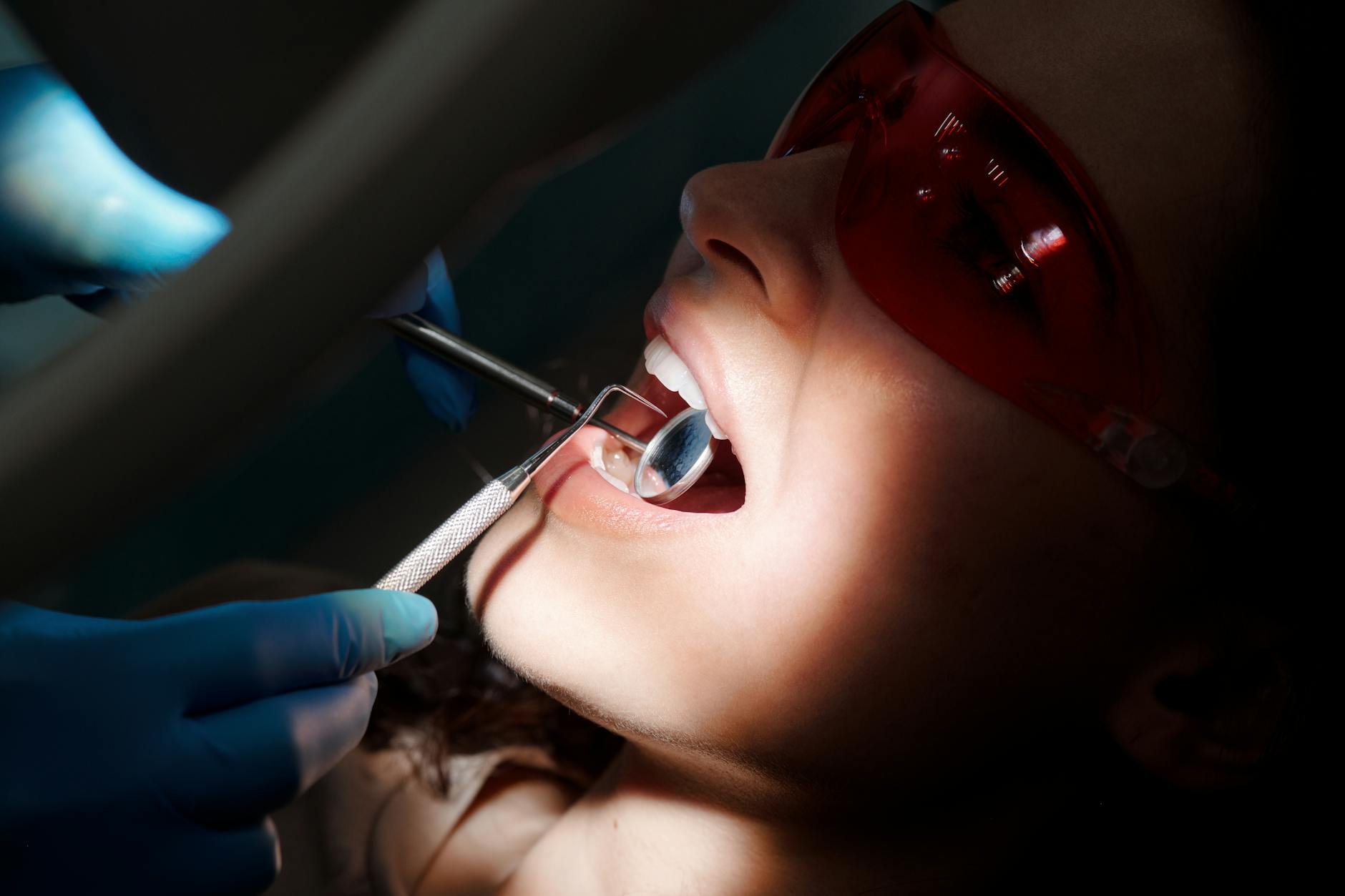
Who is a good candidate for gum lightening treatment for dark gums?
If your gums are healthy but look darker than you would like, you may be a strong candidate. Many patients pursue treatment because they are already investing in their appearance and want every part of the smile to look balanced. This is especially common before veneers, whitening, weddings, branding photos, speaking engagements, and other high-visibility moments.
The best candidates usually have stable oral health, no active gum infection, and realistic expectations about the result. If you smoke, your dentist may recommend quitting or reducing tobacco use before treatment, since continued smoking can affect healing and may increase the chance of pigmentation returning.
There is also an aesthetic judgment involved. Not everyone wants lighter gums, and not every dark area needs treatment. Sometimes the best result comes from treating only the visible zone rather than the entire gumline. The right plan depends on your smile line, lip movement, and how much gum shows when you speak or smile.
How gum lightening works
Gum lightening is a cosmetic procedure that reduces or removes darker pigmentation from the surface of the gums. The goal is to reveal a lighter, more even tone that complements the teeth and the rest of the smile.
Different techniques can be used. One common approach is laser depigmentation, where a dental laser targets the pigmented outer tissue. Another method involves gently removing the top layer of darkened tissue with specialized instruments so healthier, lighter tissue can regenerate during healing. In some cases, the dentist may recommend a specific technique based on the depth

of the pigmentation, your skin tone, your healing profile, and how precise the reshaping needs to be.
The treatment is usually performed with local anesthesia, so the area is numb during the procedure. Most sessions are relatively quick, especially when only the front visible gumline is being treated. If the pigmentation is extensive or paired with another aesthetic procedure such as gingivoplasty, the appointment may take longer.
Laser vs. other methods
Patients often ask if laser is the best option. In many cosmetic cases, laser treatment is attractive because it can be precise, controlled, and efficient. It may also reduce bleeding during the procedure and create a more comfortable experience for some patients.
But laser is not automatically the right answer for every case. Traditional depigmentation methods can still be effective, and sometimes the best choice depends on tissue thickness, pigment pattern, and the dentist’s treatment philosophy. The skill of the provider matters as much as the tool being used.
That is why treatment planning should focus on the outcome, not just the device. A design-forward practice looks at gum color in context – alongside tooth shape, tooth color, gum symmetry, and the way your smile appears in motion.
What results should you expect?
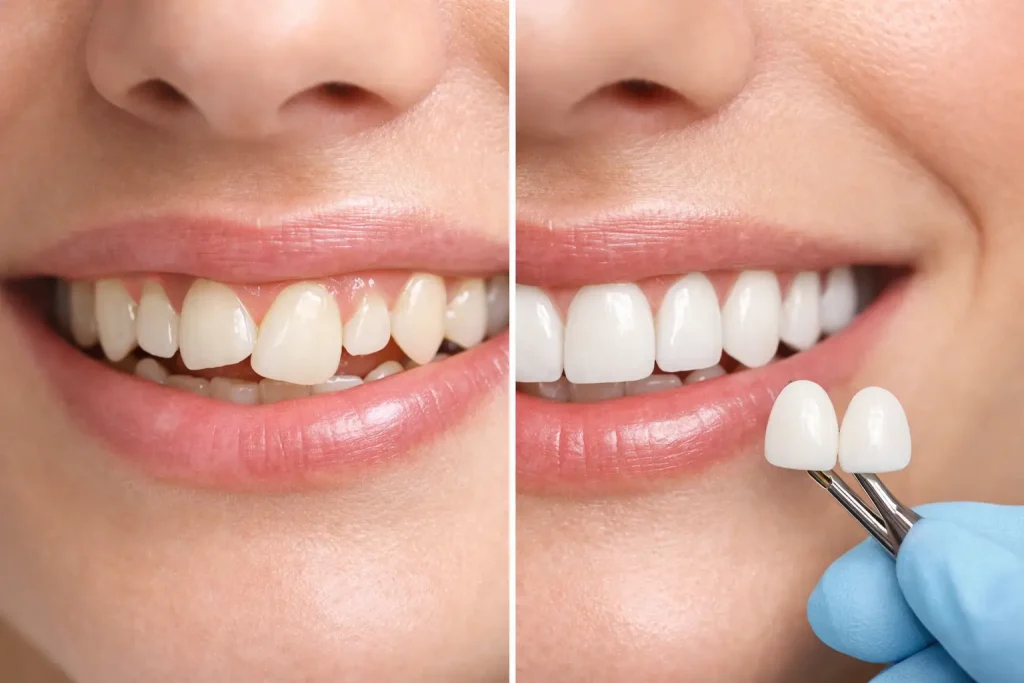
The biggest benefit is visual. Lighter gums can make the smile look cleaner, brighter, and more youthful. They can also enhance the effect of porce

lain veneers, composite veneers, and whitening by creating better contrast and a more polished frame around the teeth.
Results are often noticeable once healing progresses, but final color can take a little time to settle. Some patients achieve a dramatic shift, while others see a softer improvement. It depends on how dark the gums were to begin with, how the tissue heals, and whether pigmentation is superficial or deeper.
There is one trade-off to understand clearly: gum lightening is highly effective, but no cosmetic procedure can promise the exact same long-term stability for every patient. Some people maintain results for years. Others may notice some repigmentation over time, especially if they are prone to natural pigmentation or continue smoking. Touch-ups are sometimes part of long-term maintenance.
Recovery and aftercare
Recovery is usually manageable, but the first few days matter. Your gums may feel tender or look lighter and uneven before the final result develops. Mild sensitivity is common, and your dentist may recommend a soft diet, careful brushing, and temporary avoidance of spicy, acidic, or very hot foods.
Good aftercare supports both comfort and appearance. Clean healing tissue tends to recover better, so following home-care instruct

ions is essential. That includes using any prescribed rinses or products exactly as directed and keeping follow-up visits if your dentist wants to monitor healing.
If you are combining this procedure with other cosmetic work, timing becomes important. In many smile design cases, the gums should heal before finalizing certain aesthetic details. That sequence helps the dentist build a more balanced and predictable result.
Can gum lightening be combined with other cosmetic treatments?
Absolutely – and in many cases, that is where the best transformation happens. Patients who want a full upgrade often combine gum lightening with gingivoplasty to refine the gumline shape, or with veneers to improve tooth color, width, length, and symmetry at the same time.
This matters because a beautiful smile is not just about white teeth. If the gums are uneven, too dark for your preference, or distract from the teeth, the final look may still feel unfinished. A complete cosmetic plan addresses the whole frame of the smile.
For patients investing in a premium result, pairing gum aesthetics with smile design can deliver a more elevated outcome than treating the teeth alone. It is the difference between a smile that looks improved and one that looks intentionally designed.
Choosing the right provider
Gum lightening is cosmetic, but it still requires clinical judgment. You want a dentist who can evaluate tissue health first, explain your options clearly, and show how the procedure fits into your overall smile goals.
Look for a practice that understands both aesthetics and full-mouth care. That matters if your treatment plan needs more than one step, or if your dark gums are being evaluated alongside whitening, veneers, crowns, or restorative work. A comprehensive dental team can create a plan that is efficient, coordinated, and built around the result you actually want.
At Smile Dental Center Group, smile design is approached as a complete visual strategy, not a one-treatment fix. If dark gums are holding your smile back, a personalized consultation can help you understand whether gum lightening, gum reshaping, veneers, or a combination approach will give you the strongest result.
Is gum lightening worth it?
If dark gums make you hide your smile, edit your photos, or feel like your cosmetic dental work still is not where you want it to be, this treatment can be worth serious consideration. It is not for everyone, and it is not always medically necessary. But for the right patient, it can create a noticeable shift in confidence.
The strongest cosmetic results come from precision, not guesswork. When your gums, teeth, and smile proportions work together, you do not just look different – you look more put together, more confident, and more ready to smile without hesitation.
If you have been thinking about gum lightening treatment for dark gums, the next step is simple: get your gums evaluated, ask what is possible for your smile, and choose a plan that gives your results the attention they deserve. A confident smile is built in the details.