

A brighter smile can lose its edge fast when plaque, tartar, and gum irritation start building below the surface. If you have ever been told you need more than a routine cleaning, the question usually comes down to this: deep cleaning vs regular cleaning – what is the actual difference, and which one gets you the best result for your oral health and appearance?
The short answer is that they are not interchangeable. A regular cleaning helps maintain a healthy smile. A deep cleaning treats gum disease and targets buildup that has moved below the gumline. One is preventive. The other is corrective. Knowing which one you need can save you time, discomfort, and bigger dental problems later.
Deep cleaning vs regular cleaning: the core difference
A regular dental cleaning, also called prophylaxis, is designed for patients whose gums are generally healthy. It removes plaque, tartar, and surface stains from the visible parts of the teeth and slightly below the gumline. Think of it as routine maintenance that keeps your smile fresh, polished, and photo-ready.
A deep cleaning is different because it is not simply a more intense version of a regular cleaning. It is a targeted periodontal treatment for patients with signs of gum disease. Dentists often call it scaling and root planing. The goal is to remove plaque, tartar, and bacteria from beneath the gumline and smooth the root surfaces so the gums can reattach more effectively.
That distinction matters. If your gums are inflamed, bleeding, or pulling away from the teeth, a regular cleaning may not be enough to stop the problem. On the other hand, if your gums are healthy, a deep cleaning may be unnecessary. The right treatment depends on what is happening under the surface, not just what your teeth look like in the mirror.

What a regular cleaning does for your smile
For many adults, regular cleanings are the foundation of a healthy, attractive smile. During this visit, your dental team removes hardened tartar and plaque buildup, polishes the teeth, and helps reduce the stains that can dull your smile over time. If you love the look of whitening, veneers, or any smile design treatment, this kind of maintenance plays a major role in protecting your results.
Regular cleanings are usually recommended every six months, although some patients benefit from more frequent visits. If you keep up with home care, floss consistently, and do not have active gum disease, this is often the right lane for you.
What regular cleanings do well is prevention. They help lower your risk of cavities, bad breath, and gum irritation. They also give your dentist a chance to spot early changes before they become expensive or painful problems.
When a deep cleaning becomes necessary
Deep cleaning enters the picture when bacteria and tartar have moved below the gumline and started affecting the supporting structures around the teeth. This often happens when gingivitis progresses into periodontal disease.
There are a few warning signs that may point in that direction. Your gums may bleed when you brush or floss. They may look swollen, tender, or darker red than usual. You might notice persistent bad breath, gum recession, or teeth that feel more sensitive t

han before. In some cases, patients feel no pain at all and only learn they need a deep cleaning after a dental exam and gum measurements.
That is one reason this treatment can catch people off guard. Many assume that if they are not hurting, they just need a standard cleaning. But gum disease can be quiet while still causing damage. By the time symptoms become obvious, bone loss or deeper pockets may already be developing.
What happens during a deep cleaning
A deep cleaning typically involves scaling and root planing, often done over one or more visits depending on how much buildup is present. Scaling removes plaque and tartar from above and below the gumline. Root planing smooths the root surfaces, which makes it harder for bacteria to cling to the teeth and easier for the gums to heal.
Because the treatment goes deeper than a regular cleaning, local anesthetic may be used to keep you comfortable. Afterward, some soreness, sensitivity, or mild swelling is normal for a short period. The trade-off is that this procedure can help control infection, reduce inflammation, and protect the bone and tissues that keep your smile stable.
For patients focused on aesthetics, that matters more than it may seem. Healthy gums frame the teeth. If gum disease is left untreated, it can lead to recession, uneven gumlines, tooth mobility, and a smile that loses its clean, youthful look.
Deep cleaning vs regular cleaning: how dentists decide
The choice is not based on preference alone. Your dentist will look at your gum health, pocket depths, X-rays, tartar levels, and signs of bone loss or inflammation.
If your gums are firm, healthy, and free of deeper periodontal pockets, a regular cleaning is usually appropriate. If your gums show infection, pocketing, or buildup below the gumline, a deep cleaning is often the better and safer next step.
This is where patients sometimes get frustrated. They come in expecting a routine appointment and hear they need periodontal treatment instead. It can feel like an upsell if you are not familiar with the difference. But clinically, these are separate services with separate goals. A regular cleaning is not designed to treat active periodontal disease, just like whitening is not designed to fix a cavity.
Cost, comfort, and time: the practical trade-offs
A regular cleaning is usually faster, simpler, and less expensive than a deep cleaning. It often fits neatly into a standard preventive care schedule and involves little to no downtime.
A deep cleaning is more involved. It may require longer appointments, local anesthetic, and follow-up care. It also typically costs more because it is treating a disease process rather than handling preventive maintenance.
Still, the bigger financial picture matters. Treating gum disease early is usually far more affordable than waiting until it progresses to advanced periodontal treatment, tooth loss, implants, or major restorative work. If your goal is to protect both your health and your smile

investment, timing matters.
Comfort is another area where expectations should be realistic. A regular cleaning may feel mildly uncomfortable if you have tartar buildup, but most patients tolerate it easily. A deep cleaning can involve more sensitivity during healing, especially if the gums are already inflamed. That said, many patients feel relief once the infection and pressure are reduced.
Why this matters before cosmetic dentistry
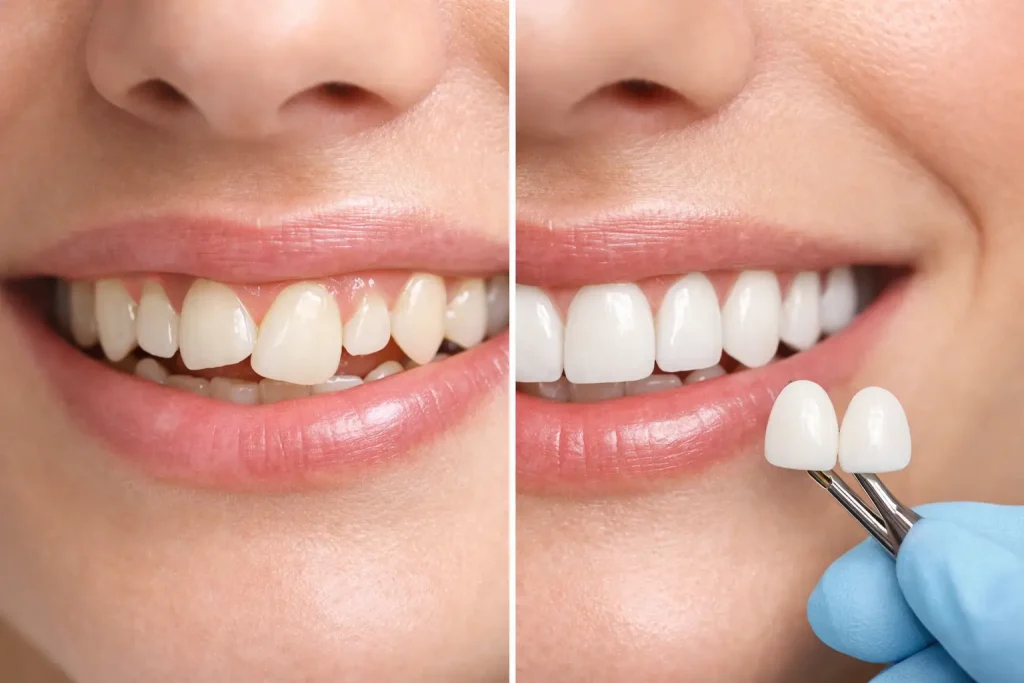
If you are thinking about veneers, whitening, crowns, or a full smile design, gum health needs to be stable first. Cosmetic dentistry looks its best on a healthy foundation. Inflamed gums can affect impressions, shade matching, gum symmetry, and the overall final look.
That is why deep cleaning vs regular cleaning is not just a hygiene question. It is also a smile-planning question. You can have beautiful tooth shape and color, but if the gums are unhealthy, the final result will not look as polished or last as well as it should.
Patients preparing for weddings, job opportunities, social media shoots, or any major event often want fast visible improvements. That makes sense. But skipping foundational care can slow down your cosmetic timeline later. Taking care of gum health first usually leads to a stronger, more confident result.
How to know what to do next
If it has been a while since your last dental visit, do not try to guess whether you need a deep cleaning or a regular cleaning. The right answer comes from an exam, not from symptoms alone. Some patients with excellent home care still develop deeper buildup in hard-to-reach areas. Others assume they need a deep cleaning when they really just need to get back on a consistent preventive schedule.
The best move is simple: get evaluated, get clear answers, and treat the problem at the right level. At Smile Dental Center Group, that means looking at the full picture – health, function, and the appearance of your smile – so your treatment supports both confidence and long-term results.
A clean smile is not just about looking polished for the next photo. It is about creating the kind of healthy foundation that lets you smile with confidence every single day.