


By the Clinical Team at Smile Dental Center — Last updated: March 2026
Over the past five years, Smile Dental Center has used Digital Smile Design (DSD) protocol in more than 1,000 veneer cases across our Miami and Dallas locations. The most consistent feedback we hear from patients isn’t about the veneers themselves — it’s about the preview. “I couldn’t believe I could actually see what I was going to look like before anything started.” This article explains exactly how that works, why it matters, and what it means for your treatment experience.
- Digital smile design lets you see and approve your result before any tooth preparation begins
- The preview session takes 20–30 minutes and is free at Smile Dental Center consultations
- Studies suggest digital smile design reduces patient dissatisfaction by approximately 40%
- DSD is available for both composite and porcelain veneer cases at SDC Miami and Dallas
- The process is collaborative — patients can adjust shade, shape, and proportions in real time
- DSD is the protocol used by leading cosmetic dental practices worldwide
What Is Digital Smile Design?
Digital Smile Design — commonly known as DSD — is a dental technology framework and clinical protocol that enables cosmetic dentists to plan, visualize, and communicate smile transformations digitally before performing any treatment.
Developed by Dr. Christian Coachman over a decade ago, DSD has become the global standard for high-quality cosmetic dentistry. The Digital Smile Design protocol is used by cosmetic dental practices in over 50 countries and has become the benchmark for treatment planning transparency in the industry.
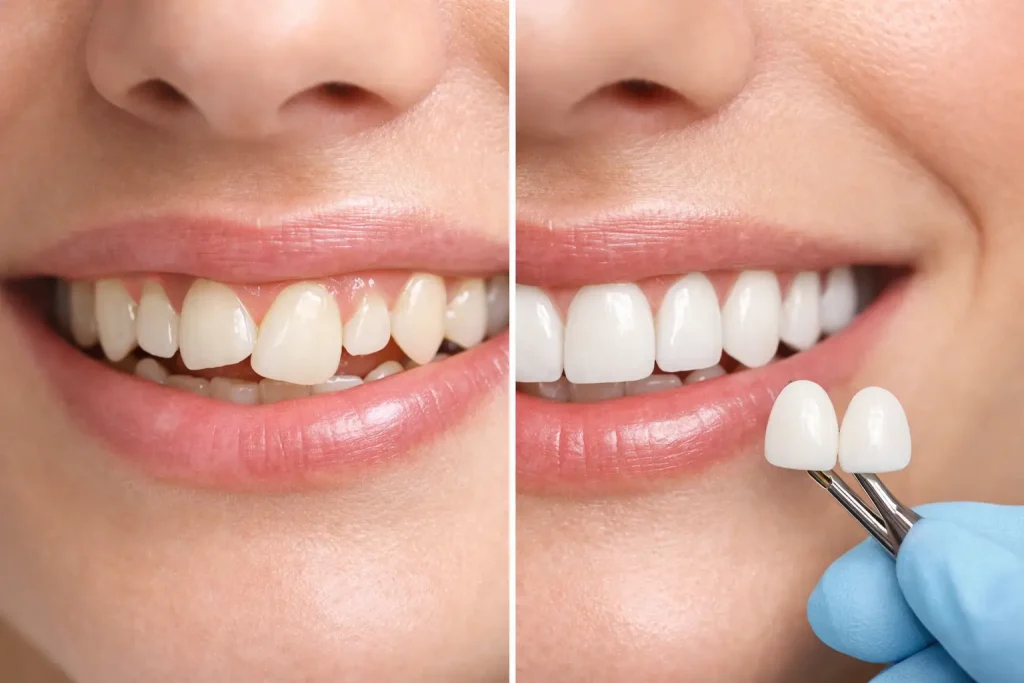
In practical terms, DSD means this: before your dentist touches a single tooth, you can see exactly what your new smile will look like — on your actual face, with your actual proportions.

How Digital Smile Design Works: Step by Step
Step 1: Facial and Dental Photography
The process begins with a series of standardized photographs. We capture your face from the front and the sides, close-up shots of your teeth (smiling and at rest), and retracted views that show the full dental arch. These photos become the raw material for the digital design.
Step 2: Facial Mapping and Analysis
Using DSD software, your dentist overlays a series of reference lines on your facial photographs. These lines — including the facial midline, lip line, smile line, and gum contour — reveal the geometric relationships between your face and teeth. This analysis identifies exactly what’s driving your aesthetic concerns: is it tooth length? A canted midline? An uneven gum line? The mapping makes the diagnosis precise rather than approximate.
Step 3: Digital Smile Simulation
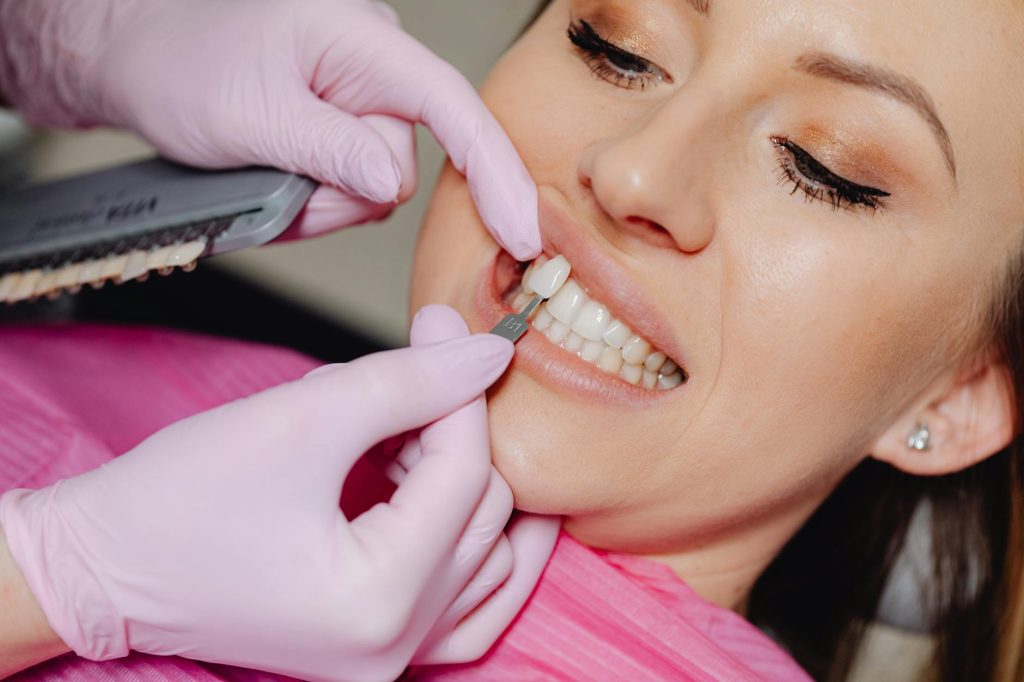
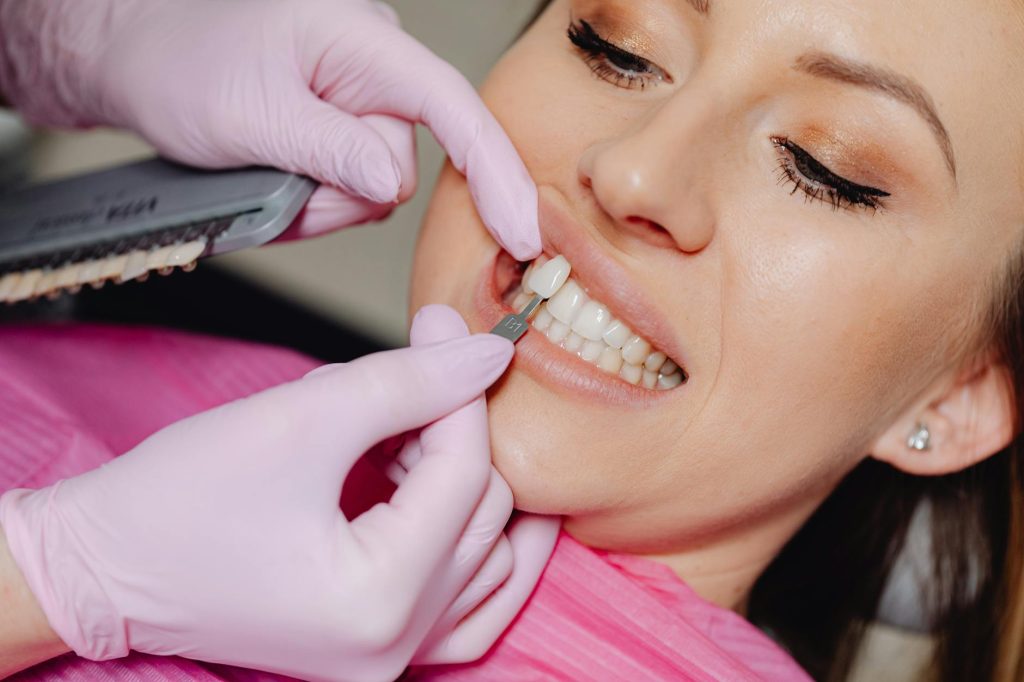
With the analysis complete, your dentist designs a new smile on-screen. Different tooth shapes, lengths, shades, and proportions are applied digitally to your photographs. You can see how a slightly longer central incisor looks on your face. You can compare a natural B1 shade versus a brighter shade. You can see what your smile looks like with and without gum contouring.
Step 4: Patient Collaboration and Approval
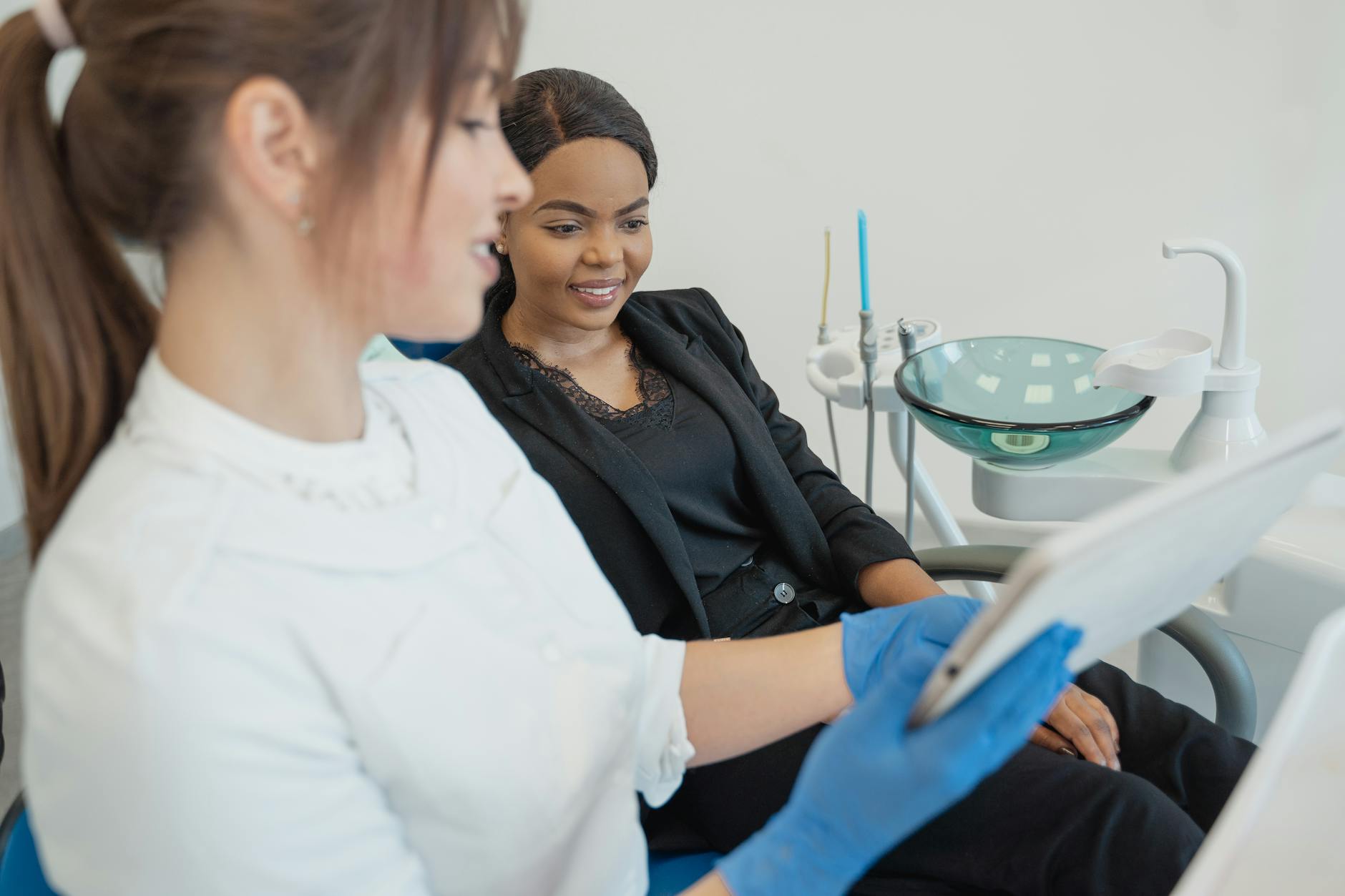
This is where DSD differs most fundamentally from traditional cosmetic dentistry. You’re not just observing — you’re a co-designer. If the first simulation looks too white, the dentist adjusts it. If you want more length, the dentist adds it. The design session continues until you say: “That’s the smile I want.” Nothing proceeds until you’ve approved the result.
Step 5: Treatment Execution
Once the digital design is approved, it becomes the blueprint for treatment. For composite veneers, the dentist replicates the digital design freehand in composite resin during your appointment. For porcelain veneers, the digital design is transmitted to the dental laboratory as a specification guide, ensuring the fabricated veneers match the approved preview.
Why Digital Smile Design Produces Better Results
Traditional cosmetic dentistry involved a degree of guesswork on both sides. Patients struggled to articulate what they wanted; dentists made their best aesthetic judgment. The result was sometimes exactly right — and sometimes not what the patient envisioned.
Research in the cosmetic dentistry field indicates that pre-treatment digital visualization reduces patient dissatis
faction by approximately 40% compared to non-visualized treatment planning. The reason is straightforward: when patients have actively approved a design, they arrive at the result with accurate expectations rather than undefined hopes.
The American Academy of Cosmetic Dentistry recognizes digital planning tools as a best practice standard for complex cosmetic cases, particularly those involving multiple veneers.
Digital Smile Design at Smile Dental Center: Miami and Dallas
At SDC, DSD protocol is standard for every veneer case — not an optional add-on. Whether you’re planning a smile makeover in Miami or scheduling a consultation in Dallas, the process is the same:
- You come in for a free consultation
- We photograph your face and teeth
- We complete the digital mapping and simulation during the appointment
- You see your new smile on-screen and we adjust until it’s right
- You leave with a clear treatment plan and a visual of your expected result
The preview session adds approximately 20–30 minutes to the consultation. It costs nothing extra — it’s included as a standard part of every cosmetic assessment at SDC.
Digital Smile Design for Composite vs. Porcelain Veneers
One of the most common questions we hear is whether DSD works equally well for composite and porcelain cases. The answer is yes — with some differences in how the design is executed.
For composite veneers, the DSD preview serves as a visua
l guide that the dentist translates freehand in composite resin during the appointment. An experienced cosmetic dentist can replicate the digital design with high accuracy. Because composite veneers are placed in a single visit, the DSD session and treatment often happen on the same day.
For porcelain veneers, the DSD design is transmitted to the dental laboratory as a detailed specification. The ceramic technician uses the digital blueprint to fabricate each veneer to the exact approved dimensions and shade. This laboratory precision is part of why porcelain veneer results are so consistent and natural-looking.
For patients at our ign-dallas/”>smile design in Dallas
Is Digital Smile Design Accurate?
The preview is a high-fidelity simulation, not a pixel-perfect guarantee. In practice, the final result closely matches the digital preview in shade and proportions, with minor variations due to the nature of working with biological materials (tooth enamel, composite resin, or ceramic).
At SDC, we prepare patients for this distinction during the consultation. The preview sets expectations accurately — patients understand what the final result will look and feel like — without overpromising an exact pixel-match to a computer rendering.
In our clinical experience, this level of pre-treatment clarity produces the highest satisfaction outcomes. Patients know what they’re getting. They’ve participated in designing it. And when the result comes out, it matches what they approved.
Book Your Free Digital Smile Design Session
Every consultation at Smile Dental Center — Miami or Dallas — includes a free digital smile design preview. No charge, no obligation. Call or WhatsApp our Miami team at +1 (786) 560-7567, or our Dallas team at +1 (469) 345-6042. You can also book online at smiledentalcentergroup.com.
Frequently Asked Questions
What is digital smile design?
Digital smile design (DSD) is a clinical protocol that uses standardized dental photography, digital facial mapping, and simulation software to design and preview a patient’s new smile on-screen before any treatment begins. The patient participates in the design process, adjusting shade, shape, and proportions until they approve the result. It’s the global standard for high-quality cosmetic dental planning.
Is digital smile design accurate?
Digital smile design provides a high-fidelity simulation of your expected result. In practice, the final veneer result closely matches the digital preview in shade and proportions. Minor variations can occur due to the natural properties of composite resin, ceramic materials, and individual tooth enamel. At SDC, we set clear expectations during the consultation so patients understand the difference between a simulation and the final clinical result.
How long does digital smile design take?
The digital smile design session — including photography, facial mapping, simulation, and patient adjustments — typically takes 20–30 minutes. It’s conducted as part of your consultation. For composite veneer cases, treatment can often follow immediately on the same appointment day. For porcelain veneers, a second appointment is scheduled 2–3 weeks later when the laboratory-fabricated veneers are ready.
Does digital smile design cost extra?
No. At Smile Dental Center, digital smile design is included free as a standard part of every cosmetic consultation. There is no separate charge for the photography, mapping, or simulation. The free consultation and digital preview are available at both our Miami and Dallas locations. You can schedule without any obligation to proceed with treatment.
Can digital smile design be used for both composite and porcelain veneers?
Yes. DSD is effective for both composite and porcelain veneer cases. For composite veneers, the digital design guides the dentist’s freehand sculpting during a same-day appointment. For porcelain veneers, the design is transmitted to the dental laboratory as a fabrication specification, ensuring the finished veneers match the approved preview in shade, shape, and proportions.