
Missing one tooth can change more than your bite. It can change how you smile in photos, how confidently you speak in meetings, and how relaxed you feel when you laugh. If you’re weighing dental implants vs bridge, you’re not just picking a dental procedure – you’re choosing how you want your smile to look, feel, and function for years.
Both options can restore a missing tooth beautifully. The right choice depends on your bone support, timeline, budget, neighboring teeth, and how important long-term preservation is to you. For some patients, a bridge is the fastest path back to a complete smile. For others, an implant delivers the strongest blend of aesthetics, function, and independence.
Dental implants vs bridge: the core difference
A dental bridge replaces a missing tooth by using the teeth on either side for support. Those neighboring teeth are typically shaped down so crowns can anchor the replacement tooth in the middle. A bridge is fixed in place, so it does not come out like a denture.
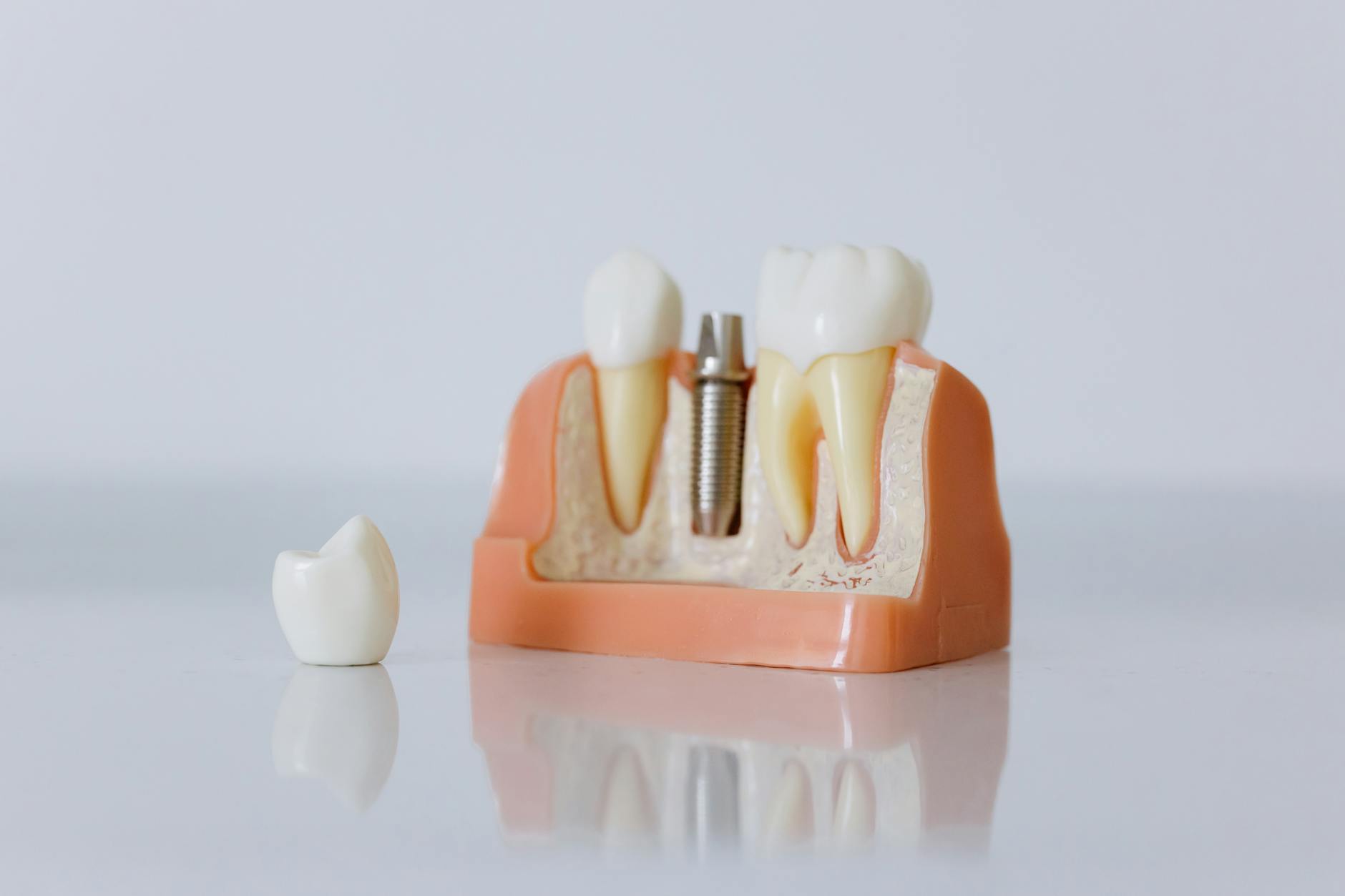
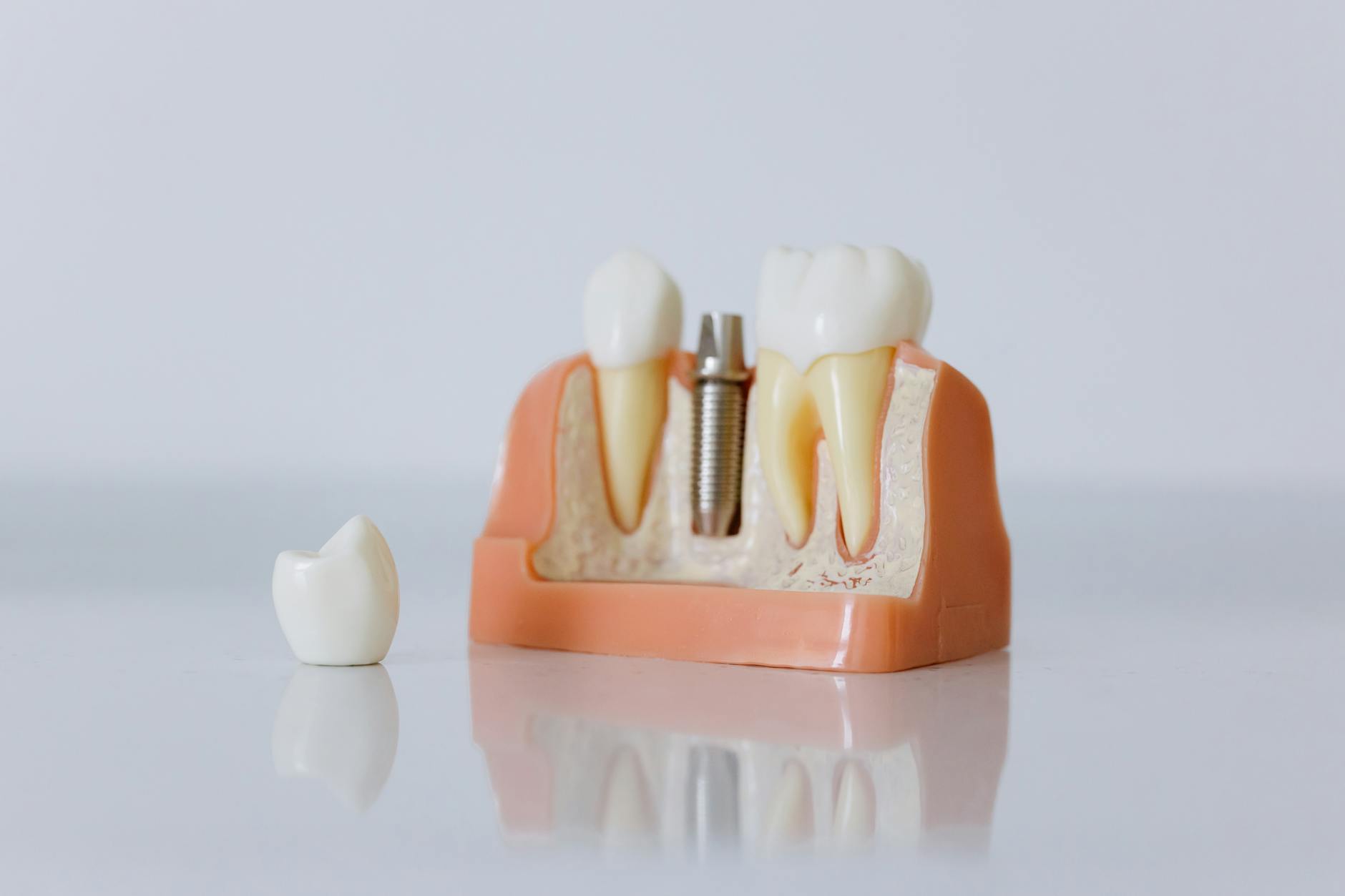
A dental implant replaces the tooth root as well as the visible tooth. A small titanium post is placed in the jawbone, where it integrates with the bone over time. Once healed, it supports a crown that looks and functions like a natural tooth.
That difference matters. A bridge spans the gap. An implant stands on its own.
Which looks more natural?
If appearance is your top priority, both can look excellent when designed well. The real difference is what happens around the restoration over time.
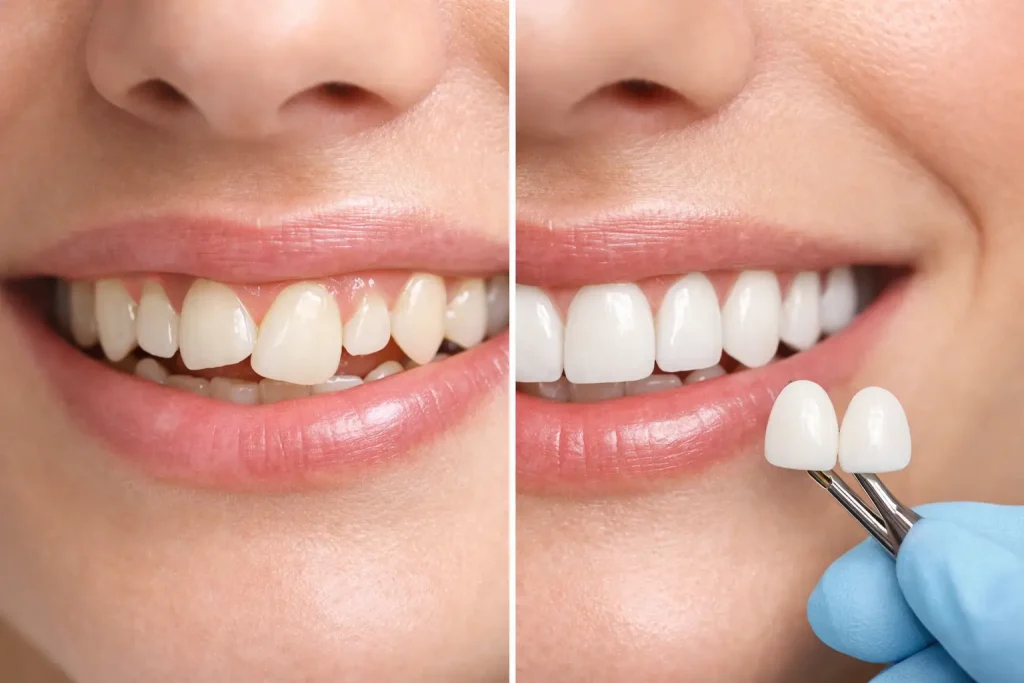
A high-quality bridge can blend in very nicely, especially when the surrounding teeth already need crowns or have large fillings. It can quickly restore symmetry and help you smile with confidence again.
An implant often has the edge in long-term aesthetics because it supports the gum and bone more naturally. When a tooth is missing, the jawbone in that area can start to shrink. That bone loss can affect the way the gumline looks, especially in visible areas of the smile. Because an implant stimulates the bone, it can help maintain a more natural contour.
If you’re focused on a polished, camera-ready result, that long-term tissue support can be a major advantage. The best cosmetic outcome is not just about how the tooth looks on day one. It’s about how the smile holds its shape over time.
What about comfort and chewing?
Most patients adjust well to either option, but implants usually feel closer to a natural tooth. Since the implant is anchored in bone, it functions independently and gives a very stable feel when chewing.
Bridges also

restore biting ability effectively, but they rely on adjacent teeth to carry the load. If those teeth are healthy and strong, this can work well. If they are already compromised, the bridge may place extra stress on them.
This is one of those situations where the “best” option depends on what is happening elsewhere in your mouth. Dentistry works as a system. Replacing one tooth should support the whole smile, not just fill the space.
Dental implants vs bridge: how the treatment process differs
A bridge is generally faster. Once the supporting teeth are prepared, impressions or digital scans are taken and the bridge is fabricated. In many cases, treatment can be completed in a matter of weeks.
An implant takes longer because healing is part of the process. After placement, the implant needs time to integrate with the bone before the final crown is attached. Some cases are straightforward. Others require bone grafting or sinus lift procedures before implant placement is ideal.
If you have an upcoming wedding, public event, or professional milestone and want a quicker cosmetic fix, a bridge may fit the timeline better. If you want the most
independent and structurally conservative solution over the long run, the extra time for an implant may be worth it.
Which option lasts longer?
Implants are often considered the longer-lasting solution. With proper planning, good oral hygiene, and regular maintenance, they can serve patients for many years. The crown on top may need replacement eventually, but the implant itself is designed to be durable.
Bridges can also last well, but they tend to have a shorter average lifespan than implants. One reason is that a bridge depends on the health of the supporting teeth. If decay develops under one crown, or if one anchor tooth weakens, the entire bridge may need to be replaced.
Longevity is never just about the material. It is also about habits. Grinding, smoking, untreated gum disease, and skipped cleanings can shorten the life of either restoration.
The impact on healthy teeth
This is one of the biggest decision points.
A traditional bridge usually requires removing enamel from the neighboring teet

h so crowns can be placed. If those teeth already have large restorations, that may be a practical move. But if they are completely healthy, some patients prefer not to alter them.
An implant does not require support from adjacent teeth. It restores the missing area without preparing the teeth next to it. For patients who want to preserve as much natural tooth structure as possible, that is a strong advantage.
There is no one-size-fits-all answer here. If the adjacent teeth already need crowns, a bridge may make excellent sense. If those teeth are untouched and healthy, an implant often feels like the more conservative long-term choice.
Bone loss and facial support
When a tooth is lost, the bone that once supported it can start to shrink. That process is gradual, but it matters. Over time, bone loss can affect gum contours, bite stability, and even the way the lower face is supported.
A bridge replaces the visible tooth but not the root, so it does not stop bone resorption in the same way. An implant acts more like a natural root and helps maintain stimulation in the jawbone.
For patients who care about preserving the architecture of their smile, this is a major point. A beautiful smile is not just white, straight teeth. It is also balanced support, natural gum framing, and facial harmony.
Cost: what patients usually want to know first
Bridges often cost less upfront. That lower initial price can make them appealing, especially for patients who want immediate restoration without a surgical procedure.
Implants usually involve a higher initial investment because they include surgery, healing, and multiple phases of care. But over time, they may offer better value if they last longer and help protect surrounding structures.
The cheapest option is not always the most cost-effective one. If a bridge needs replacement earlier, or if supporting teeth develop issues later, the long-term expense can shift. A smart decision looks at both today’s fee and tomorrow’s maintenance.
Who is a good candidate for each?
A bridge may be a strong option if you want a faster result, prefer to avoid surgery, or have neighboring teeth that already need crowns. It can also work well when implant placement is not ideal due to medical or anatomical factors.
An implant may be the better fit if you have enough bone support, want to preserve nearby teeth, and are focused on long-term function and aesthetics. It is especially attractive for patients who want the replacement to feel as close to a natural tooth as possible.
The real answer starts with diagnostics. X-rays, 3D imaging, bite analysis, gum health, and smile design planning all matter. A restoration should match your mouth, not just your missing tooth.
So which one should you choose?
If your priority is speed and a lower upfront cost, a bridge may be the practical choice. If your priority is bone preservation, independence from neighboring teeth, and long-term performance, an implant often comes out ahead.
But this is not a contest where one option always wins. The right treatment is the one that fits your health, your cosmetic goals, and your timeline. In a design-focused dental practice, that conversation should include more than mechanics. It should include how the final tooth will look in your smile, how it supports your confidence, and how well it holds up in real life.
At Smile Dental Center Group, that kind of planning matters because the best restoration is not just about replacing what is missing. It is about creating a result that looks intentional, feels secure, and helps you smile with confidence again.
If you’re deciding between a bridge and an implant, don’t settle for a generic answer. The right choice becomes much clearer when you see your options through the lens of your face, bite, bone, and future smile.