
Coffee stains are one thing. Deep discoloration that keeps showing through whitening is another. If you are looking for the best veneers for stained teeth, the right answer depends on why your teeth are discolored, how dramatic a change you want, and how long you want that result to last.
For many adults, stains are not just a color issue. They affect how comfortable you feel in photos, meetings, dates, and everyday conversation. Veneers can do more than brighten a smile. They can create a cleaner, more even, more confident look by changing color, shape, and proportion at the same time. That is why veneers are often the go-to solution when whitening has hit its limit.
What makes veneers a strong option for stained teeth?
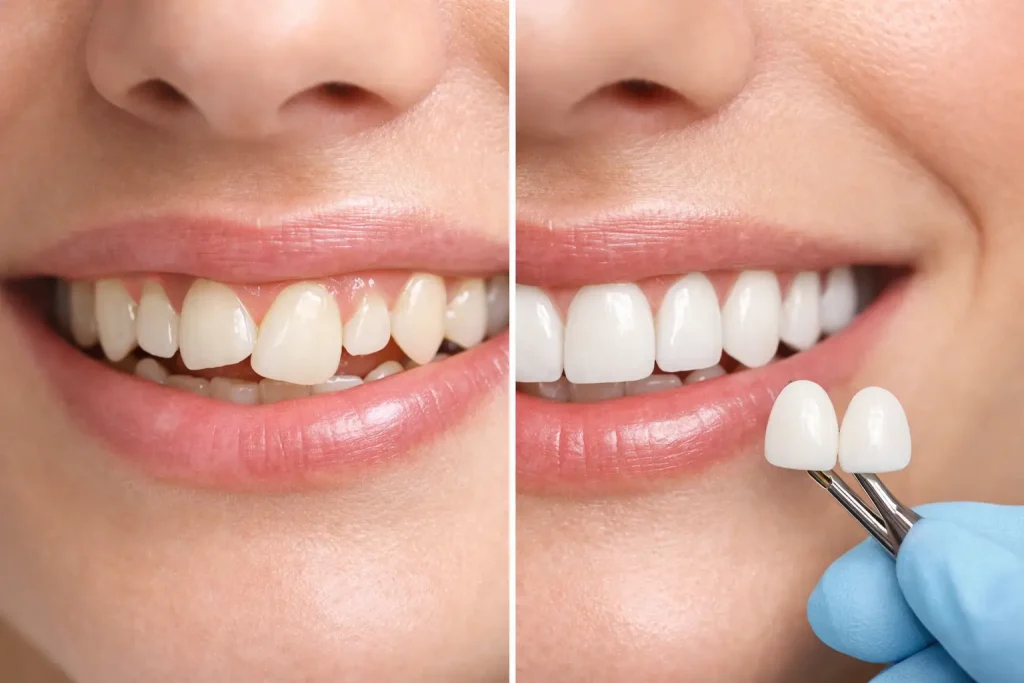
Some stains sit on the surface and respond well to professional cleaning or whitening. Others are deeper. Tetracycline staining, enamel defects, trauma-related discoloration, aging, and teeth that have darkened after dental work often do not lighten evenly. In those cases, veneers can cover the discoloration instead of trying to bleach it away.
That distinction matters. Whitening works by lifting stain from natural tooth structure. Veneers work by placing a new visible surface over the front of the tooth. If your goal is a dramatic, controlled color upgrade, veneers offer much more predictability.
They also allow your dentist to balance the whole smile. If some teeth are darker, shorter, chipped, or slightly uneven, veneers can address all of that in one treatment plan. For patients who want a polished result and not just a slightly brighter version of the same smile, that is a major advantage.
Best veneers for stained teeth: porcelain or composite?
If you want the short answer, porcelain veneers are usually the best veneers for stained teeth when long-term color stability and the most refined cosmetic result matter most. Composite veneers can still be an excellent option, especially for patients who want a lower upfront investment or a more conservative treatment approach.
Porcelain veneers
Porcelain veneers are thin custom shells made in a dental lab and bonded to the front of the teeth. They are highly resistant to staining and reflect light in a way that looks very natural. For severe discoloration, porcelain is often the strongest choice because it masks dark underlying tooth color more effectively while still looking bright, smooth, and lifelike.
This is especially helpful for patients with deep gray, brown, or banded stains that have not responded to whitening. Porcelain also tends to hold its appearance longer. If you want a smile that stays consistently bright with proper care, this option usually delivers the best performance.
The trade-off is cost and planning. Porcelain veneers typically require more investment, more design decisions, and in many cases some enamel reshaping. But for many patients, the payoff is worth it because the result looks elevated and lasts.
Composite veneers
Composite veneers are sculpted from tooth-colored resin and applied directly to the teeth. They can improve the appearance of stained teeth, especially when discoloration is mild to moderate or when a patient wants to enhance a few teeth quickly.
Composite offers flexibility. It is usually more affordable than porcelain, can often be completed faster, and is easier to repair if chipped. For event-driven patients preparing for a wedding, media appearance, or professional milestone, it can be an appealing path to a noticeable transformation.
Still, composite is more prone to staining over time than porcelain. That does not make it a poor choice. It simply means maintenance matters more, especially if you drink coffee, tea, red wine, or smoke. If your lifestyle includes a lot of stain exposure, porcelain usually keeps its fresh look longer.
The type of stain changes the best treatment
Not all discoloration behaves the same way, and that is where a real evaluation matters.
Extrinsic stains are surface stains caused by food, drinks, tobacco, and plaque buildup. These may improve with cleaning or whitening, so veneers may not always be the first recommendation unless you also want changes in shape or alignment.
Intrinsic stains are built into the tooth structure. These are harder to treat and are often the reason patients start researching veneers in the first place. Tetracycline staining, fluorosis, trauma, and discoloration after root canal treatment often fall into this category. These cases usually require a more strategic approach because dark tones can show through thinner materials if the veneer desi

gn is not planned carefully.
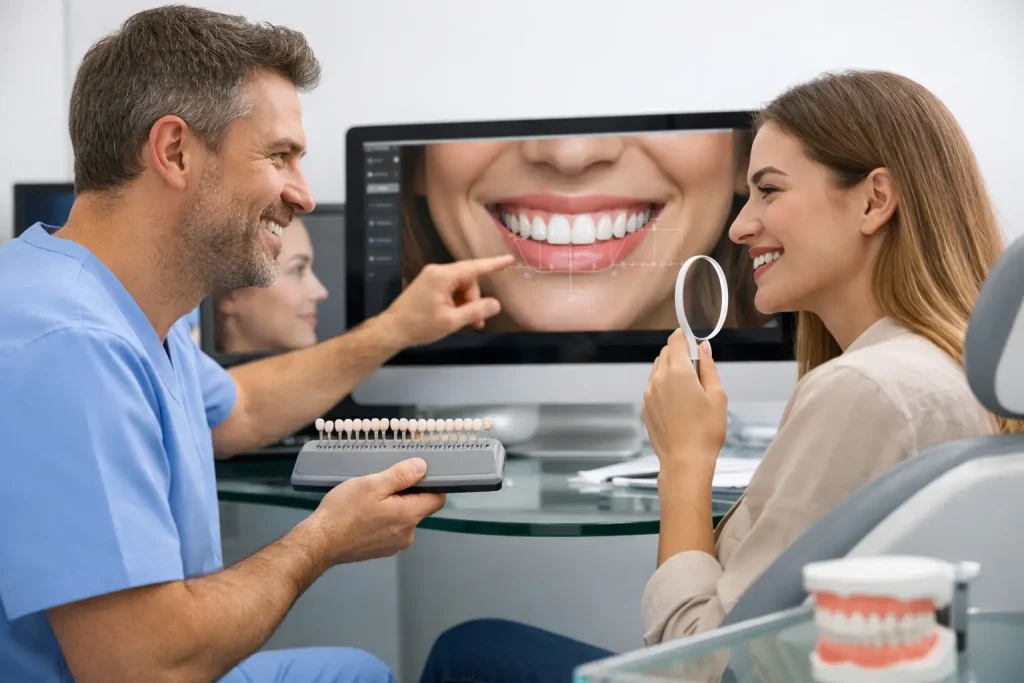
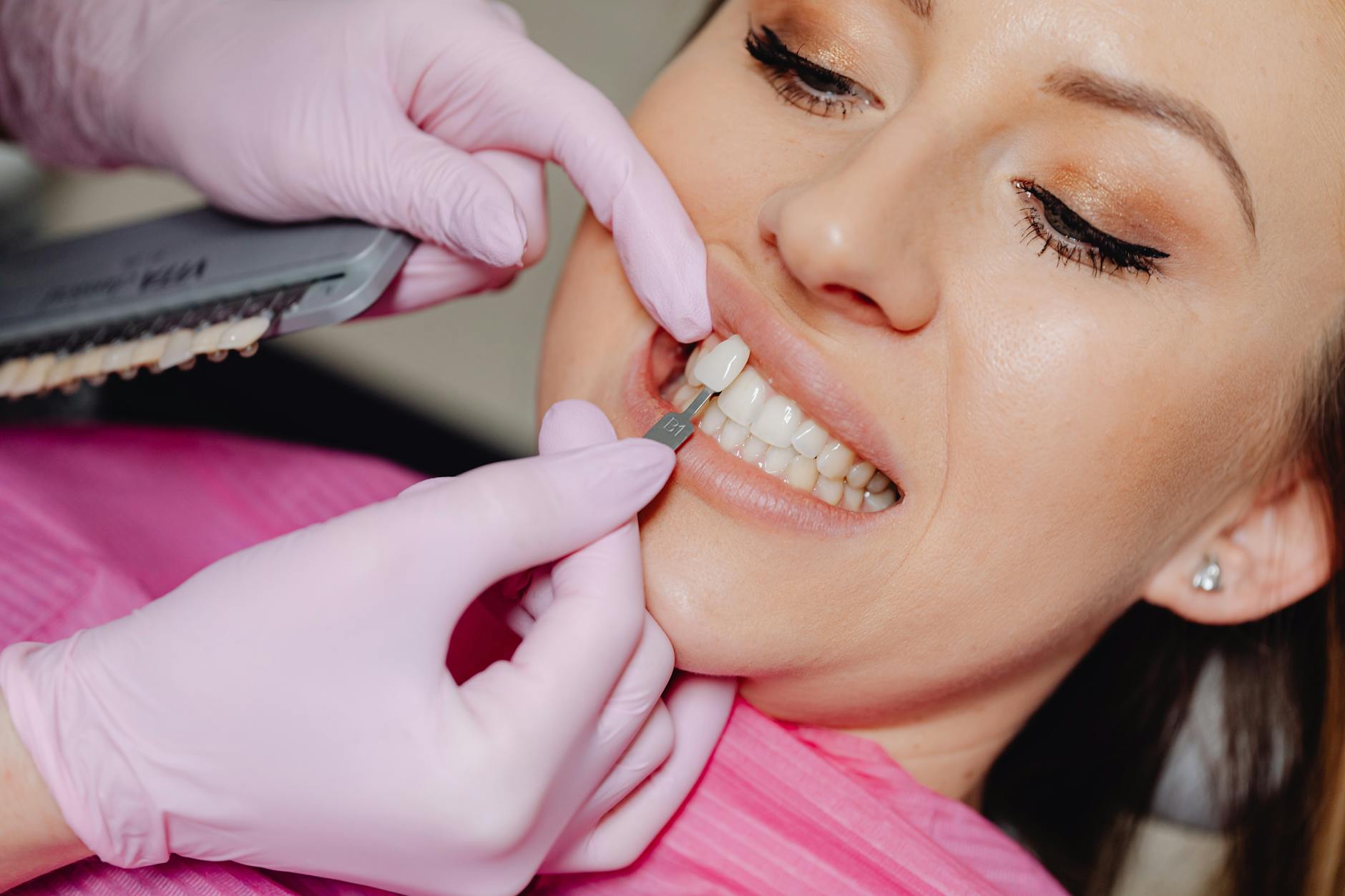
That is one reason smile design matters. The shade, thickness, translucency, and shape all need to work together. Going too white can look flat or artificial. Going too translucent may allow dark underlying color to affect the final result. The best veneer treatment is not just about choosing a material. It is about choosing the right design for your face, skin tone, lip movement, and natural tooth condition.
When porcelain is usually the better choice
Porcelain tends to stand out for patients with severe or stubborn staining, people who want a long-lasting bright smile, and anyone looking for the most polished cosmetic finish. It is also a smart option when multiple concerns overlap, such as discoloration plus worn edges, minor gaps, or uneven tooth proportions.
If your job puts you in front of people every day, or you are highly image-conscious and want your smile to stay camera-ready, porcelain often gives the strongest return. It is built for durability, color stability, and high-end aesthetics.
Patients in profe

ssional and social settings often want more than white teeth. They want a smile that looks intentional, symmetrical, and confident. Porcelain is usually the material that delivers that level of control.
When composite may be the right fit
Composite veneers can be a great match for patients with a smaller budget, those who want a quicker cosmetic refresh, or people who are not ready to commit to porcelain. They can also work well for limited treatment, such as improving a few front teeth with localized discoloration.
This option makes sense when expectations are clear. Composite can look beautiful, but it typically requires more upkeep over time. Polishing, touch-ups, and occasional repairs may be part of the long-term plan. For some patients, that trade-off is completely acceptable because the treatment is more accessible and still produces a confident, attractive result.
What to expect from the process
The best outcomes start with diagnosis, not guesswork. Your dentist should evaluate the cause of staining, enamel health, bite, gum line, and any existing restorations. In some cases, a whitening phase may be recommended first for untreated teeth around the veneers so the final smile looks balanced.
From there, the design phase becomes critical. This is where tooth color, shape, width, and length are selected to complement your features.
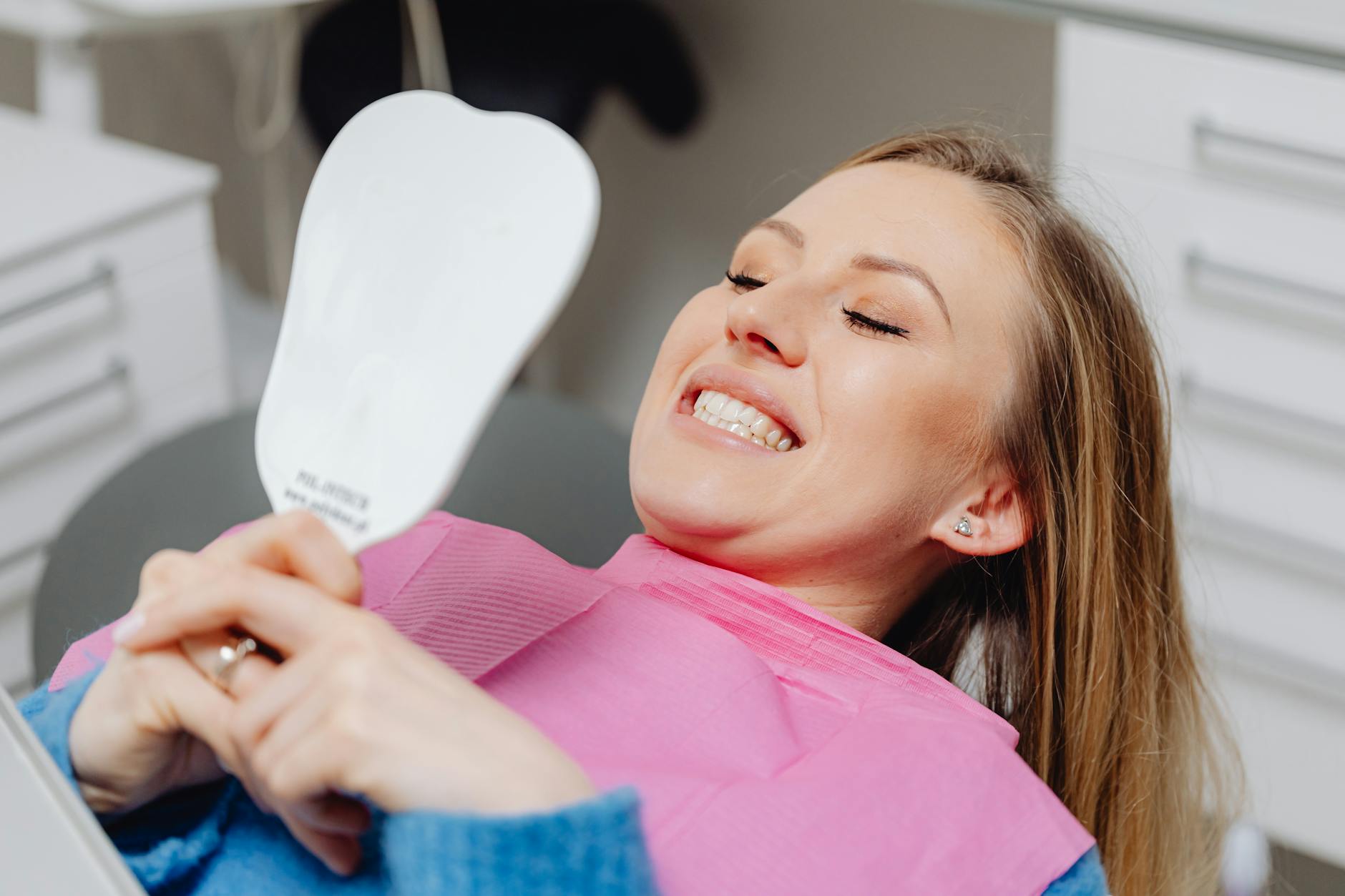
A smile that looks amazing on one person can look too bulky, too opaque, or too bright on someone else. Precision matters.
If you are choosing porcelain, there is usually a preparation visit, records or scans, temporaries in some cases, and then final bonding. If you are choosing composite, treatment can often move faster, though the artistic skill of the dentist becomes especially important because the result is built directly on your teeth.
How to make the right decision
If you are comparing the best veneers for stained teeth, ask yourself a few practical questions. Are your stains deep and resistant to whitening, or mostly surface-level? Do you want the longest-lasting bright result, or are you focused on lower upfront cost? Are you treating one or two teeth, or designing a full smile?
There is no one-size-fits-all answer. The best veneer is the one that fits your stain type, budget, timeline, and cosmetic goals without compromising the result. That is why a consultation matters more than online before-and-after photos. What looks similar in pictures can involve very different materials, prep levels, and longevity.
At Smile Dental Center Group, smile design is built around that level of customization, so patients can choose a result that feels natural, elevated, and aligned with how they want to show up in the world.
Caring for veneers so stains do not come back into the conversation
Veneers do not make oral care optional. You still need professional cleanings, healthy gums, and daily brushing and flossing. Porcelain resists staining well, but surrounding natural teeth can still darken if habits are not managed. Composite can also pick up stain over time, so maintenance is even more important.
If you invest in veneers, protect that investment. Limit heavy exposure to stain-causing drinks, avoid smoking, wear a night guard if you grind, and keep up with regular exams. A beautiful smile performs best when the foundation is healthy.
The right veneers can do more than cover stained teeth. They can change how you carry yourself, how you show up in photos, and how confidently you speak before you say a single word. If whitening has stopped short of the result you want, this may be the moment to choose a solution designed for the smile you actually want to see.