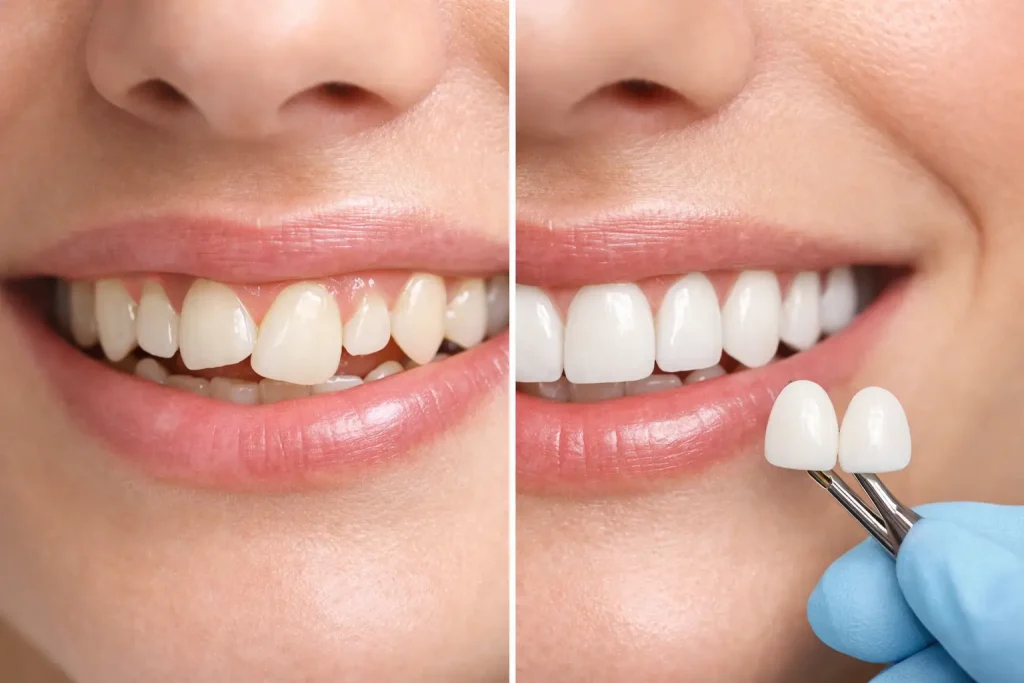

That cracked molar might be doing more than causing pain. It can affect how you chew, how you speak, and how confident you feel when you smile. When patients ask about root canal vs tooth extraction and implant, they usually want one clear answer – save the tooth or replace it? The truth is, the best choice depends on the condition of the tooth, your timeline, your budget, and the result you want long term.
At Smile Dental Center Group, we look at this decision through two lenses at once: health and appearance. A treatment should remove infection and restore function, but it should also support a smile that looks natural, balanced, and confident.
Root canal vs tooth extraction and implant: what changes?
A root canal keeps your natural tooth in place. The infected or inflamed tissue inside the tooth is removed, the inside is cleaned and sealed, and in many cases the tooth is restored with a crown for strength and aesthetics. The goal is to preserve what nature gave you.
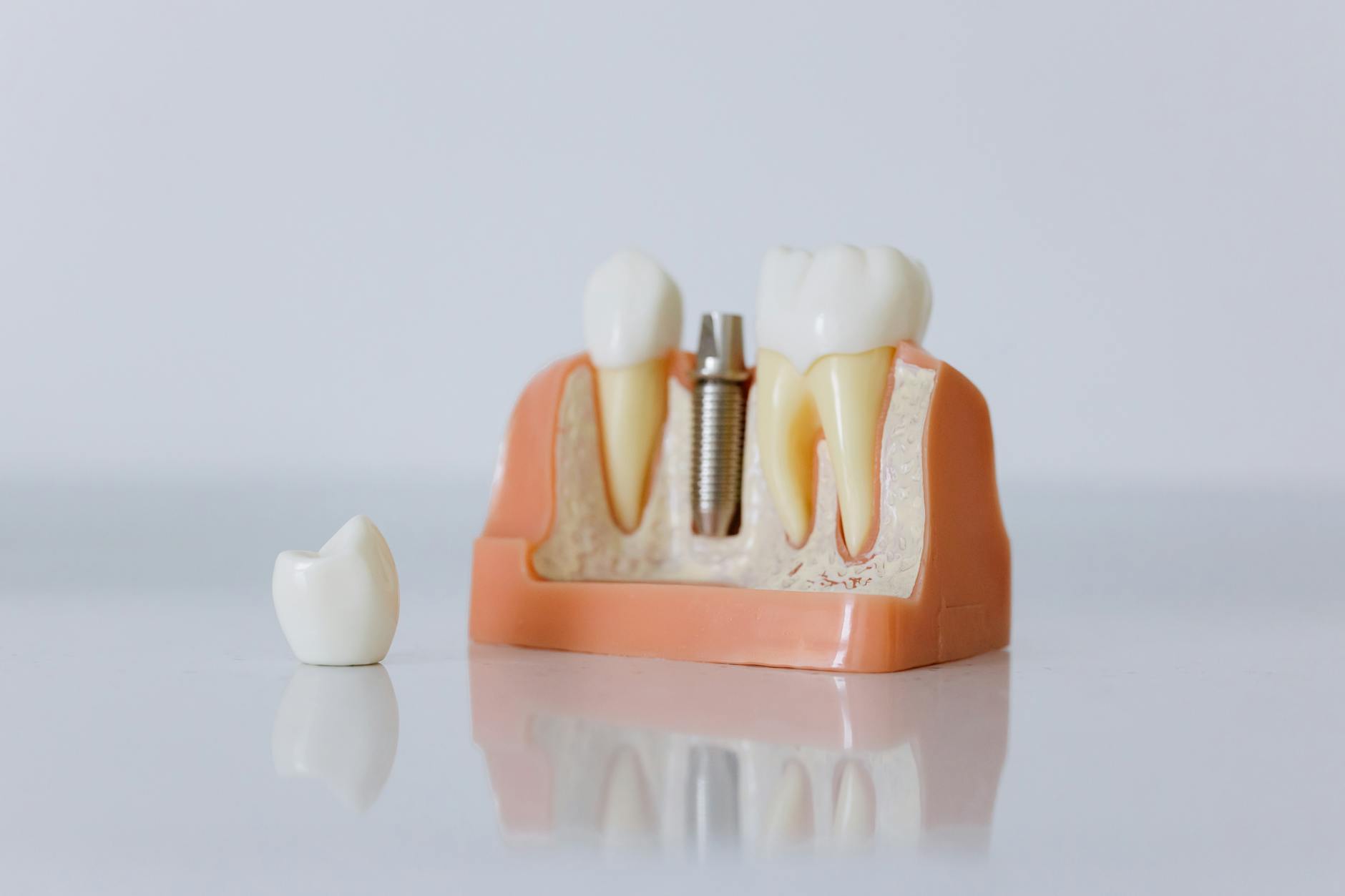
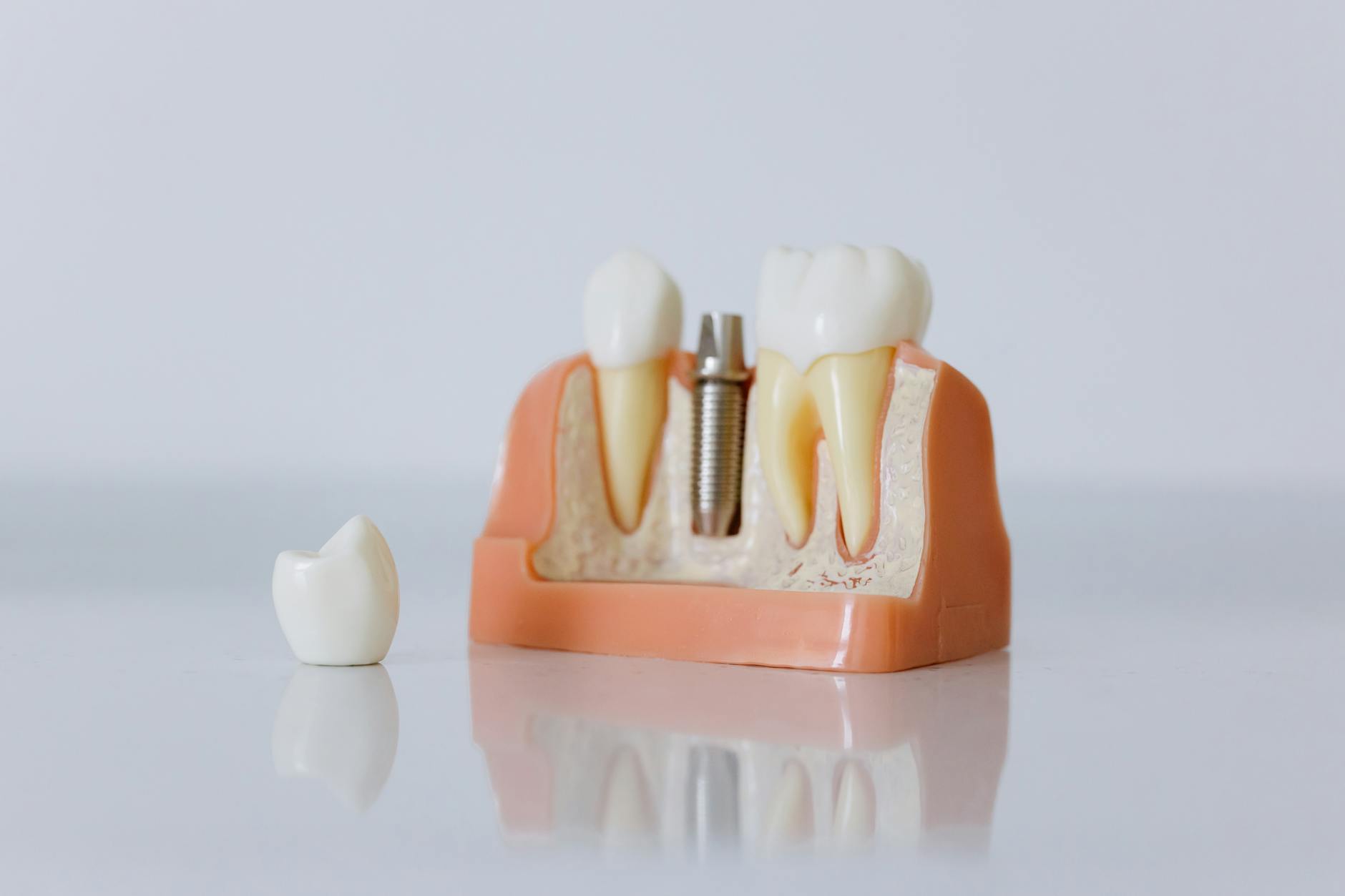
A tooth extraction and implant take a different route. The damaged tooth is removed, the area heals, and a dental implant replaces the missing root. A custom crown is then placed on top to restore the visible part of the tooth. This approach removes the problem tooth entirely and rebuilds the space from the ground up.
Both options can produce excellent results. Both can also be the wrong choice in the wrong case. That is why a proper exam, digital imaging, and a clear treatment plan matter.
When saving the natural tooth makes sense
If the tooth structure is still strong enough to support restoration, a root canal is often the more conservative option. Many patients like it because it lets them keep their natural bite and avoids surgery related to implant placement.
There is also a practical advantage. In many cases, treatment can move faster than extraction followed by implant planning and healing. If you have a wedding, a public-facing job, or simply want to get back to normal without a longer reconstruction process, preserving the tooth can be appealing.
From an aesthetic perspective, keeping the natural tooth can be a smart move when the surrounding gum line and tooth position already look great. A well-done root canal followed by a high-quality restoration can blend beautifully into your smile.
That said, saving the tooth only makes sense if the tooth is truly savable. If there is severe fracture, advanced bone loss, repeated infection, or too little healthy structure left above the gum line, a root canal may only delay a bigger problem.
Benefits of a root canal
The biggest advantage is preservation. Your natural tooth remains in place, which is usually ideal when it can be predictably restored. Chewing often feels more familiar with your own tooth than with any replacement.
A root canal can also be less invasive than an extraction with implant placement. You are treating the inside of the tooth rather than removing the entire tooth and rebuilding the site. For some patients, that matters a lot.
Cost can be another factor. Depending on the tooth and the final restoration needed, a root canal with a crown may cost less upfront than extraction, grafting, implant placement, and an implant crown.
Limits of a root canal
A root canal does not make a weak tooth strong by itself. If the remaining tooth is thin, cracked, or heavily damaged, the long-term outlook may be guarded even after treatment.
There is also the question of longevity. Many root canal-treated teeth last for years, even decades, but success depends on the quality of the treatment, the seal of the final restoration, and how much healthy tooth is left. If the tooth fails later, you may still end up needing an extraction and implant.
When extraction and implant may be the better investment
Sometimes the smartest cosmetic and functional choice is replacement, not rescue. If the tooth is broken below the gum line, has a vertical root fracture, or has failed multiple treatments, keeping it may not be the best use of your time or money.
An implant can provide a strong, independent replacement that does not rely on neighboring teeth. It also helps preserve bone in the jaw, which matters not only for oral health but for facial support and smile aesthetics over time.
For patients focused on long-term stability and a polished result, implants are often attractive. A custom implant crown can be designed for shape, color, and proportion so it fits naturally with the rest of your smile. In the right hands, the final look can be highly refined.
Benefits of extraction and implant
The main advantage is predictability when the original tooth is beyond repair. Rather than trying to hold onto a compromised tooth, treatment starts fresh with a new foundation.
Implants also support the bone better than leaving a gap or relying on some removable options. That can be especially important in visible areas where gum contour and facial symmetry affect how youthful and balanced your smile looks.
Many patients also appreciate the independence of an implant. Unlike a bridge, it typically does not require reshaping adjacent healthy teeth.
Trade-offs to consider
Extraction and implant treatment usually take more time. If bone grafting is needed or the site requires heal

ing before implant placement, the process may stretch over several months.
It can also cost more overall. You are paying for the extraction, possible grafting, implant surgery, and the final crown. For patients comparing invoices, this is often the biggest reason they hesitate.
Not every patient is an instant implant candidate either. Bone volume, gum health, smoking history, bite forces, and medical conditions all influence the plan.
Cost, healing, and appearance
Patients rarely choose based on clinical facts alone. They want to know what this means for real life.
If your priority is preserving your natural tooth and keeping treatment as conservative as possible, a root canal may win. If your priority is replacing a failing tooth with a long-term solution designed for durability and aesthetics, an implant may be worth the added investment.
Healing is different too. A root canal often involves post-treatment tenderness for a short period, but recovery is usually straightforward. Extraction and implant treatment can involve more stages, more healing checkpoints, and in some cases temporary restorations while the final result is being built.
Appearance depends on execution. A root canal tooth may need a crown to restore both strength and beauty. An implant crown must be carefully designed to match the neighboring teeth in color, shape, and gum contour. For front teeth especially, cos
metic planning matters just as much as surgical precision.
Root canal vs tooth extraction and implant for front teeth and molars
The location of the tooth changes the conversation.
For front teeth, aesthetics are everything. Saving a natural front tooth can be ideal if the tooth is healthy enough to restore well and the color can be managed properly. But if the tooth is fractured or structurally compromised, an implant may offer a cleaner long-term result. The challenge is that front-tooth implants require excellent gum and bone management to look natural.
For molars, bite force is the bigger concern. Back teeth take heavy pressure, so the remaining tooth structure matters a lot. A molar with enough healthy structure can do very well after a root canal and crown. A badly broken molar, though, may be a better candidate for extraction and implant because long-term strength becomes the priority.
The decision should be about prognosis, not fear
A lot of patients come in with strong feelings. Some want to avoid a root canal at all costs. Others want to keep every natural tooth no matter what. The best results usually come from stepping back and asking a better question: which option gives this specific tooth the best long-term prognosis and the best-looking outcome?
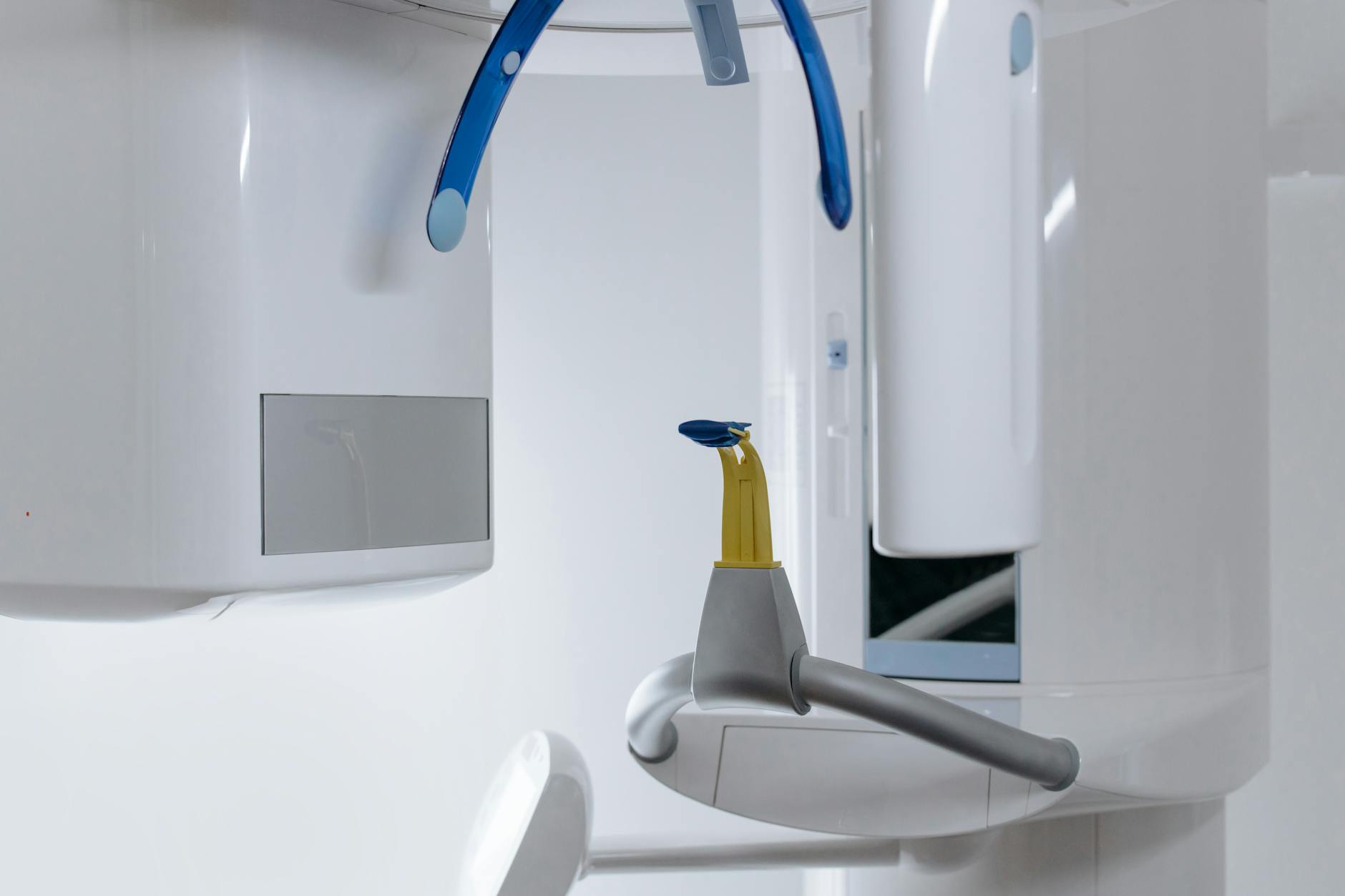
That answer comes from a detailed exam, X-rays or 3D imaging when needed, and a plan that considers infection, structure, bone support, bite, and smile design. This is not just about stopping pain today. It is about protecting your confidence tomorrow.
If you are weighing root canal vs tooth extraction and implant, do not guess based on internet opinions or a friend’s story. Get your tooth evaluated properly, understand the trade-offs, and choose the option that supports your health, your timeline, and the kind of smile you want to keep showing off. When the treatment is matched to the right case, you are not just fixing a tooth – you are protecting the way your smile looks, feels, and performs every day.