

Key Takeaways
- Porcelain veneers can last 15–20 years and composite veneers 5–7 years with proper maintenance
- Daily care involves a soft-bristled toothbrush, non-abrasive toothpaste, and gentle flossing
- Professional dental cleanings every six months are essential for veneer longevity
- Night guards are critical for patients who grind or clench their teeth
- Early detection of chips, margin gaps, or discoloration can prevent costly replacements
Proper veneer maintenance is the single most important factor in determining how long your investment lasts. With consistent daily care and regular professional check-ups, porcelain veneers routinely last 15 to 20 years, while composite veneers maintain their appearance for 5 to 7 years. This guide provides a complete decade-long care plan covering daily routines, dietary habits, professional maintenance, and warning signs to watch for.
The 10-Year Veneer Care Plan
Think of veneer maintenance as a long-term investment strategy. The following timeline outlines what to prioritize at each stage of your veneer lifespan:
| Timeframe | Priority Actions |
|---|---|
| Week 1–2 | Adjust to new bite; eat soft foods; report any sensitivity or rough edges to your dentist |
| Month 1–3 | Establish daily care routine; get fitted for night guard if needed; first post-placement check-up |
| Month 6 | First professional cleaning with veneer-safe protocol; assess gum health around margins |
| Year 1 | Annual evaluation: check bonding integrity, margin seal, and color stability |
| Year 2–5 | Continue biannual cleanings; replace night guard if worn; address any minor chips or staining |
| Year 5–7 | Composite veneers may need polishing, repair, or replacement; porcelain veneers should still look excellent |
| Year 7–10 | Thorough evaluation of all veneer margins; check for micro-leakage; discuss longevity expectations |
| Year 10+ | Porcelain veneers in good condition can last another 5–10 years; plan ahead for eventual replacement |

Daily Veneer Care Routine (Morning and Night)
A consistent daily routine is the foundation of long-lasting veneers. The American Dental Association recommends brushing twice daily and flossing once daily for all patients—veneer patients simply need to follow a few additional guidelines.
Morning Routine
- Brush with a soft-bristled toothbrush. Hard or medium bristles can scratch composite veneers and may abrade the margins where veneer meets tooth. Electric toothbrushes with pressure sensors are an excellent choice, as they prevent over-brushing.
- Use non-abrasive toothpaste. Avoid whitening toothpastes that contain baking soda, charcoal, or high-RDA (Relative Dentin Abrasivity) formulas. These can dull the surface of composite veneers over time. Look for toothpastes with an RDA value below 70. Brands like Sensodyne ProNamel and CloSYS are consistently recommended by cosmetic dentists.
- Rinse with an alcohol-free mouthwash. Alcohol-based mouthwashes can degrade the bonding agent over time. CloSYS, Biotene, and Crest Pro-Health (alcohol-free formula) are safe options that provide antibacterial protection without affecting your veneer bond.
Evening Routine
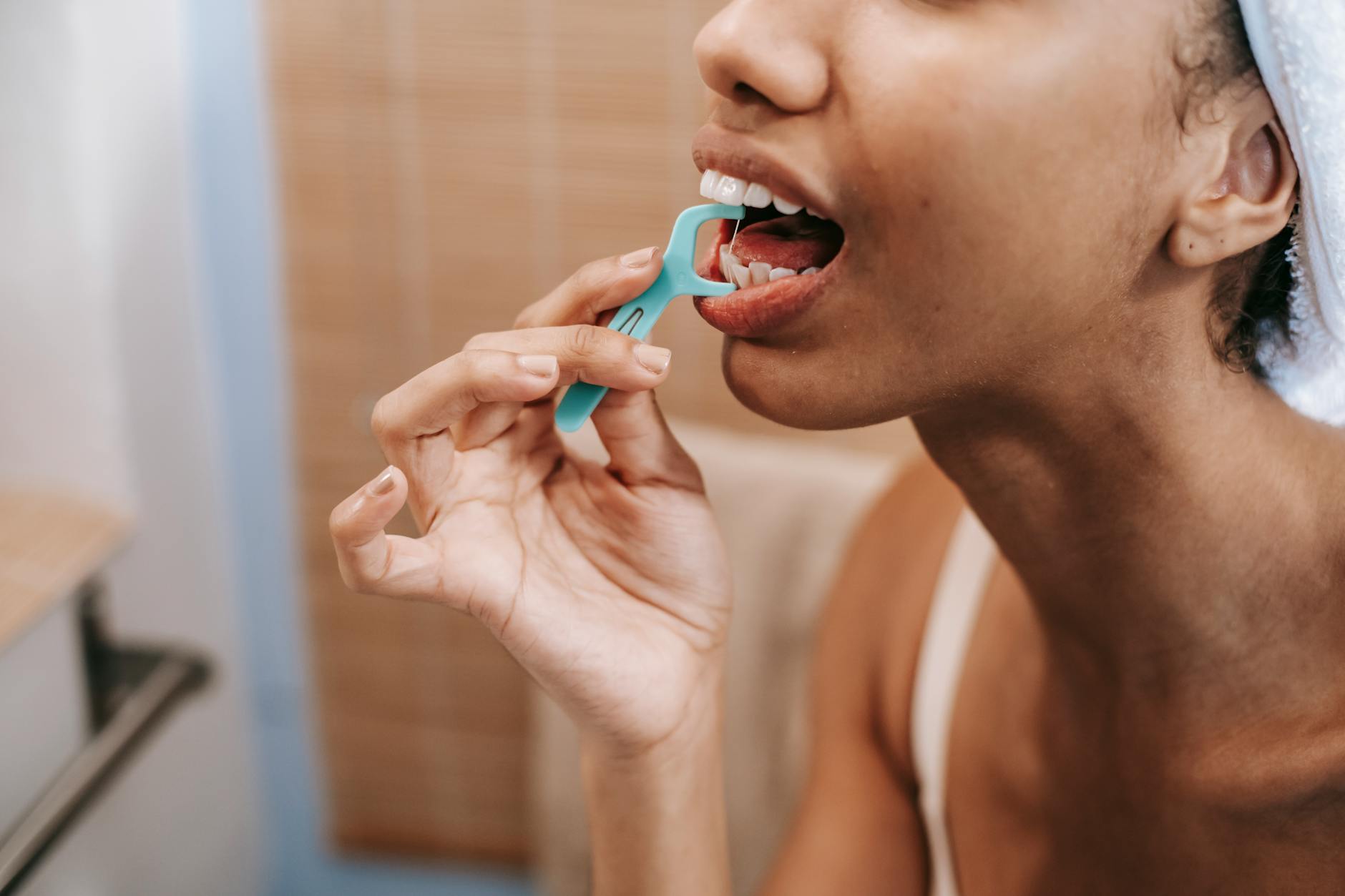
- Floss gently but thoroughly. Use waxed floss or a water flosser to clean between and around your veneers. Proper flossing prevents gum disease, which is one of the leading causes of veneer failure—not because the veneer itself fails, but because receding gums expose the veneer margin.
- Brush again with the same soft-bristle protocol.
- Wear your night guard. If you have any tendency to grind or clench (bruxism), wearing a custom night guard is non-negotiable. A study in the Journal of Prosthodontics found that bruxism increases the risk of veneer fracture by 800%. Your dentist at Smile Dental Center can fabricate a custom guard that protects your veneers without affecting your bite.
Foods and Habits That Damage Veneers
While you can eat most foods normally with veneers, certain habits accelerate wear and increase fracture risk:
Foods to Approach with Caution
- Ice: Chewing ice is the number one cause of veneer chips reported in clinical literature. Let ice melt in your drink.
- Hard candy and nuts: Bite with your back teeth and avoid cracking shells or pits.
- Popcorn: Unpopped kernels are a common cause of fracture. Eat carefully.
- Sticky candy: Caramel, taffy, and gummy bears can pull at veneer margins.
- Corn on the cob: Cut kernels off rather than biting directly.
Habits That Shorten Veneer Life
- Using teeth as tools: Opening packages, tearing tape, or biting nails puts lateral force on veneers they are not designed to handle.
- Pen and pencil chewing: A common unconscious habit that creates concentrated point pressure.
- Smoking: While porcelain resists nicotine staining, the bonding agent and exposed tooth margins can discolor. Smoking also increases gum disease risk, which threatens veneer longevity indirectly.
- Excessive alcohol consumption: High alcohol intake can weaken the resin bonding agent over years.
Staining Considerations
Porcelain veneers are virtually stain-proof due to their glazed ceramic surface. However, composite veneers are more porous and can absorb pigments from coffee, tea, red wine, curry, and berries over time. If you have composite veneers, rinsing with water after consuming staining beverages and using a straw for dark drinks can help preserve their color.
Professional Maintenance: What Your Dentist Does
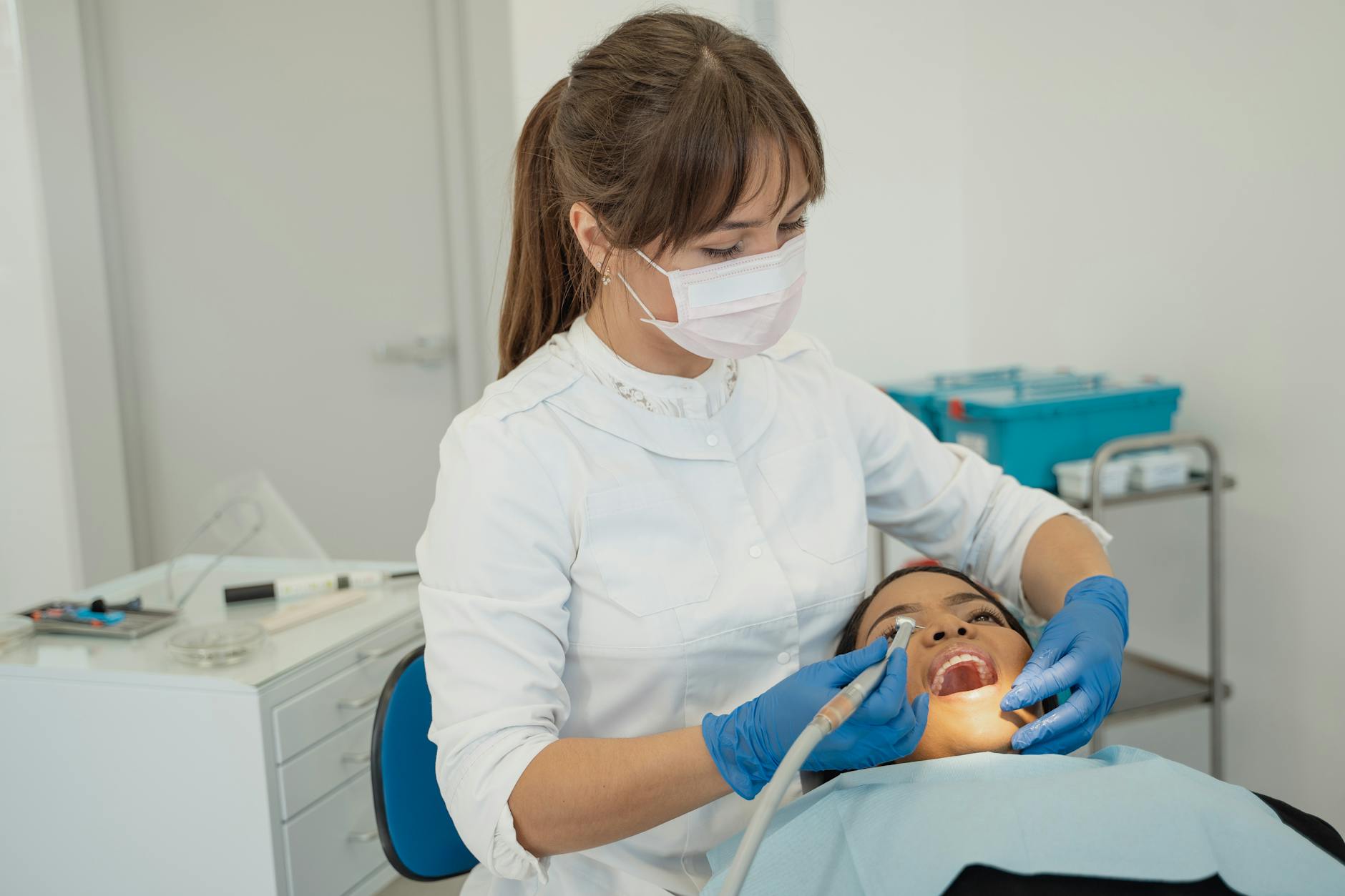
Home care handles daily maintenance, but professional visits address what you cannot see or reach. Schedule cleanings and evaluations every six months—or every four months if you have a history of gum disease.
What Happens at a Veneer Maintenance Appointment
- Visual inspection: Your dentist examines each veneer for chips, cracks, margin gaps, discoloration, and bonding integrity.
- Gum health assessment: Probing around veneer margins to check for gum recession or inflammation. Healthy gums are essential for long-term veneer stability.
- Professional cleaning: Your hygienist uses non-abrasive polishing paste and avoids ultrasonic scalers directly on veneer surfaces. Standard metal scalers should not be used on the veneer face—only on natural tooth surfaces.
- Bite evaluation: Over time, natural tooth wear and jaw changes can alter your bite. If veneers are receiving uneven force, minor adjustments can redistribute pressure and prevent fractures.
- Photography: Many practices photograph your veneers annually to track any changes in color, shape, or gum position over time.
Important: Always inform your dental hygienist that you have veneers before cleaning begins. The instruments and techniques used on natural teeth can sometimes damage veneer surfaces if the hygienist is unaware.
Porcelain vs. Composite Veneer Care Differences
While the basic care principles are the same, each material has specific considerations:
| Care Factor | Porcelain Veneers | Composite Veneers |
|---|---|---|
| Stain resistance | Excellent—rarely stains | Moderate—requires more dietary awareness |
| Polishing needs | Factory glaze lasts years; rarely needs polishing | May need professional polishing every 6–12 months |
| Chip repair | Difficult; often requires full replacement | Easy chairside repair with bonding material |
| Toothpaste sensitivity | Tolerates most formulas | Avoid high-abrasive and whitening toothpastes |
| Surface wear | Minimal over 15+ years | Gradual surface roughening after 3–5 years |
| Color stability | Maintains original shade indefinitely | May yellow or darken slightly over time |
If you have composite veneers, annual professional polishing appointments are particularly valuable. Your dentist can restore the smooth, lustrous surface that may dull with daily use, making the veneers look refreshed without replacement.
Signs Your Veneers Need Attention
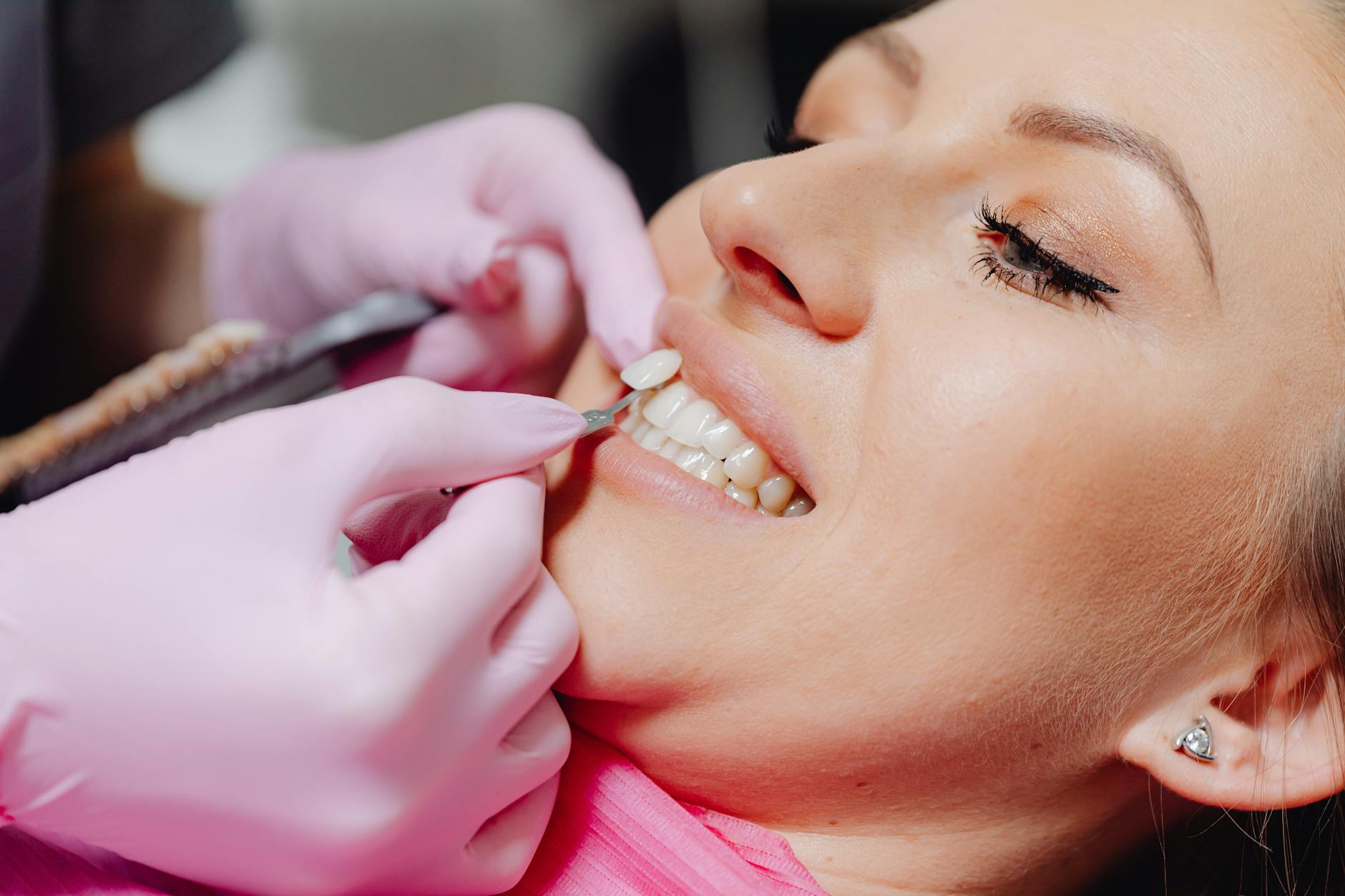
Early detection of problems can save you from a full veneer replacement. Schedule an appointment if you notice any of the following:
- Dark line at the gum margin: This may indicate the veneer bond has weakened, gum recession has exposed the margin, or the underlying tooth has darkened. It does not necessarily mean the veneer has failed, but it should be evaluated.
- Increased sensitivity: If a tooth that was previously comfortable becomes sensitive to temperature or pressure, the veneer bond may be compromised, allowing fluid and bacteria to reach the dentin layer.
- Rough or jagged edges: Chipping at the edges of a veneer, even if small, tends to worsen over time. Small chips can often be smoothed or patched, but ignoring them risks larger fractures.
- Veneer feels loose: If you can detect any movement when pressing on a veneer with your tongue, the bond has weakened. This requires prompt professional attention to prevent bacterial infiltration beneath the veneer.
- Gum recession: As gums recede with age, the junction between veneer and natural tooth can become visible. This is primarily a cosmetic concern but can also indicate periodontal issues that need treatment.
- Color mismatch: Natural teeth around your veneers may darken over time while the veneers maintain their original shade. Professional whitening of surrounding teeth can restore a uniform appearance.
How Long Do Veneers Last with Proper Care?
Longevity depends on the veneer material, the quality of placement, and—most significantly—how well you maintain them:
Porcelain veneers: Clinical studies consistently show survival rates of 93–96% at 10 years and 82–90% at 20 years. A landmark study published in the Journal of Dental Research followed 318 porcelain veneers over 20 years and found that 83% remained fully intact without any repair or replacement. The most common reasons for failure were fracture (usually from trauma or bruxism) and secondary decay at the margins.
Composite veneers: Research indicates average lifespans of 4 to 8 years, though well-maintained composite veneers in favorable bite conditions have been documented lasting over 10 years. The Journal of Adhesive Dentistry reported a 90% survival rate at 5 years for direct composite veneers when patients followed recommended care protocols.
The factors with the greatest impact on lifespan are:
- Bruxism (grinding)—the number one threat to veneer longevity
- Oral hygiene—gum disease undermines the foundation
- Bite alignment—uneven forces accelerate wear
- Material quality—premium ceramics and bonding agents outperform budget alternatives
- Dentist skill—proper preparation and bonding technique are foundational
At Smile Dental Center, we use premium materials and evidence-based bonding protocols to maximize the lifespan of every veneer we place. Our patients in both Miami and Medellín benefit from the same materials and techniques, with the Medellín location offering significant cost advantages for the same quality of care.
Frequently Asked Questions
Can I use an electric toothbrush with veneers?
Yes, electric toothbrushes are actually recommended for veneer patients because they provide consistent, gentle pressure without the risk of aggressive scrubbing. Choose a model with a pressure sensor that alerts you if you are pressing too hard. Use a soft brush head and avoid charcoal or highly abrasive replacement heads. Sonic and oscillating models both work well.
Do veneers need to be whitened?
No. Veneers (especially porcelain) do not respond to whitening treatments because they are not made of natural tooth structure. If your natural teeth around the veneers have darkened over time, your dentist can whiten those surrounding teeth to restore a uniform shade. This is a common and straightforward procedure during routine maintenance visits.
How much does veneer repair cost?
Composite veneer repairs are typically modest in cost, as they involve chairside bonding that can be completed in a single visit. Porcelain veneer replacement is more expensive because it requires new lab fabrication. At Smile Dental Center, we discuss long-term cost expectations during your initial consultation so there are no surprises down the road.
Is it normal for veneers to feel rough after several years?
Composite veneers may develop a slightly rougher texture over time as the resin surface wears. This is normal and can be addressed with professional polishing at your cleaning appointments. Porcelain veneers should maintain their smooth, glazed surface for many years. If a porcelain veneer feels rough, it may have a micro-chip that needs evaluation.
What happens if I do not maintain my veneers properly?
Neglecting veneer maintenance can lead to gum disease around the margins, secondary decay beneath the veneer, bonding failure, staining (composite), and premature fracture. The cost of replacing veneers is significantly higher than the cost of maintaining them. Investing in proper care—quality toothpaste, regular cleanings, a night guard—protects both your smile and your finances long term.
Protect Your Veneer Investment
Whether your veneers are brand new or several years old, a professional evaluation ensures everything is on track. At Smile Dental Center, our team specializes in long-term cosmetic maintenance and can create a personalized care plan for your specific veneers.
Message us on WhatsApp or call (786) 560-7567 to book your consultation.