

Key Takeaways
- All-on-4 uses 4 implants per arch at strategic angles; All-on-6 uses 6 implants placed more vertically for added stability.
- All-on-4 is typically sufficient for most patients. All-on-6 is recommended when extra support is needed — usually due to bone density concerns or heavier bite forces.
- Both procedures deliver a fixed, non-removable full arch of teeth in as little as one day (immediate loading).
- Cost in Miami ranges from $20,000–$30,000 per arch for All-on-4 and $24,000–$36,000 for All-on-6, depending on the final prosthesis material.
- Success rates for both exceed 95% at 10 years, according to peer-reviewed research — making either option a reliable long-term solution.
If you’re facing full-arch tooth loss — or already wearing dentures that slip, hurt, or limit what you can eat — you’ve likely come across two terms: All-on-4 and All-on-6. Both promise a complete set of fixed, permanent teeth supported by dental implants. But which one is actually better for you?
The answer depends on your bone density, bite forces, budget, and long-term goals. This guide breaks down both options with clinical data, honest cost comparisons, and practical guidance so you can make a confident decision.
All-on-4 vs All-on-6: Quick Comparison
| Factor | All-on-4 | All-on-6 |
|---|---|---|
| Number of Implants | 4 per arch | 6 per arch |
| Implant Angulation | 2 straight + 2 tilted (up to 45°) | Primarily straight or slightly angled |
| Bone Grafting | Usually not required | Sometimes required |
| Cost (per arch, Miami) | $20,000 – $30,000 | $24,000 – $36,000 |
| Surgery Time | 2 – 3 hours per arch | 3 – 4 hours per arch |
| Same-Day Teeth | Yes (immediate loading) | Yes (immediate loading) |
| 10-Year Success Rate | 94 – 98% | 95 – 99% |
| Best For | Moderate bone loss, cost-conscious | Good bone, heavy bite, max durability |
What Is All-on-4? How It Works
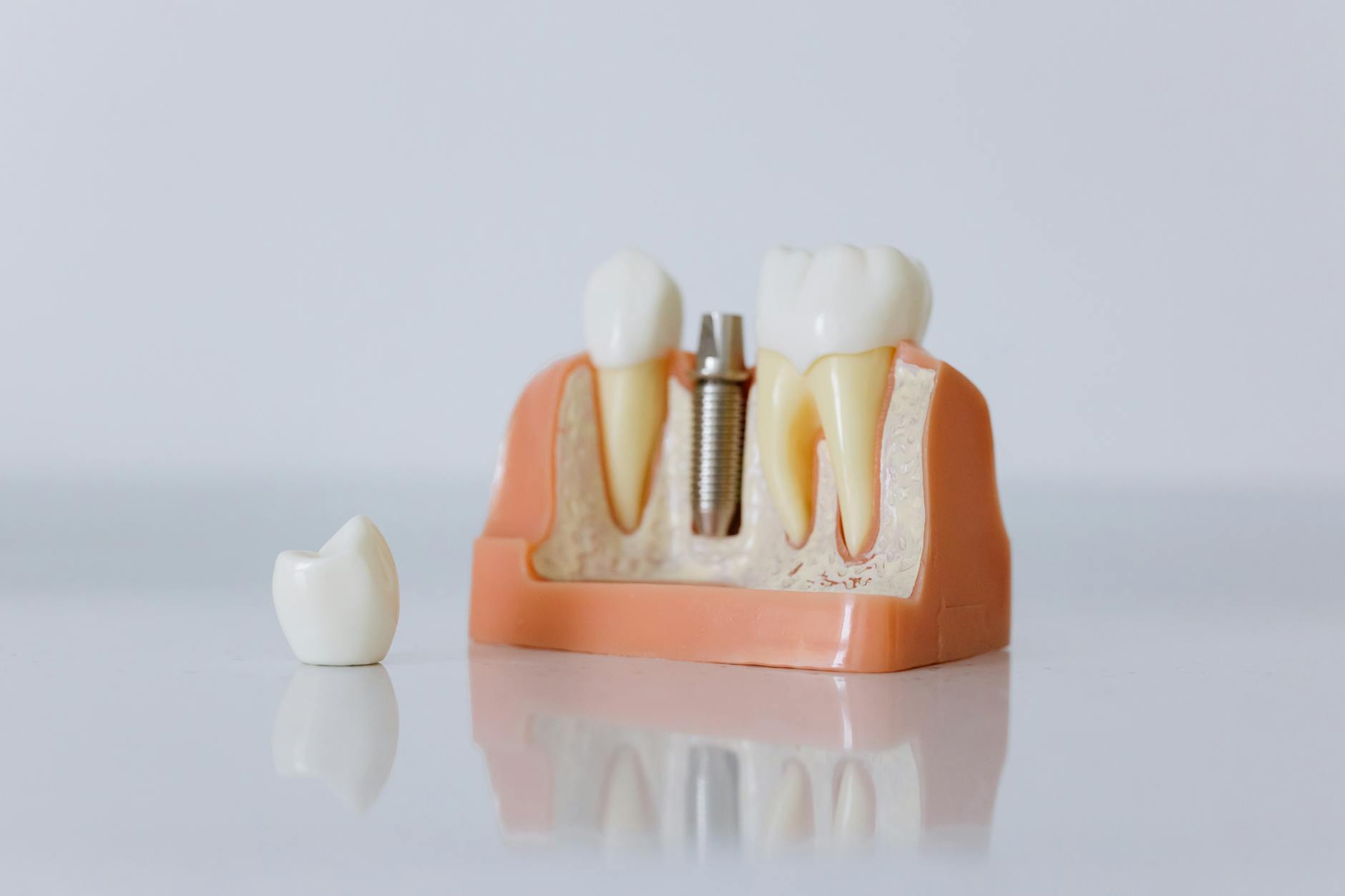
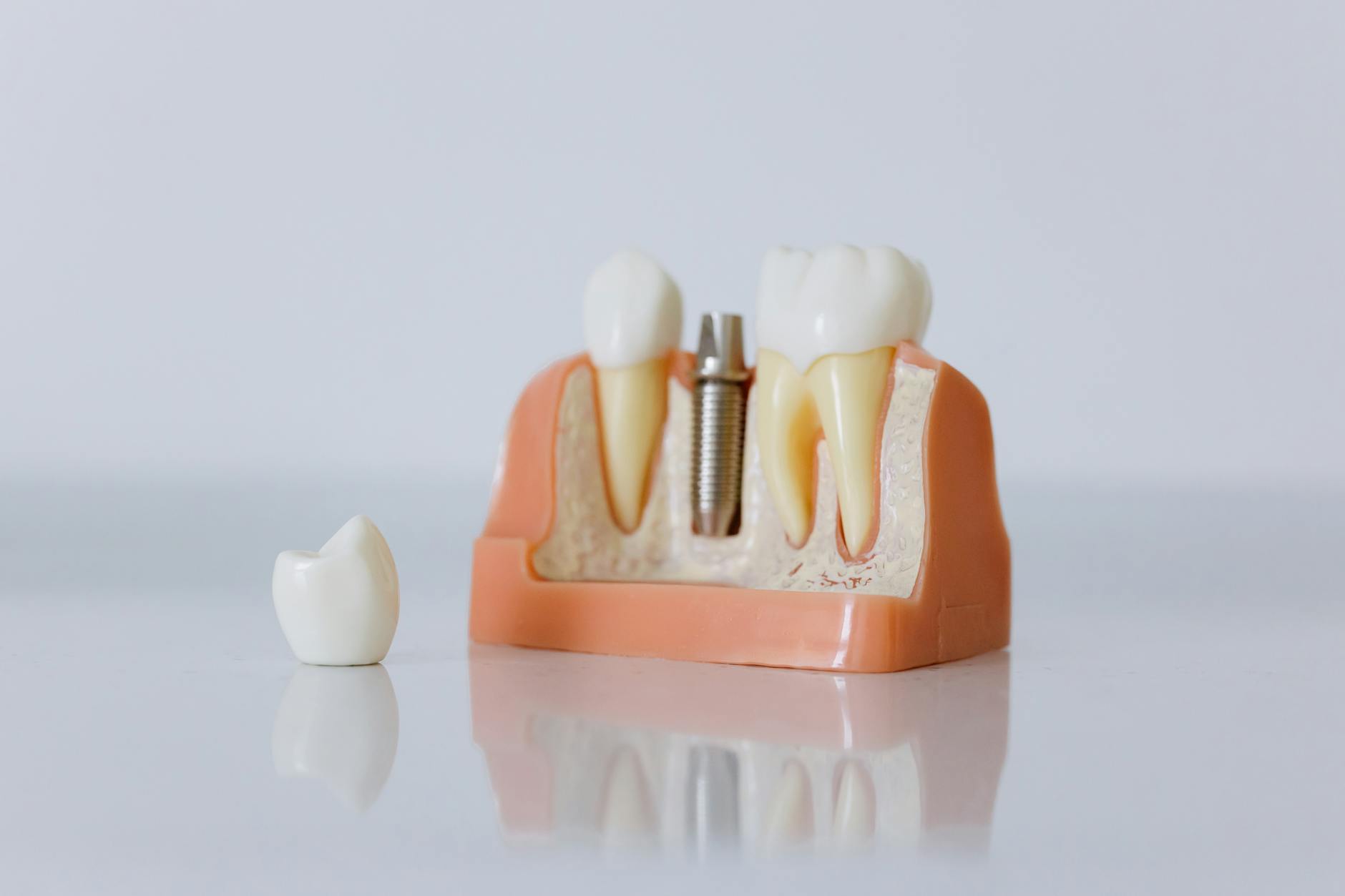
The All-on-4 protocol was developed by Dr. Paulo Malo in Portugal and has been the gold standard in full-arch implant rehabilitation since the early 2000s. The concept is elegant: rather than placing 8–10 individual implants (which requires substantial bone everywhere in the jaw), All-on-4 uses just four strategically positioned implants to support an entire arch of fixed teeth.
Here’s what makes the design work:
- Two anterior implants are placed vertically in the front of the jaw, where bone is naturally dense and thick.
- Two posterior implants are tilted at up to 45 degrees, anchoring into the denser bone toward the front of the jaw while extending support to the back. This angulation avoids the maxillary sinuses (upper jaw) and the inferior alveolar nerve (lower jaw).
The tilted posterior implants are the innovation. By angling them, the dentist achieves a wider spread of support — called the “anterior-posterior spread” — without needing bone grafts in areas where bone has resorbed. A landmark 2019 study in Clinical Implant Dentistry and Related Research reported a cumulative survival rate of 98% for tilted implants at 10 years, confirming that angulated placement is every bit as reliable as straight placement.
In most cases, patients receive a provisional (temporary) set of fixed teeth on the same day as surgery. After 3–6 months of healing, the final prosthesis — typically made of zirconia or acrylic with a titanium framework — is fabricated and permanently attached.
What Is All-on-6? How It Works
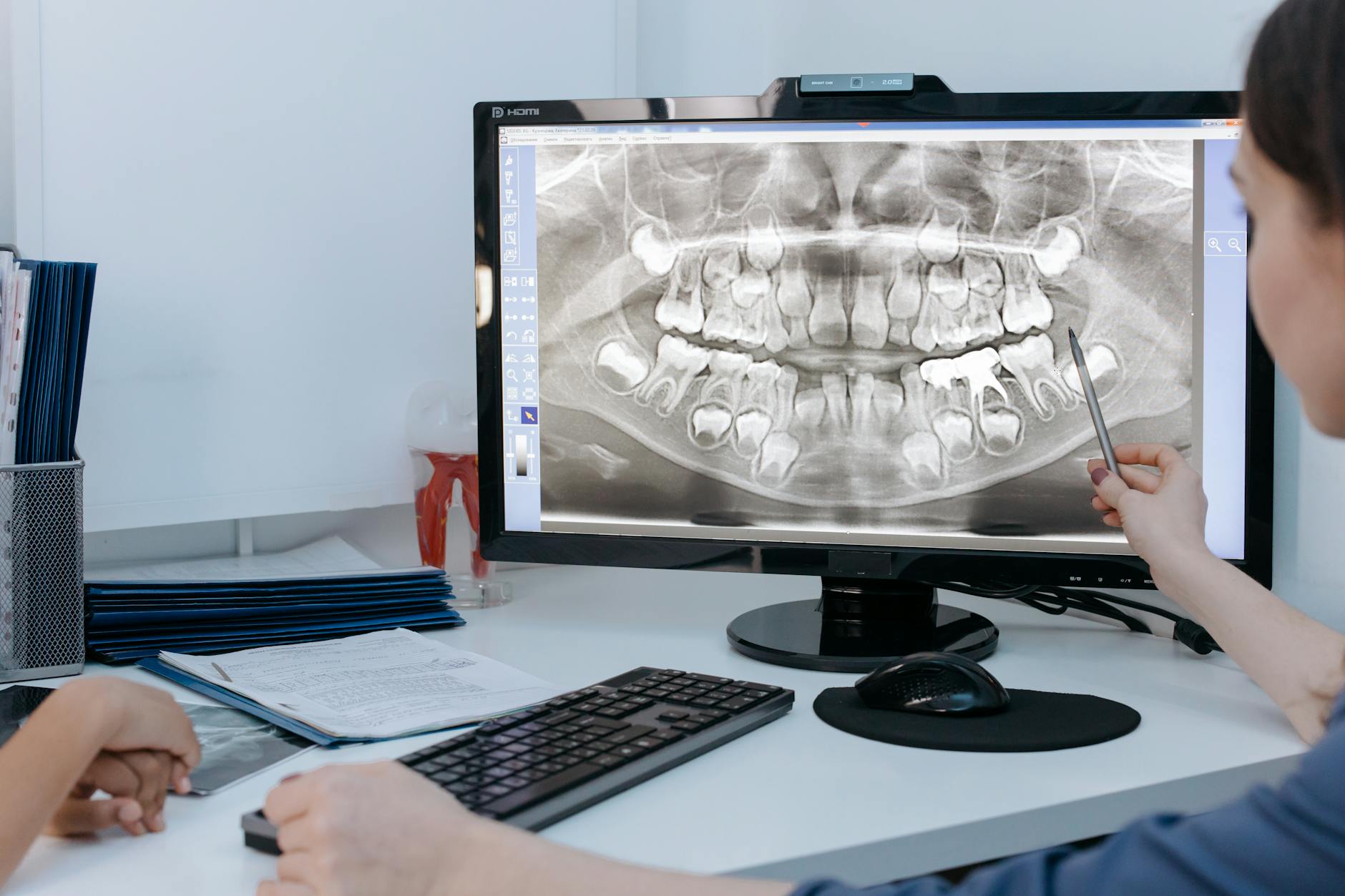
All-on-6 follows the same principle as All-on-4 but adds two additional implants for a total of six per arch. The extra implants are typically placed in the premolar region, creating more points of anchorage and distributing bite forces across a wider area.
Key differences in the surgical approach:
- Less reliance on angulation. With six implants available, the posterior implants don’t need to be tilted as aggressively. More implants can be placed in a straighter orientation.
- Greater load distribution. Six points of contact spread chewing forces more evenly, which can reduce stress on individual implants and the surrounding bone.
- Potentially requires more bone. Because the implants are distributed more widely across the arch, patients may need bone grafting in areas where All-on-4’s tilted approach would have avoided it entirely.
A 2021 systematic review in the International Journal of Oral and Maxillofacial Implants analyzed outcomes from both protocols and found no statistically significant difference in implant survival rates between All-on-4 and All-on-6 at 5 and 10 years. Both achieved survival rates above 95%. The clinical difference, then, isn’t about whether they “work” — both work exceptionally well — but about which approach best fits your specific anatomy.
Key Differences Explained
Bone Requirements
All-on-4 was specifically designed for patients with moderate to significant bone loss. The tilted posterior implants engage existing bone without requiring grafts. All-on-6 generally requires more available bone across a wider area, though this varies by case. At Smile Dental Center, we use 3D CT/CBCT imaging to map your bone density precisely and determine which protocol is optimal.
Load Distribution and Durability
Six implants distribute bite forces across 50% more anchor points than four. In practical terms, this can matter for patients who have strong bite forces (often men with larger jaw muscles) or those who plan to eat particularly hard or tough foods regularly. It also provides a safety margin: if one implant were to fail in an All-on-6 case, the remaining five can often support the prosthesis while the issue is resolved. With All-on-4, losing one implant is more critical.
Surgical Complexity and Recovery
All-on-6 involves a longer surgery (typically 3–4 hours per arch versus 2–3 for All-on-4) and places two additional surgical sites that need to heal. Recovery timelines are similar — most patients return to soft foods within a week — but initial post-operative swelling may be slightly greater with six implant sites. Research published in the Journal of Oral Rehabilitation (2022) found no significant difference in patient-reported pain or quality of life between the two protocols during the healing period.
Long-Term Prosthesis Design
Both protocols support the same types of final prostheses: acrylic with titanium framework, full zirconia, or porcelain-fused-to-metal. However, the extra support from six implants can allow for slightly longer spans of unsupported prosthetic material, which gives the lab technician more design flexibility — particularly when restoring full arches with significant ridge resorption.
Cost Comparison: All-on-4 vs All-on-6 in Miami
Cost is a major factor for most patients considering full-arch implant treatment. Here’s what you’ll find in the Miami market in 2026:
| Component | All-on-4 (per arch) | All-on-6 (per arch) |
|---|---|---|
| Implants + surgery | $8,000 – $12,000 | $12,000 – $18,000 |
| Provisional prosthesis (same-day) | $3,000 – $5,000 | $3,000 – $5,000 |
| Final prosthesis (zirconia) | $8,000 – $12,000 | $8,000 – $12,000 |
| Total per arch | $20,000 – $30,000 | $24,000 – $36,000 |
| Both arches (full mouth) | $40,000 – $60,000 | $48,000 – $72,000 |
The $4,000–$12,000 difference between All-on-4 and All-on-6 per arch comes primarily from the two additional implants and the slightly longer surgical time. The final prosthesis cost is the same, since the bridge itself is similar in both cases.
For a detailed breakdown of implant pricing at our clinic, visit our dental implants cost page.
Which Option Is Right for You?
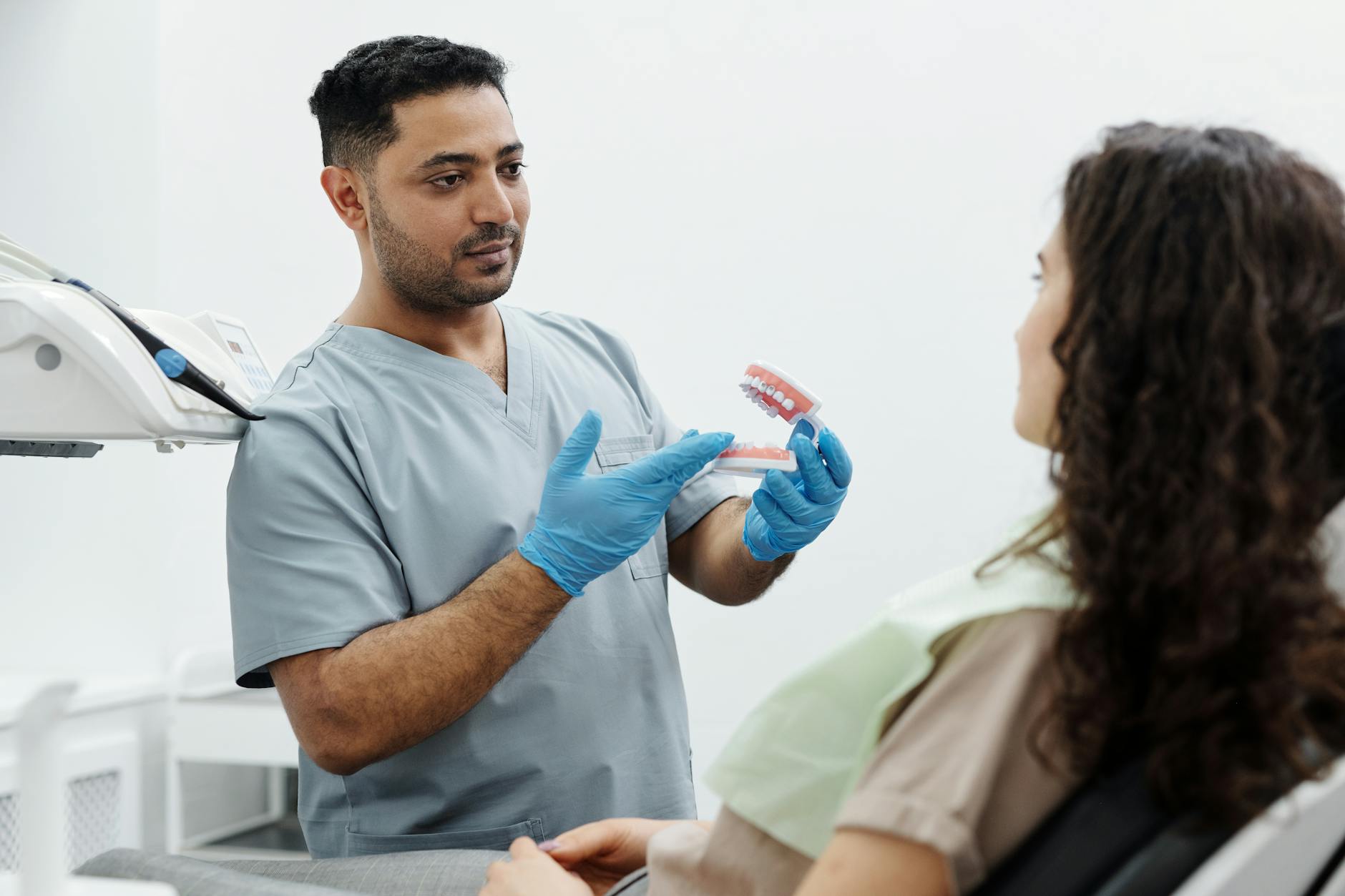
Choosing between All-on-4 and All-on-6 isn’t a matter of personal preference — it’s a clinical decision based on your anatomy and needs. Here’s a general guide:
All-on-4 Is Likely Best If:
- You have moderate to significant bone loss in the posterior jaw and want to avoid bone grafting.
- You want the most cost-effective full-arch implant solution.
- You have average bite forces and don’t clench or grind heavily.
- Your 3D scan shows adequate bone density in the anterior jaw where the tilted implants will anchor.
- You want to minimize surgical complexity and recovery time.
All-on-6 Is Likely Best If:
- You have good bone density across the full arch and can accommodate six implant sites.
- You have strong bite forces or a history of bruxism (teeth grinding).
- You want maximum redundancy — the security of knowing that even if one implant has an issue, the prosthesis remains supported.
- You’re restoring the upper arch where bone tends to be softer and additional implants improve stability.
- You prefer a more evenly distributed load for long-term durability.
At Smile Dental Center, we never recommend one protocol over the other without first analyzing your 3D CT/CBCT scans. Bone density, sinus position, nerve location, and jaw shape all factor into the recommendation. The decision should be made by data — not by marketing.
All-on-X at Smile Dental Center Miami
We use the term “All-on-X” because the right number of implants depends on you, not on a brand name. Some patients do best with four. Others need six. A few rare cases may benefit from five or even eight. Our approach is driven by your 3D imaging data and clinical needs.
What you can expect at our Miami practice:
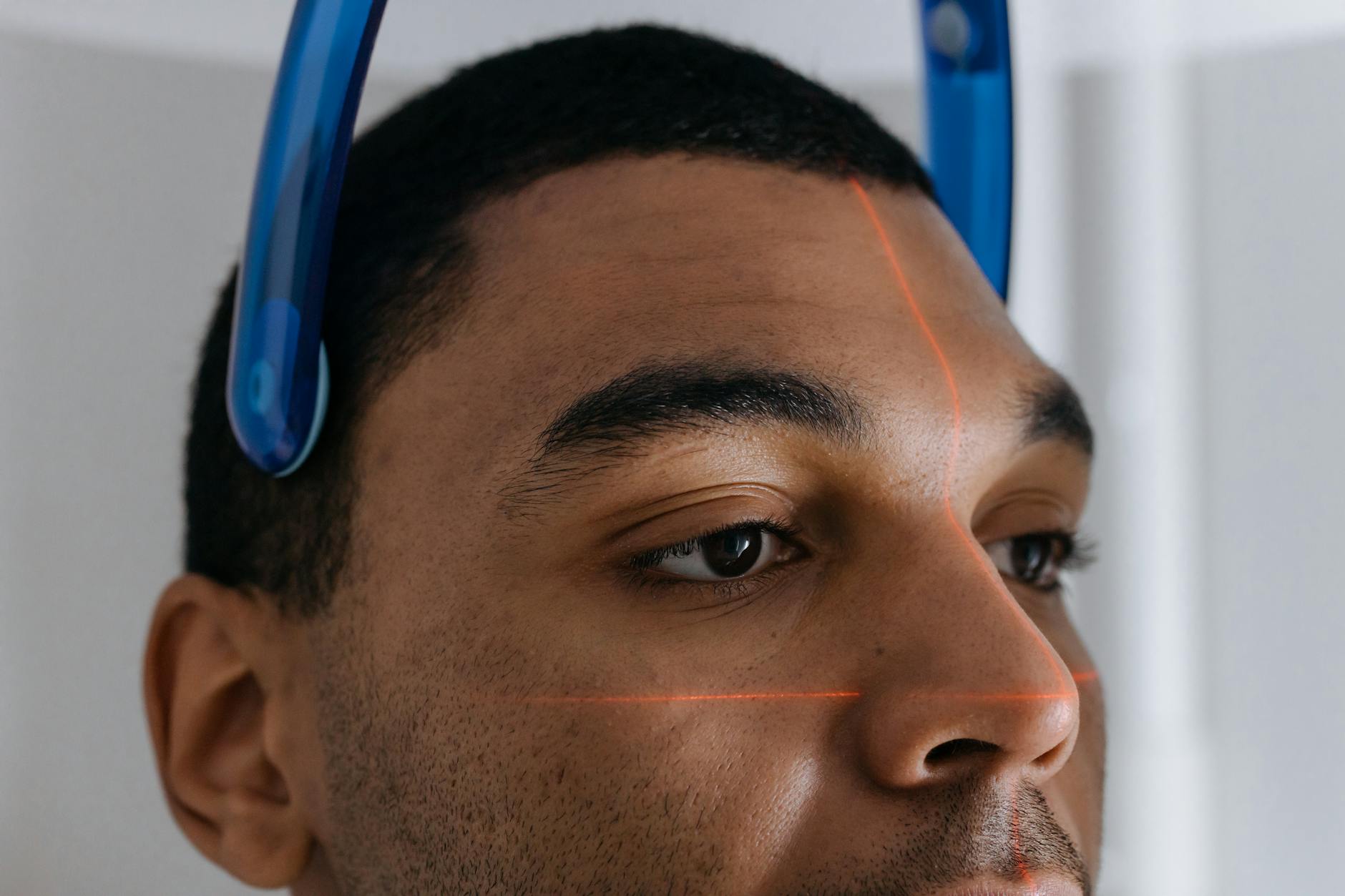
- Comprehensive 3D imaging. Our CBCT scanner creates a detailed map of your jawbone, allowing us to plan implant positions digitally before surgery begins.
- Guided implant surgery. Surgical guides fabricated from your 3D data ensure implants are placed at the exact positions, angles, and depths planned in the digital workflow.
- Same-day provisional teeth. In most cases, you walk out of surgery with a functional set of fixed teeth. No dentures. No gaps.
- Premium final prosthesis options. We offer full zirconia, porcelain-fused-to-titanium, and hybrid acrylic-titanium frameworks — each with different aesthetic and functional characteristics suited to your needs.
- Integration with full-mouth rehabilitation. If you need full-mouth restoration, we coordinate implant placement with any additional treatments needed for a complete solution.
For patients dealing with bone loss after tooth extraction, early consultation is critical — the longer you wait, the more bone is lost, and the more complex (and expensive) treatment becomes.
Frequently Asked Questions
Can I get All-on-4 or All-on-6 if I have bone loss?
All-on-4 was specifically designed for patients with bone loss. The tilted posterior implants engage available bone without requiring grafts in most cases. All-on-6 may require bone grafting if bone loss is extensive in the premolar areas. A 3D CT scan is the only way to determine which protocol your anatomy supports. In cases of severe bone loss, a staged approach — bone grafting followed by implant placement 4–6 months later — may produce the best long-term outcome.
How long does the entire process take from start to finish?
You receive temporary fixed teeth on surgery day. The final prosthesis is fabricated after 3–6 months of healing to allow complete implant integration with the bone (osseointegration). Total time from consultation to final prosthesis delivery is typically 4–8 months. During the healing period, your temporary teeth are fully functional — you can eat, speak, and smile normally.
Is All-on-6 worth the extra cost over All-on-4?
It depends entirely on your clinical situation. If your bone and bite forces support All-on-4, the extra cost of All-on-6 provides marginal benefit. However, if your dentist recommends six implants based on your imaging and bite analysis, the additional investment significantly improves long-term stability and safety margin. Never choose based on cost alone — choose based on what the diagnostic data shows.
How painful is All-on-4 or All-on-6 surgery?
Both procedures are performed under local anesthesia with sedation options. Most patients report that the experience is far less painful than expected. Post-operative discomfort is typically managed with prescribed medication for 3–5 days, followed by over-the-counter pain relief. A 2020 patient-reported outcomes study in the Clinical Oral Implants Research journal found that 86% of patients rated their pain as mild or moderate in the first week, with significant improvement by day 7.
What is the failure rate for All-on-4 vs All-on-6 implants?
Both protocols have excellent long-term success. The most comprehensive meta-analysis to date, published in the International Journal of Oral and Maxillofacial Surgery (2022), reported implant-level survival rates of 97.3% for All-on-4 at 10 years. All-on-6 data shows similarly high rates, with some studies reporting slightly higher survival due to the redundancy of additional implants. Smoking, uncontrolled diabetes, and poor oral hygiene are the primary risk factors for failure in both protocols.
Find Out Which All-on-X Solution Is Right for You
Every jaw is different, and the right number of implants depends on your bone density, bite forces, and goals. Our 3D CT scan and consultation will give you a clear, data-driven recommendation — no guesswork, no one-size-fits-all approach.
Message us on WhatsApp or call (786) 560-7567 to book your consultation.