
A missing tooth changes more than your smile. It changes how you chew, how you speak, how photos feel, and sometimes how confidently you show up at work, on a date, or at a big event. That is why dental implants are more than a replacement option. For many adults, they are the closest thing to getting a real tooth back.
If you want a solution that looks natural, feels secure, and supports a polished smile long term, implants deserve a serious look. They are not right for every case, and they are not always the fastest option, but when the goal is strength, stability, and high-impact aesthetics, they often set the standard.
What makes dental implants different
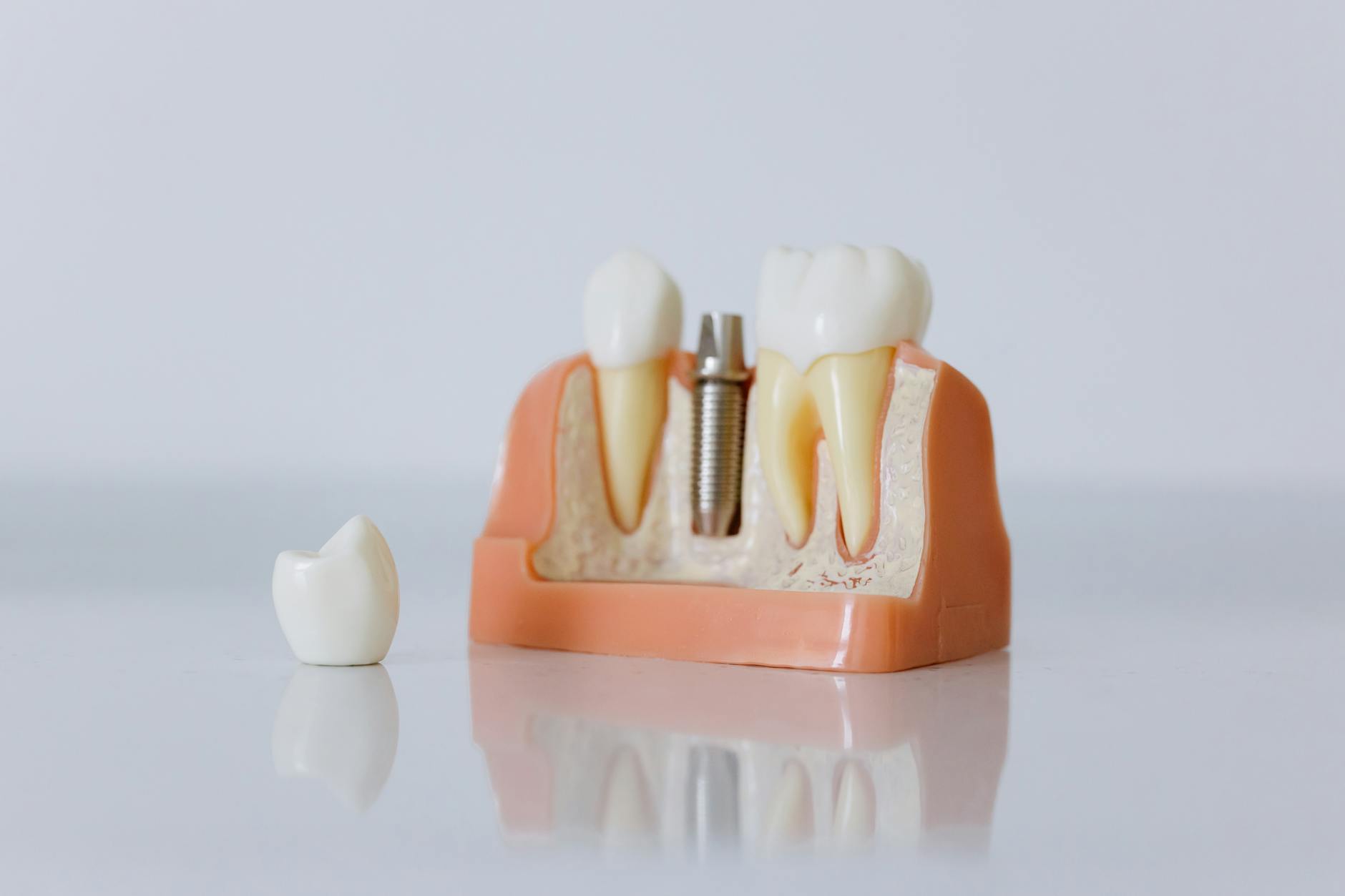
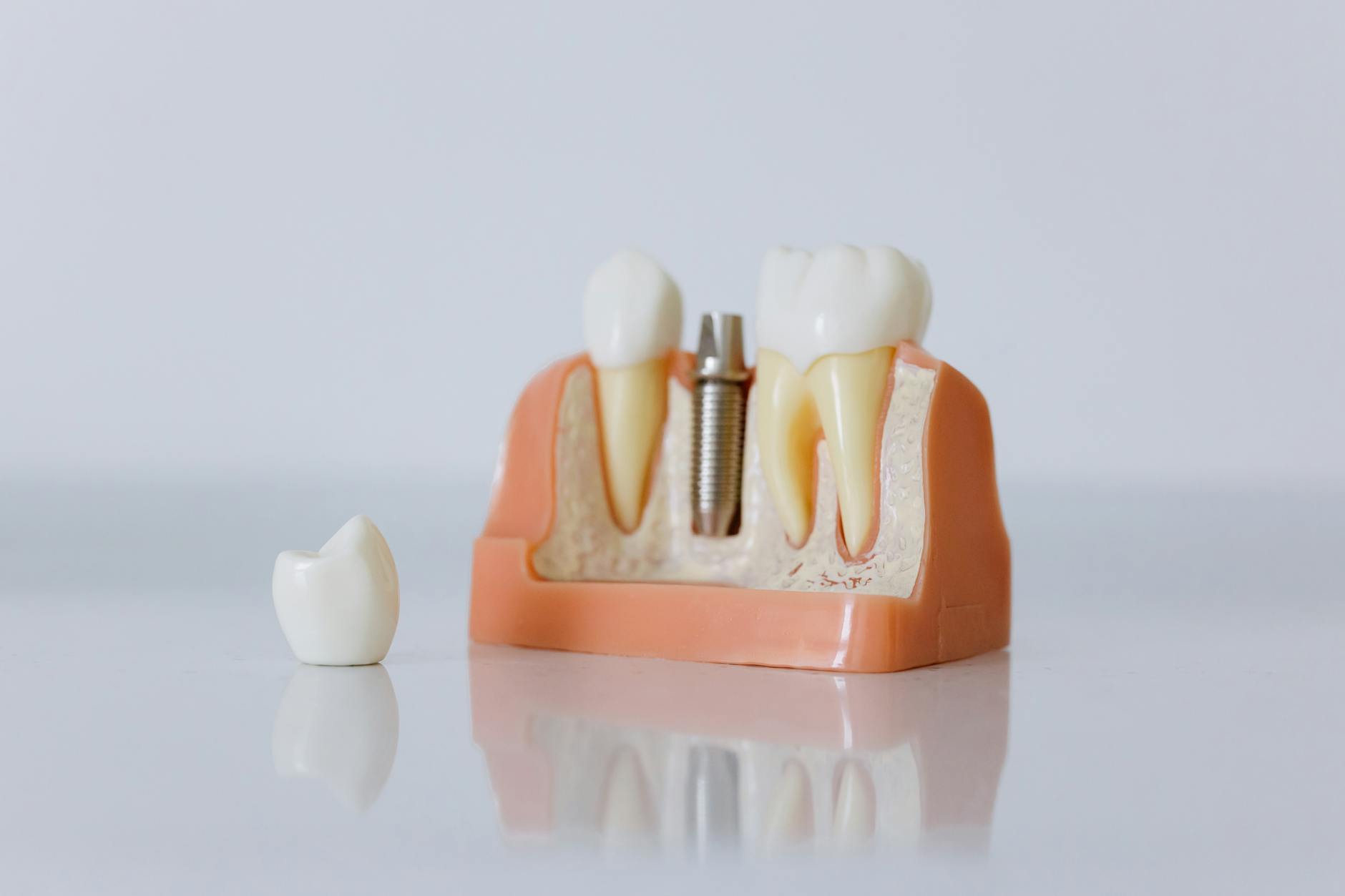
Dental implants replace the root of a missing tooth, not just the visible crown. A small titanium post is placed in the jawbone, where it heals and bonds with the bone over time. Once that foundation is stable, the final restoration is attached. Depending on your case, that may be a single crown, a bridge, or a full-arch solution.
That root-level support is what makes implants feel different from removable options. Dentures can restore appearance and function, but they may shift, rub, or require adhesives. A traditional bridge can fill a gap, but it usually relies on neighboring teeth for support. Implants stand on their own, which helps preserve surrounding teeth and gives the restoration a more natural feel when you bite and speak.
For patients who care about aesthetics as much as function, that matters. A smile should not just fill space. It should fit your face, your bite, and the overall design of your smile.
Why patients choose dental implants
The biggest reason is confidence. A missing tooth can draw attention in ways people feel every day, especially in social or professional settings. Implants help restore the shape of the smile and reduce the self-consciousness that often comes with gaps or loose replacements.
There is also a practical reason. When a tooth is missing, the jawbone in that area can begin to shrink over time because it no longer gets normal stimulation from chewing. Dental implants help maintain that stimulation, which supports bone and facial structure. That is one reason they often play an important role in full smile rehabilitation, not just single-tooth replacement.
They also perform well. Patients often like that implants do not need to be removed at night, soaked, or secured with paste. Once treatment is complete, the goal is to let you eat, smile, and live with fewer compromises.
Who is a good candidate for dental implants?
A lot of people qualify, but not every mouth is ready on day one. The best candidates generally have healthy gums, enough bone to support the implant, and a commitment to good oral hygiene. If you are healthy enough for routine dental treatment, you may be a candidate, but the real answer comes from imaging and a proper exam.
This is where the details matter. Some patients have been missing a tooth for years and have lost bone in that area. Others may have active gum disease, untreated decay, or
bite issues that need attention first. Smoking, uncontrolled diabetes, and certain medical conditions can also affect healing. None of that means implants are off the table. It means treatment may need to be staged correctly.
In more complex cases, procedures like bone regeneration or a sinus lift may be recommended before implant placement. That can sound intimidating, but it is often the step that makes a stable, long-lasting result possible.
What the dental implant process looks like
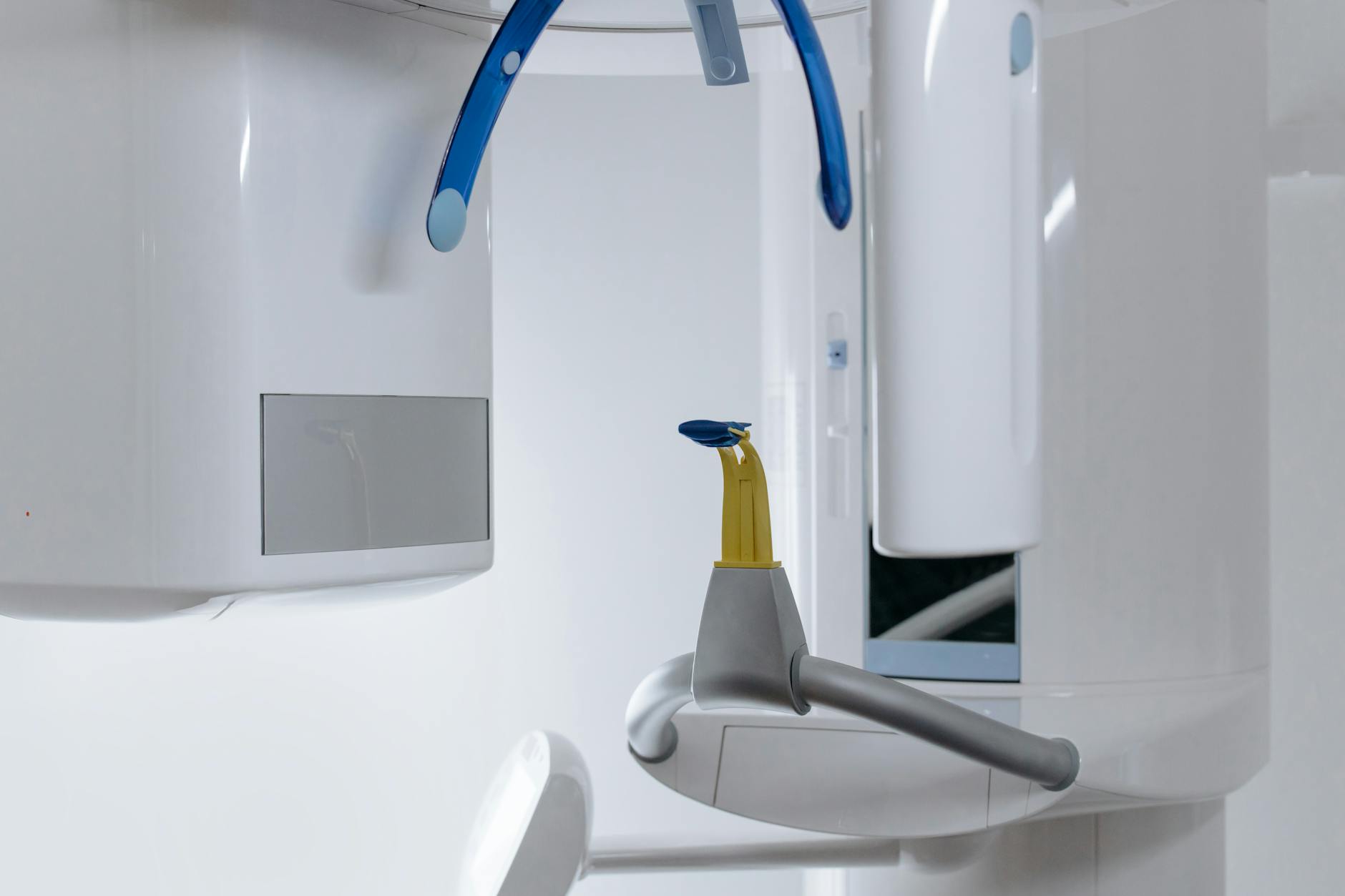
The process starts with planning, not surgery. A proper workup typically includes an exam, digital imaging, and 3D CT scanning to evaluate bone levels, anatomy, and implant position. This is especially important when the final outcome needs to look as strong as it feels.
Once the plan is set, the implant is surgically placed into the jaw. After placement, the bone needs time to heal around it. This healing phase can take a few months, depending on the area, the quality of the bone, and whether additional procedures were done.
After the implant has integrated, the final restoration is made. That part is where function and beauty come together. The visible tooth should match the smile in color, shape, and proportion. In a design-focused practice, implant dentistry is not treated like a separate category from cosmetic dentistry. It is part of the overall smile result.
Some patients can receive a temporary tooth during
healing, while others need to wait before a visible replacement is attached. It depends on the location of the missing tooth, your bite, and how much stability the implant has at placement.
Single tooth, multiple teeth, or full-arch restoration
Not every implant case looks the same. A single missing tooth may be restored with one implant and one crown. If several teeth are missing, implants can support a bridge. If most or all teeth are failing, full-arch treatment such as All-on-X may be the better fit.
This is where patient goals really shape the plan. Someone missing one front tooth may prioritize perfect esthetics and gum symmetry. Someone with multiple failing teeth may want a full reset that improves function, appearance, and comfort all at once. Neither goal is more valid. The right treatment is the one that fits your health, your timeline, and the result you want to see in the mirror.
The trade-offs patients should know
Implants have major advantages, but they are not the easy answer in every case. They usually take longer than a removable solution because healing matters. They also require an upfront investment that is often higher than dentures or a standard bridge.
That said, cheaper at the beginning does not always mean better over time. Dentures may need adjustments or replacement. Bridges may eventually involve the supporting teeth. Implants often

make sense for patients who want durability and a more natural day-to-day experience.
There is also a maintenance reality. Implants do not get cavities, but they still need care. The gums and bone around them must stay healthy. Skipping cleanings, smoking heavily, or grinding without protection can shorten the life of even excellent work.
How dental implants support a smile makeover
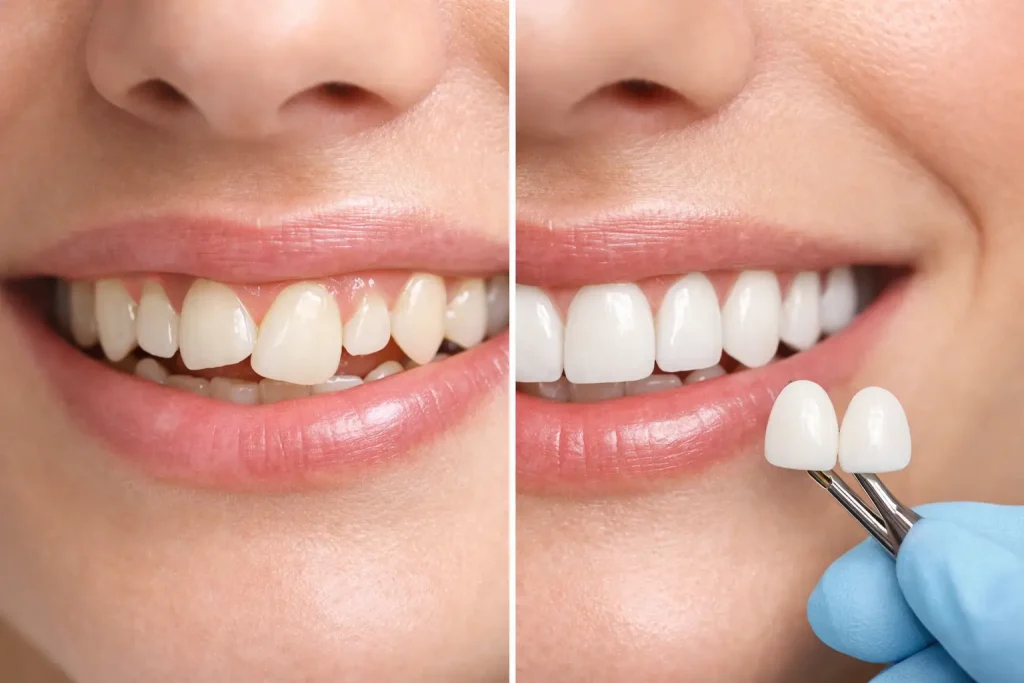
When people think about cosmetic dentistry, they often think first about veneers or whitening. But if a tooth is missing, no cosmetic finish will fully solve the structural problem. Dental implants create the foundation that allows the smile to look complete again.
That is especially important in smile design. The best cosmetic result is not just bright teeth. It is harmony between tooth size, color, shape, position, and facial features. An implant crown that is too flat, too short, or poorly matched can stand out immediately. A well-designed implant restoration blends into the smile and supports the overall look you are trying to achieve.
For patients preparing for a wedding, a career move, content creation, or any moment where appearance matters, planning matters just as much. If you are considering implants as part of a larger smile transformation, start early enough to allow for healing and refinement.
What to ask at your consultation
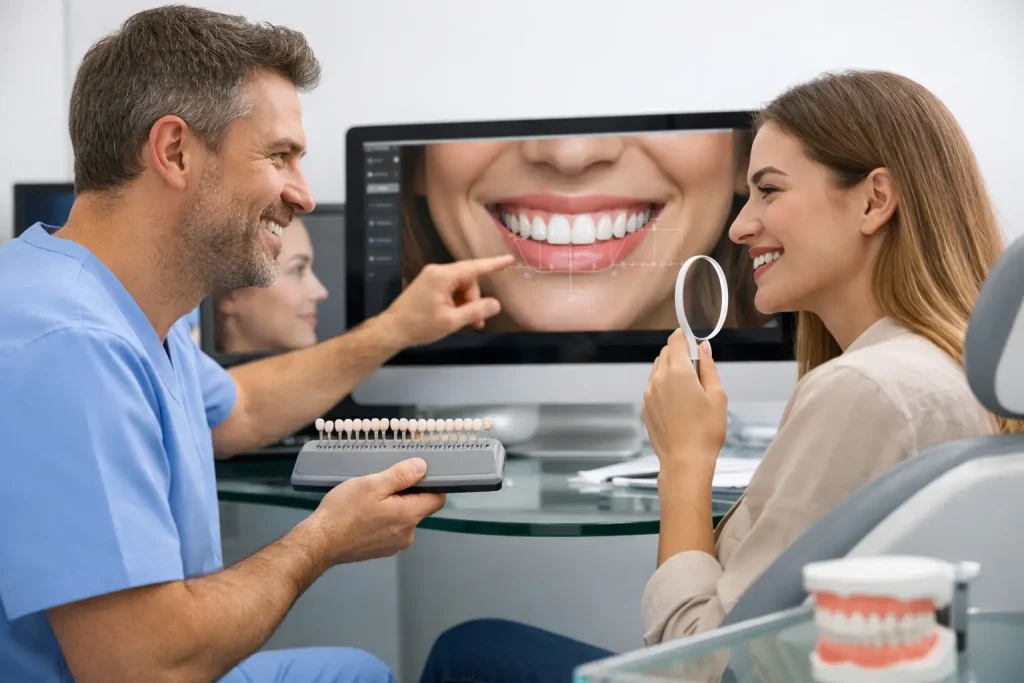
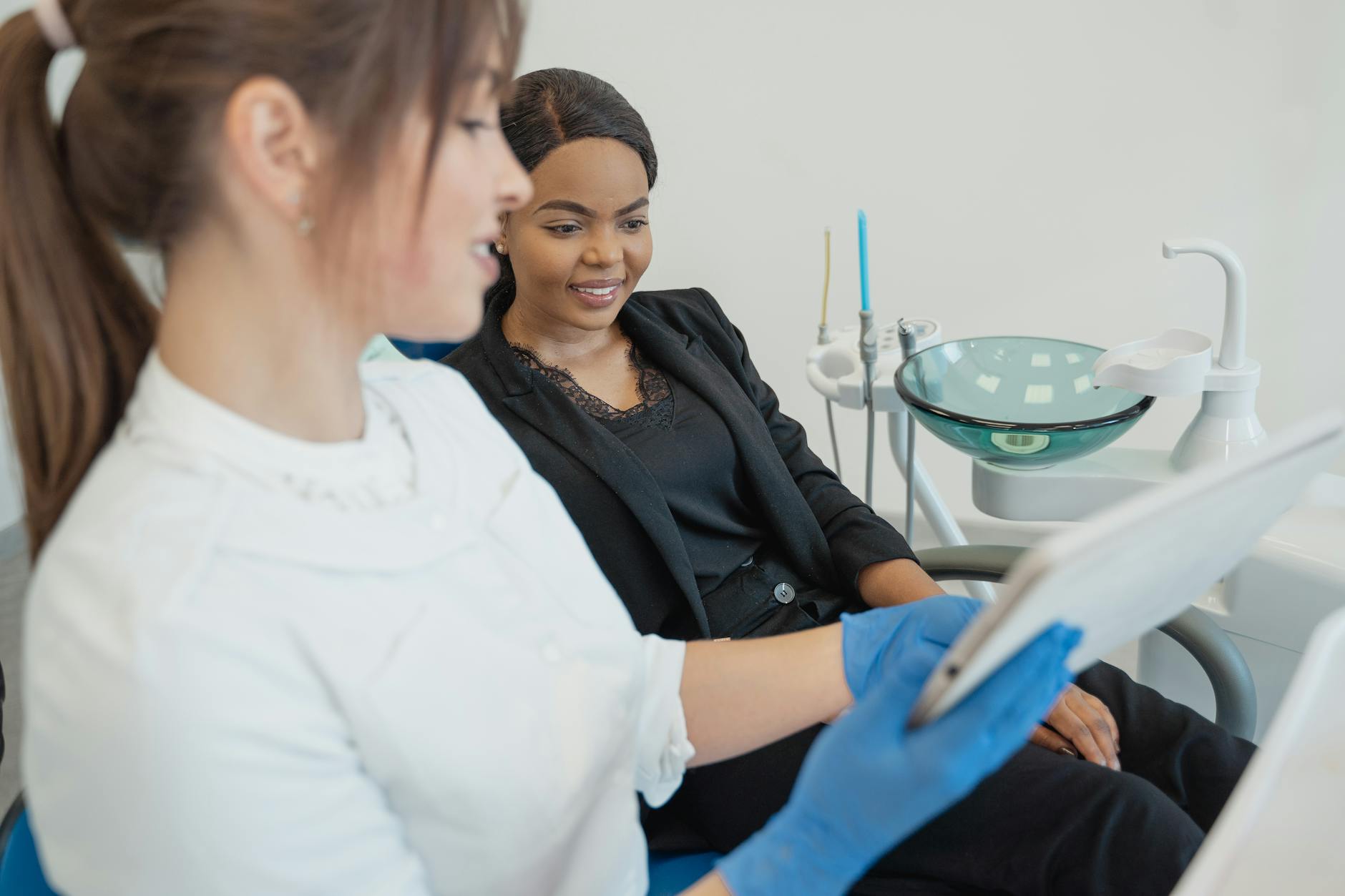
A good consultation should leave you with clarity, not confusion. Ask whether you are a candidate now or if preparatory treatment is needed. Ask what imaging will be used, what the timeline looks like, and whether you will have a temporary tooth during healing. If appearance is a major priority, ask how the final implant restoration will be designed to match your smile.
You should also ask about alternatives. A trustworthy provider will explain when an implant is the best option and when another treatment might make more sense. In some cases, saving a tooth is better. In others, replacing multiple failing teeth with a full-arch plan may be more predictable than treating them one by one.
At Smile Dental Center Group, this kind of planning is part of building a result you can actually feel good about, not just checking off a procedure.
Making the right decision for your smile
The best dental treatment is not always the quickest and it is not always the cheapest. It is the one that gives you the strongest balance of health, appearance, comfort, and longevity. Dental implants stand out because they do all four well when planned properly.
If you are tired of hiding a gap, avoiding certain foods, or settling for a smile that does not feel complete, this may be the step that changes more than your bite. The right implant treatment can restore your smile in a way that looks polished, feels secure, and helps you walk into every room with more confidence.