
You do not need to guess your way into a new smile. When patients ask about composite veneers vs porcelain veneers, they are usually trying to balance three things at once – appearance, longevity, and budget. The right choice depends on how quickly you want results, how dramatic you want the change to be, and how much long-term maintenance you are comfortable with.
Veneers can completely change the way your smile looks on camera, in meetings, at events, and in everyday life. They can improve shape, close small gaps, correct uneven edges, and brighten teeth that do not respond the way you want to whitening. But not every veneer option delivers the same finish or follows the same treatment path.
Composite veneers vs porcelain veneers: what is the difference?
Both treatments are designed to improve the visible front surface of the teeth. The main difference is the material and the way the veneers are made.
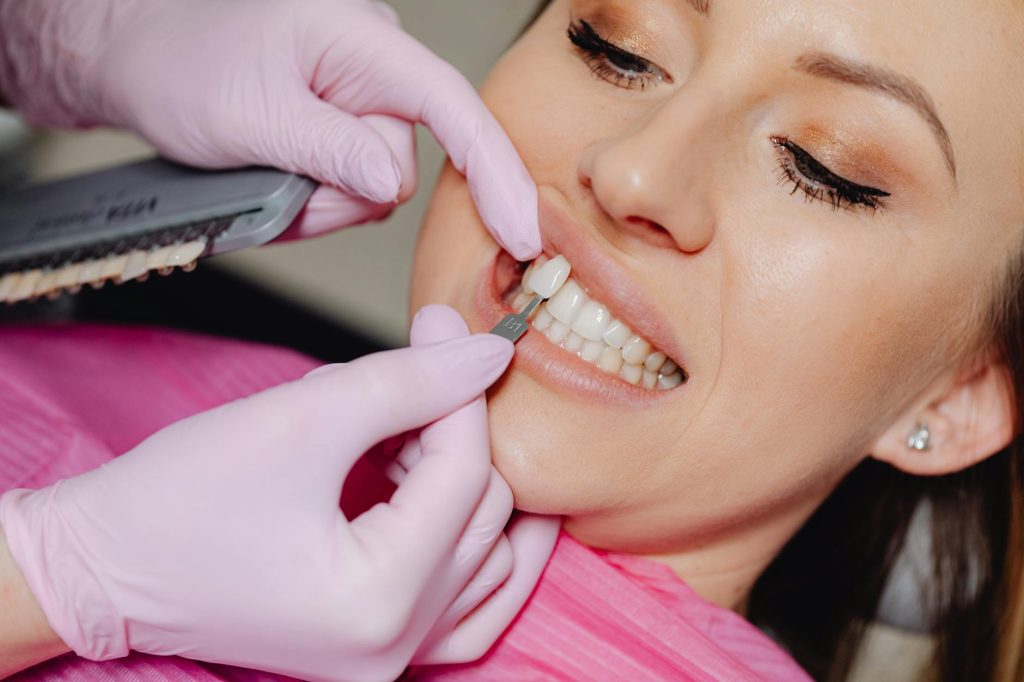
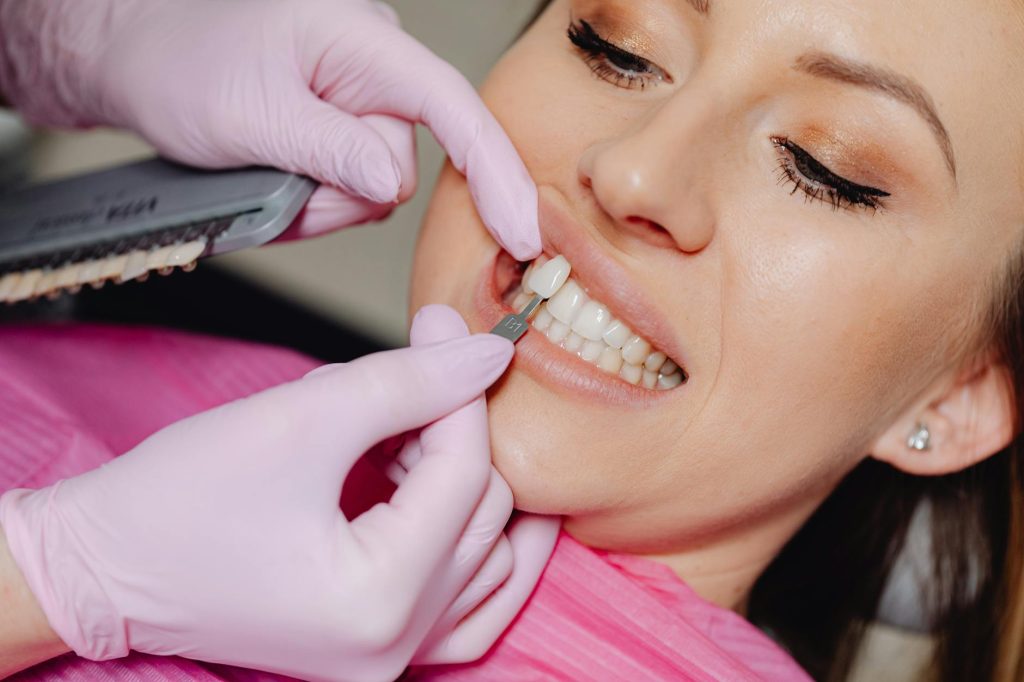
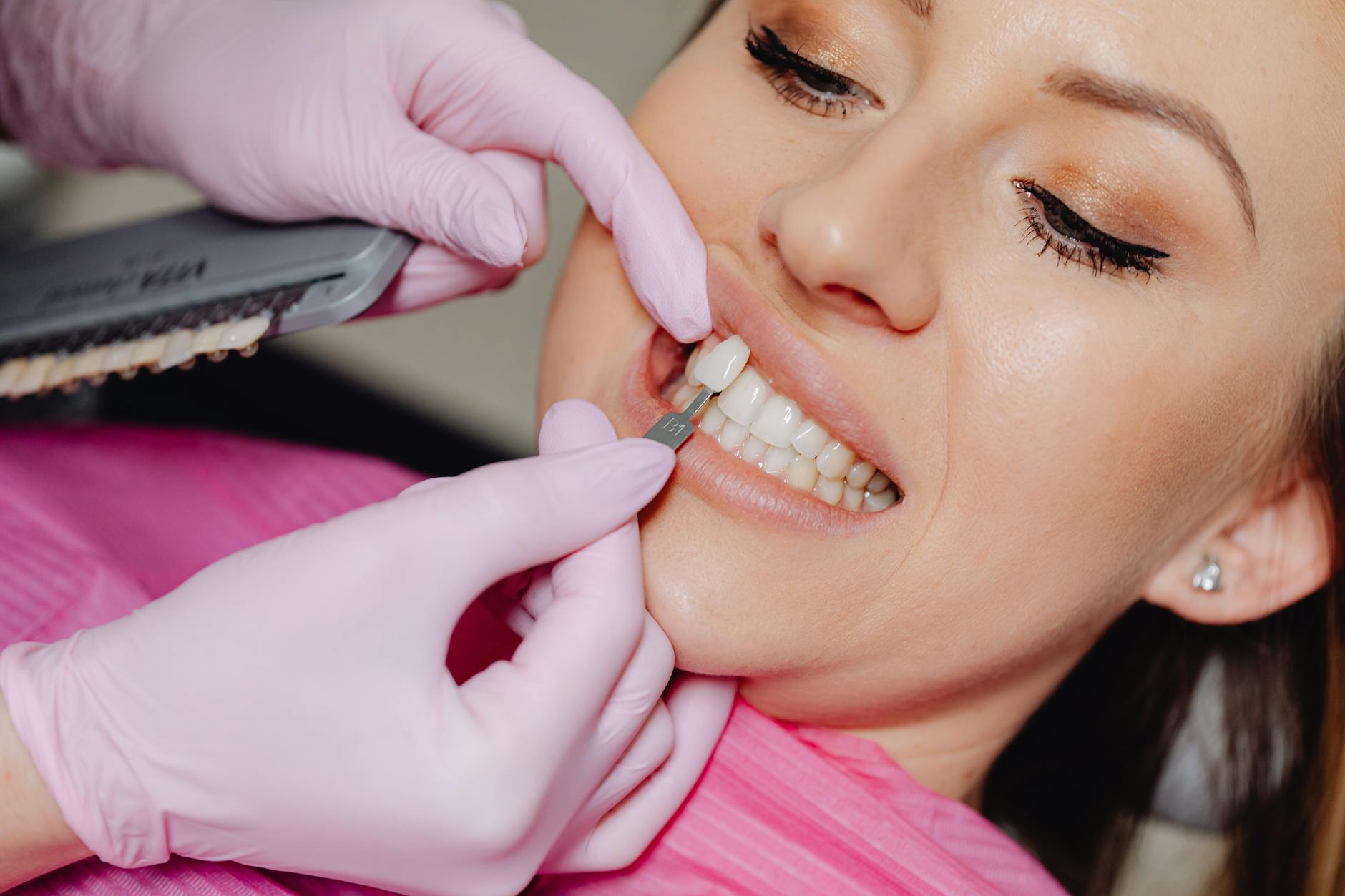
Composite veneers are crafted with tooth-colored resin, often applied and shaped directly on the teeth in the office. This makes them a popular option for patients who want a faster cosmetic upgrade or a more budget-conscious smile transformation. In many cases, treatment can be completed in one visit or over a very short timeline.
Porcelain veneers are thin custom shells fabricated in a dental lab and bonded to the teeth after planning and preparation. They are known for their refined appearance, strength, and stain resistance. If you want a high-end smile design with a polished, natural-looking finish, porcelain is often the treatment patients picture.
The best option is not about which one is universally better. It is about which one is better for your goals, your bite, your habits, and the result you want to maintain over time.
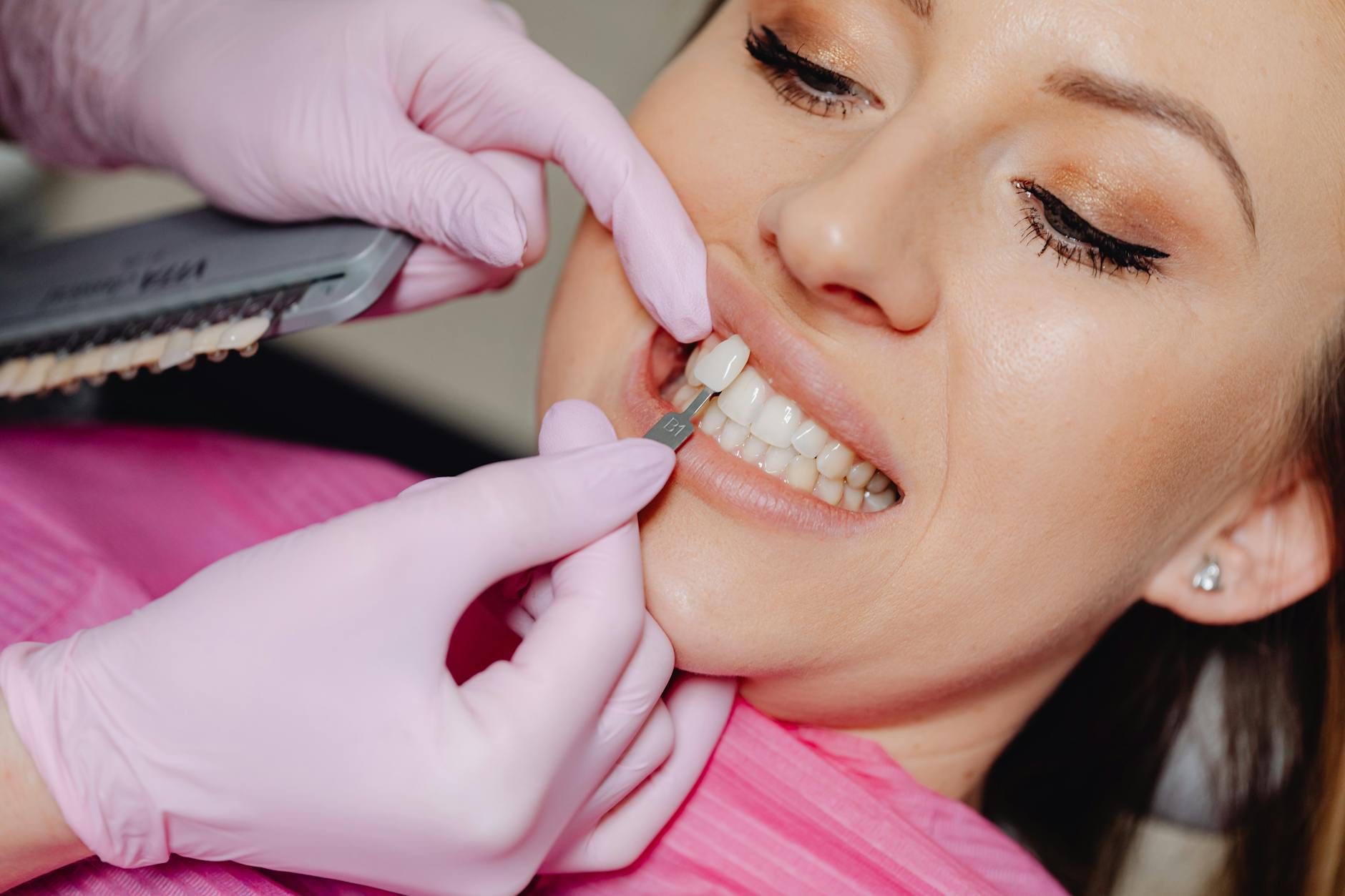
Which looks more natural?
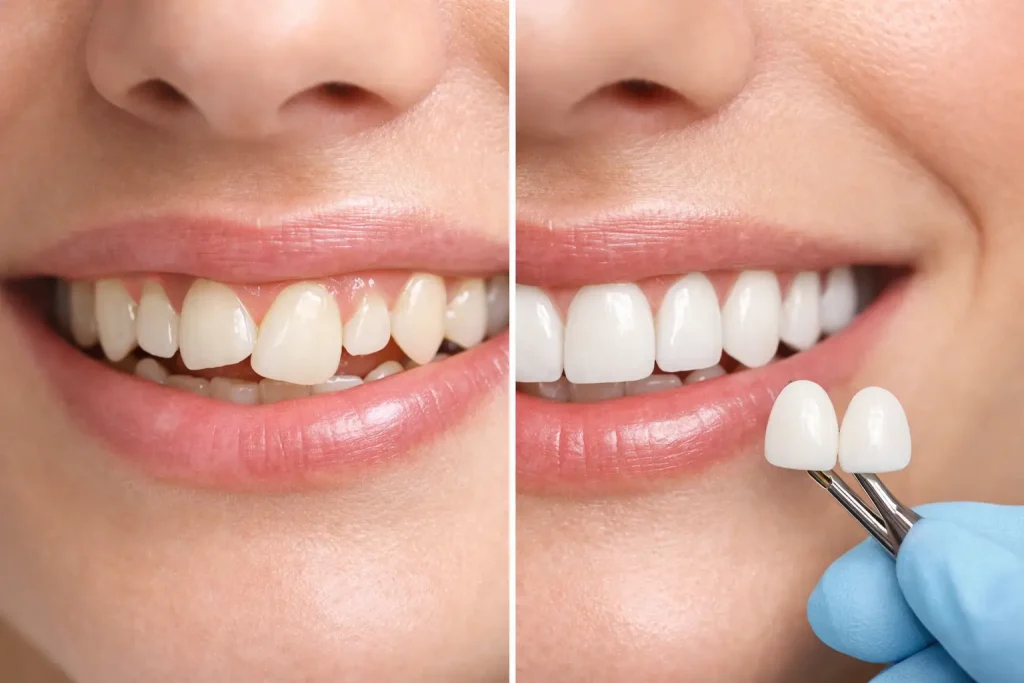
If your priority is the most lifelike finish possible, porcelain usually has the edge. It reflects light in a way that closely resembles natural enamel, which helps the smile look bright without appearing flat or overly opaque. That matters for image-conscious patients who want their smile to look expensive, clean, and natural in both real life and photos.
Composite veneers can also look very attractive, especially when designed by a cosmetic-focused dental team. They are capable of delivering impressive changes in shape and color, and for many patients the result is a major confidence upgrade. Still, composite is more technique-sensitive when it comes to surface texture, shine, and translucency. The result can be beautiful, but porcelain generally offers more consistency and refinement.
This is especially relevant if you want a full smile makeover, if your teeth show prominently when you speak, or if you are aiming for a high-visibility transformation before a wedding, media appearance, promotion, or other major event.
Cost matters – and so does value
One of the biggest reasons patients compare composite and porcelain is price. Composite veneers usually cost less upfront. That lower entry point makes them appealing if you want visible cosmetic improvement without the larger investment associated with porcelain.
Porcelain veneers typically cost more because they involve custom lab fabrication, detailed planning, and premium materials. The treatment process can also include more appointments. But cost should not be viewed only as the amount you pay on day one.
Value comes from how long

the veneers last, how well they hold their color, how often they need touch-ups, and how closely the final result matches your vision. A lower upfront cost can be the right move for some patients. For others, investing more initially makes sense because they want durability and a more elevated finish.
That is why a real consultation matters. The smartest treatment plan is based on your goals, not a one-size-fits-all price comparison.
Durability and maintenance
Porcelain veneers are generally more durable than composite veneers. They resist staining better and tend to maintain their gloss and color for longer. If you drink coffee, tea, or red wine regularly, or if you want a smile that stays bright with less upkeep, porcelain may align better with your lifestyle.
Composite veneers are more prone to chipping, wear, and discoloration over time. That does not make them a bad option. It simply means they often require more maintenance and occasional repairs or polishing. Some patients are completely comfortable with that trade-off because they value the lower initial cost or more conservative treatment approach.
Your habits matter here. If you clench or grind your teeth, bite your nails, chew ice, or use your front teeth aggressively, either type of veneer can

be put at risk. In those cases, your dentist may recommend a night guard or may suggest adjusting the treatment plan to protect your investment.
Treatment time and convenience
If speed matters, composite veneers are often the faster option. In many cases, they can be placed in a single visit. That makes them attractive for patients who want quick results before an event or who simply prefer a shorter treatment process.
Porcelain veneers usually take longer because they involve design, preparation, impressions or scans, temporary restorations in some cases, and lab fabrication. The extra time can be worth it if your goal is a more precise and polished result, but it is still a factor to consider if your timeline is tight.
Fast is not always better, and slower is not always better either. It depends on whether you are prioritizing immediate improvement or premium customization.
Tooth preparation and reversibility
Patients often ask which option is more conservative. In many situations, composite veneers r

equire less tooth reduction than porcelain veneers. That can make them appealing if preserving as much natural tooth structure as possible is a top concern.
Porcelain veneers may require more preparation, though the amount depends on the case and the smile design plan. Modern cosmetic dentistry can be very conservative, but not every patient is a candidate for minimal-prep treatment.
This is where facial analysis, bite evaluation, X-rays, and digital planning become important. A veneer should not just look good in a close-up photo. It should fit your smile, your bite, and your long-term oral health.
Who is a better candidate for composite veneers?
Composite veneers can be an excellent choice for patients who want to improve minor chips, small gaps, uneven shapes, or discoloration with a lower upfront investment. They also make sense for patients who want a shorter treatment timeline or a more conservative cosmetic option.
They are especially appealing when the desired change is modest to moderate rather than a dramatic full smile transformation. If the teeth are generally healthy and the bite is favorable, composite can deliver a strong cosmetic result quickly.
That said, if you are very particular about brightness, symmetry, texture, and long-term stain resistance, you may find yourself wanting more than composite can consistently provide.
Who is a better candidate for porcelain veneers?
Porcelain veneers are often the better fit for patients who want a major smile upgrade and are focused on premium aesthetics, durability, and long-term performance. They are popular for smile makeovers where tooth shape, color, width, and symmetry all need to be refined in a more comprehensive way.
They can be ideal for professionals, public-facing individuals, and anyone who wants the kind of result that reads polished and camera-ready from every angle. If you are investing in your appearance because confidence matters in your social life, career, or personal milestones, porcelain may offer the level of finish you are looking for.
The key is proper case selection. Veneers are not a substitute for treating active decay, gum disease, or major bite issues. A quality cosmetic result starts with healthy foundations.
Composite veneers vs porcelain veneers in smile design
The strongest veneer results come from planning, not just material choice. In a smile design approach, your dentist evaluates tooth size, shape, color, alignment, lip line, facial proportions, and how your smile appears when you speak and rest. That level of customization is what turns veneers from a cosmetic procedure into a true transformation.
This is why the question should not be only composite veneers vs porcelain veneers. It should also be: what kind of smile do you want to build, and what treatment can deliver it predictably?
For some patients, composite is the smart, efficient move. For others, porcelain is the clear winner because it better supports the final vision. In select cases, a dentist may even recommend combining cosmetic and restorative treatments to create the best result.
At Smile Dental Center Group, that decision is guided by the smile itself – not by pushing every patient into the same plan. A custom evaluation, photos, imaging, and a clear discussion of goals make it easier to choose the option that truly fits.
A better smile should not feel like a gamble. If you are choosing between composite and porcelain veneers, focus on the result you want to wake up with, maintain confidently, and show off without hesitation. The right veneer is the one that matches your lifestyle and gives you a smile you are proud to wear.