
Losing most or all of your teeth changes more than your bite. It changes how you speak in meetings, how you smile in photos, and how confident you feel walking into a room. That is why having all on x dental implants explained in plain English matters. If you are comparing dentures, single implants, and full-arch treatment, you need more than buzzwords. You need to know what this option actually does, who it is for, and whether the result fits the look and lifestyle you want.
What are All-on-X dental implants?
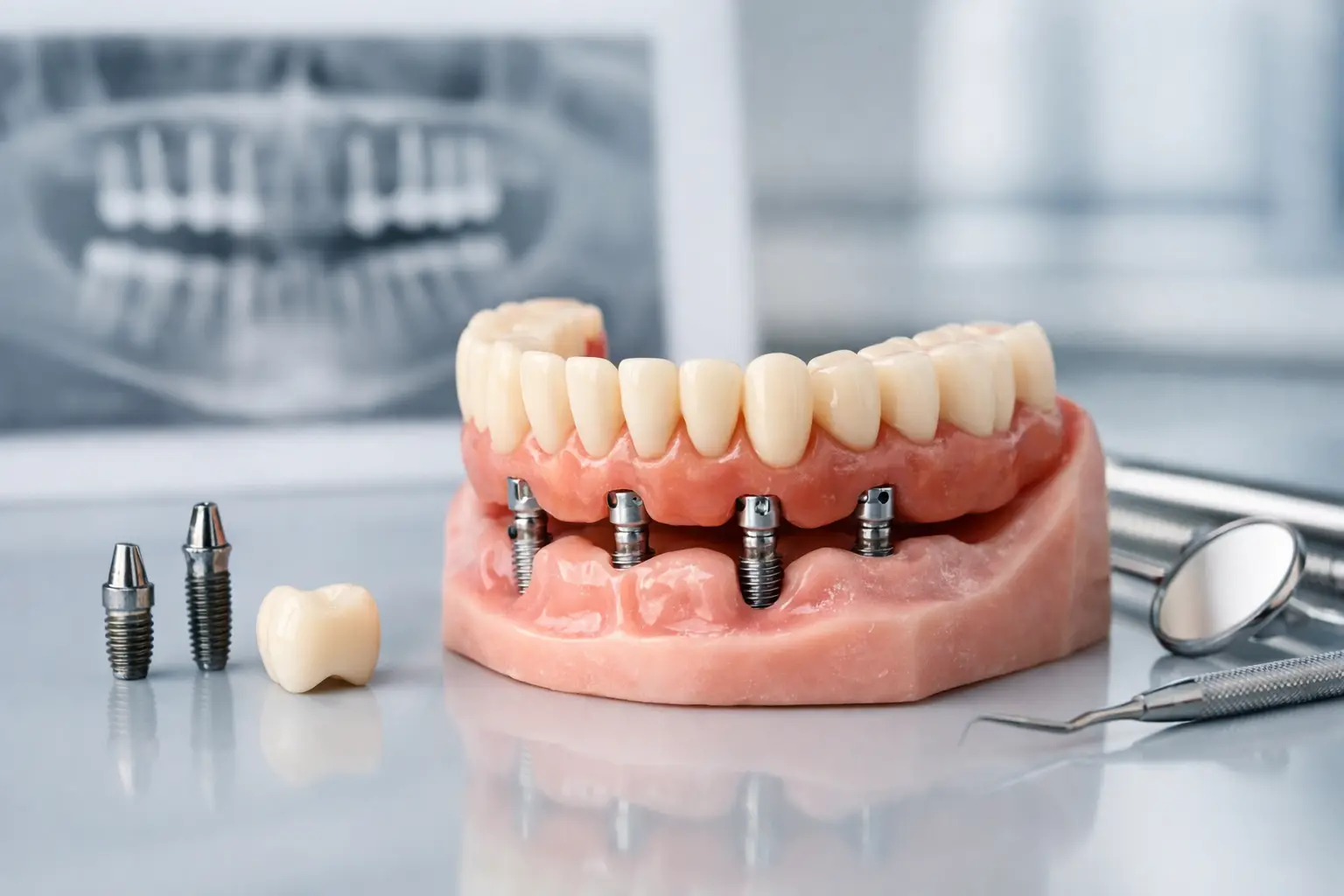
All-on-X is a full-arch tooth replacement treatment. Instead of replacing each missing tooth with its own implant, a dentist places a specific number of implants in the jaw to support a complete upper or lower set of fixed teeth. The “X” simply means the number of implants can vary based on your anatomy, bone level, and treatment goals.
Many people have heard of All-on-4, but All-on-X is the more flexible idea. Some patients do well with four implants. Others may need five, six, or more for better support and long-term stability. The plan is customized, not forced into a one-size-fits-all template.
This is one reason the treatment appeals to adults who want strong function and a polished appearance. It is not only about replacing teeth. It is about rebuilding a smile in a way that looks balanced with your face, lip support, and bite.
All-on-X dental implants explained by how they work
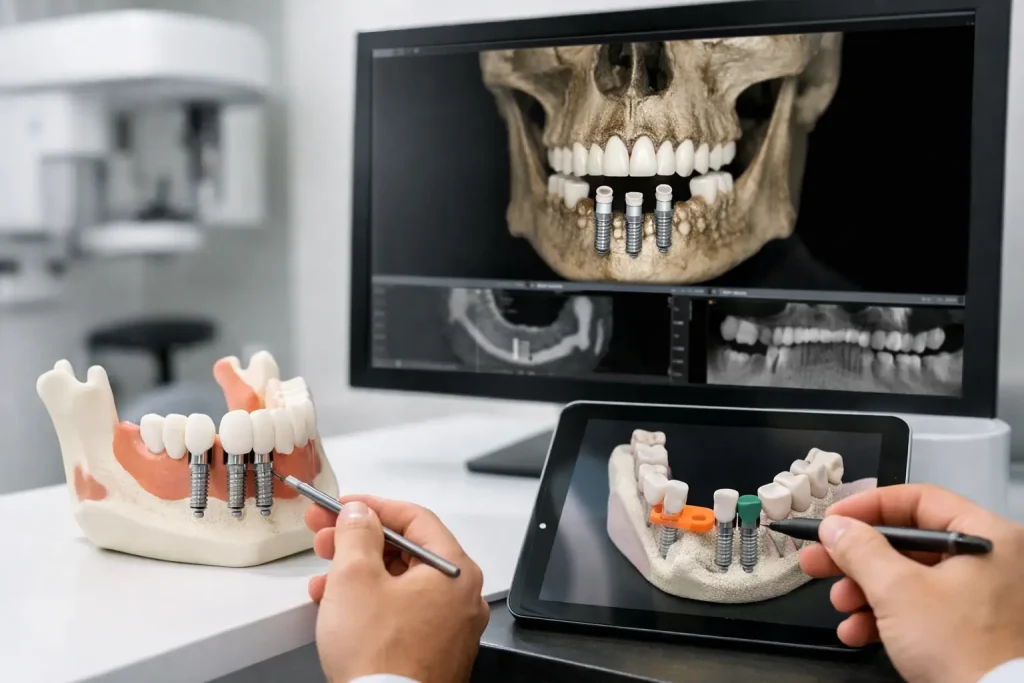
The process starts with diagnostics. A full exam, digital imaging, and often a 3D CT scan help map the jawbone, sinus position, nerve location, and smile line. That planning stage matters because implant placement is not just surgical. It is aesthetic. The angle, spacing, and depth all affect the final look.
Once the plan is set, the implants are placed into the jawbone. These implants act like artificial roots. A temporary fixed arch may be attached the same day or shortly after, depending on the case. After healing, the temporary is replaced with a stronger, more refined final prosthesis designed for function and appearance.
The reason angled implants are often used is simple. They can help maximize available bone and reduce the need for more extensive grafting in some patients. That can make treatment more efficient, but it is not a shortcut for everyone. If bone volume is too limited, bone regeneration or sinus lift procedures may still be needed.
Who is a good candidate?
All-on-X can be a strong option for people who have already lost most of their teeth, have failing teeth, wear dentures they dislike, or want a fixed alternative that feels more secure. It can also help patients whose remaining teeth are not worth saving because of advanced decay, gum disease, fracture, or long-term instability.
Good candidates usually have enough bone to support implants, or they are able to complete preparatory treatment to build that support. Overall health matters too. Conditions like uncontrolled diabetes, heavy smoking, or active periodontal disease can affect healing and long-term success.
This is where honesty matters. Not every patient should rush into full-arch implants. If several teeth can be predictably saved and the bite is stable, a more conservative treatment plan may make more sense. The best result is not always the most aggressive one. It is the one that gives you health, comfort, and the smile outcome you can trust.
What makes All-on-X different from dentures?
Traditional dentures rest on the gums. All-on-X arches are anchored to implants in the jaw. That difference changes almost everything.
With removable dentures, patients often deal with slipping, clicking, sore spots, adhesive, and reduced bite force. Even when dentures look good, they can feel less secure during eating or speaking. Over time, bone loss in the jaw can also change the fit and facial support.
With All-on-X, the prosthetic is fixed in place by implants. That usually creates better stability, stronger chewing ability, and a more natural-feeling smile. Many patients also like that they do not remove the teeth every night.
That said, fixed does not mean zero maintenance. You still need professional cleanings, home care, and periodic evaluations. And while the teeth are not natural teeth, the implants and surrounding tissue still require attention if you want long-term success.
The cosmetic side matters too
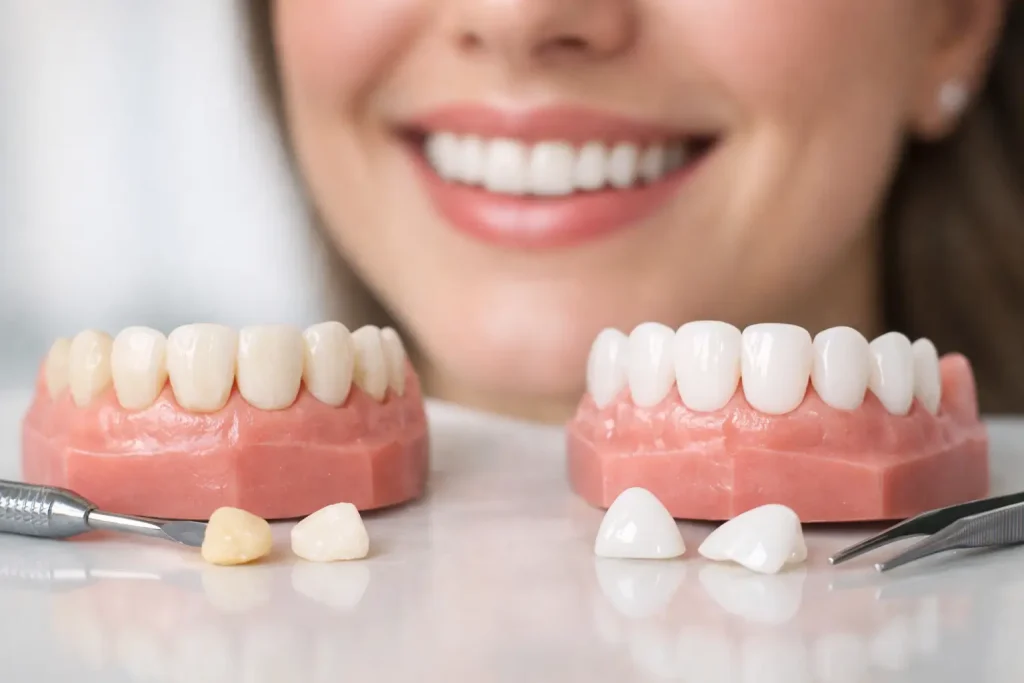
For image-conscious patients, this is a major point. Full-arch implant treatment is not only about replacing what was lost. It is also a chance to improve symmetry, tooth shape, shade, and smile proportions.
A well-designed All-on-X case should consider facial structure, gum display, lip support, and the way teeth show when you talk and smile. If the case is planned with a smile design mindset, the final result can look dramatically more youthful and balanced than what many patients expect.
This is where experience matters. A full-arch case can be functional but still look bulky, flat, or artificial if design is ignored. Patients who care about aesthetics should ask to see before-and-after cases and discuss the look they want, not just the surgery.
What is the treatment timeline?
The timeline depends on your starting point. If teeth need to be removed, infection treated, or bone rebuilt, the process can take longer. Some patients qualify for immediate treatment with temporary fixed teeth right after surgery. Others need a staged approach for better healing and predictability.
In many cases, treatment includes consultation, imaging, surgical planning, implant placement, a healing period, and then delivery of the final arch. The temporary phase is important because it lets the dentist refine bite, speech, tooth display, and overall appearance before the final restoration is made.
If you are preparing for a wedding, a career milestone, or a public-facing role, timing should be discussed early. Fast treatment is appealing, but the best results come from balancing speed with precision.
Is the procedure painful?
Most patients expect it to be worse than it is. During the procedure, local anesthesia and sedation options help keep you comfortable. After surgery, some swelling, soreness, and bruising are normal, especially in the first few days.
Recovery is manageable for many people, but it is still surgery. You may need to adjust your diet, follow cleaning instructions closely, and avoid habits that disrupt healing. The first phase is not glamorous, but it leads to a much stronger payoff if you follow directions carefully.
How much do All-on-X implants cost?
Cost depends on several factors: whether one arch or both arches are treated, how many implants are needed, what material is used for the final teeth, whether extractions are involved, and whether bone grafting or sinus work is needed.
This is a premium treatment, and it should be viewed that way. You are paying for diagnostics, surgery, prosthetic design, materials, follow-up care, and the expertise needed to combine function with aesthetics. Lower pricing can be tempting, but full-arch implant work is not the place to shop only on price.
The better question is value. Will the treatment restore your ability to eat comfortably, speak clearly, and smile with confidence? Will it hold up well with proper maintenance? Will the final design actually look like you, only better? Those are the questions that matter.
Risks, trade-offs, and what patients should ask
All-on-X has a high upside, but it is not magic. Implants can fail. Healing can be delayed. Temporary teeth can break if the bite is overloaded. Some patients need more treatment than expected once imaging is reviewed.
There are also lifestyle trade-offs. Smokers have higher risk. Patients who grind their teeth may need a night guard and closer monitoring. Oral hygiene has to stay consistent. If you want a fixed smile but do not want maintenance, this may not be the right fit.
Before moving forward, ask how many implants are recommended and why, whether you need grafting, what type of temporary and final teeth are planned, how hygiene will work, and what the long-term maintenance schedule looks like. Confidence comes from clarity.
Choosing the right provider for All-on-X dental implants explained clearly
When people look for full-arch treatment, they often focus on who can do the surgery. That matters, but it is only half the picture. You also want a team that understands smile design, bite function, digital planning, and restorative detail.
A strong All-on-X case is a blend of oral surgery, prosthetic engineering, and cosmetic vision. If a practice can diagnose, design, place, and restore under one roof, the process tends to feel more coordinated and more predictable for the patient. That is especially valuable if you want a dramatic change without bouncing between multiple offices.
At Smile Dental Center Group, this kind of treatment planning is approached with both health and aesthetics in mind, because a full-arch smile should do more than fill a gap. It should help you look polished, feel secure, and show up confidently in every part of your life.
If you are tired of hiding your teeth or settling for a smile that does not match the way you want to live, getting the right answers is the first real step. A confident smile starts with a clear plan.