By the Clinical Team at Smile Dental Center — Last updated: May 2026
Quick Answer
The cheapest dental implants in the US run $400–$1,500 per implant at dental schools or discount clinics — but quality, brand, and warranty vary wildly. The best value for patients seeking Nobel Biocare-quality implants is Colombia: $800–$1,200 per implant complete, saving 35–40% vs. US specialist clinics with no compromise on materials or technology.
Key Takeaways
- Cheapest does not always mean worst — but it often does. The key is finding where overhead is low, not where quality is cut.
- US dental schools offer $400–$1,200 implants but wait times of 3–9 months and multiple visits over 12+ months.
- Discount dental chains advertise cheap implants but routinely upcharge with add-ons — final bills average 2–3x the advertised price.
- Mexico border cities are cheap but have high variability in implant brand and specialist credentials.
- Colombia (specifically Medellin) offers Nobel Biocare implants with US-equivalent specialists at 35–45% below US clinic rates.
- At Smile Dental Center Medellin, a complete single implant (post + crown) starts at $800 — the same Nobel Biocare system our Miami dental implant clinic uses.
Why Are Some Dental Implants So Much Cheaper?
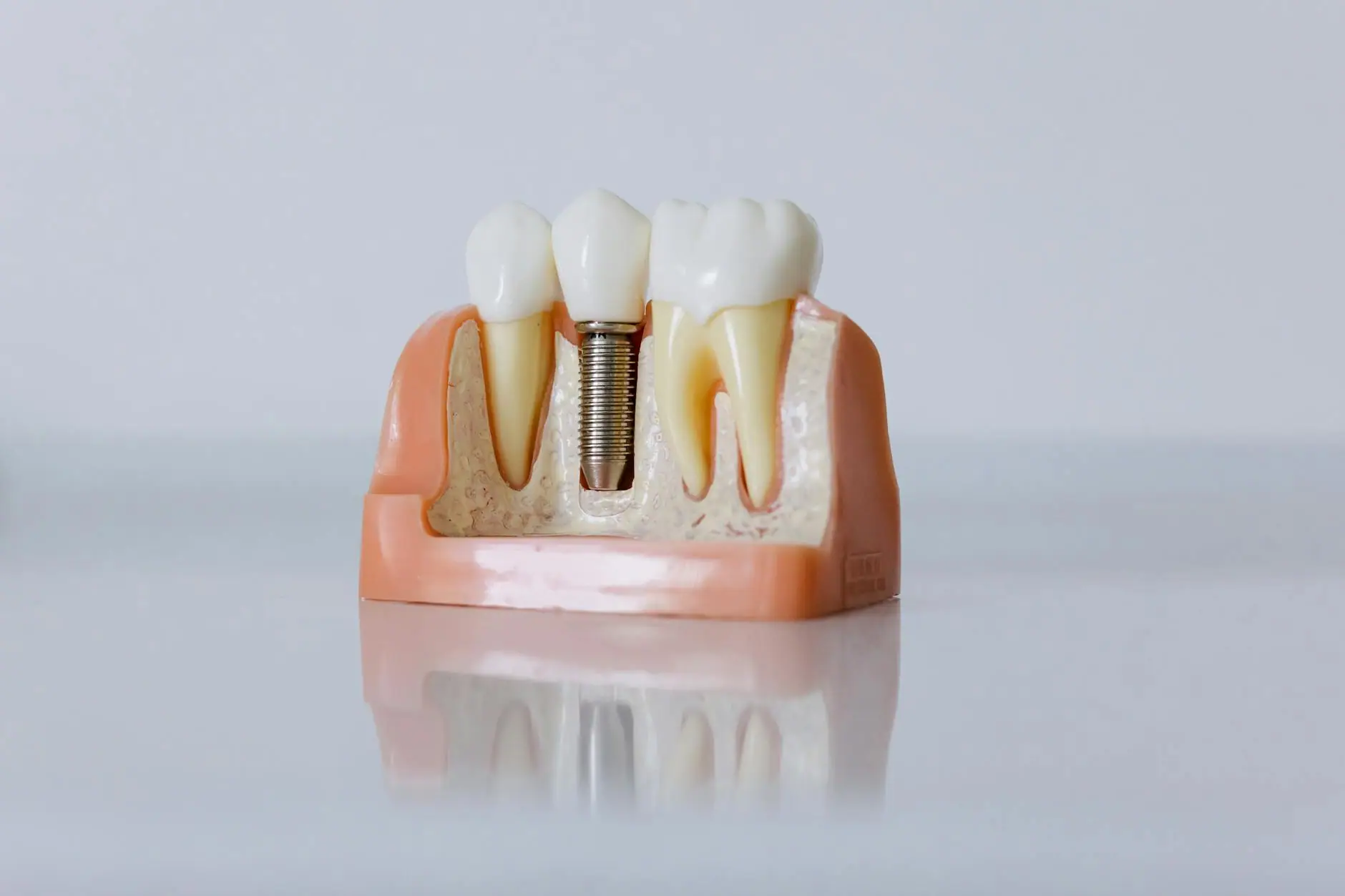
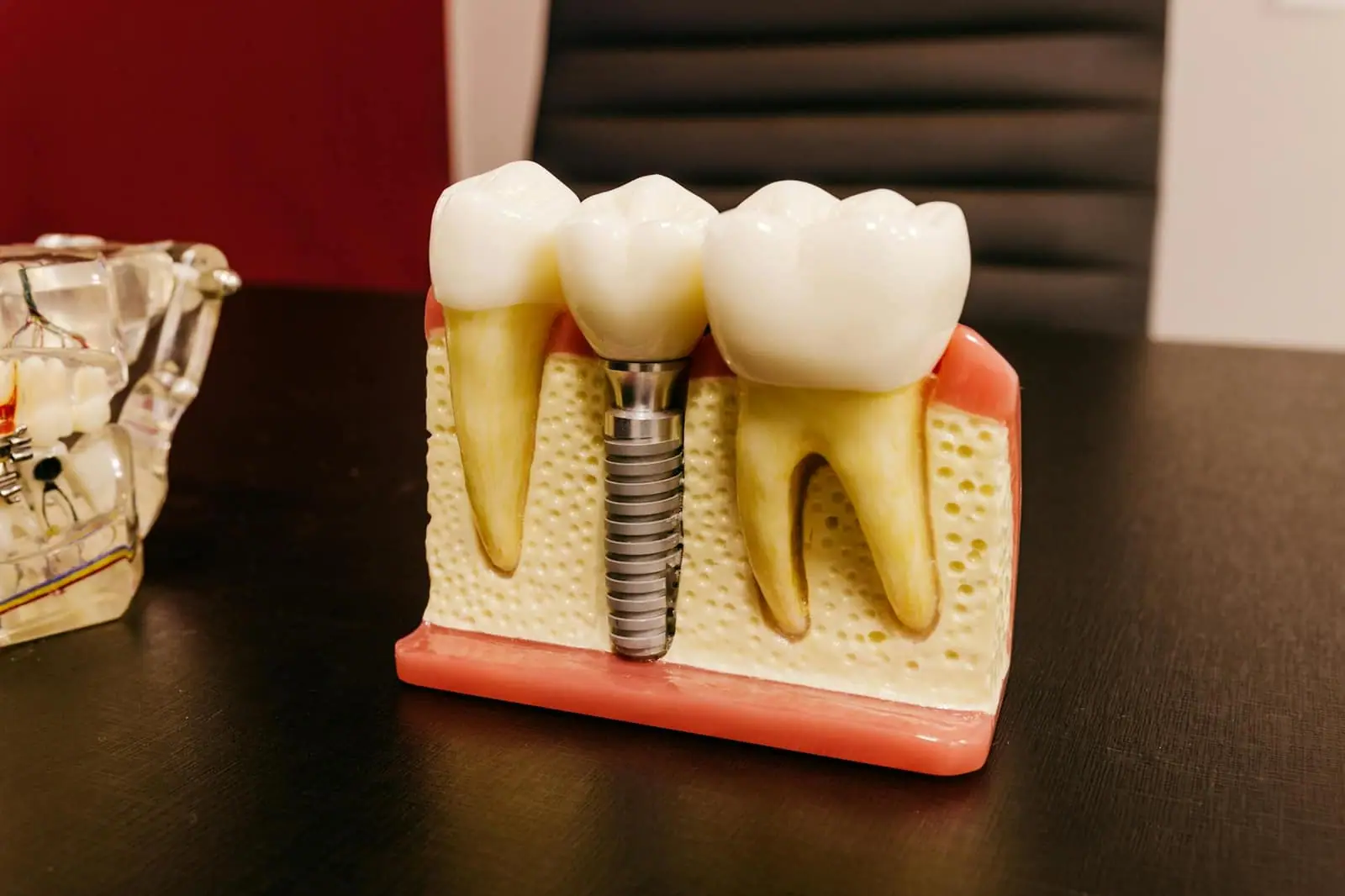
Before chasing the lowest number, understand what drives the price difference. Dental implant costs break into four components:
- The implant post itself: Nobel Biocare, Straumann, and Zimmer posts cost $200–$600 in materials. Generic or house-brand posts can cost $30–$80. The material difference is real — clinical data on generic implants is thin.
- The abutment: The connector between post and crown. $80–$400 depending on material (titanium vs. zirconia).
- The crown: The visible tooth. $300–$1,500 depending on material (PFM, e.max, zirconia) and whether it is milled in-house or sent to an off-site lab.
- The surgeon's fee and overhead: This is where the biggest cost variation lives. A Manhattan oral surgeon in a premium suite charges 5–8x what a clinic in Medellin, Colombia charges — for the same 45-minute procedure, using the same implant system.
The cheapest implants in the US cut costs on #1, #3, and #4. The cheapest implants in Colombia cut costs on #4 only — keeping Nobel Biocare components and specialist training intact.
The Full Cheapest Dental Implants Comparison
| Option | Price/Implant | Implant Brand | Wait Time | Verdict |
|---|---|---|---|---|
| US Dental School | $400–$1,200 | Varies | 6–12 months | Cheap but slow |
| US Discount Chain | $699–$1,500* | Generic / house | 3–6 months | Advertised low, final bill high |
| Mexico (border city) | $500–$900 | Varies widely | 1–3 weeks | Variable quality |
| Colombia — SDC Medellin Best Value | $800–$1,200 | Nobel Biocare | 1–2 weeks | Premium quality, low overhead |
| US Mid-Tier Clinic | $2,000–$3,500 | Straumann / Zimmer | 3–6 months | Standard |
| US Specialist (Miami, NYC) | $3,500–$6,000 | Nobel Biocare | 3–6 months | Premium quality, premium price |
* US discount chain prices: the advertised price often covers only the implant post — not the abutment, crown, X-rays, or any preparatory work. Add-ons typically bring the final bill to $1,800–$3,500.
US Dental Schools: Real Savings, Real Trade-offs
Dental schools in cities like Miami, New York, Houston, and Chicago place implants at 40–70% below private-practice rates. The trade-offs:
- Supervised by faculty: Students place implants under licensed oral surgery faculty. The supervision is real, but procedure time is 2–3x longer.
- Wait times: 3–9 months to get on the schedule. Then multiple visits spread over 12–18 months.
- Implant brands vary: Schools use whatever their purchasing contracts provide. You may or may not get a name-brand implant system.
- Limited to simple cases: Complex cases (bone grafting, sinus lifts, immediate load) are often not offered or have additional wait lists.
Dental schools make sense if you have time, a simple case, and live near a major university. They do not work for patients who need treatment in weeks rather than months.
Discount Dental Chains: Read the Fine Print
You have seen the ads: “$699 dental implants” or “$1 implant special.” These are bait-and-switch tactics used by some high-volume dental chains. Here is how the math actually works:
- Advertised price: $699 (implant post only, not complete)
- Abutment: +$350
- Crown: +$800
- CBCT scan: +$300
- Consultation and exam: +$150
- Bone grafting (likely needed): +$400–$800
- Real total: $2,800–$3,500
At that price, you would have been better served by a mid-tier specialist. The implant brand is also typically a private-label or generic system with limited long-term data.
This is not to say all high-volume clinics are bad — some are genuinely efficient and transparent. But always ask for a complete itemized estimate before agreeing to any treatment plan.
Mexico Dental Tourism: Cheaper, But Buyer Beware
Cities like Tijuana, Los Algodones, Cancun, and Monterrey have large dental tourism industries serving US patients. Implant prices range from $500–$1,200 depending on the city and clinic.
The legitimate concerns:
- No standardized credential verification: Dentist licensing requirements vary by Mexican state. There is no single body equivalent to the American Dental Association certifying implant specialists.
- Implant brand opacity: Many clinics will say “name-brand implants” but use Chinese or Korean generic systems sold under confusing names. Ask for the Nobel Biocare or Straumann reference number from the package.
- Distance for follow-up: If your implant fails — 3–5% of cases within 5 years — you are back to square one in the US. Your US dentist likely won't touch another provider's implant.
- Strong clinics exist: There are excellent implant specialists in Mexico. The challenge is identifying them without a referral network or verifiable patient outcomes data.
Why Colombia Is the Best Value for Cheapest Quality Implants
Colombia has become one of the world's top dental tourism destinations for a specific reason: it combines Latin American cost structures with US-equivalent training pipelines. The top Colombian implant specialists routinely train at US and European universities, use the same implant systems, and work with the same CBCT imaging technology.
What makes Medellin specifically attractive:
- Nobel Biocare certified providers: Smile Dental Center is a certified Nobel Biocare implant provider. The same implant system available at $3,500–$5,000 at our Miami clinic costs $800–$1,200 complete at our Medellin clinic.
- Shorter trip than you think: Medellin is a 3-hour direct flight from Miami. El Dorado International Airport serves direct routes from MIA, JFK, LAX, and other major hubs.
- Same clinical director, both locations: Smile Dental Center Miami and Medellin share clinical direction and implant protocols. You can have your CBCT scan in Miami and treatment in Medellin, or do everything in Colombia.
- Lifetime warranty on Nobel Biocare implants: Because we are a certified provider, the Nobel Biocare lifetime warranty follows the implant — regardless of which SDC location placed it.
The Colombia vs. US True Cost Math
Real Example: Single Implant + Crown (Nobel Biocare, Zirconia Crown)
Miami SDC: $3,500 complete
Medellin SDC: $1,000 complete
Round-trip flight MIA-MDE: ~$350
5 nights in El Poblado (treatment visit): ~$400–$600
Net patient savings: $1,550–$1,750 per implant
* Same Nobel Biocare implant. Same lifetime warranty. Same clinical protocols.
For patients needing multiple implants or a full arch, the savings multiply accordingly.
Questions to Ask Any Cheap Implant Provider
Before booking the cheapest option you can find, ask these five questions:
- What is the implant brand and model number? Any legitimate provider will give you the exact Nobel Biocare, Straumann, Zimmer, or BioHorizons reference. If they say “we use premium implants” without a brand, walk away.
- Is the quote all-inclusive? Ask specifically whether the quote includes: the post, abutment, crown, CBCT scan, pre-surgical consultation, any bone grafting, temporary crown (if applicable), and follow-up visits.
- What is the specialist's credential for implant surgery? The ideal is an oral and maxillofacial surgeon or periodontist with documented implant training. Ask to see continuing education records if you are unsure.
- What happens if the implant fails? A reputable clinic will have a clear protocol: replacement at no charge within a defined period, or coordination with Nobel Biocare's warranty process.
- Can I see documented before-and-after cases? Not stock photos — real patient outcomes from this specific provider.
Affordable Financing: Making Any Implant Cheaper
Even without dental tourism, you can reduce the out-of-pocket burden:
- CareCredit: 0% APR for 12–18 months for approved applicants. A $3,500 implant becomes ~$194/month over 18 months at 0%.
- Alphaeon Credit: Similar to CareCredit, often with higher approval rates for lower credit scores.
- FSA/HSA: Dental implants qualify as a medical expense under most FSA and HSA plans. If you have funds in either account, use them — it is effectively a 20–37% discount depending on your tax bracket.
- In-house payment plans: Smile Dental Center offers flexible installment plans. Ask our team for current options.
Get the Actual Price for Your Case
Tell us how many implants you need and where. Our coordinators will give you an honest itemized quote — Miami or Medellin — within 24 hours.
Get My Free QuoteFrequently Asked Questions
What is the cheapest you can get a dental implant?
The cheapest dental implants in the US start at $400–$700 at dental schools, though these prices rarely include all components (abutment, crown, imaging). Discount dental chains advertise $699 implants but final bills average $2,500–$3,500. The best real-world price for a complete, quality implant (Nobel Biocare post + abutment + zirconia crown) is $800–$1,200 at top clinics in Colombia, including Smile Dental Center Medellin — 35–45% below comparable US specialist prices.
Are cheap dental implants safe?
It depends entirely on what is driving the low price. Implants are cheap for three legitimate reasons: (1) the practice is in a low-cost-of-living area (dental schools, Colombia), (2) the practice is highly efficient at volume, or (3) corners are being cut on implant brand, lab quality, or specialist credentials. The first two are safe. The third is not. Always ask for the implant brand, model number, and all-inclusive pricing before agreeing to treatment. A cheap implant from an unknown brand with no long-term clinical data carries real failure risk.
How much do dental implants cost in Colombia?
Dental implants in Colombia range from $500–$1,500 per implant (complete: post + abutment + crown) depending on the clinic, city, and implant brand. At Smile Dental Center Medellin, a complete single implant using Nobel Biocare starts at $800 — the same Nobel Biocare implant system used at our Miami clinic, with the same specialist team and lifetime warranty. Most patients save $1,500–$2,500 per implant compared to equivalent US treatment, even after accounting for travel and accommodation costs.
Is it worth going to another country for dental implants?
Yes, for most patients who need more than one implant or a full-arch restoration. The math strongly favors dental tourism when savings exceed $3,000–$5,000 total — which they typically do for anyone needing two or more implants. Single-implant patients should factor in round-trip flights and accommodation: if total travel cost exceeds the savings, a US dental school may be the better option. For Smile Dental Center Medellin patients flying from Miami, the break-even point is roughly one implant: savings of $2,000–$2,500 vs. flight + 3–5 nights at around $750.
Why are dental implants cheaper in some US states?
Dental implant prices vary by state primarily because of overhead costs: rent, labor, and malpractice insurance. A dentist in rural Tennessee pays 50–70% less overhead than one in Miami or Manhattan. If you live in a high-cost metro area, getting an implant in a smaller city or dental school within driving distance can save 20–40% without international travel. However, this rarely brings prices below $2,000–$2,500 for a complete implant, whereas Colombia typically lands at $800–$1,200.
Do dental discount plans make implants cheaper?
Dental discount plans (like Aetna Dental Access, Cigna Dental Savings, or Careington) can reduce implant costs by 15–30% at participating network dentists. They are not insurance — there are no annual maximums or claim submissions. For a $3,500 implant, a 25% discount plan saves $875. Combined with a CareCredit 0% promo period, this can make US implants meaningfully more accessible. However, savings still rarely bring a single implant below $2,000 at a specialist clinic.
What is the catch with cheap dental implants?
The most common catches with low-priced dental implants: (1) advertised price excludes key components — always ask for an all-inclusive quote; (2) generic or unknown-brand implant posts with no clinical track record; (3) treatment performed by a general dentist without specialist implant training; (4) no warranty on the implant or prosthesis; (5) no CBCT scan before surgery, relying only on 2D X-rays for planning. Any of these can result in implant failure, additional costs, and the need to redo the procedure. Low price from a dental school or a reputable Colombia clinic is fine; low price from a cut-corners operation is not.
Related Articles
Ready for the next step? Explore Miami dental implants.
Have questions? Talk to our specialists.
Free, no-commitment consultation on WhatsApp.