Dental Bone Graft Recovery: Timeline, Pain & What to Expect
by
KEVIN GOMEZ
March 16, 2026
7 minutes
By the Clinical Team at Smile Dental Center — Last updated: March 2026
Quick Answer: Dental bone graft recovery takes 2 weeks for initial soft-tissue healing and 3–9 months for full bone integration, depending on graft size and location. Most patients experience manageable discomfort for 3–5 days, controlled with over-the-counter pain relief. Full integration must occur before dental implants can be placed — typically 4–6 months for most cases.
If your dentist has recommended a bone graft before a dental implant, you likely have questions about what to expect — and understandably so. The words “bone graft” sound intimidating, but the procedure is routine, well-studied, and has a clinical success rate of 90–95% for socket preservation grafts. Understanding the recovery timeline will help you plan your schedule, manage discomfort appropriately, and recognize what normal healing looks like versus warning signs that require attention.
This guide walks you through every phase of dental bone graft recovery — from the day of your procedure through full bone integration — and explains how bone grafting enables the long-term success of your dental implants.
Why Is a Dental Bone Graft Necessary?
Dental implants require a sufficient volume of healthy jawbone to anchor securely. Bone loss occurs naturally after tooth extraction — research shows that up to 25% of bone width can be lost in the first year after an extraction if no grafting is performed. Bone grafts preserve or rebuild this volume, creating the foundation needed for an implant to integrate successfully.
There are four main types of bone graft material, each with different characteristics:
Autograft: Bone harvested from your own body (typically the chin, jaw, or hip). Gold standard for integration, but requires a second surgical site.
Allograft: Processed donor bone from a human tissue bank. Most commonly used; avoids a second surgical site while maintaining excellent integration rates.
Xenograft: Animal-derived bone (typically bovine). Widely used and well-documented in clinical literature.
Alloplast: Synthetic bone substitute materials. Increasingly sophisticated and effective for certain applications.
Our team at Smile Dental Center performs bone regeneration procedures as part of our comprehensive dental implants in Miami workflow. With more than 500 implant and restorative cases completed, our cosmetic dentists and oral surgery team select the appropriate graft material based on each patient’s specific anatomy and treatment goals.
Key Takeaways
Soft tissue healing after a dental bone graft takes approximately 2 weeks; full bone integration requires 3–9 months.
Most patients experience moderate discomfort for 3–5 days, manageable with over-the-counter medications.
Success rates for socket preservation grafts are 90–95% in the clinical literature.
Eating soft foods for 1–2 weeks, avoiding smoking, and following post-op instructions are critical to graft success.
Warning signs of graft failure include persistent pain beyond 2 weeks, pus discharge, or exposure of white graft material.
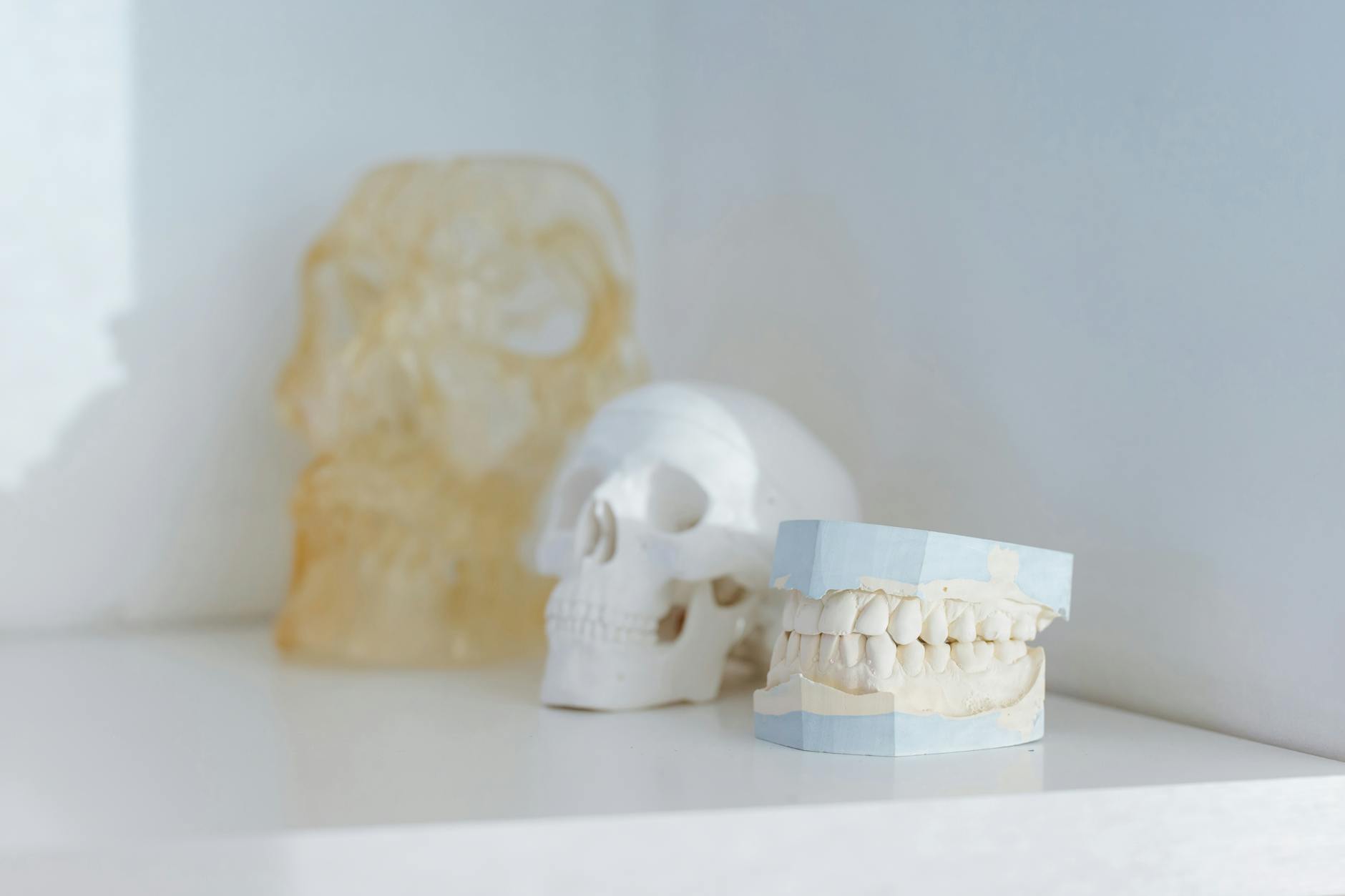
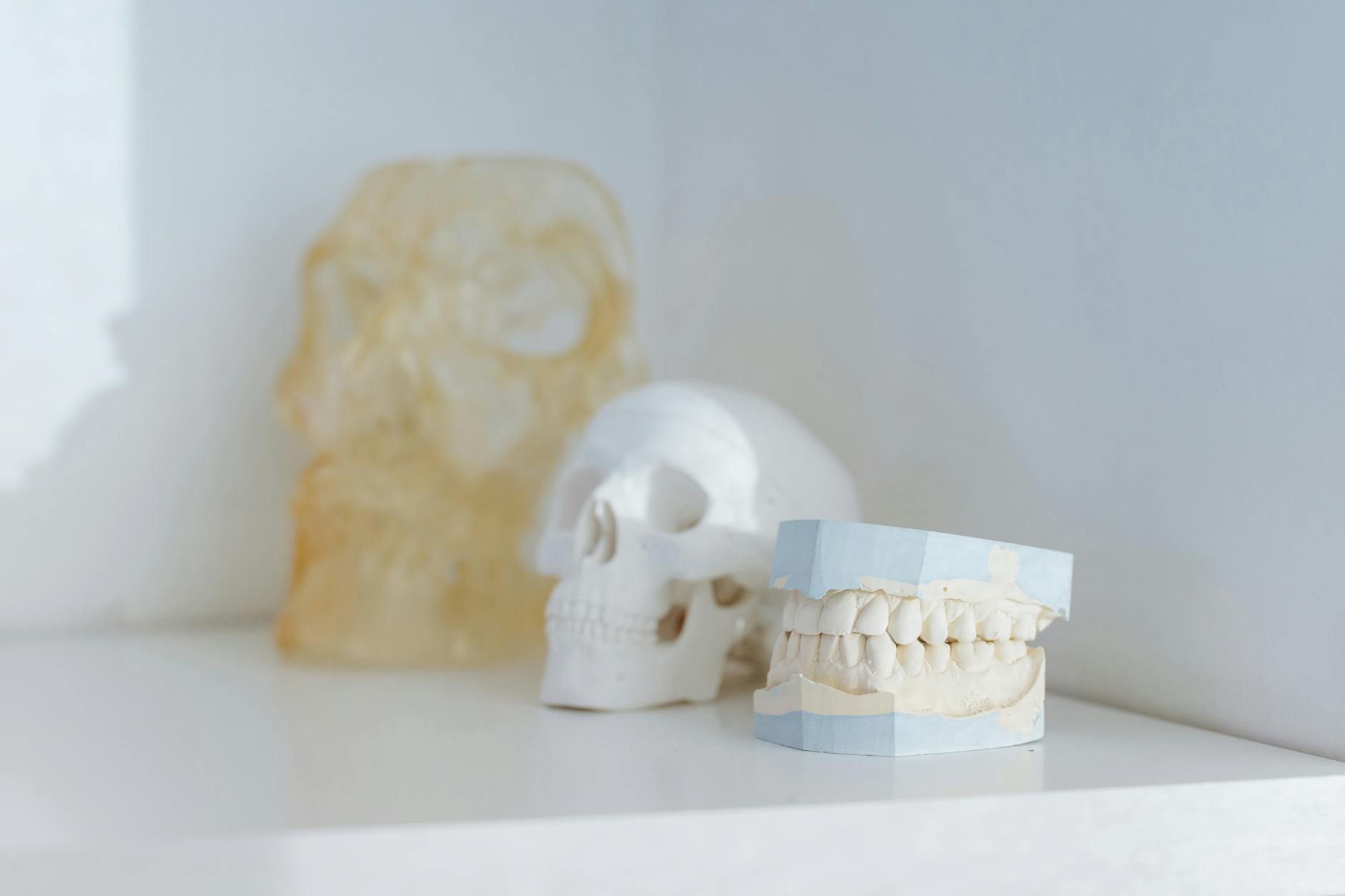
Before and after dental bone graft recovery: timeline, pain & what to expect results
Dental Bone Graft Recovery Timeline
Day 1–3: Immediate Post-Procedure
The first 72 hours are the most uncomfortable phase of recovery. You can expect swelling, mild bleeding, and soreness at the graft site. Swelling typically peaks at 48–72 hours and then gradually subsides. Most patients manage discomfort effectively with ibuprofen (400–600 mg every 6–8 hours as directed) or acetaminophen. Your dentist may also prescribe antibiotics to prevent infection during this vulnerable window.
Key care steps during days 1–3:
Apply ice packs (20 minutes on, 20 minutes off) to the face over the graft site for the first 24 hours
Keep your head elevated when resting — this reduces swelling
Eat only soft, cool foods (yogurt, applesauce, mashed potatoes, smoothies)
Do not rinse vigorously or use a straw — this can dislodge the blood clot protecting the graft
Avoid smoking or alcohol — both significantly impair bone healing
Week 1–2: Soft Tissue Healing
By the end of the first week, most patients feel significantly more comfortable and can resume near-normal daily activities. The gum tissue over the graft site begins to close, and visible swelling typically resolves. You may notice some white or yellowish tissue at the graft site — this is usually normal collagen formation, not infection. However, if it’s accompanied by pain, odor, or pus, contact your dentist immediately.
During weeks 1–2:
Transition from soft foods to semi-soft foods as comfort allows (pasta, eggs, soft fish)
Begin gentle warm saltwater rinses after 24 hours to keep the area clean
Brush carefully around the graft site — do not brush directly on the wound
Attend your follow-up appointment (typically scheduled at 1–2 weeks post-procedure)
Month 1–3: Early Bone Formation
This phase is largely invisible — healing is happening beneath the gum surface as new blood vessels and early bone cells (osteoblasts) begin colonizing the graft material. Most patients feel completely normal by weeks 3–4. At your follow-up appointments, your dentist may take X-rays to assess early bone formation.
There are no major restrictions during this phase, though continuing to avoid smoking is critical — nicotine constricts blood vessels and is one of the leading causes of graft failure. You should also avoid any trauma to the area and refrain from any orthodontic movement in the grafted zone until integration is confirmed.
Month 3–9: Full Bone Integration
Full osseointegration — the process by which the graft material is replaced or incorporated into your natural bone — takes 3–9 months depending on graft size, location, and individual biology. Small socket preservation grafts (placed after a single tooth extraction) typically integrate in 3–4 months. Larger sinus lifts or ridge augmentation procedures may require 6–9 months of healing before an implant can be placed.
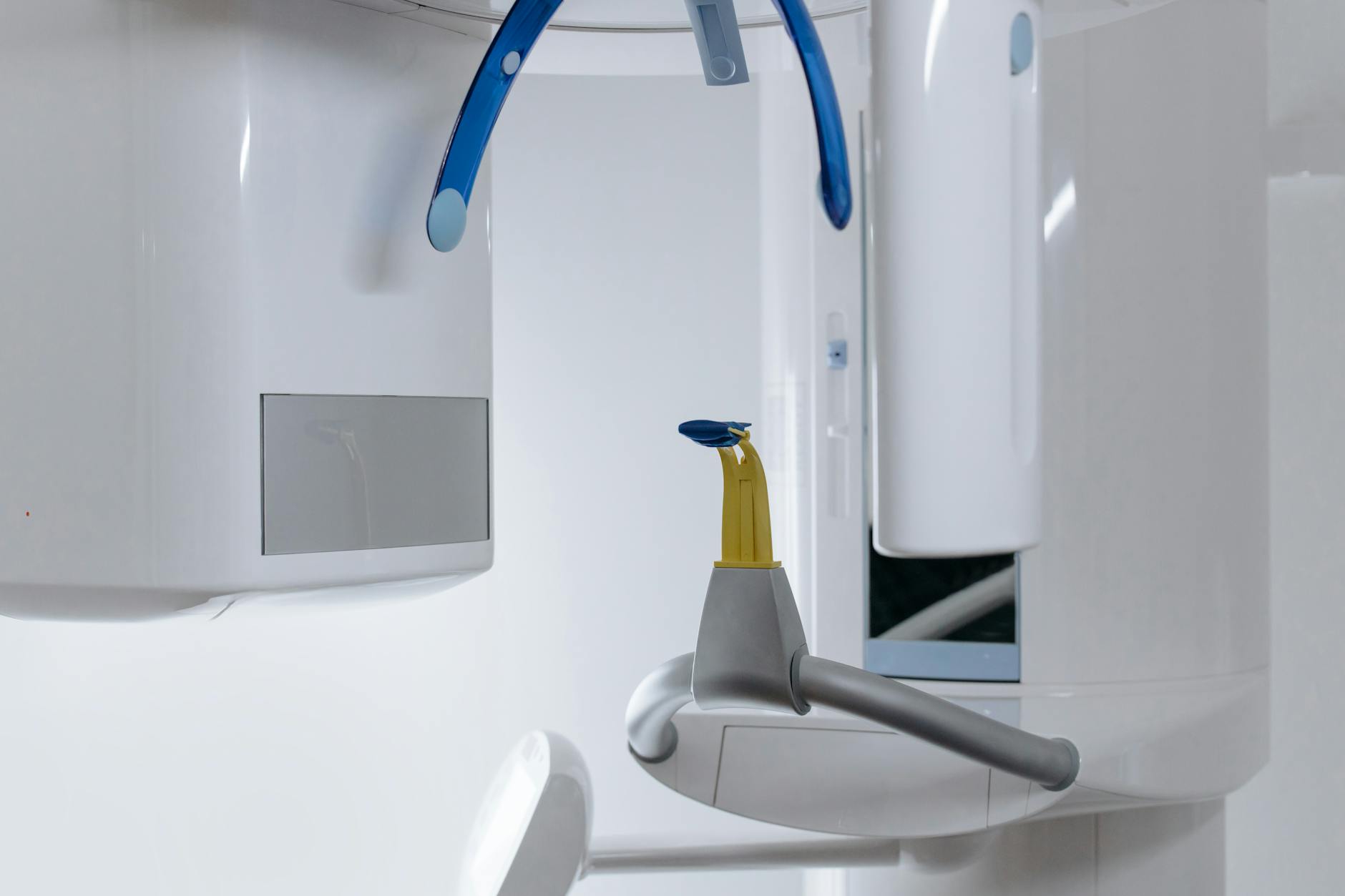
Your dentist will confirm readiness for implant placement with a cone-beam CT (CBCT) scan, which provides a 3D view of bone density and volume. This is the same 3D imaging technology used at Smile Dental Center for implant planning. For patients considering All-on-4 implants, bone grafting protocols may differ — in some cases, All-on-4 is specifically designed to work with reduced bone volume by angling implants to avoid areas of deficiency.
What to Eat After a Dental Bone Graft
Your diet has a direct impact on healing speed and graft success. Here’s a practical guide:
Days 1–3 (soft, cool foods only): Yogurt, smoothies (no straw), applesauce, mashed potatoes, pudding, ice cream (no nuts/chips), soft scrambled eggs.
Week 1–2 (soft foods): Pa
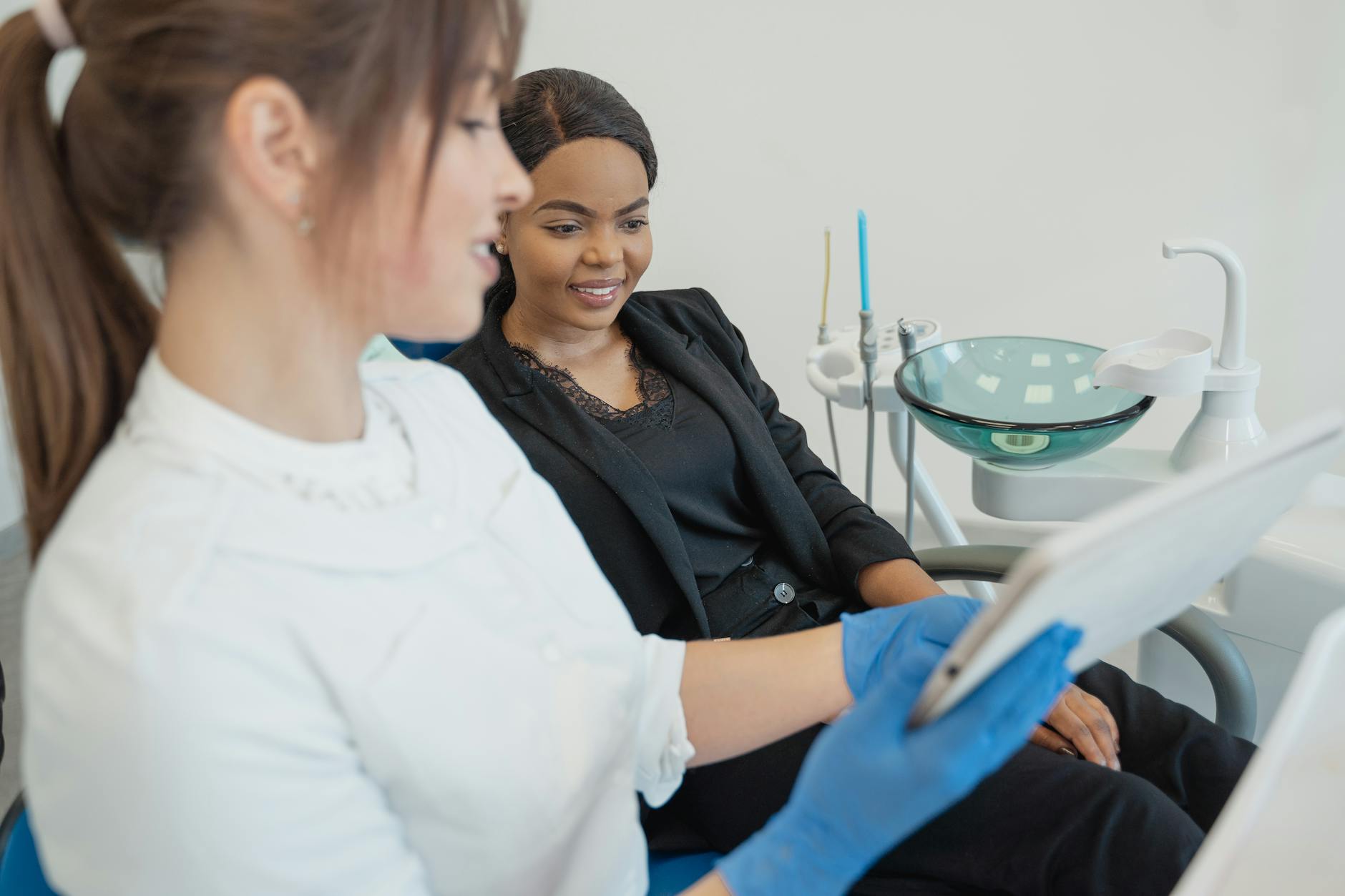
Patient consulting with dentist about dental bone graft recovery
Week 2–4 (semi-soft, avoiding the graft area): You can reintroduce most foods, but continue avoiding hard, crunchy, or chewy foods that could put pressure directly on the graft site.
Month 1 and beyond: Most patients can return to a normal diet, though avoiding very hard foods directly on the graft site remains advisable until implant placement is confirmed.
Warning Signs of Bone Graft Failure
While dental bone grafts have high success rates, it’s important to know what to watch for. Contact your dentist promptly if you experience:
Persistent pain beyond 2 weeks: Some soreness is normal early on, but escalating or unresolved pain after 2 weeks warrants evaluation
Pus or unusual discharge: A sign of infection that requires prompt treatment
Visible graft material: If white granules appear at the surface of your gum after the first week, the membrane may have become dislodged
Swelling that worsens after day 3: Normal swelling peaks at 48–72 hours and then decreases; worsening swelling after that point is a warning sign
Fever: Any fever following the procedure should be reported to your dentist
Evidence and Clinical Standa
Modern dental technology used for dental bone graft recovery treatment
rds
The clinical evidence supporting dental bone grafting is well-established. Research compiled through PubMed/NCBI shows socket preservation grafts achieve 90–95% success rates and significantly improve implant outcomes compared to un-grafted extraction sites. The American Dental Association recognizes bone grafting as a standard of care prior to implant placement when bone volume is insufficient.
At Smile Dental Center, all bone regeneration procedures are performed under the same clinical protocols used by our Miami implant team, ensuring consistent outcomes across our full scope of implant cases — including complex cases requiring implants vs. dentures evaluations.
Frequently Asked Questions
How long does dental bone graft recovery take?
Initial soft-tissue healing takes approximately 2 weeks — most patients feel normal by days 10–14. Full bone integration, which is required before dental implant placement, takes 3–9 months depending on the size and location of the graft. Small socket preservation grafts typically integrate in 3–4 months; larger procedures like sinus lifts may require up to 9 months.
Is a dental bone graft painful?
Most patients experience moderate discomfort for 3–5 days following the procedure, which is well-managed with over-the-counter pain relievers (ibuprofen or acetaminophen) as directed. Swelling peaks at 48–72 hours and then subsides. The procedure itself is performed under local anesthesia, so you should feel no pain during the surgery — only pressure.
What can I eat after a dental bone graft?
For the first 3 days, stick to soft, cool foods: yogurt, smoothies (no straw), applesauce, mashed potatoes, and soft scrambled eggs. Avoid hot foods, crunchy or hard foods, and anything that requires significant chewing near the graft site. By weeks 2–4, most semi-soft foods are permitted, and a near-normal diet can resume within a month.
What are signs of bone graft failure?
Warning signs include: persistent or worsening pain beyond 2 weeks, pus or unusual discharge from the site, visible white graft material breaking through the gum, swelling that worsens after day 3, or fever. If you experience any of these, contact your dentist promptly. Early intervention can often salvage a compromised graft if caught quickly.
When can I get a dental implant after a bone graft?
Most patients can proceed to implant placement 3–6 months after a standard socket preservation graft. Larger procedures — ridge augmentation, sinus lifts — may require 6–9 months. Your dentist will confirm readiness with a CBCT scan to assess bone density and volume. Attempting to place an implant before full integration significantly increases the risk of implant failure.
This website uses cookies to improve your experience. We'll assume you're ok with this, but you can opt-out if you wish. Cookie settingsACCEPT
Privacy & Cookies Policy
Privacy Overview
This website uses cookies to improve your experience while you navigate through the website. Out of these cookies, the cookies that are categorized as necessary are stored on your browser as they are essential for the working of basic functionalities of the website. We also use third-party cookies that help us analyze and understand how you use this website. These cookies will be stored in your browser only with your consent. You also have the option to opt-out of these cookies. But opting out of some of these cookies may have an effect on your browsing experience.
Necessary cookies are absolutely essential for the website to function properly. This category only includes cookies that ensures basic functionalities and security features of the website. These cookies do not store any personal information.
Any cookies that may not be particularly necessary for the website to function and is used specifically to collect user personal data via analytics, ads, other embedded contents are termed as non-necessary cookies. It is mandatory to procure user consent prior to running these cookies on your website.