

A smile can change the way people see you before you say a word. If you are getting ready for a wedding, building your personal brand, stepping into a leadership role, or simply tired of hiding your teeth in photos, smile design dentistry gives you a clear path to a more polished, confident look.
This is not a one-size-fits-all cosmetic treatment. Smile design dentistry is a personalized approach that plans your smile around your face, lips, gum line, tooth proportions, bite, and overall dental health. The goal is simple – create a smile that looks beautiful, feels balanced, and fits you naturally.
What smile design dentistry really means
Smile design is the strategy behind aesthetic dentistry. Instead of choosing veneers, whitening, crowns, or gum contouring in isolation, your dentist looks at the full picture first. That includes tooth size, tooth color, shape, position, symmetry, smile width, gum display, and how your teeth show when you speak and smile.
A good smile design plan is both cosmetic and functional. You want teeth that photograph well, but you also need a bite that works, restorations that last, and results that do not look overly bulky, flat, or artificial. The best outcomes happen when beauty and biology work together.
This is why a true smile design consultation often includes imaging, photos, oral evaluation, and a conversation about your goals. Some patients want a dramatic Hollywood-style transformation. Others want subtle refinement so people notice they look better without knowing exactly why. Both are valid, but they require different planning.
Who smile design dentistry is for
Smile design dentistry is a strong fit for adults who want visible improvement and do not want to guess their way through treatment. It is especially appealing if you have chipped teeth, stains that do not respond to whitening, uneven edges, worn enamel, small gaps, mild crowding, old dental work, or a gummy smile.
It is also a smart option if your needs go beyond cosmetics alone. Some patients come in wanting veneers and find out they also need gum reshaping, a crown replacement, bite adjustment, or restorative work to get the best final result. Others need a more advanced plan that includes implants, bridges, or full-arch rehabilitation before the cosmetic phase begins.
That full-picture approach matters. A beautiful smile is always in style, but lasting confidence comes from building it on a healthy foundation.
What treatments may be part of smile design dentistry
There is no single treatment called smile design. It is a customized combination of services selected for your face and your goals.
Veneers, whitening, and reshaping
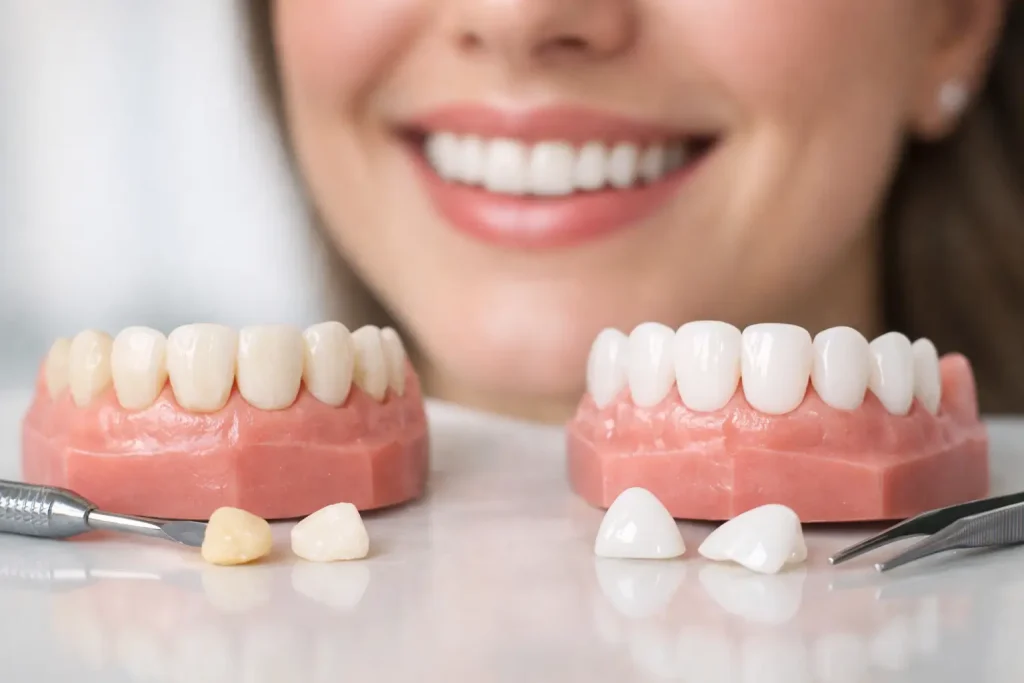
Porcelain veneers are one of the most popular choices because they can change color, shape, width, and overall symmetry at the same time. Composite veneers can also be a strong option for patients who want a faster or more budget-conscious aesthetic upgrade. The right choice depends on your goals, enamel condition, bite, and how much longevity you expect.
Professional whitening is often part of the plan when teeth are healthy and shape is already good. In some cases, small contouring changes can make a major difference by smoothing uneven edges or improving balance without extensive treatment.
Gum and smile line improvements
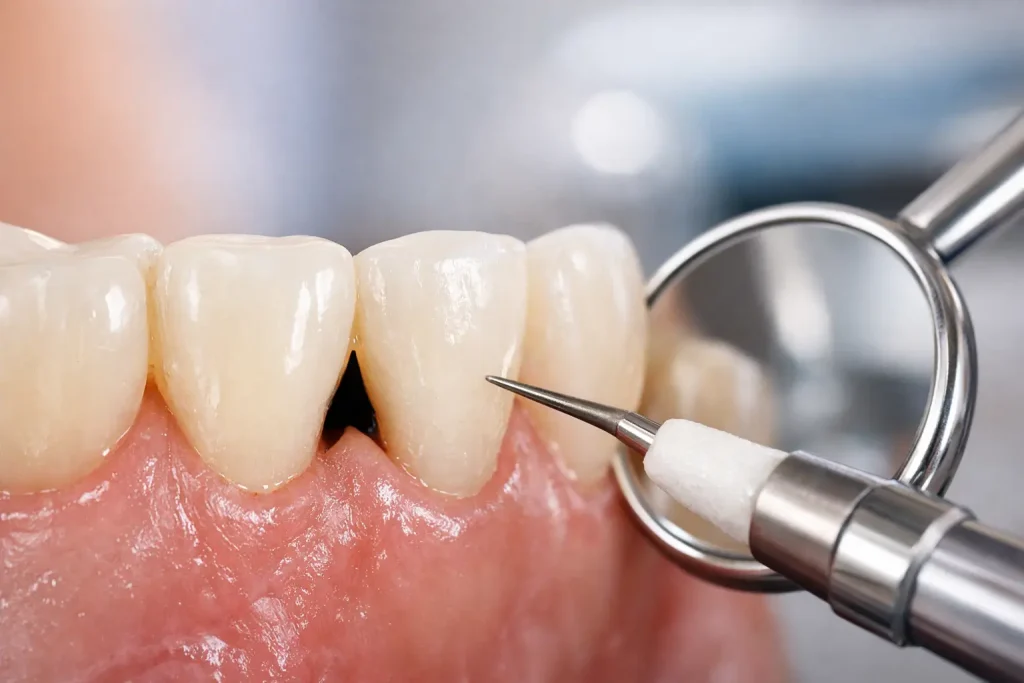
Sometimes the teeth are not the main issue. The gum line may be uneven, too prominent, or too dark in appearance. Gingivoplasty can refine the frame around the teeth, while gum lightening may improve the color of the gum tissue for a cleaner aesthetic. These details can have a surprisingly strong impact on the final look.
Crowns, bridges, and cosmetic restorations
If teeth are damaged, heavily filled, or structurally weak, crowns or onlays and inlays may be the better route. Bridges can replace missing teeth when indicated. In smile design, restorative pieces are chosen not only for strength but also for how they blend with the surrounding teeth in color, shape, and proportion.
Implants and complex reconstruction
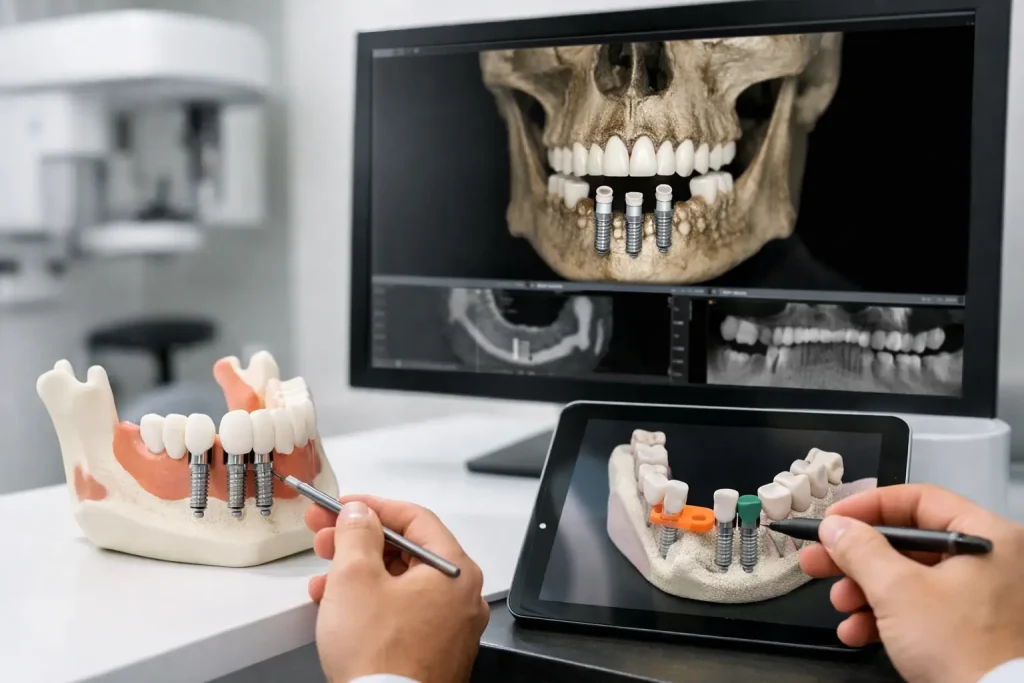
For patients with missing teeth, failing dental work, or advanced wear, smile design may need to start with surgical or restorative care. Dental implants, bone regeneration, sinus lifts, and full-arch options like All-on-X can restore the structure needed for a confident smile. This is where choosing a full-service practice becomes a real advantage – your cosmetic vision and your clinical treatment plan can stay aligned from start to finish.
Why customization matters so much
The difference between decent cosmetic dentistry and standout results usually comes down to design. Teeth that look attractive on one person can look too large, too white, or too square on someone else. Your facial shape, skin tone, lip movement, age, and personality all influence what will look natural and flattering.
That is why smile design dentistry focuses on harmony. A stronger, brighter smile should still look like it belongs to you. The best results do not overpower your face. They elevate it.
There is also a practical side to customization. Some people are heavy grinders and need materials and shapes that can handle force. Some have old crowns that need to be matched. Some want the brightest shade possible, while others need a softer, more believable finish for professional settings. It depends on lifestyle, expectations, and oral health, not just aesthetics.
What to expect during the process
The process usually starts with a consultation focused on what you want to change and what is clinically possible. Photos, X-rays, and sometimes 3D imaging help your dentist assess tooth structure, roots, gums, jaw support, and bite. This step matters because cosmetic work should never be planned blindly.
From there, your provider maps out the treatment sequence. If you need cleaning, gum treatment, fillings, root canal therapy, or replacement of older restorations, those may come first. If your mouth is healthy and stable, the plan may move directly into cosmetic treatment.
For many patients, one of the biggest advantages is predictability. A structured smile design process helps you understand what is being changed, why it is being changed, and what kind of result you can expect. That clarity makes decision-making easier, especially when you are investing in elective treatment.
At Smile Dental Center Group, patients can begin that process with a consultation and even photo-based evaluation through https://smiledentalcentergroup.com/, which makes getting a quote faster and more convenient.
How to know if veneers are the right answer
Many patients come in asking for veneers because they want the fastest path to dramatic improvement. Veneers can deliver incredible results, but they are not automatically the best answer for every smile.
If your main concern is tooth color, whitening may be enough. If spacing or alignment is more significant, orthodontic treatment might need to be part of the conversation. If a tooth is badly broken or previously treated, a crown may offer better support. And if gum display is the issue, reshaping the gums may create more improvement than changing the teeth themselves.
This is where honest planning matters. A confident practice should not push one treatment for every patient. It should build the right combination for the best results.
Choosing a provider for smile design dentistry
If you are comparing options, look beyond before-and-after photos alone. Ask whether the practice can handle both cosmetic and foundational care. Ask how they evaluate your bite, gum health, and long-term function. Ask what happens if you need implants, root canal treatment, or replacement of old restorations as part of the case.
You also want a team that understands your timeline. Some patients are planning around events and want faster solutions. Others are willing to phase treatment for more conservative or comprehensive care. Neither approach is wrong, but your provider should be able to explain the trade-offs clearly.
The biggest green flag is confidence backed by clinical range. Cosmetic dentistry looks better when the same team can manage the details underneath it.
The real value of smile design dentistry
The value is not just straighter-looking teeth or a brighter shade. It is the feeling of walking into a meeting, showing up in photos, laughing freely, and speaking without second-guessing your smile. That shift can affect dating, career confidence, social comfort, and the way you carry yourself every day.
If you have been waiting for the right moment to make a change, this may be it. A smile designed around your features, your goals, and your long-term dental health can do more than improve appearance – it can help you show up as your best self, with confidence that reads before you say a word.