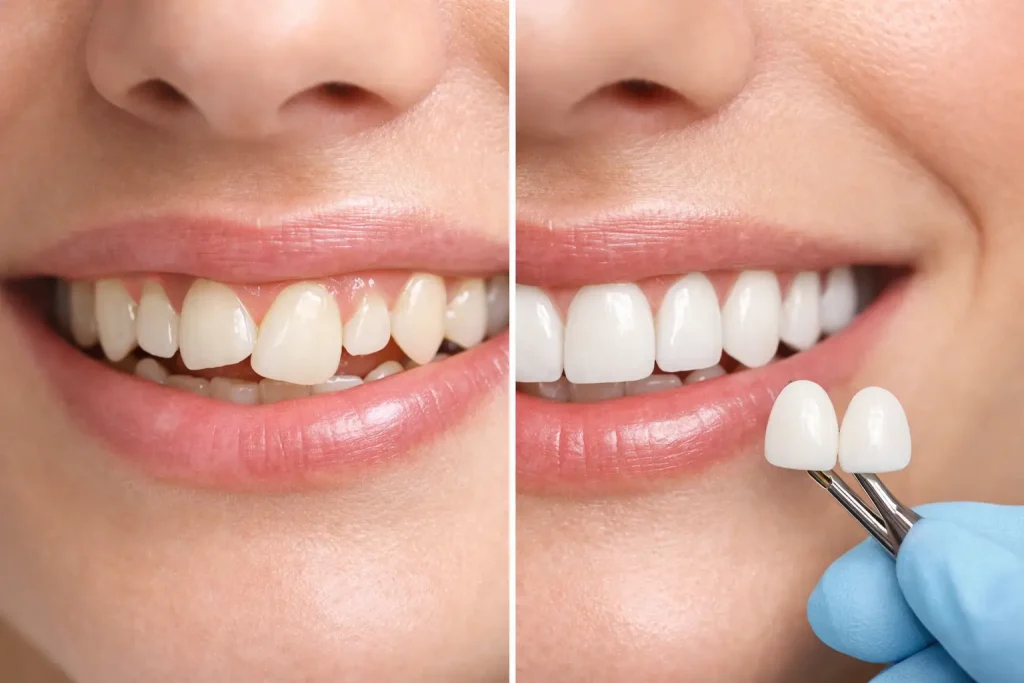

A great veneer case is decided before a single tooth is touched. That is why a complete veneer treatment planning guide matters so much. If you want a smile that looks elevated, natural, and worth the investment, the planning phase is where the best results begin.
Veneers are not just about making teeth whiter. They change how your smile fits your face, how light reflects when you talk, and how confident you feel in photos, meetings, and big life moments. For some patients, veneers are the right move right now. For others, whitening, gum contouring, orthodontic correction, or restorative treatment should come first. Getting that sequence right is what separates a quick cosmetic fix from a true smile design.
What a complete veneer treatment planning guide should cover
The strongest veneer plans start with the full picture, not just the front six or eight teeth. A cosmetic result can only look polished if the foundation is healthy, functional, and stable. That means your dentist should evaluate bite, enamel, gum levels, tooth position, existing restorations, and the way your smile appears with your lips at rest and in motion.
This is also where expectations get aligned. Some patients want a bright Hollywood finish. Others want a softer, more natural enhancement that still looks like their own smile, just refined. Neither goal is wrong, but the plan changes based on the outcome you want, your facial features, and how much natural tooth structure is available.
A complete veneer evaluation should also account for timing. If you are planning veneers before a wedding, major presentation, media shoot, or career move, your dentist should build a realistic timeline around records, design approval, preparation, temporaries, and final placement. Rushing cosmetic dentistry usually shows.
Start with health, not just aesthetics
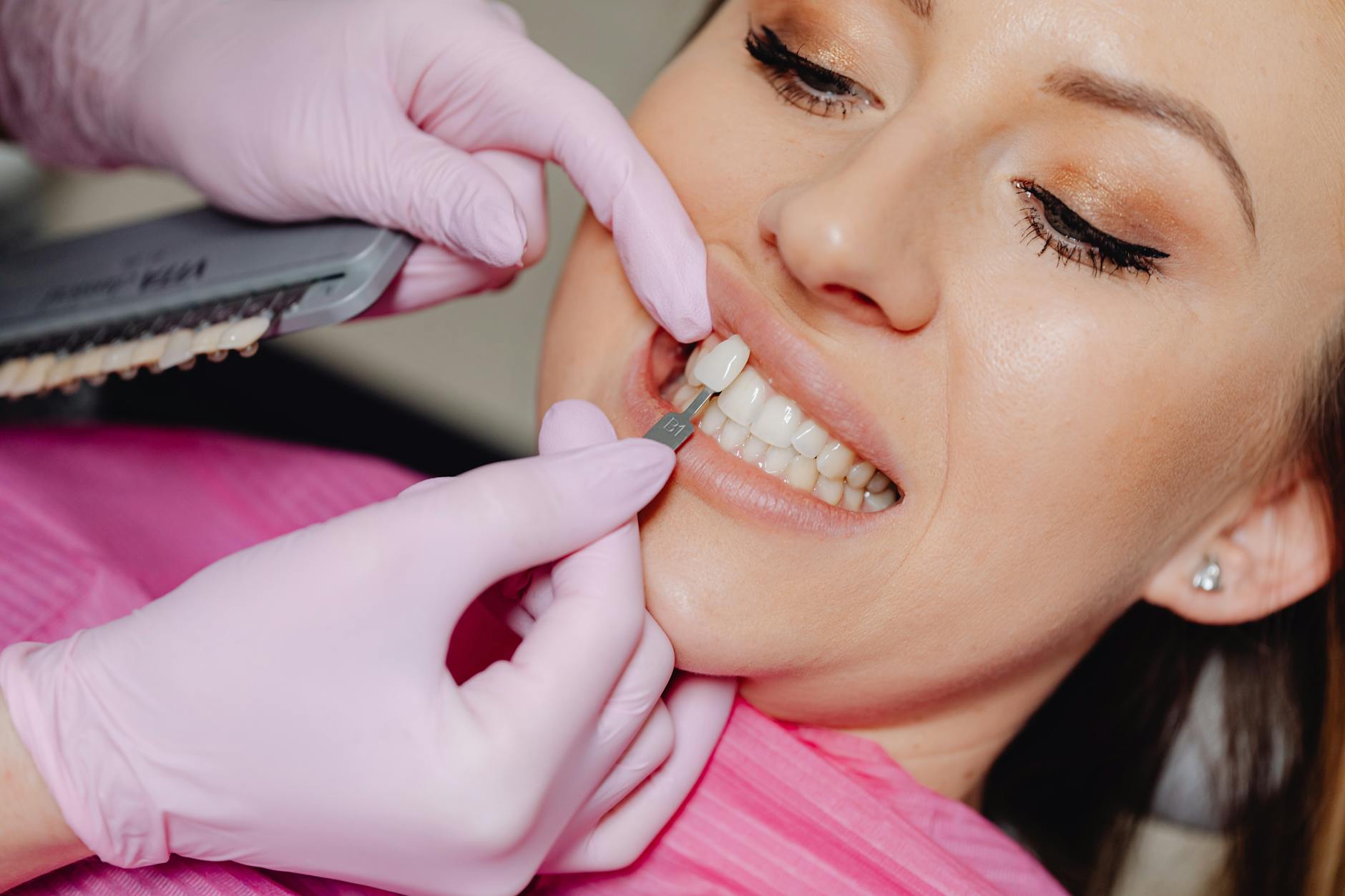
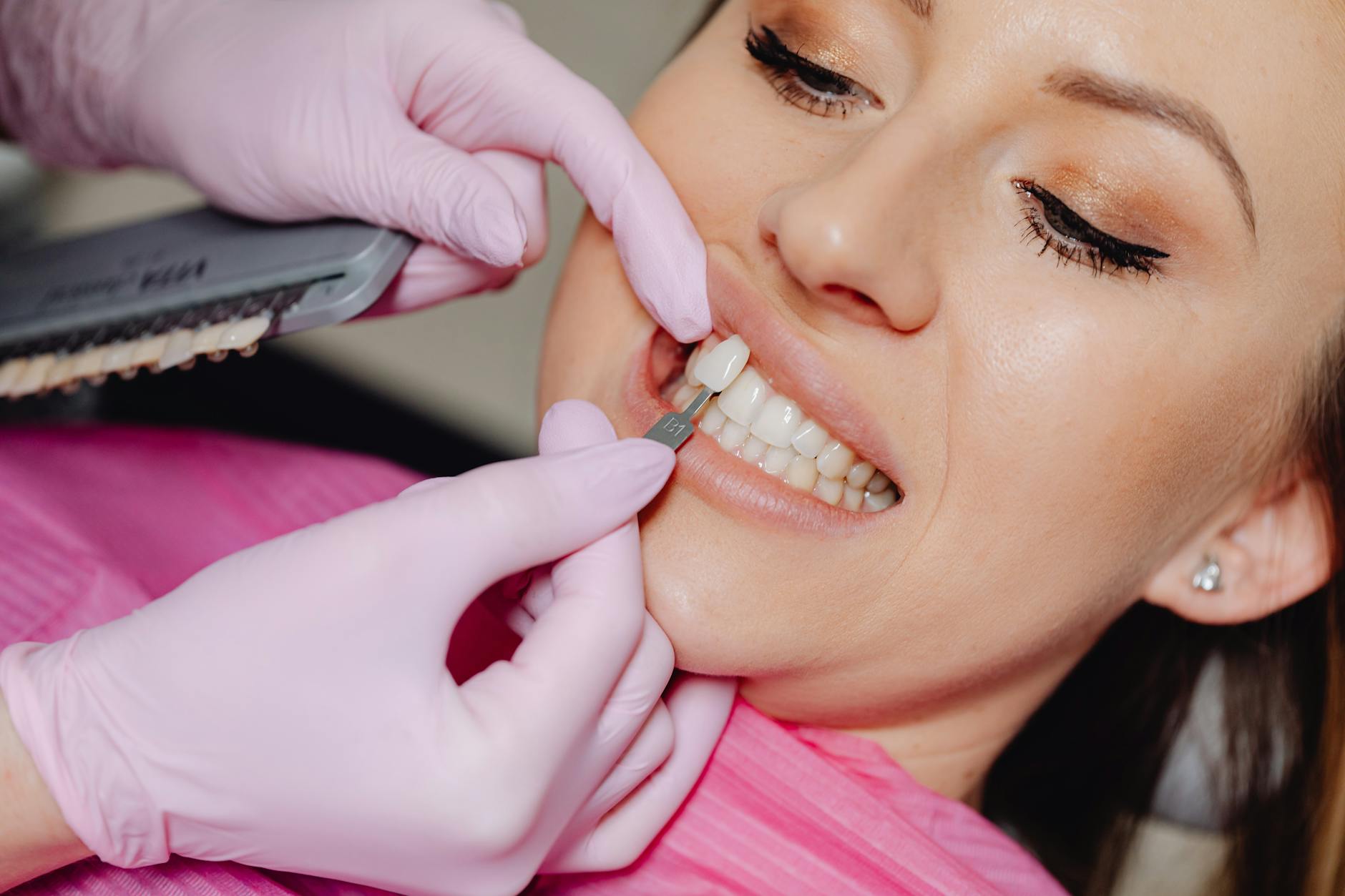
Before veneers are even discussed as a final treatment, the mouth has to be ready. Cavities, gum inflammation, grinding, unstable bite patterns, and old failing dental work can all compromise the outcome. Veneers sit in the spotlight, but they still rely on healthy teeth and gums underneath.
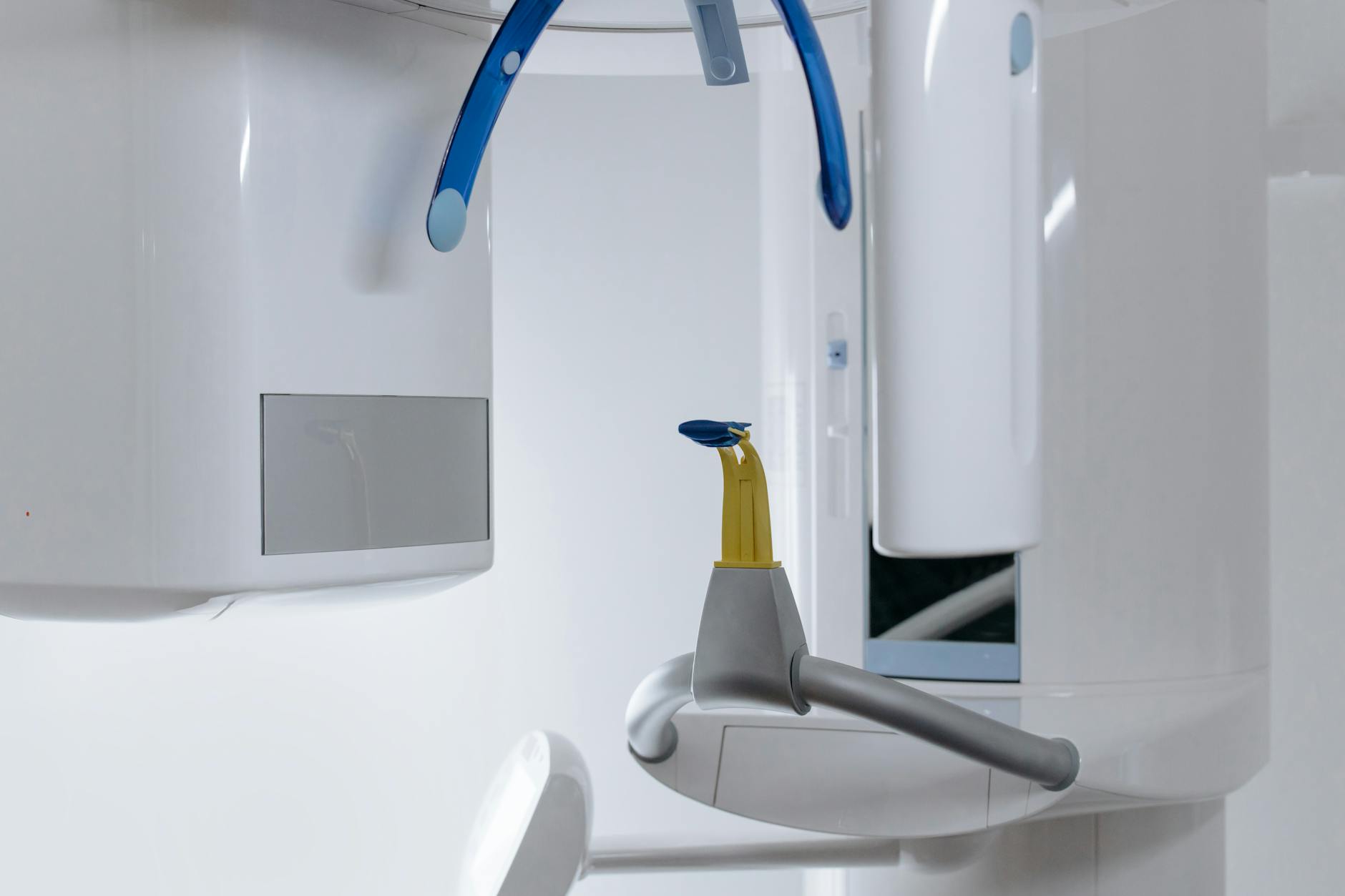
This is why comprehensive exams and imaging matter. Photos, X-rays, and in some cases 3D imaging help identify issues that are easy to miss in a quick cosmetic consult. A tooth may look fine from the front and still have structural problems that need treatment first. If gum disease or decay is active, veneers should wait until that is under control.
Patients sometimes worry that this extra work delays the cosmetic result. In reality, it protects it. When the foundation is handled first, veneers are more likely to fit better, last longer, and look more balanced over time.
Veneer material selection changes the plan
Not every veneer case should be treated the same way because not every veneer material behaves the same way. Porcelain veneers are often the top choice for patients who want high-end esthetics, durability, and strong stain resistance. Composite veneers can be a great option for patients who want a more conservative or budget-conscious cosmetic upgrade, or who need a faster treatment path.
The trade-off is simple. Porcelain tends to deliver more long-term polish and color stability, while composite may be easier to adjust or repair but can wear and stain more quickly. The r

ight choice depends on your goals, habits, enamel condition, and budget.
Your dentist should explain this clearly instead of pushing one option for every case. A patient who drinks coffee daily, wants a dramatic color lift, and expects a premium finish may be happier with porcelain. A patient looking for selective refinement with lower upfront cost may do well with composite. Treatment planning should match lifestyle, not just inventory.
Smile design is where veneers become personal
The most attractive veneer cases do not come from choosing the whitest shade and calling it done. They come from proportion, facial harmony, and restraint. Smile design looks at tooth size, shape, color, and position in relation to your face, lip line, skin tone, and even the way you speak.
Longer teeth can create a more youthful look, but too much length may feel artificial. Extra brightness can make a smile pop in photos, but if the value is too high for your complexion or surrounding teeth, the result may look flat. Rounded edges can soften the look. Squarer shapes can feel stronger and more modern. These are design choices, not random preferences.
This is why mock-ups, digital previews, and before-and-after planning records matter. They help you see where the design is going before final treatment is complete. That conversation is especially important for patients who are investing in a visible transformation and want to feel fully confident saying yes.
When other treatments should come first
A veneer plan often works best when it is part of a larger cosmetic sequence. If gum levels are uneven, gingivoplasty may be recommended before veneers so the smile frame looks
symmetrical. If the teeth are very dark, whitening of non-veneer teeth may happen first so the final shade blends better. If crowding or spacing is significant, short-term orthodontic treatment may create a better setup and reduce the amount of preparation needed.
There are also restorative situations where veneers are not the first answer. Teeth with large fillings, fractures, or root canal history may need crowns instead. Missing teeth may call for implants or bridges before the smile is finalized. Patients with heavy grinding may need bite management and a night guard built into the plan from day one.
This is where full-service care makes a difference. Cosmetic dentistry gets better when the same practice can also manage the supportive treatment around it, rather than treating veneers like an isolated product.
Preparation level depends on the case
One of the biggest questions patients ask is whether veneers require shaving the teeth. The honest answer is that it depends. Some cases allow very minimal preparation. Others need more shaping to create room for ideal contours, hide dark underlying color, or avoid bulk

y results.
The goal is not to remove more tooth structure than necessary. The goal is to create a veneer that looks natural, functions well, and does not appear overbuilt. If a patient wants a dramatic change from small, worn, or heavily stained teeth, some preparation may be essential for the best result.
A good treatment plan explains this in plain language. You should know why prep is or is not needed, how much change is realistic, and what trade-offs come with a more conservative approach.
Function matters as much as beauty
A smile can look incredible on day one and still fail if the bite is ignored. Veneers need to work with the way your teeth come together when you chew, slide, and clench. Patients with edge-to-edge bite patterns, deep bites, or strong parafunctional habits need especially careful planning.
This is one reason experienced veneer providers study both static photos and movement. The design has to look right when you smile naturally, but it also has to survive daily use. Small adjustments in length, thickness, and edge position can make a major difference in comfort and longevity.
If you grind your teeth, that does not automatically rule out veneers. It does mean your plan should include protection, usually with a custom night guard. Good cosmetic planning is never just about the reveal. It is about keeping that reveal looking great.
The timeline patients should expect
Veneer treatment is not usually a one-visit decision and one-visit finish. Most cases move through a sequence of consultation, records, design discussion, preparation if needed, temporaries, and final placement. More complex cases that include whitening, gum treatment, restorative work, or orthodontics take longer.
That timeline is not a drawback. It is part of getting a result that looks intentional and refined. If you have a major date on the calendar, start earlier than you think you need to. Cosmetic dentistry has moving parts, and a little planning gives you more room for adjustments and approvals.
For patients who want a clearer starting point, Smile Dental Center Group offers a streamlined consultation process, including photo-based evaluation options, which can help you understand whether veneers are the right next step before you commit to a full plan.
Questions to ask before saying yes
A smart veneer patient does not only ask about price. Ask what problem veneers are solving in your specific case. Ask whether porcelain or composite makes more sense for your goals. Ask if any health or bite issues should be corrected first. Ask how many teeth should be treated so the smile looks balanced, not patchy.
You should also ask to see how shape and shade decisions will be made, what temporary phase to expect, how maintenance works, and what happens if you chip or grind. Clear answers usually signal clear planning.
The best veneer treatment plans feel exciting, but they also feel grounded. You understand the design, the sequence, and the reason behind every step.
Veneers can absolutely transform a smile, but the real transformation comes from getting the plan right. When health, design, function, and timing all line up, you do not just get brighter teeth. You get a smile that fits your face, your life, and the way you want to show up with confidence.