If you are planning veneers, implants, a wisdom tooth removal, or a full smile upgrade, regular dental X-rays may not tell the whole story. Some treatments look straightforward on the surface, but the best results often depend on what is happening under the gums, inside the bone, and around the roots. That is where 3D imaging can make a real difference.
A 3D dental CT scan gives your dentist a detailed, three-dimensional view of your teeth, jawbone, nerves, sinuses, and surrounding structures. It is not something every patient needs at every visit. But in the right situation, it can help your treatment move forward with more precision, fewer surprises, and a stronger plan from day one.
When do you need a 3D dental CT scan?
The short answer is this: you need a 3D dental CT scan when your dentist needs more detail than a standard dental X-ray can provide. That usually happens when treatment involves bone, nerve position, tooth roots, impacted teeth, joint concerns, or advanced cosmetic and surgical planning.
For many routine checkups, fillings, and simple cleanings, traditional digital X-rays are enough. They are fast, effective, and appropriate for everyday diagnosis. A 3D scan is typically recommended when the case is more complex, the anatomy is less predictable, or the goal is to plan with a higher level of accuracy.
That distinction matters. More imaging is not automatically better. The right imaging is better. A well-timed 3D CT scan helps your dentist see exactly what needs to be treated and how to protect the surrounding structures while creating the best possible outcome.
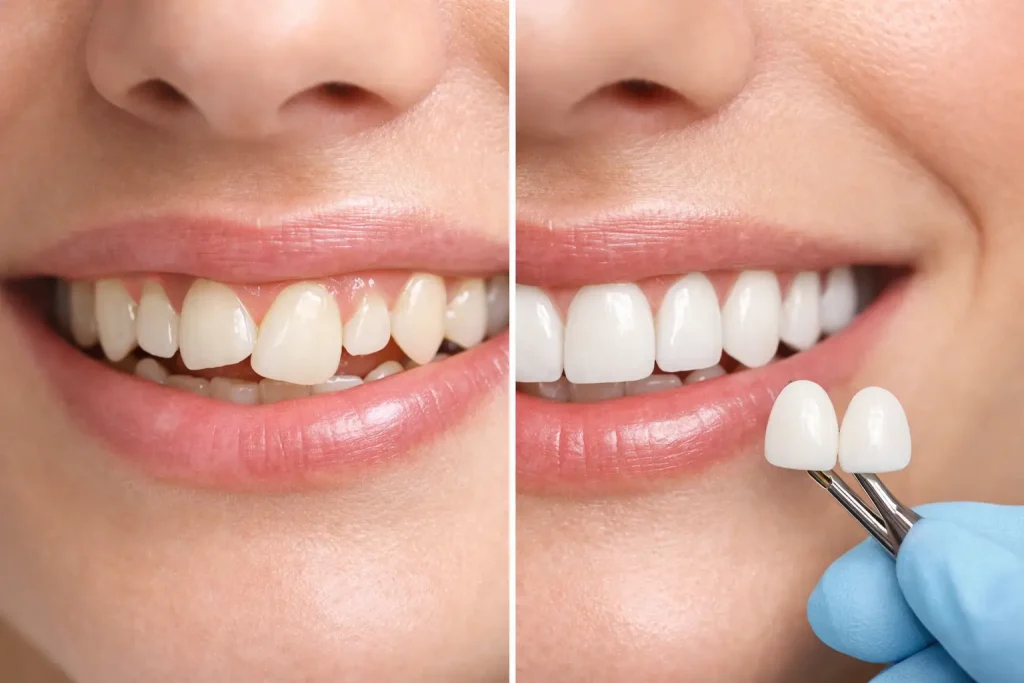
Before and after when is a 3d dental ct scan needed? results
Situations where a 3D dental CT scan is often recommended
One of the most common reasons for a 3D scan is dental implant planning. If you are replacing a missing tooth, or several teeth, your dentist needs to know how much bone is available, where the sinus sits, and how close the implant site is to important nerves. A 2D image can offer clues, but a 3D scan gives measurements and depth. That can be especially valuable in cases involving full-arch treatment, All-on-X, or areas where bone loss has already occurred.
Wisdom teeth are another common reason. Some wisdom teeth sit close to major nerves or are angled in ways that are difficult to judge on a flat image. A 3D scan can show whether the roots wrap near the nerve canal, whether the tooth is trapped in bone, and how the extraction should be approached. That extra visibility can make surgery safer and more predictable.
Root canal treatment can also call for a 3D scan, especially when symptoms do not match what regular X-rays show. If a tooth has unusual anatomy, hidden canals, a root fracture, or a persistent infection, the scan may reveal details that change the treatment plan. In cases like these, better imaging can mean the difference between guessing and knowing.
For patients considering major cosmetic or restorative work, a 3D scan may be part of the planning process when the bite, jaw position, bone support, or gum structure needs a closer look. Smile design is about more than tooth color and shape. Lasting aesthetics depend on strong foundations. If your case involves worn teeth, previous dental work, missing teeth, bite imbalance, or structural concerns, three-dimensional imaging can help build a more complete blueprint.
When do you need a 3D dental CT scan for implants or smile design?
If your treatment is expected to change both function and appearance, the answer is often sooner rather than later. A 3D dental CT scan is commonly used before implants, bone grafting, sinus lifts, and full smile rehabilitation because those treatments rely on exact positioning.
This matters for cosmetic patients too. You may come in focused on a brighter, more balanced smile, but if there is hidden bone loss, root damage, or uneven support beneath the teeth, your dentist needs to know t
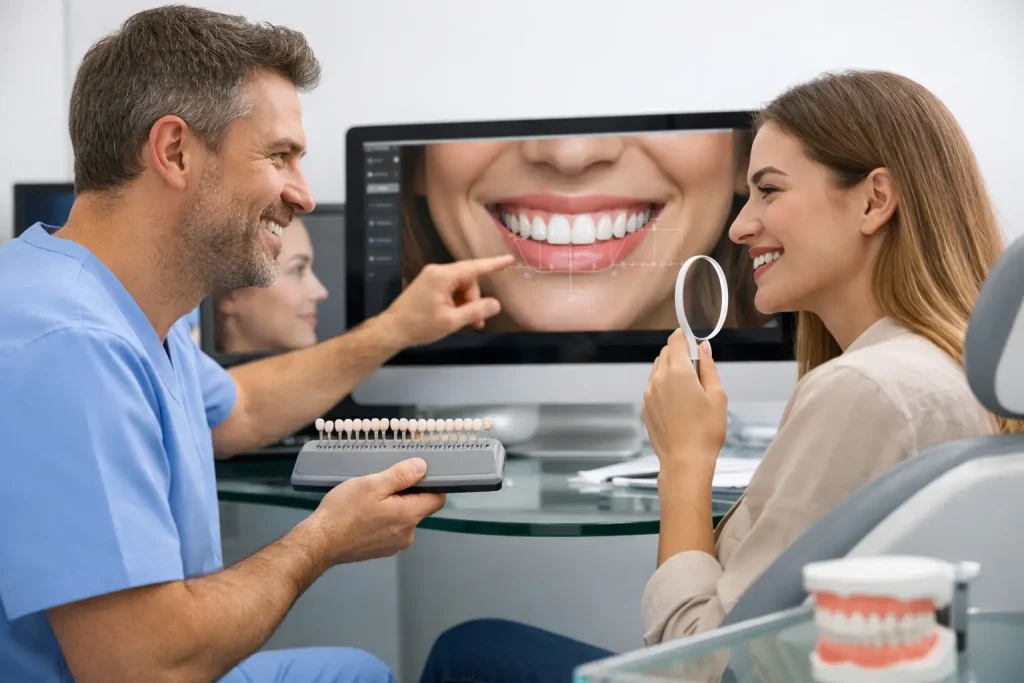
Patient consulting with dentist about when do you need a 3d dental ct scan
hat before placing veneers, crowns, or implant restorations. A beautiful smile should not only look right in photos. It should also feel stable, balanced, and designed to last.
In other words, the scan is not only about spotting problems. It is also about protecting your investment. If you are committing to a high-impact transformation, precision matters.
What a 3D scan can show that standard X-rays may miss
Traditional dental X-rays are useful, but they flatten a three-dimensional structure into a two-dimensional image. That can limit how much detail your dentist can see in certain cases.
A 3D dental CT scan can show the width and height of bone, the exact location of nerves, the relationship between roots and sinuses, impacted teeth, cysts, infections, fractures, and some forms of bone deterioration. It can also help evaluate the jaw joints and airway in selected situations.
This does not mean standard X-rays are outdated. They are still the first line for many diagnoses. But when precision has a direct effect on surgery, restoration, or outcome planning, the added detail of a 3D image can be a major advantage.
Does everyone need one before co
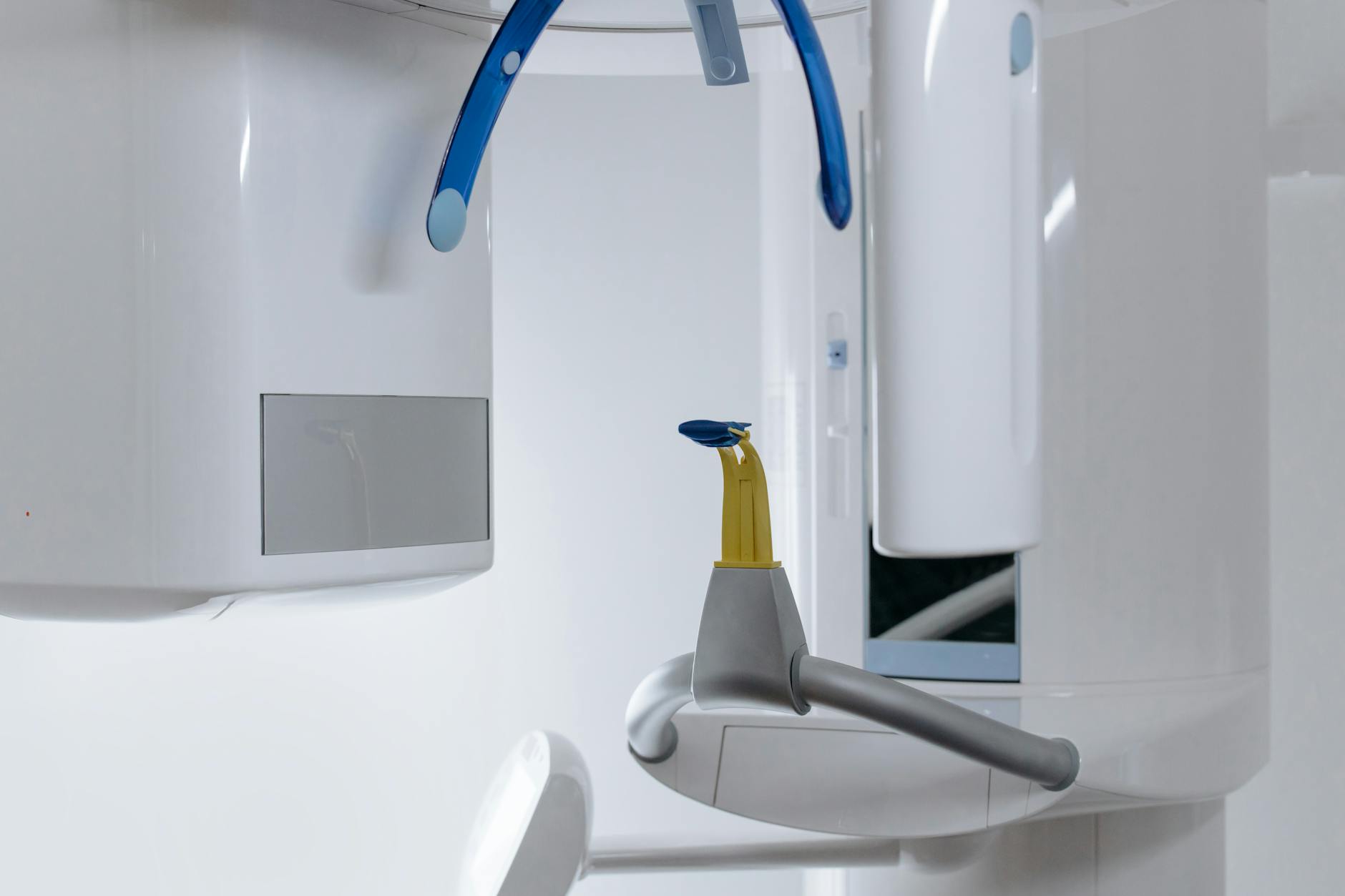
Modern dental technology used for when do you need a 3d dental ct scan treatment
smetic dentistry?
No, and that is an important point. If you are getting straightforward whitening, a minor bonding touch-up, or a simple cosmetic consultation, a 3D scan may not be necessary. The need depends on your oral health, your bite, your treatment goals, and whether there are deeper structural questions that cannot be answered with photos, an exam, and standard imaging.
For example, a patient interested in veneers may not need a CT scan if the teeth are healthy, the gums are stable, and the bite is well understood. But if that same patient also has missing teeth, a history of grinding, uneven gum levels, old crowns, jaw discomfort, or signs of bone loss, the dentist may recommend more advanced imaging before finalizing the plan.
That is why personalized evaluation matters. Two people can want the same cosmetic result and need very different diagnostics to get there.
Is a 3D dental CT scan safe?
Patients often ask this, and understandably so. A 3D dental CT scan does involv
Confident smile after when do you need a 3d dental ct scan treatment at Smile Dental Center
e radiation, but dental cone beam CT technology is designed to use a focused dose for targeted imaging. The amount depends on the machine, the area being scanned, and the reason for the scan.
The key is appropriateness. Dentists do not recommend 3D imaging casually. It is used when the clinical benefit outweighs the exposure and when the information gained is likely to improve diagnosis or treatment planning. If your dentist suggests one, it should be because the scan can help guide a safer or more accurate result.
If you are unsure, ask why it is being recommended for your case specifically. A good dental team should be able to explain what they are looking for and how the scan affects your treatment decisions.
What to expect during the appointment
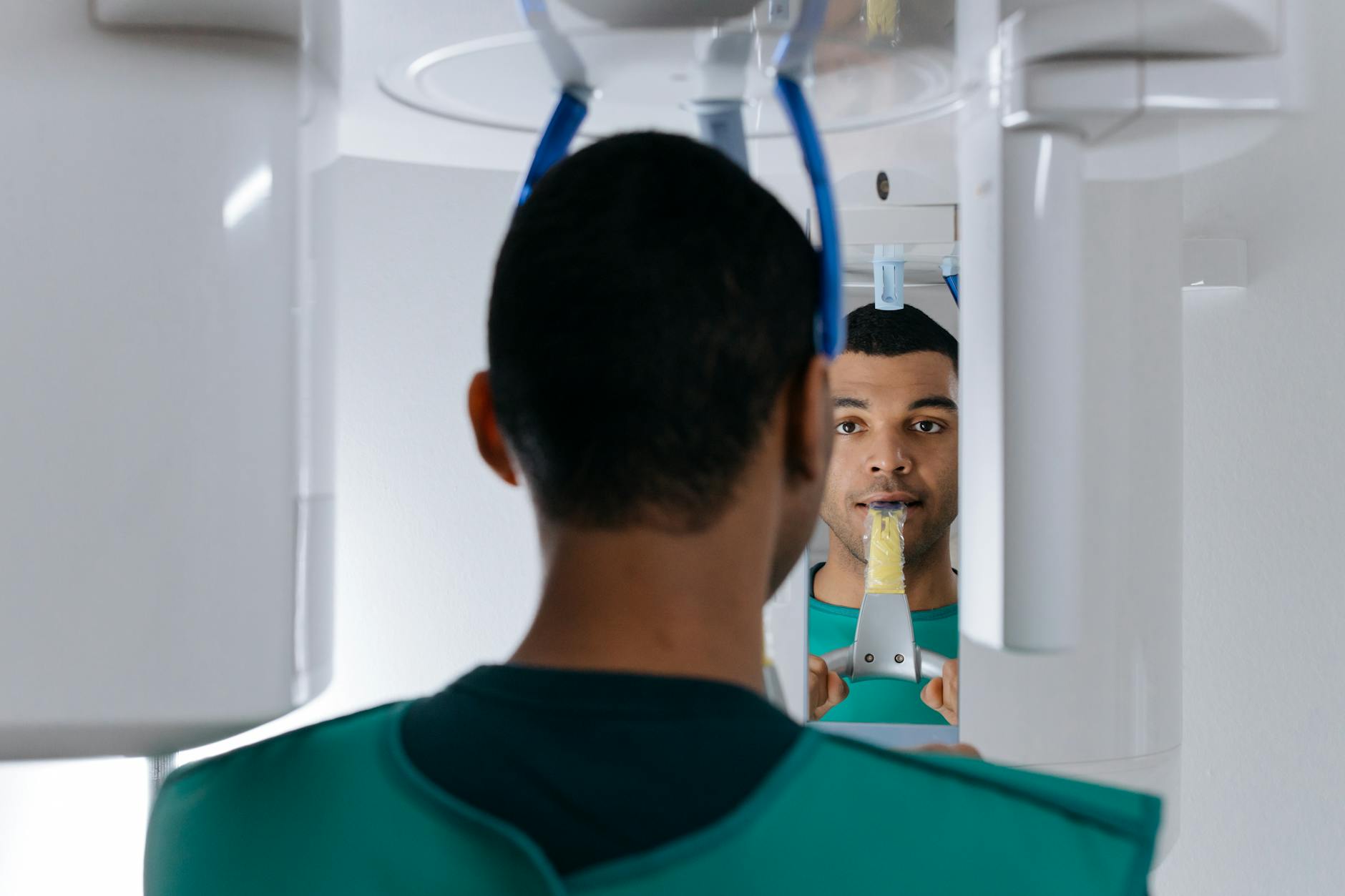
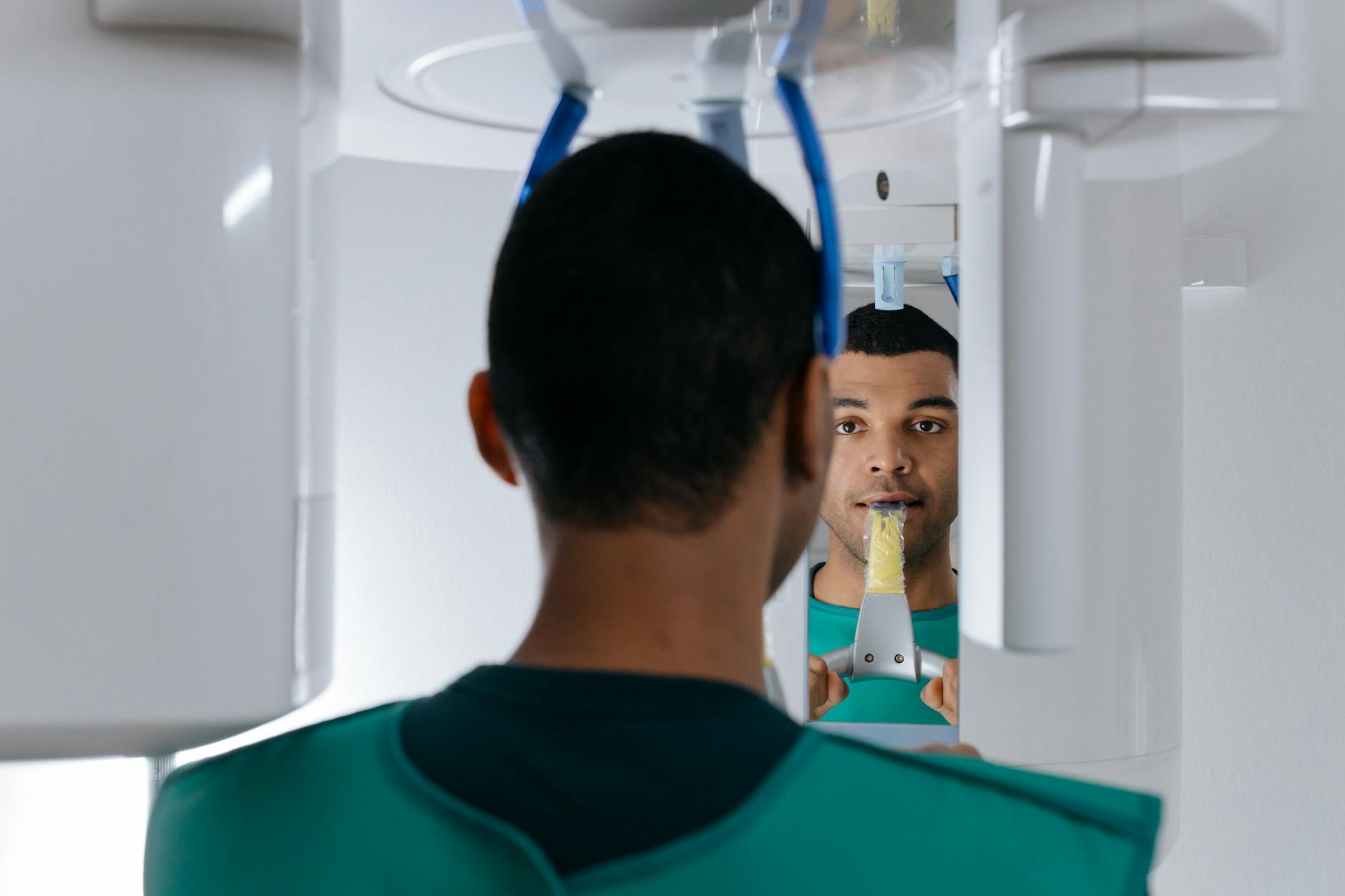
The scan itself is quick and simple. In most cases, you stand or sit still while the machine rotates around your head for a short period. There is no cutting, no recovery time, and no discomfort. You may be asked to remove earrings, glasses, or other metal items first.
What matters more than the scan itself is what happens after. The value comes from interpretation. Your dentist uses the images to study your anatomy, confirm the diagnosis, and plan next steps with more confidence. For patients who want efficient treatment and fewer surprises along the way, that clarity is a big advantage.
Why advanced imaging matters for confidence and results
When you are investing in your smile, guesswork is not the standard you want. Whether the goal is replacing teeth, fixing pain, removing impacted wisdom teeth, or creating a more polished and camera-ready smile, better information leads to better planning.
That does not mean everyone needs the most advanced scan available. It means your diagnostic approach should match your case. Sometimes a simple X-ray is perfect. Sometimes a 3D view is what helps your dentist protect nerves, assess bone, and map out the treatment that gets you to the best result.
At Smile Dental Center Group, advanced imaging is part of creating treatment plans that are not only efficient, but tailored for long-term function and aesthetics. If you are considering implants, oral surgery, or a more complex smile transformation, asking whether 3D imaging is right for your case is a smart next move.
The best smile plans start with seeing the full picture, because confidence looks even better when it is built on precision.
This website uses cookies to improve your experience. We'll assume you're ok with this, but you can opt-out if you wish. Cookie settingsACCEPT
Privacy & Cookies Policy
Privacy Overview
This website uses cookies to improve your experience while you navigate through the website. Out of these cookies, the cookies that are categorized as necessary are stored on your browser as they are essential for the working of basic functionalities of the website. We also use third-party cookies that help us analyze and understand how you use this website. These cookies will be stored in your browser only with your consent. You also have the option to opt-out of these cookies. But opting out of some of these cookies may have an effect on your browsing experience.
Necessary cookies are absolutely essential for the website to function properly. This category only includes cookies that ensures basic functionalities and security features of the website. These cookies do not store any personal information.
Any cookies that may not be particularly necessary for the website to function and is used specifically to collect user personal data via analytics, ads, other embedded contents are termed as non-necessary cookies. It is mandatory to procure user consent prior to running these cookies on your website.