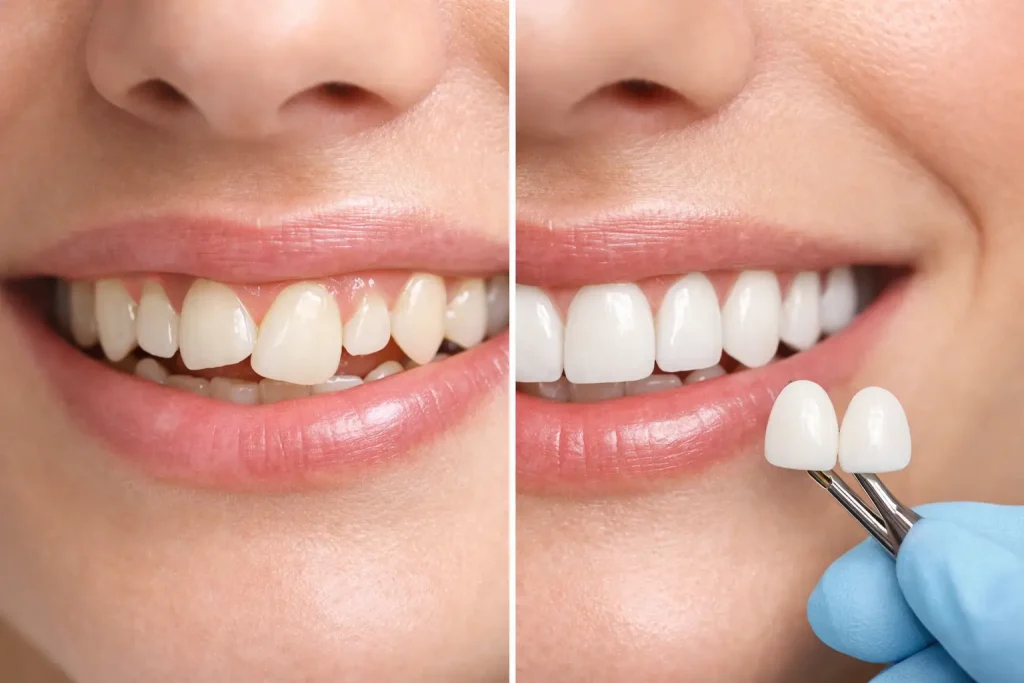


Dental implant failure signs include persistent pain, implant mobility, gum recession, and swelling around the implant site. While dental implants have a success rate above 95%, recognizing early warning signs can mean the difference between saving your implant and needing a full replacement. This guide covers the 7 red flags every implant patient should know.
Key Takeaways
- Dental implant failure occurs in 3–5% of cases, most often within the first year
- The 7 warning signs include pain, mobility, swelling, gum recession, difficulty chewing, bad taste, and sinus issues
- Early detection significantly improves the chances of saving a failing implant
- 3D CT/CBCT imaging can detect bone loss before symptoms become severe
Understanding Dental Implant Failure
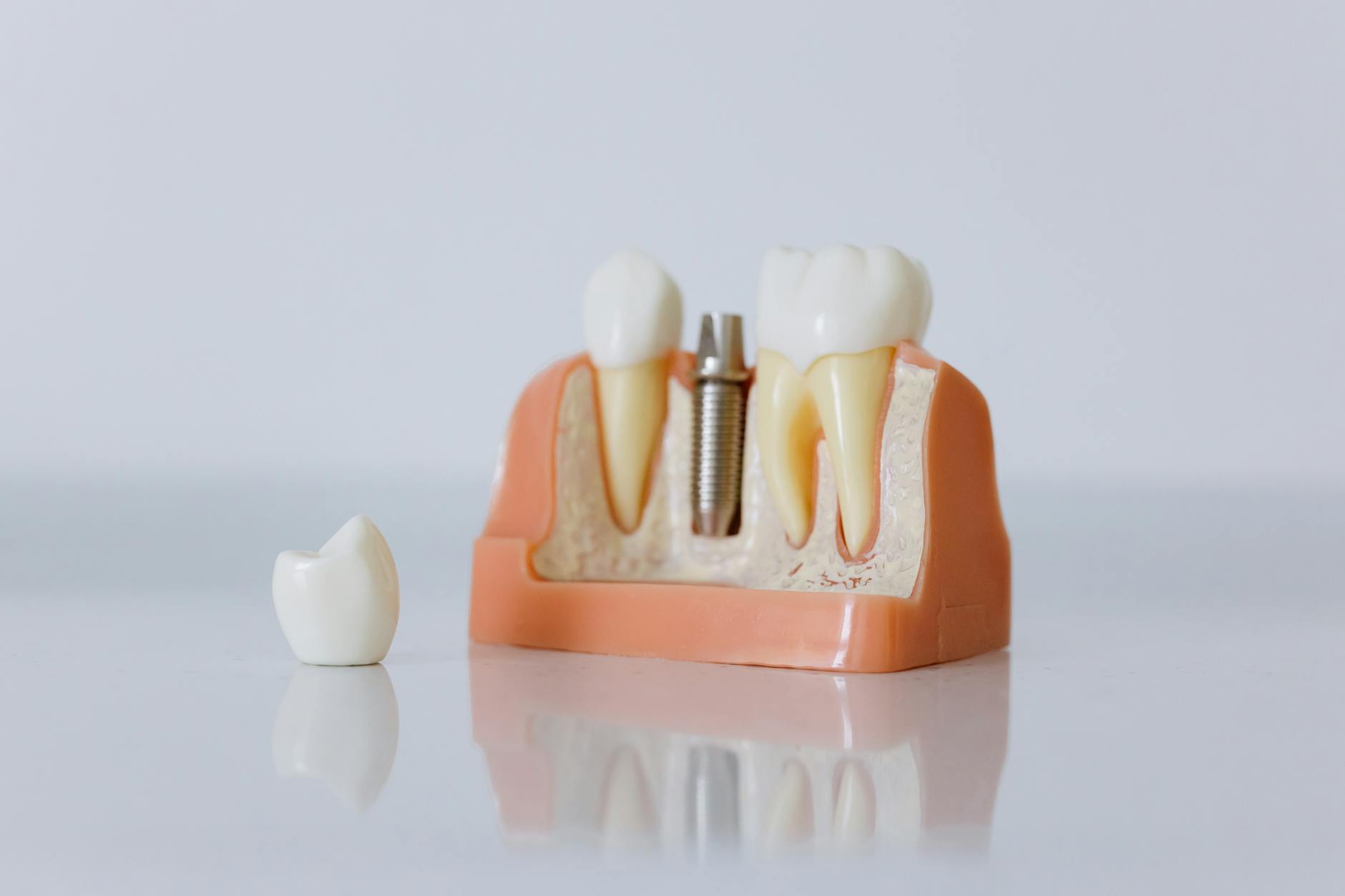
Dental implant failure happens when an implant does not integrate properly with the jawbone or loses its stability after successful placement. According to research published in the Journal of Oral Implantology, the overall failure rate for dental implants ranges from 3% to 5%, making them one of the most reliable tooth replacement options available.
However, that 3–5% still represents thousands of patients each year who experience complications. Understanding what dental implant failure looks like — and catching it early — gives you the best chance of a successful outcome.
There are two main categories of failure:
- Early failure — occurs before the implant fully integrates with bone (within 3–6 months)
- Late failure — occurs after successful osseointegration, sometimes years later
Both types produce distinct warning signs. If you recently received dental implants in Miami, knowing these signs ensures you can act quickly if something feels wrong.
7 Warning Signs Your Dental Implant May Be Failing
If you notice any of the following dental implant failure signs, contact your implant dentist immediately. Early intervention is critical.
1. Persistent or Worsening Pain
Some discomfort after implant surgery is normal and typically resolves within 7–10 days. However, pain that persists beyond two weeks, returns after initially subsiding, or intensifies over time is a red flag. This may indicate infection, nerve damage, or failed osseointegration.
When to worry: Sharp, throbbing, or radiating pain that does not respond to over-the-counter pain medication, especially if it appears weeks or months after surgery.
2. Implant Mobility or Looseness
A properly integrated dental implant should feel as stable as a natural tooth. Any degree of movement — even slight wiggling — is one of the clearest signs of dental implant failure. Implant mobility typically means the titanium post has not bonded with the surrounding bone, a condition known as failed osseointegration.
When to worry: If you can feel the implant shift when you press on it with your tongue or finger, seek evaluation immediately.
3. Swelling and Inflammation That Won’t Resolve
Post-surgical swelling normally peaks at 48–72 hours and resolves within a week. Swelling that persists beyond 10–14 days, or new swelling that appears months after placement, may indicate peri-implantitis — a bacterial infection of the tissue surrounding the implant.
Peri-implantitis affects approximately 22% of implant patients to some degree, according to a 2023 meta-analysis in the Journal of Clinical Periodontology. Left untreated, it leads to progressive bone loss around the implant.
4. Gum Recession Around the Implant
If the gum tissue around your implant begins to pull back, exposing the metal abutment or implant threads, this signals underlying bone loss. Gum recession around an implant often indicates peri-implantitis or improper implant positioning.
When to worry: Visible metal at the gum line, a longer-looking tooth, or gum tissue that appears red and puffy around the implant.
5. Difficulty Chewing or Biting
Your implant should function like a natural tooth. If you experience pain, instability, or an unusual sensation when biting down, something may be wrong. This could indicate a loose implant, a fractured abutment, or bone deterioration beneath the implant surface.
6. Persistent Bad Taste or Odor
A metallic taste, chronic bad breath, or an unpleasant odor coming from the implant site often signals bacterial infection. This is one of the more subtle dental implant rejection symptoms that patients tend to overlook. Infection around an implant can develop slowly, making it easy to dismiss in its early stages.
7. Sinus Issues (Upper Jaw Implants)
For implants placed in the upper jaw, sinus problems such as congestion, pressure, or a runny nose can indicate that the implant has migrated into or is pressing against the sinus cavity. This complication, while uncommon, requires prompt attention. Patients who have undergone a bone graft or sinus lift should be especially aware of this sign.

Early vs. Late Implant Failure: Key Differences
Understanding whether you’re dealing with early or late failure helps your dentist determine the best course of action.
| Factor | Early Failure | Late Failure |
|---|---|---|
| Timing | Within 3–6 months | After 1+ years |
| Main cause | Failed osseointegration | Peri-implantitis, overload |
| Key symptoms | Mobility, pain, no healing | Gum recession, bone loss |
| Frequency | ~2% of placements | ~3% over 10 years |
| Salvageable? | Often requires removal + redo | Often treatable if caught early |
What Causes Dental Implant Failure?
Several factors can contribute to failed dental implant symptoms. Understanding the causes helps you minimize your risk.
Infection (Peri-implantitis)
The most common cause of late implant failure. Bacteria accumulate around the implant, causing inflammation that progressively destroys the supporting bone. Risk factors include poor oral hygiene, smoking, and a history of gum disease.
Insufficient Bone Density
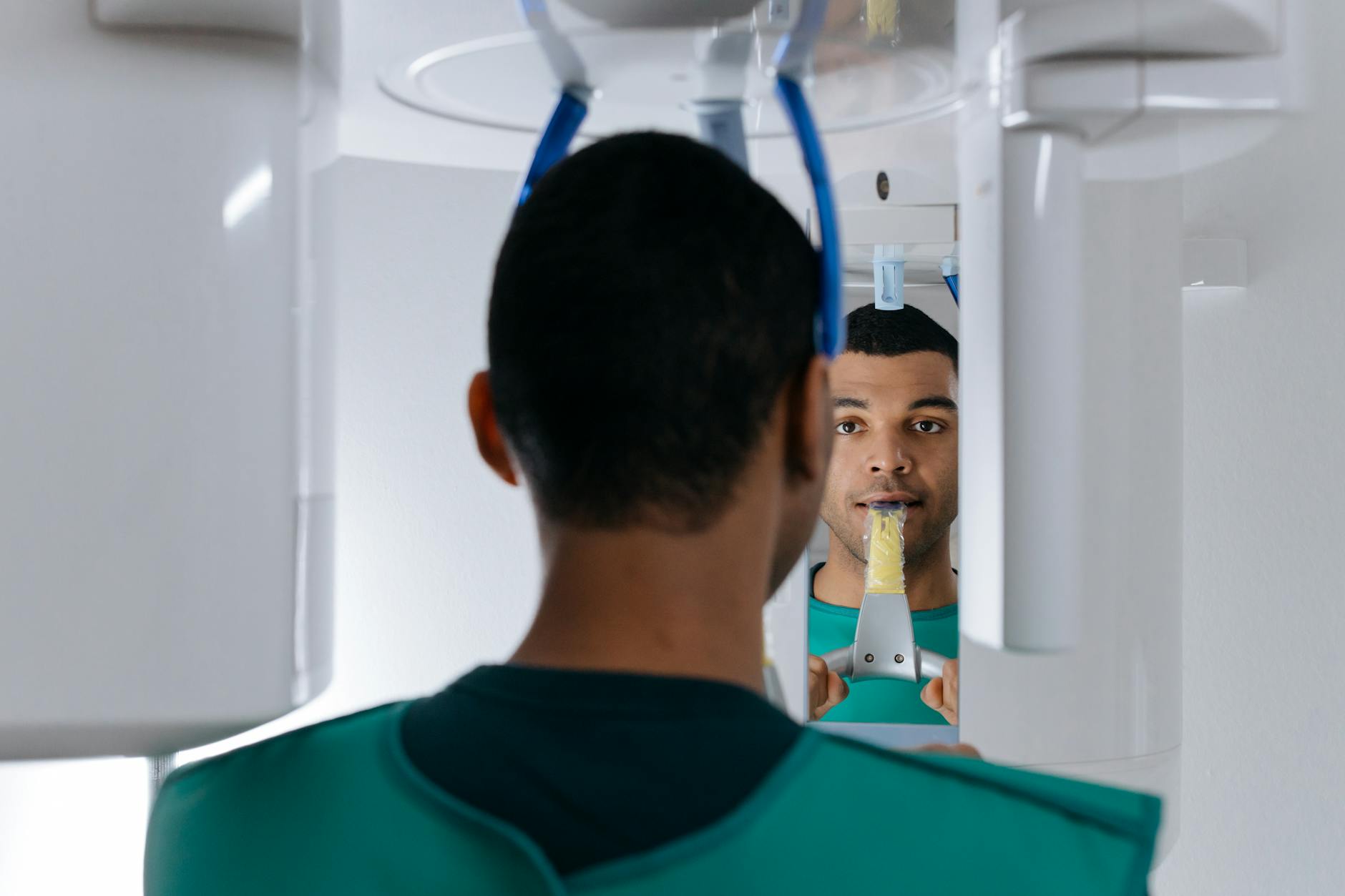
Implants need adequate bone volume and density to integrate successfully. Patients with significant bone loss may require a bone graft before implant placement. At Smile Dental Center, we use 3D CT/CBCT imaging to assess bone quality before any implant procedure, significantly reducing this risk.
Smoking
Research in the International Journal of Oral & Maxillofacial Implants shows that smokers face implant failure rates 2–3 times higher than non-smokers. Smoking restricts blood flow to the surgical site, impairing healing and osseointegration.
Mechanical Overload
Excessive force on an implant — from teeth grinding (bruxism), a misaligned bite, or premature loading — can prevent integration or cause late failure. This is particularly relevant for patients considering full-arch solutions like All-on-4, where bite calibration is critical.
Medical Conditions
Uncontrolled diabetes, autoimmune disorders, and certain medications (bisphosphonates, immunosuppressants) can impair bone healing and increase failure risk.
Can a Failing Implant Be Saved?
Yes — in many cases, a failing implant can be treated successfully if caught early enough. Treatment options depend on the type and severity of failure:
- Non-surgical debridement: Professional cleaning around the implant to remove bacteria and infected tissue. Effective for mild peri-implantitis.
- Antibiotic therapy: Targeted antibiotics to control infection, often combined with debridement.
- Bone grafting: If bone loss is moderate, grafting material can be placed to regenerate lost bone. Learn more about bone graft recovery timelines.
- Implant removal and replacement: If the implant cannot be saved, it is removed, the site is allowed to heal (typically 3–6 months), and a new implant is placed.
The key factor is timing. Patients who seek evaluation at the first sign of trouble have significantly better outcomes than those who wait.
Dental Implant Success Rate: The Real Numbers
Despite the warning signs discussed above, dental implants remain the gold standard for tooth replacement. Here are the numbers:
- Overall success rate: 95–97% over 10 years (per the American Academy of Implant Dentistry)
- 5-year survival rate: 97.2% (2022 systematic review, Clinical Oral Implants Research)
- Failure rate in non-smokers with good oral health: Less than 2%
- Success rate with 3D-guided placement: Up to 98.8%, thanks to precise positioning and depth control
At Smile Dental Center, our use of advanced 3D CT/CBCT scanning and digital planning contributes to a success rate above 95% across all dental implant procedures.

How to Prevent Implant Failure
Prevention starts before surgery and continues for the life of your implant. Follow these evidence-based practices:
- Choose an experienced implant dentist. Surgeon skill is the single biggest factor in implant success. Look for a dentist who uses 3D imaging and has placed hundreds of implants.
- Quit smoking. Stop at least 2 weeks before surgery and abstain during the healing period (ideally, permanently).
- Maintain rigorous oral hygiene. Brush twice daily, floss around the implant, and use an antimicrobial rinse as directed.
- Attend regular check-ups. Professional cleanings every 6 months allow your dentist to catch problems before they become serious.
- Wear a night guard if you grind your teeth. Bruxism is a leading cause of mechanical implant failure.
- Manage systemic health conditions. Keep diabetes, autoimmune conditions, and other health issues well-controlled.
- Follow post-surgical instructions carefully. Avoid hard foods, excessive exercise, and smoking during the healing phase.
Frequently Asked Questions
How do I know if my dental implant is failing?
The most common signs include persistent pain beyond two weeks post-surgery, any degree of implant mobility, swelling or redness around the implant site, gum recession exposing metal components, and a persistent bad taste or odor. If you notice any of these symptoms, contact your implant dentist for an evaluation.
What is the most common cause of dental implant failure?
Peri-implantitis — a bacterial infection of the tissue surrounding the implant — is the leading cause of late implant failure. For early failure, the most common cause is the implant not integrating with the jawbone (failed osseointegration), often due to insufficient bone density, infection, or smoking.
Can a failing dental implant be saved?
In many cases, yes. If caught early, treatments like professional debridement, antibiotic therapy, and bone grafting can reverse peri-implantitis and stabilize the implant. However, if the implant has become fully mobile, removal and eventual replacement is usually necessary.
What is the failure rate of dental implants?
Dental implants have a success rate of 95–97% over 10 years. The failure rate is approximately 3–5%, with higher risk among smokers (2–3 times the average rate) and patients with uncontrolled diabetes or poor oral hygiene. Advanced techniques like 3D-guided placement push success rates above 98%.
How long after dental implant surgery can failure occur?
Failure can occur at any point. Early failure typically happens within the first 3–6 months before the implant integrates with bone. Late failure can occur years or even decades after placement, usually due to peri-implantitis, mechanical overload from teeth grinding, or changes in overall health.
Concerned About Your Dental Implant?
If you’re experiencing any of these warning signs, early evaluation is critical. At Smile Dental Center in Miami, we use 3D CT imaging to assess implant health and develop targeted treatment plans.
Contact us on WhatsApp or call (786) 560-7567 to schedule your implant evaluation.