

Dental implant pain is one of the most common concerns for patients considering implant surgery. The reality? Most patients rate the discomfort between 2 and 4 on a 10-point scale — comparable to a tooth extraction. With modern anesthesia and sedation options, the procedure itself is virtually painless. This guide breaks down exactly what to expect before, during, and after dental implant surgery.
Key Takeaways
- Most patients rate dental implant pain 2–4 out of 10 during recovery
- The surgery itself is painless under local anesthesia or sedation
- Peak discomfort occurs 24–72 hours post-surgery and fades within 7–10 days
- Pain beyond 2 weeks or sudden worsening may indicate a complication
Does Getting a Dental Implant Hurt?
The short answer: the procedure itself does not hurt. Dental implant surgery is performed under local anesthesia, which completely numbs the surgical area. Many patients at Smile Dental Center also opt for conscious sedation, which reduces anxiety and creates a relaxed, comfortable experience.
What you will feel during surgery is pressure — similar to what you’d experience during a tooth extraction. There is no sharp pain. The entire placement of a single implant typically takes 30–60 minutes, and many patients are surprised by how straightforward the process is.
The discomfort you hear about primarily relates to the recovery period after the anesthesia wears off. This is manageable with proper pain management and realistic expectations.
What to Expect During Implant Surgery
Understanding the surgical process helps reduce anxiety. Here is what happens during a standard dental implant procedure in Miami:
- Anesthesia administration — Local anesthetic is injected to numb the area. Sedation options (oral or IV) are available for anxious patients.
- Incision and flap — A small incision is made in the gum tissue to expose the jawbone.
- Osteotomy (drilling) — A precise hole is drilled into the bone using 3D-guided positioning. At Smile Dental Center, CT/CBCT imaging ensures millimeter-level accuracy.
- Implant placement — The titanium post is inserted into the prepared site and secured.
- Closure — The gum tissue is sutured closed over or around the implant.
What you feel: Vibration and pressure during drilling. No pain. Most patients describe it as less uncomfortable than they expected.

Day-by-Day Pain and Recovery Timeline
Knowing what’s normal — and what’s not — at each stage of recovery helps you recover with confidence.
Day 1: Surgery Day
Once anesthesia wears off (2–4 hours post-surgery), you’ll begin to feel soreness at the implant site. This is the transition from numbness to mild throbbing pain. Start your prescribed pain medication before the numbness fully fades for the best results. Apply ice packs in 20-minute intervals to manage swelling.
Pain level: 3–5 out of 10
Days 2–3: Peak Discomfort
Swelling and discomfort typically peak at 48–72 hours. This is normal. You may notice bruising on the cheek or jaw, and the surgical site will feel tender. Stay on your pain management schedule and continue using ice.
Pain level: 3–4 out of 10
Days 4–7: Steady Improvement
Most patients notice significant improvement by day 4. Swelling begins to subside, and many patients can reduce or stop pain medication. Soft foods are still recommended, but daily activities can resume.
Pain level: 1–3 out of 10
Days 7–14: Near Normal
By the end of the second week, the majority of patients feel minimal to no discomfort. Sutures dissolve or are removed. The implant site continues healing internally as osseointegration begins.
Pain level: 0–1 out of 10
Weeks 3–16: Osseointegration Phase
You should feel no pain during this period. The implant is quietly integrating with your jawbone. If new pain or discomfort appears during this phase, it may be a sign of implant failure and should be evaluated immediately.
Dental Implant Pain Scale: What Patients Rate It
Based on published surveys and clinical data from the Journal of Oral and Maxillofacial Surgery (2021), here is how patients rate their implant experience:
| Procedure | Average Pain (1–10) | Duration |
|---|---|---|
| Single implant placement | 2.4 | 5–7 days |
| Multiple implants (2–3) | 3.2 | 7–10 days |
| All-on-4 full arch | 4.1 | 10–14 days |
| Implant with bone graft | 3.8 | 10–14 days |
| Simple tooth extraction (comparison) | 2.8 | 3–5 days |
As the data shows, a single dental implant is often rated as less painful than a tooth extraction. The procedures involving more extensive surgery (All-on-4, bone graft) naturally produce more post-operative discomfort, but still remain well within manageable levels.

How to Manage Pain After Dental Implant Surgery
Effective pain management combines medication, home care, and common sense. Here are the strategies that work best:
Medication
- Ibuprofen (Advil) 600mg every 6–8 hours is the first-line recommendation for most patients. It reduces both pain and inflammation.
- Acetaminophen (Tylenol) can be alternated with ibuprofen for additional relief.
- Prescription pain medication is occasionally provided for complex cases but is rarely needed beyond 48 hours.
Pro tip: Take your first dose of ibuprofen before the anesthesia wears off. Staying ahead of the pain is far more effective than chasing it.
Home Care
- Ice packs: Apply to the cheek for 20 minutes on, 20 minutes off during the first 48 hours.
- Soft diet: Stick to smoothies, yogurt, mashed potatoes, and soups for 5–7 days. Avoid hot, spicy, crunchy, or hard foods.
- Salt water rinse: Gently rinse with warm salt water starting 24 hours after surgery. Do not use mouthwash containing alcohol.
- Elevated sleeping: Sleep with your head propped up on 2–3 pillows to reduce swelling.
- No smoking: Smoking dramatically slows healing and increases the risk of complications. Avoid for a minimum of 2 weeks — ideally longer.
When to Call Your Dentist: Warning Signs
While some discomfort is normal, certain symptoms indicate a problem that needs professional attention. Contact your dentist if you experience:
- Pain that worsens after day 3 instead of improving
- Pain that returns after a pain-free period
- Swelling that increases after 72 hours
- Fever above 101°F (38.3°C)
- Pus or discharge from the implant site
- Numbness or tingling that persists beyond 24 hours (possible nerve involvement)
- The implant feels loose or mobile
- Uncontrolled bleeding that doesn’t stop with gauze pressure
These may be early dental implant failure signs. Prompt evaluation gives you the best chance of a positive outcome. Learn more about bone loss after tooth extraction and why timely intervention matters.
Why Modern Implant Surgery Is Less Painful Than You Think
Dental implant technology has advanced significantly over the past decade. Several innovations have made the procedure faster, more precise, and less painful:
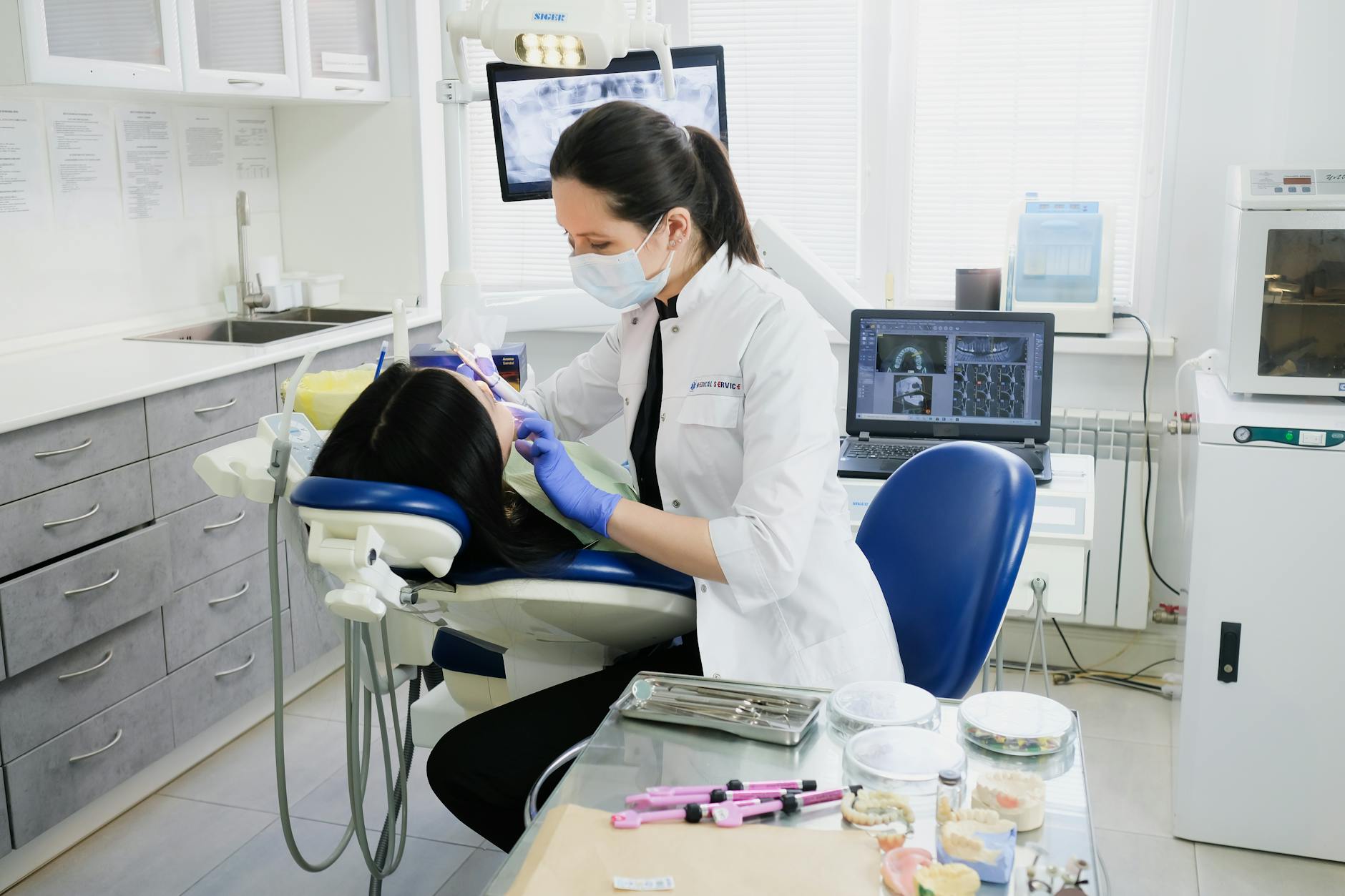
- 3D CT/CBCT imaging: Allows the surgeon to plan the exact angle, depth, and position of each implant before surgery, minimizing unnecessary drilling and tissue disruption.
- Computer-guided surgery: Surgical guides created from 3D scans ensure the implant is placed exactly as planned, reducing surgical time and tissue trauma.
- Improved implant surface technology: Modern titanium implant surfaces are treated to accelerate osseointegration, reducing healing time from 6 months to as little as 8–12 weeks.
- Minimally invasive techniques: Flapless surgery (placing the implant through a small punch in the gum rather than a full incision) is possible in many cases, significantly reducing post-operative pain.
At Smile Dental Center, every implant case begins with comprehensive 3D imaging and digital planning — the foundation for precise, comfortable implant placement.

Frequently Asked Questions
How long does dental implant pain last?
Most patients experience noticeable discomfort for 5–7 days after a single implant placement. Peak pain occurs during the first 48–72 hours and steadily decreases. By 10–14 days, the majority of patients report little to no pain. More complex procedures like All-on-4 or bone grafts may involve 10–14 days of recovery.
Is dental implant surgery very painful?
No. The surgery itself is performed under local anesthesia, so you feel no pain — only pressure and vibration. Sedation options are available for patients with dental anxiety. Most patients say the procedure was far less uncomfortable than they anticipated, often comparing it to a routine tooth extraction.
What is the most painful part of getting a dental implant?
The most uncomfortable phase is typically the first 48–72 hours after surgery, when swelling peaks. The surgery itself is painless. The anesthetic injection may cause a brief pinch. After that, recovery discomfort is well-controlled with over-the-counter ibuprofen for most patients.
What does dental implant pain feel like?
Post-surgical implant pain is typically described as a dull, throbbing ache at the surgical site — similar to a tooth extraction. Some patients also experience jaw stiffness, mild bruising, and general tenderness when opening the mouth wide. Sharp or shooting pain is not normal and should be reported to your dentist.
How do you sleep after dental implant surgery?
Sleep with your head elevated on 2–3 pillows for the first 3–5 nights to reduce swelling and blood pressure at the surgical site. Avoid sleeping on the side of the implant. Some patients find a recliner more comfortable than a bed during the first few nights. Take your last pain dose of the day 30 minutes before bed.
Ready for a Pain-Free Implant Experience?
At Smile Dental Center in Miami, we use 3D-guided implant placement and modern sedation options to ensure a comfortable experience from start to finish. Our team will walk you through every step of the process.
Message us on WhatsApp or call (786) 560-7567 to book your free implant consultation.