
If you are planning veneers, implants, a root canal, or even a comprehensive smile makeover, the wrong question is often, “Which X-ray is better?” The better question is, “Which X-ray gives the clearest picture for my specific goals?” That is where the choice between a full mouth series and a panoramic image starts to matter.
When patients compare full mouth x rays vs panoramic x ray, they are usually trying to understand cost, comfort, radiation, or whether one can replace the other. In real dental care, these two imaging options are not rivals. They serve different purposes, and the best results come from using the right one at the right time.
Full mouth x rays vs panoramic x ray: what is the difference?
A full mouth series is a set of smaller X-rays taken inside the mouth. These images usually include bitewings and periapical views, which means your dentist can look closely at each tooth, its roots, and the surrounding bone. This type of imaging is detailed and precise. If something small is happening, a full mouth series is more likely to catch it.
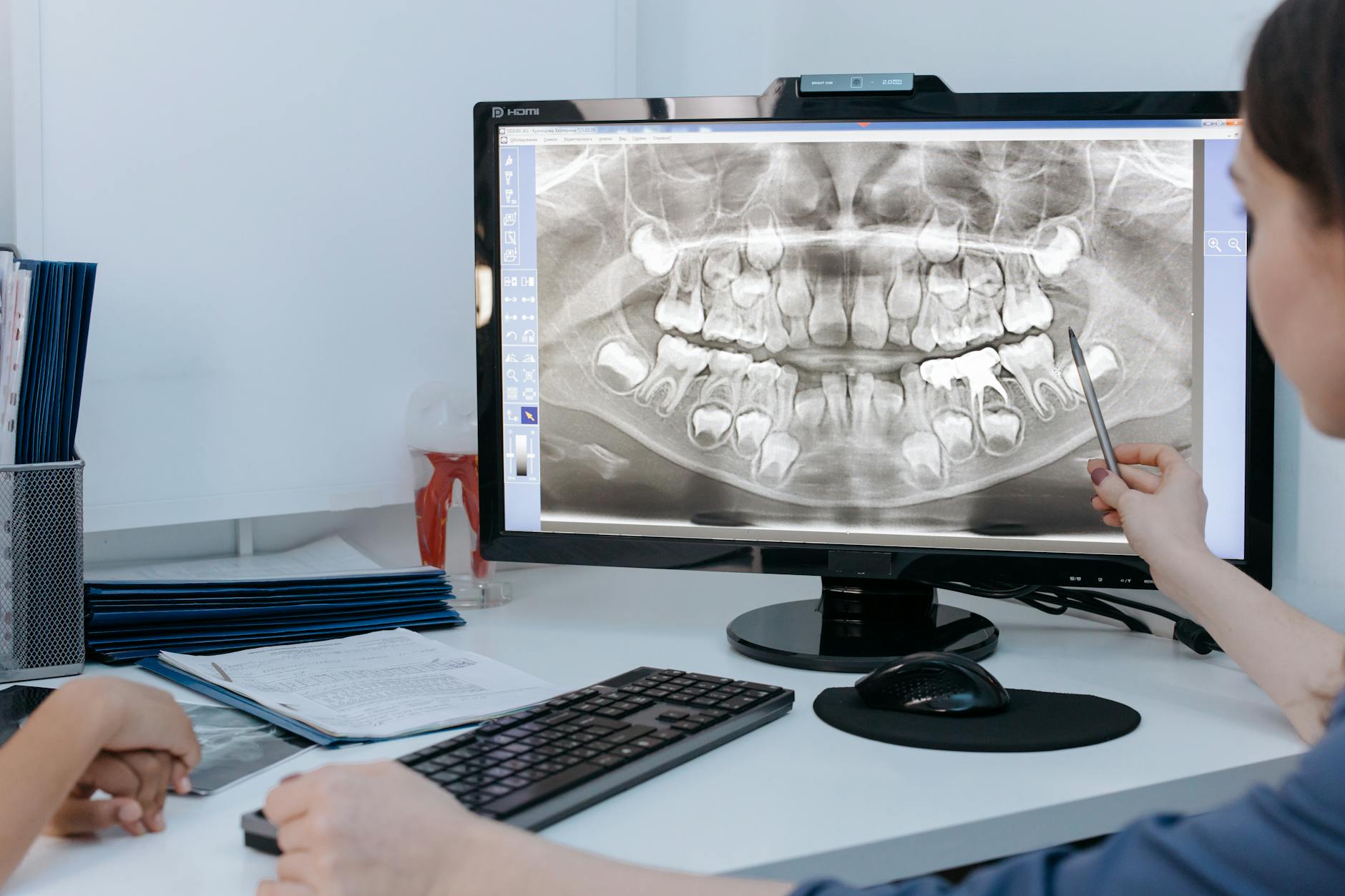
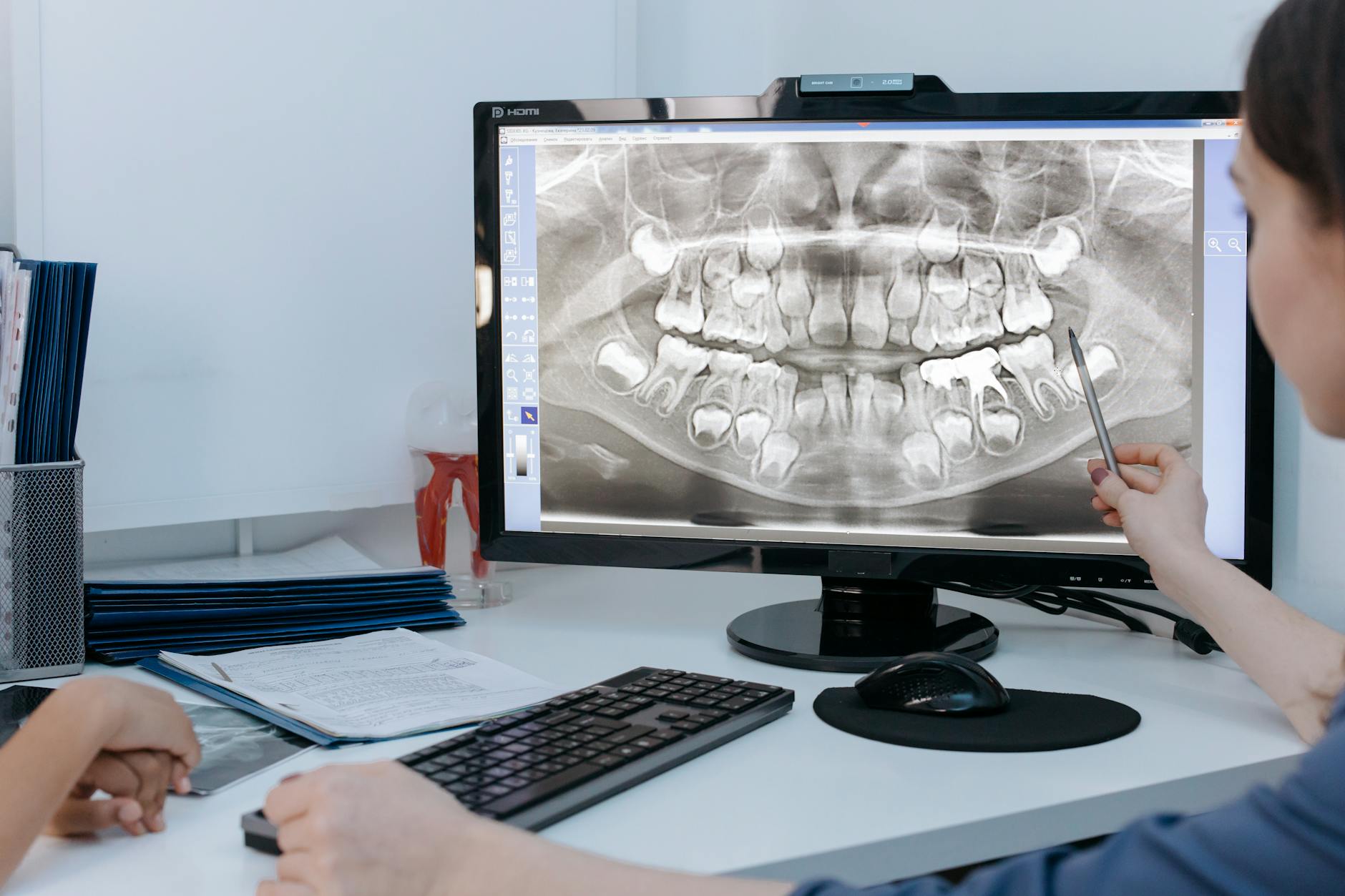
A panoramic X-ray is a single wide image taken from outside the mouth. The machine rotates around your head and captures the teeth, jaws, sinuses, jaw joints, and surrounding structures in one view. It is broad rather than close-up. That makes it extremely useful for seeing the big picture, especially when planning surgery, checking wisdom teeth, or evaluating overall jaw structure.
So the difference is simple. A full mouth series gives detail tooth by tooth. A panoramic image gives a wider view of your whole oral anatomy.
What a full mouth series shows best
If your dentist needs to inspect decay between teeth, evaluate an infection at the root, or track bone loss around individual teeth, a full mouth series usually does the stronger job. These X-rays are ideal when precision matters.
This is often the better choice for diagnosing cavities that do not show up during a visual exam, checking previous dental work, evaluating gum disease in more detail, and assessing pain that seems limited to a specific area. If you need a crown, filling, root canal, or treatment for a suspicious tooth, these images help your dentist work with confidence.
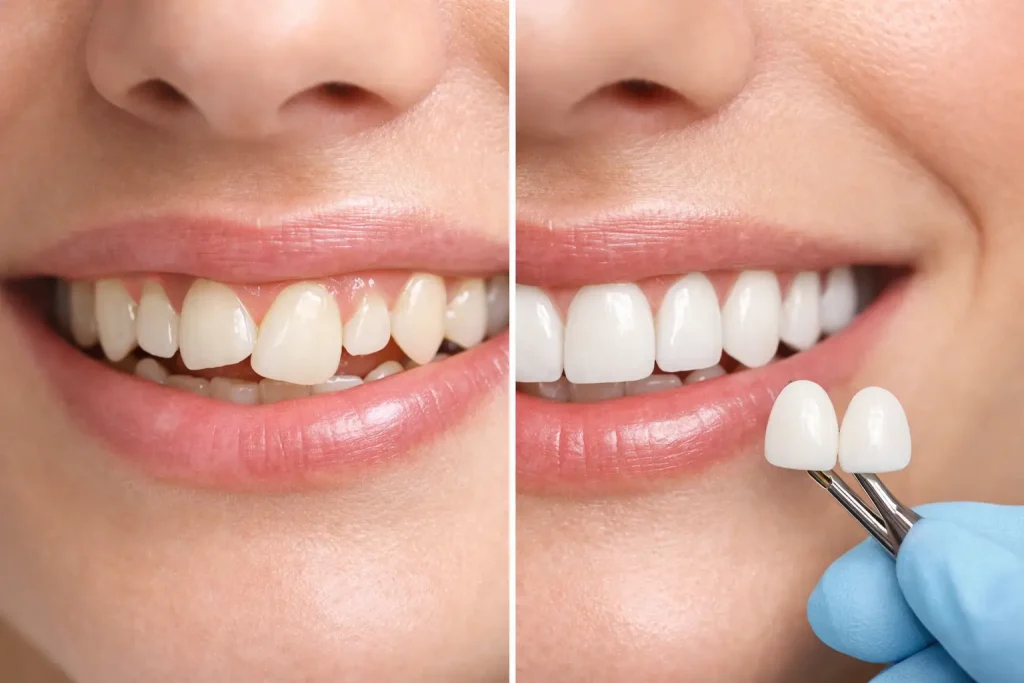
For patients focused on appearance, this matters more than it may seem. Cosmetic dentistry depends on healthy foundations. Before designing the perfect smile, your dentist needs to know whether hidden decay, infection, or bone loss could affect the final result. Beautiful work lasts longer when it starts with accurate diagnostics.
What a panoramic X-ray shows best
A panoramic X-ray shines when your dentist needs to see relationships between structures. It can reveal impacted wisdom teeth, jawbone shape, sinus position, eruption patterns, large cysts, and broader issues involving the jaws or facial bones.
This image is commonly used during oral surgery planning, orthodontic assessment, denture evaluation, and implant screening. It is al

so useful when patients are new to a practice and need a broad overview before more targeted imaging is chosen.
If you are considering implants, extractions, or full-arch treatment, a panoramic X-ray may be one of the first steps because it quickly shows the general landscape. For advanced planning, many cases then move on to 3D CT imaging for even greater accuracy.
Full mouth x rays vs panoramic x ray for cavities and infections
If the goal is finding small cavities or checking the exact condition of a tooth root, full mouth X-rays usually win. Panoramic images are simply not as sharp for tiny detail. They can suggest a problem, but they are not usually the final word on localized decay or a subtle infection.
That is why patients are sometimes surprised when a panoramic image looks fine, yet the dentist still recommends bitewings or periapical X-rays. It is not duplication for the sake of it. It is about seeing what the panoramic image cannot show clearly enough.
In other words, if you have sensitivity, swelling, or a tooth that has been bothering you, the more detailed intraoral views often provide the answers faster.
Which one is better for implants, wisdom teeth, and smile design?
This depends on the case.
For wisdom teeth, a panoramic X-ray is
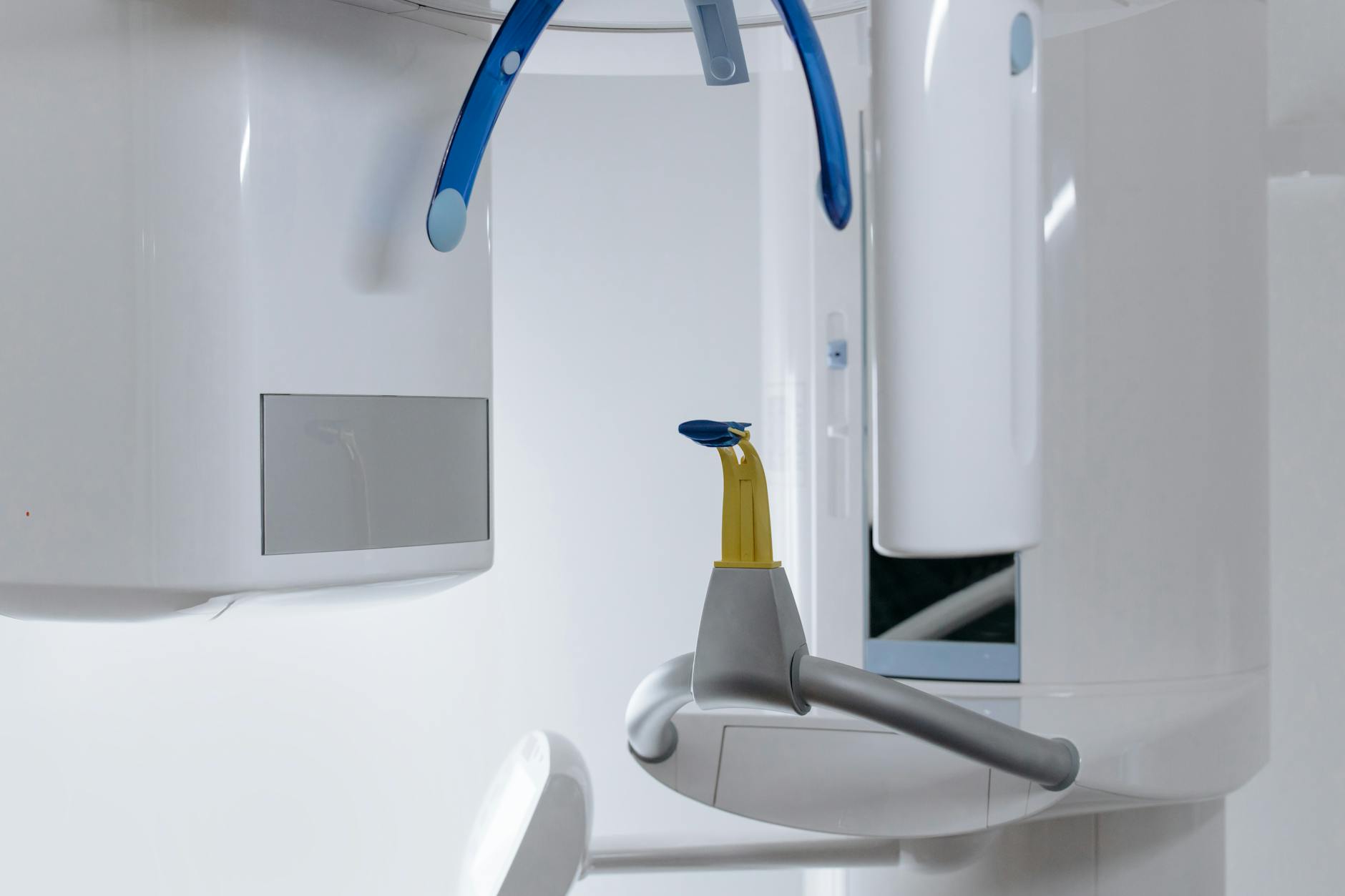
often very helpful because it shows the position of all four teeth in relation to the jaw and nearby anatomy. For implants, a panoramic image can be a good starting point, but it may not be enough by itself. Implant planning often requires more advanced imaging to measure bone depth, width, and location with greater precision.
For smile design, both can play a role. A full mouth series helps confirm the health of teeth that may support veneers, crowns, or other cosmetic work. A panoramic image can help identify larger structural issues that could influence treatment planning. When your goals are aesthetic and functional, the right imaging strategy supports both.
That is the advantage of choosing a practice that handles cosmetic dentistry, general care, and surgical planning under one roof. Your imaging is selected based on the result you want, not based on a one-size-fits-all routine.
What about radiation and comfort?
Patients ask this all the time, and they should. Radiation exposure matters. Modern dental imaging uses low doses, and today’s digital systems are designed to be efficient and safer than older technology. Still, each

type of image has its own profile.
A panoramic X-ray is quick and easy for many patients because nothing needs to sit deep inside the mouth. If you have a strong gag reflex, limited opening, jaw soreness, or anxiety around dental imaging, panoramic images can feel more comfortable.
A full mouth series takes longer and involves several small sensors or films placed inside the mouth. It can feel more awkward, especially if you have sensitive tissues or tight spaces. The trade-off is detail. You put up with a bit more positioning because the images provide more precise information.
If comfort is your top concern, tell your dental team. Small adjustments in positioning, pacing, and technique can make the experience much easier.
Can one replace the other?
Usually, no.
This is where a lot of confusion starts. A panoramic X-ray is not a full substitute for detailed intraoral images when your dentist needs to diagnose small decay, evaluate a specific tooth, or monitor periodontal changes. A full mouth series also does not replace the broad anatomical view of a panoramic image when jaw structure, wisdom teeth, or surgical planning are involved.
They overlap in some ways, but they are built for different jobs. In many cases, your dentist may recommend one first and add the other only if needed. That is a smart, customized approach.
How dentists decide which imaging you need
The best imaging choice depends on your symptoms, treatment goals, and dental history. A patient coming in for a routine checkup with cavity concerns may need bitewings or a full mouth series. A patient preparing for extractions, implants, or a complete treatment plan may start with a panoramic image. A patient with complex needs may need both, plus a 3D scan.
This is not about selling more images. It is about reducing guesswork.
When you want a confident smile, whether that means a healthier bite, a cleaner look, or a full cosmetic upgrade, the details matter. The right X-ray helps your dentist spot problems early, plan more precisely, and protect your investment in your smile.
The bottom line for patients
If you are weighing full mouth x rays vs panoramic x ray, think less about which one sounds more advanced and more about which one matches your next step. Full mouth X-rays are stronger for close-up diagnosis. Panoramic X-rays are stronger for broad evaluation and planning. Neither is automatically better. Better is what gives your dentist the clearest path to your best result.
At Smile Dental Center Group, imaging is part of designing care around your goals, whether you need routine treatment, surgical planning, or a complete smile transformation. If you are not sure which X-ray you need, make an appointment and let the exam guide the choice. The clearest smile plan starts with the clearest view.