

Dental implants are the gold standard for replacing missing teeth — but the success of your implant depends almost entirely on the dentist placing it. According to the American Academy of Implant Dentistry (AAID), over 3 million Americans currently have dental implants, and that number grows by 500,000 every year. Yet implant failure rates can range from 5% to 10% depending on provider experience and technique.
If you’re searching for the best implant dentist in Miami, asking the right questions before your consultation can save you thousands of dollars and months of frustration. Here are the 8 essential criteria every patient should evaluate.
8 Essential Questions to Ask Before Choosing Your Implant Dentist
1. What Board Certifications and Specialized Training Do You Have?
Not every dentist who offers implants has specialized training in implant placement. When evaluating implant dentist qualifications, look for credentials beyond a general dental license:
- AAID (American Academy of Implant Dentistry) — Requires rigorous case documentation and comprehensive exams
- ABOI (American Board of Oral Implantology) — The highest credential in implant dentistry
- ICOI (International Congress of Oral Implantologists) — Fellowship and Diplomate levels indicate advanced training
- Prosthodontic or Periodontic specialty — Board-certified specialists with residency training in implant-related disciplines
A qualified implant dentist should be transparent about their training background. Ask where they completed their implant education, how many hours of continuing education they complete annually, and whether they hold any board certifications specific to implantology.
At Smile Dental Center, our team maintains active memberships in leading implant organizations and pursues ongoing advanced training to stay current with the latest techniques and materials.
2. How Many Implant Cases Have You Completed?
Volume matters in implant dentistry. Research published in the Journal of Dental Research shows that dentists who place more than 50 implants per year have significantly higher success rates than those who place fewer than 10. Experience translates directly into better outcomes.
Questions to ask about case volume:
- How many implants do you place per month or per year?
- Do you handle both simple single-tooth implants and complex full-arch cases?
- How many years have you been placing implants?
- Do you perform the surgical placement and the restoration, or do you refer out for one of those phases?
A dentist who handles the entire implant process — from surgical placement to the final crown or prosthesis — can offer better continuity of care and often a more streamlined treatment timeline.
3. What Technology Do You Use for Implant Planning and Placement?
Modern implant dentistry relies on advanced imaging and digital planning to maximize precision and minimize complications. When asking questions to ask an implant dentist, technology should be near the top of your list.
Essential technology to look for:
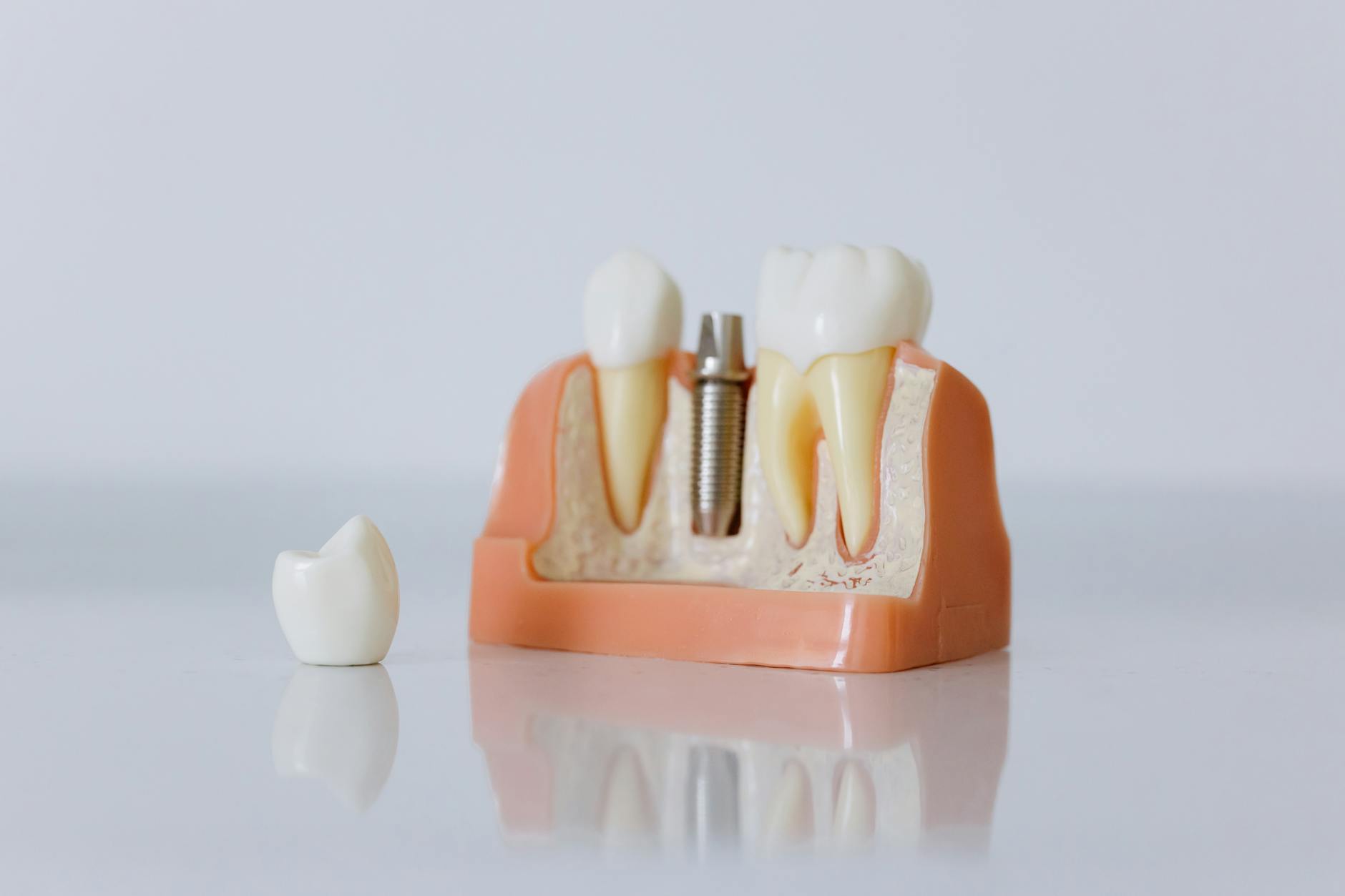
- 3D CBCT (Cone Beam Computed Tomography) — Provides a full three-dimensional view of your jawbone, nerve pathways, and sinus cavities. This is non-negotiable for safe implant placement
- Digital guided surgery — Computer-planned surgical guides that direct the implant into the exact predetermined position, angle, and depth
- Intraoral digital scanners — Replace messy traditional impressions with precise digital models
- CAD/CAM technology — Allows in-house design and fabrication of custom abutments and crowns for better fit and aesthetics
Smile Dental Center uses 3D CT/CBCT imaging and digital smile design technology for every implant case, ensuring accurate placement and predictable results from the very first consultation.
4. Which Implant Brands and Materials Do You Use?
Not all dental implants are created equal. The implant system your dentist uses can affect long-term success, warranty coverage, and the availability of replacement parts decades from now.
Top-tier implant brands recognized worldwide include:
- Straumann (Switzerland) — Over 60 years of clinical research
- Nobel Biocare (Sweden) — Pioneers of the modern dental implant
- BioHorizons (USA) — Strong evidence base and surface technology
- Zimmer Biomet (USA) — Widely used in both dental and orthopedic implants
Be cautious of practices that use unbranded or discount implant systems. While they may cost less upfront, they can create problems if you ever need a replacement component and the manufacturer no longer exists or doesn’t have a distribution network.
Ask your dentist: “What brand of implant do you use, and why did you choose that system?” A confident, knowledgeable answer is a strong positive sign.
5. Can I See Before-and-After Photos of Your Implant Cases?
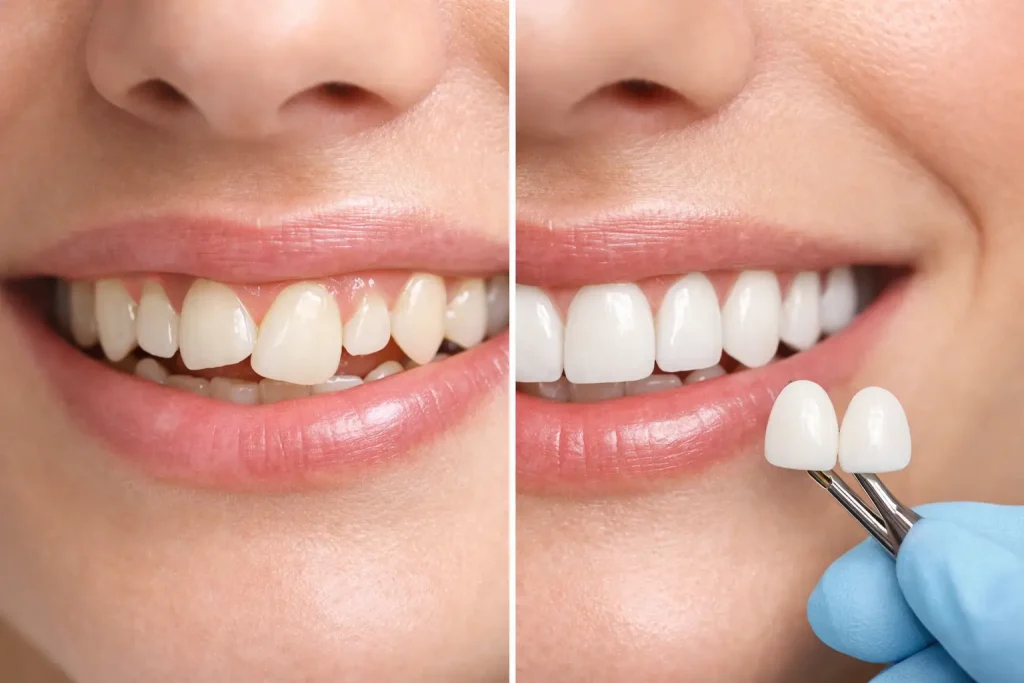
A reputable implant dentist should have an extensive portfolio of completed cases. When reviewing before-and-after photos, pay attention to:
- Case variety — Single implants, multiple implants, full-arch restorations (All-on-4), and implant-supported bridges
- Natural-looking results — Implant crowns should match surrounding teeth in color, shape, and proportion
- Gum tissue health — Healthy, well-contoured gum tissue around the implant indicates proper placement technique
- Consistent photography — Professional clinical photos taken from the same angles suggest a practice that takes documentation seriously
Don’t rely solely on stock photos or images from implant manufacturers. Ask to see the dentist’s own clinical work — ideally cases similar to yours.
6. How Do You Handle Complications and What Is Your Success Rate?
Even the best implant dentists encounter complications. What separates excellent providers from average ones is how they manage those situations. The average implant success rate is approximately 95%, but top-tier providers consistently achieve rates above 97%.
Important questions about complication management:
- What is your personal implant success rate?
- What happens if an implant fails to integrate — is the replacement covered?
- Do you perform bone grafting and same-day implant procedures in-house, or do you refer those cases?
- How do you handle peri-implantitis (infection around an implant)?
- What is your protocol for patients with low bone density or other risk factors?
A dentist who is open about their success rates and has clear protocols for managing complications demonstrates both competence and integrity. Avoid any provider who claims a 100% success rate — that either means insufficient volume or a lack of transparency.
7. What Financing Options and Payment Plans Are Available?
Dental implants are a significant investment. A single implant in Miami typically ranges from $3,000 to $6,000 including the abutment and crown, while full-arch solutions like All-on-4 implants can range from $15,000 to $30,000 per arch. Understanding the full cost of dental implants in Miami is crucial for planning.
Ask about:
- Insurance coordination — Does the office help maximize your dental insurance benefits?
- Third-party financing — CareCredit, Proceed Finance, LendingClub, or similar options with 0% APR promotional periods
- In-house payment plans — Some practices offer interest-free installment plans
- Package pricing — Is the quote all-inclusive (implant + abutment + crown + imaging + follow-up), or are there hidden fees?
Always request a detailed, itemized treatment plan in writing before committing. A trustworthy practice will never pressure you into same-day financial decisions.
8. What Do Patient Reviews and Testimonials Say?
Online reviews provide valuable insight into the patient experience beyond clinical outcomes. When researching the best implant dentist in Miami, check multiple platforms:
- Google Business Profile — Look for overall rating and total review count
- Yelp — Often contains more detailed narrative reviews
- RealSelf — Specifically for cosmetic and dental procedures
- Healthgrades / Zocdoc — Verified patient feedback
Pay attention to reviews that mention implants specifically, not just general dentistry. Look for comments about:
- Communication and transparency throughout treatment
- Post-operative care and follow-up
- How complications or concerns were handled
- Overall comfort and experience during surgery
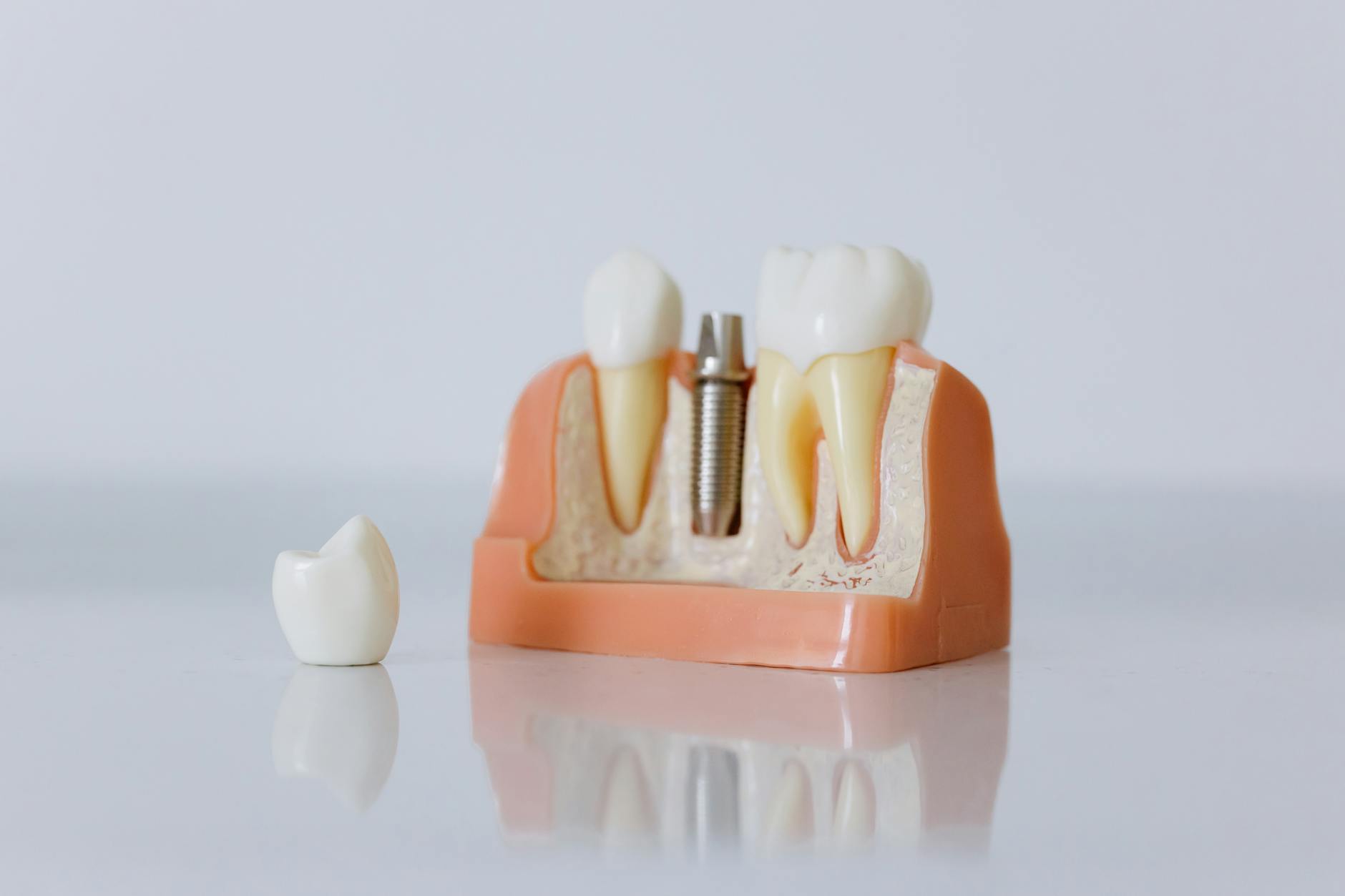
Red Flags to Watch For When Choosing an Implant Dentist
While evaluating your options, be alert to these warning signs:
- Unusually low pricing — If a quote seems too good to be true, it may involve discount implant brands, inexperienced providers, or hidden fees that appear later
- No 3D imaging — Any practice placing implants without CBCT technology is working with incomplete information, which increases risk
- High-pressure sales tactics — Aggressive urgency (“this price is only available today”) is a red flag in healthcare
- Reluctance to share credentials — A qualified dentist will proudly discuss their training, certifications, and case history
- No written treatment plan — You should receive a detailed, itemized estimate before any procedure begins
- Outsourced surgery — If the practice refers you to an outside surgeon for placement but handles only the restoration, ask why and ensure communication between providers is seamless
- No post-operative protocol — Implant success depends on proper healing and follow-up. A practice without a clear aftercare plan is cutting corners
Why Miami Patients Trust Smile Dental Center for Dental Implants
At Smile Dental Center, we understand that choosing an implant dentist is one of the most important healthcare decisions you’ll make. That’s why we prioritize transparency at every step:
- Advanced 3D CBCT imaging for precise implant planning on every case
- Premium implant systems from globally recognized manufacturers
- Comprehensive care under one roof — from in
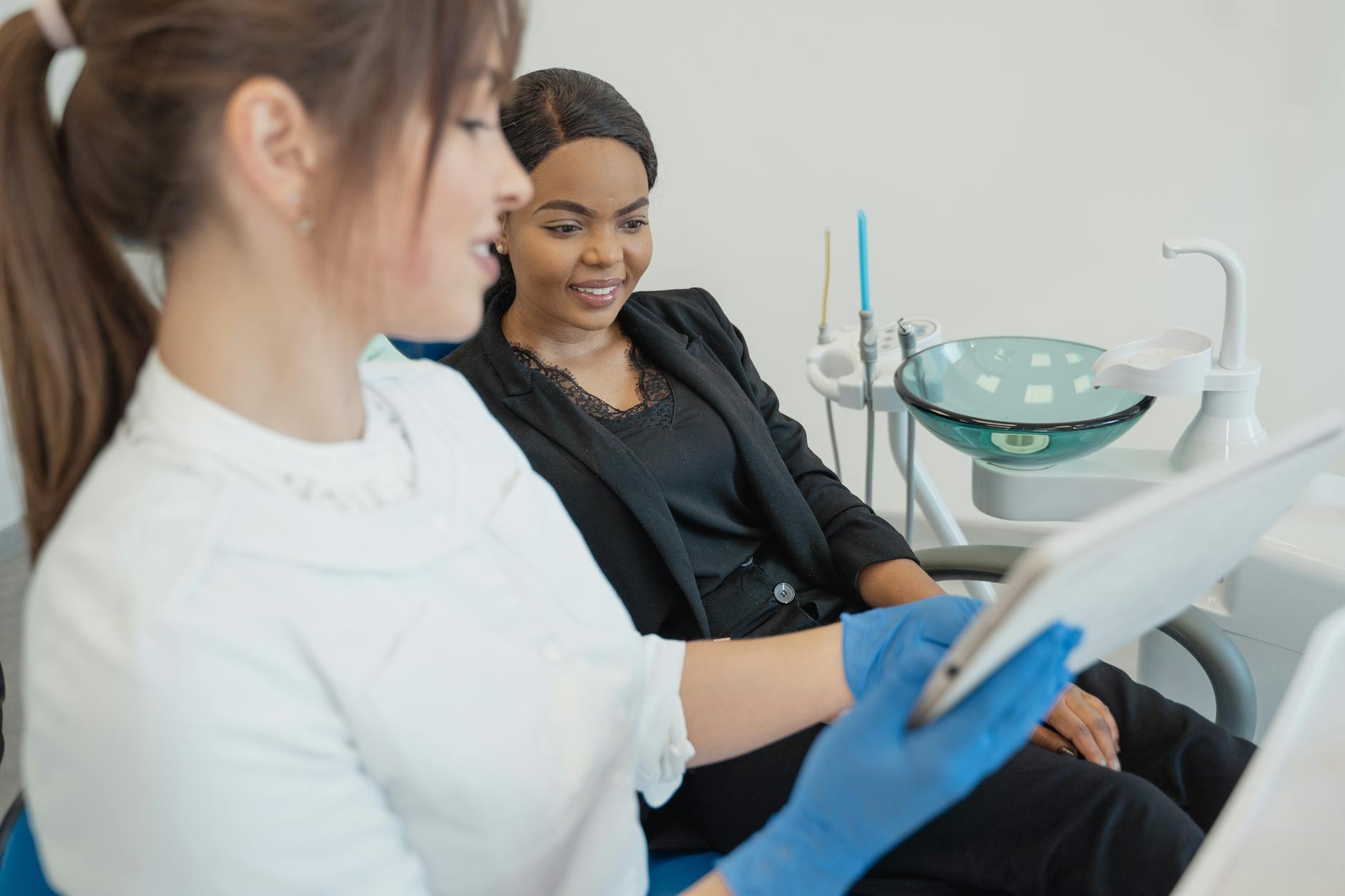
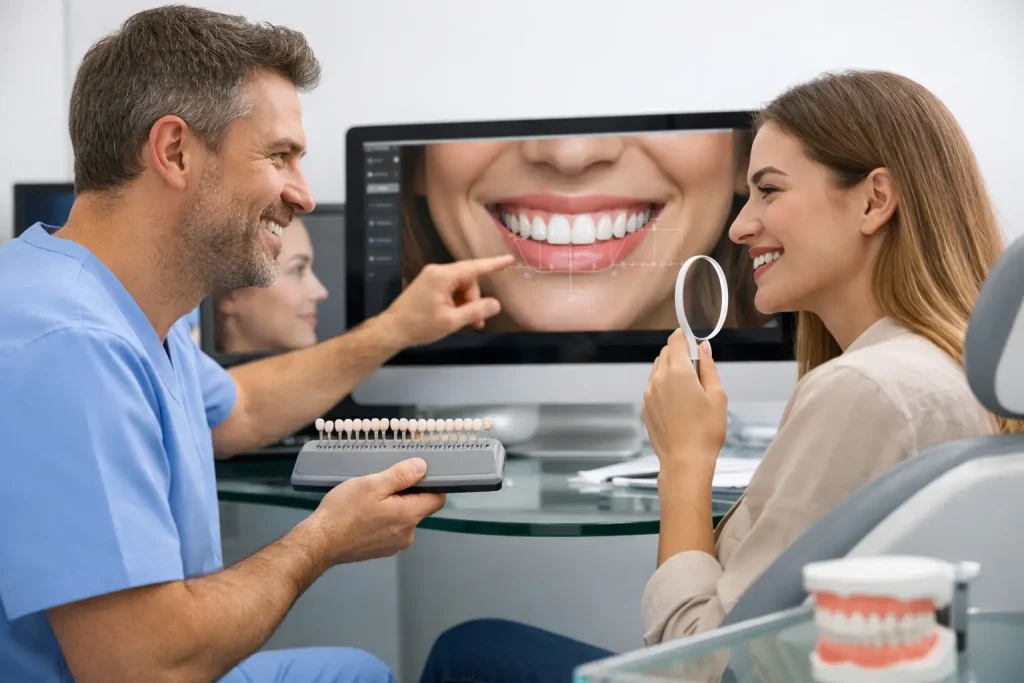
Patient consulting with dentist about how to choose implant dentist miami itial consultation and imaging through surgical placement and final restoration
- Digital smile design technology so you can preview your results before treatment begins
- Flexible financing options to make implant treatment accessible
- Convenient Miami location at 9835 SW 40th St, Miami, FL 33165
We believe every patient deserves honest answers to all eight of these questions — and we’re always happy to provide them.
Ready to Find the Right Implant Dentist?
If you’re considering dental implants in Miami, we invite you to schedule a no-obligation consultation. Our team will walk you through your options, answer every question on this list, and create a personalized treatment plan tailored to your needs and budget.
Contact Smile Dental Center today:
- WhatsApp: +1 (786) 560-7567
- Email: info@smiledentalcentergroup.com
- Visit us: 9835 SW 40th St, Miami, FL 33165
Your smile is worth getting it right the first time. Ask the tough questions — the right dentist will welcome them.
Frequently Asked Questions
What qualifications should an implant dentist have?
At minimum, an implant dentist should have completed post-graduate training in implant placement beyond dental school. Look for credentials from the AAID, ABOI, or ICOI, or specialty board certification in prosthodontics, periodontics, or oral surgery. Active membership in implant-focused professional organizations and regular continuing education are also strong indicators of commitment to the field.
How many implants should a dentist have placed before I trust them?
While there’s no universal threshold, research suggests dentists who place 50 or more implants per year tend to achieve higher success rates. Ask about both total career volume and annual volume. A dentist who has placed several hundred implants over their career and continues to place them regularly is generally a safer choice than one who does only a handful per year.
Is CBCT imaging necessary for dental implants?
Yes. 3D CBCT imaging is considered the standard of care for implant planning by most implant organizations worldwide. It reveals critical anatomical details — bone density, bone volume, nerve canal locations, and sinus proximity — that traditional 2D X-rays cannot show. Any practice placing implants without CBCT technology is not following current best practices.
How much do dental implants cost in Miami?
A single dental implant in Miami, including the implant fixture, abutment, and crown, typically costs between $3,000 and $6,000. Full-arch solutions like All-on-4 range from $15,000 to $30,000 per arch. Costs vary based on the complexity of your case, bone grafting needs, implant brand, and the type of restoration. Always request an all-inclusive, itemized quote so you can compare accurately between providers. Learn more about dental implant costs in Miami.
What is the success rate of dental implants?
The overall success rate for dental implants is approximately 95%, according to peer-reviewed literature. However, success rates vary significantly by provider. Experienced implant dentists with proper technology and protocols consistently report success rates above 97%. Factors that influence success include the patient’s overall health, smoking status, bone quality, oral hygiene habits, and the dentist’s experience and technique.