
A cracked molar rarely announces itself at a convenient time. It usually shows up before a big meeting, during wedding planning, or right when you are trying to feel more confident about your smile. When a tooth is too damaged for a simple filling but may not need a full crown, the conversation often comes down to one decision: inlay vs onlay tooth restoration.
That choice matters for more than function. It affects how much healthy tooth structure you keep, how natural the final result looks, and how long your restoration may last under daily pressure from chewing, grinding, and temperature changes. If you want the best result for both appearance and performance, it helps to know where each option shines.
Inlay vs onlay tooth restoration: what is the difference?
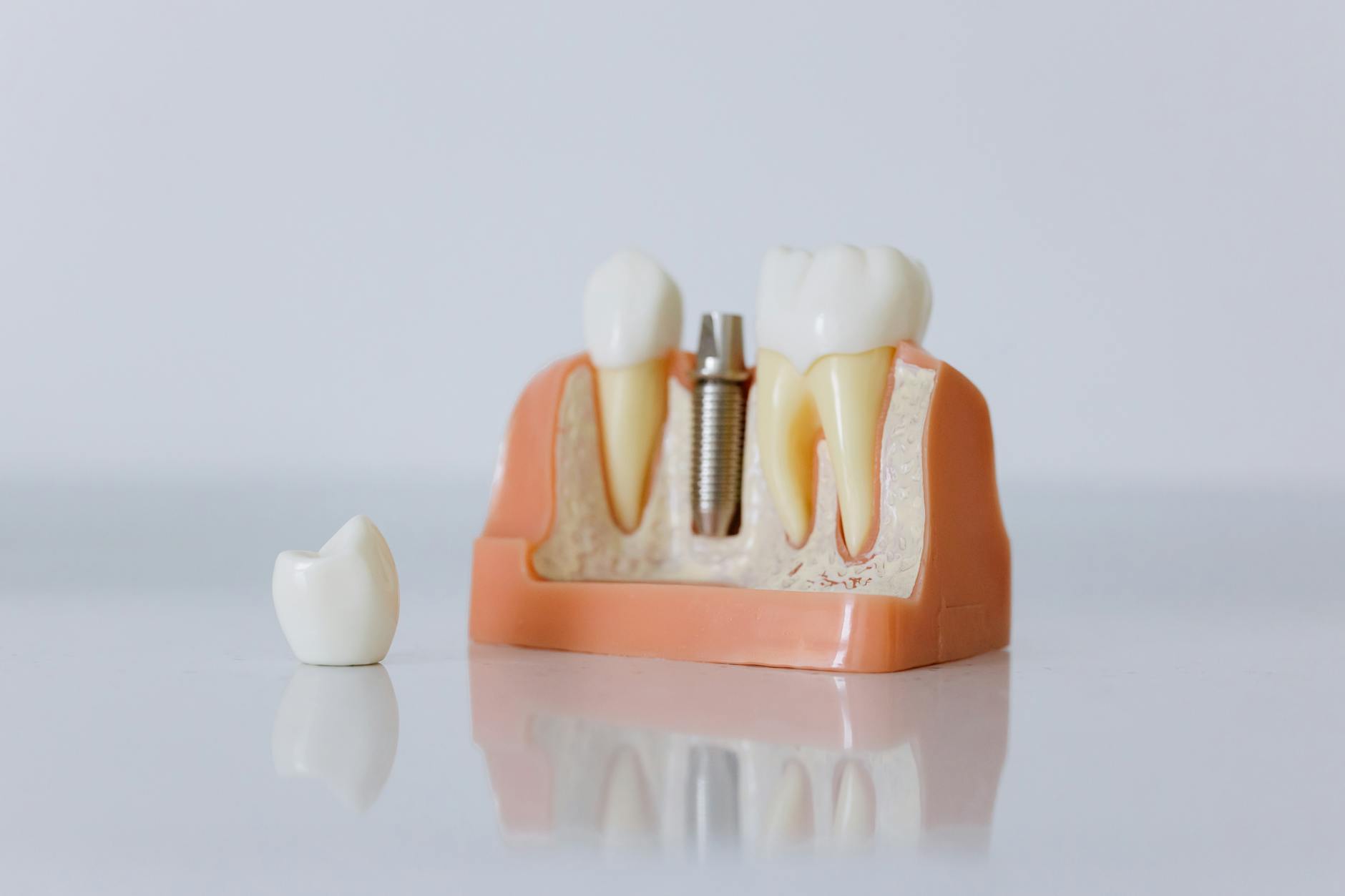
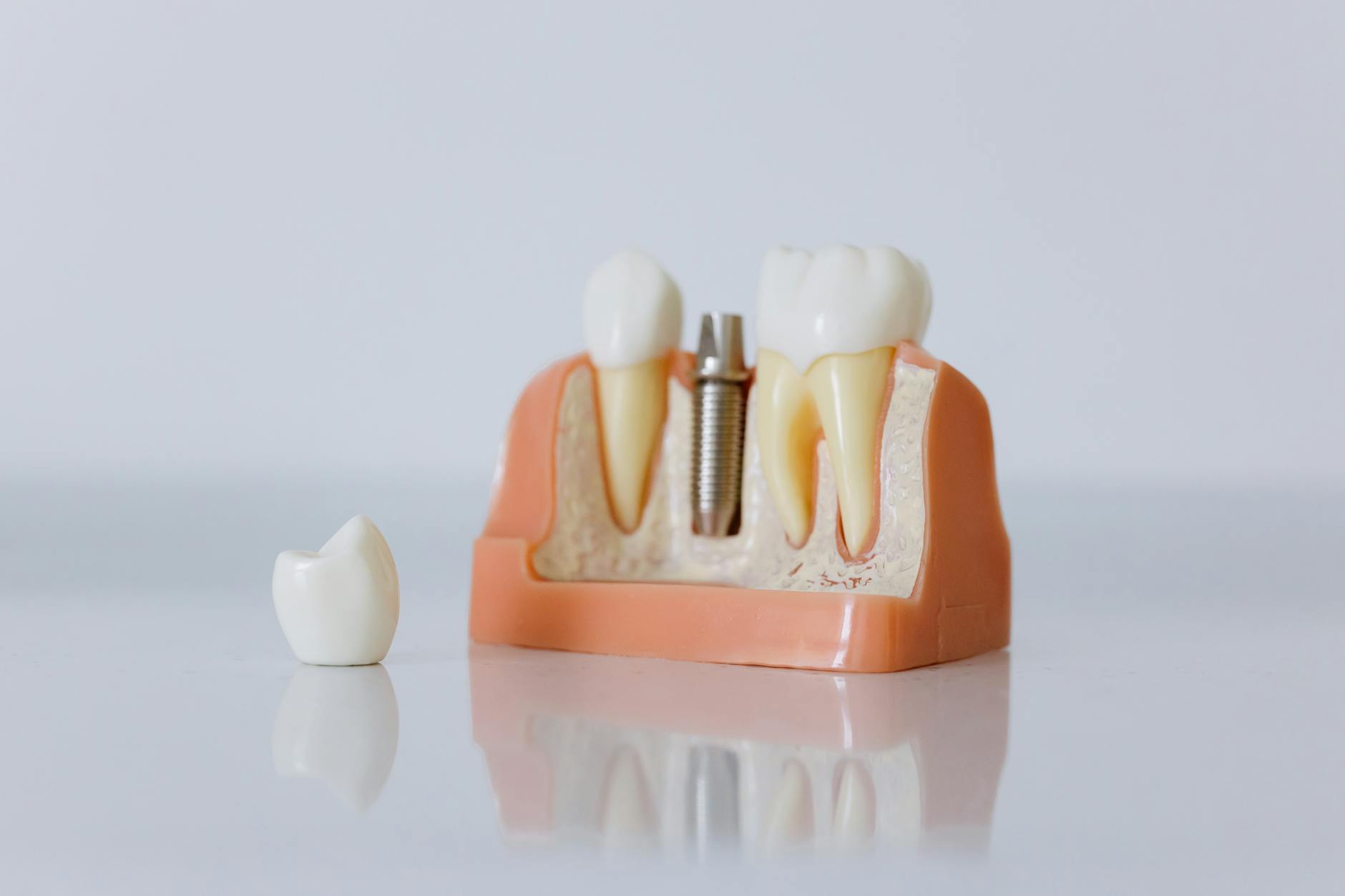
An inlay is a custom-made restoration that fits inside the grooves of a tooth, usually between the cusps, or raised points, of a back tooth. Think of it as a precise upgrade from a standard filling. It restores damage within the center of the tooth without covering the outer peaks.
An onlay covers a larger area. It restores the inside of the tooth and extends over one or more cusps when those outer portions are weakened, worn down, or cracked. Because of that added coverage, an onlay is sometimes called a partial crown. It protects more of the tooth than an inlay, but it still preserves more natural structure than a full crown in many cases.
The simplest way to think about it is this: if the damage stays within the tooth, an inlay may work. If the damage reaches the chewing edges or cusps, an onlay is often the stronger choice.
Why patients are often choosing these over traditional fillings
For many adults, especially those who care about aesthetics and long-term value, inlays and onlays offer a smart middle ground. A filling is quicker and usually less expensive up front, but larger fillings can weaken the remaining tooth over time. A crown is highly protective, but it typically requires removing more natural tooth structure.
Inlays and onlays sit between those two options. They are custom-crafted to fit your tooth with precision, often in porcelain or other durable materials that blend beautifully with your smile. The result can feel more refined, more stable, and more attractive than a large silver or tooth-colored filling.
That matters if you want dental work that performs well and still looks polished in photos, on camera, or in close conversation. Even though these restorations are usually placed on back teeth, a clean, natural-looking result still supports the overall look of your smile.
When an inlay is the better fit
An inlay is usually recommended when decay or damage is too extensive for a regular filling but does not compromise the cusps of the tooth. If the outer walls of the tooth remain strong, an inlay can restore the center without changing more of the tooth than necessary.
This conservative approach is one of the biggest advantages of inlays. You keep more healthy enamel, which is always a win whe

n possible. Inlays also tend to fit very precisely, which can help reduce leakage and wear compared with large direct fillings.
An inlay may be a strong option if you have moderate decay, an old filling that needs replacement, or internal damage on a molar or premolar without major cracks on the chewing edges. If your goal is to restore strength while preserving as much of your natural tooth as possible, this can be the ideal move.
When an onlay makes more sense
An onlay is often the better answer when the tooth needs more support. If one or more cusps are cracked, weakened, or heavily worn, simply filling the center of the tooth may not be enough. In that situation, an onlay reinforces the tooth where chewing pressure hits hardest.
This is where onlays stand out. They can protect a structurally compromised tooth without going straight to a full crown. That makes them appealing for patients who want a durable, aesthetic restoration while still being conservative.
Onlays are commonly used after old fillings fail, when a tooth has a larger fracture, or when a patient has a history of clenching and grinding that puts extra stress on the back teeth. If your dentist is weighing strength, protection, and appearance, an onlay often delivers the best balance.
2>Materials and appearance
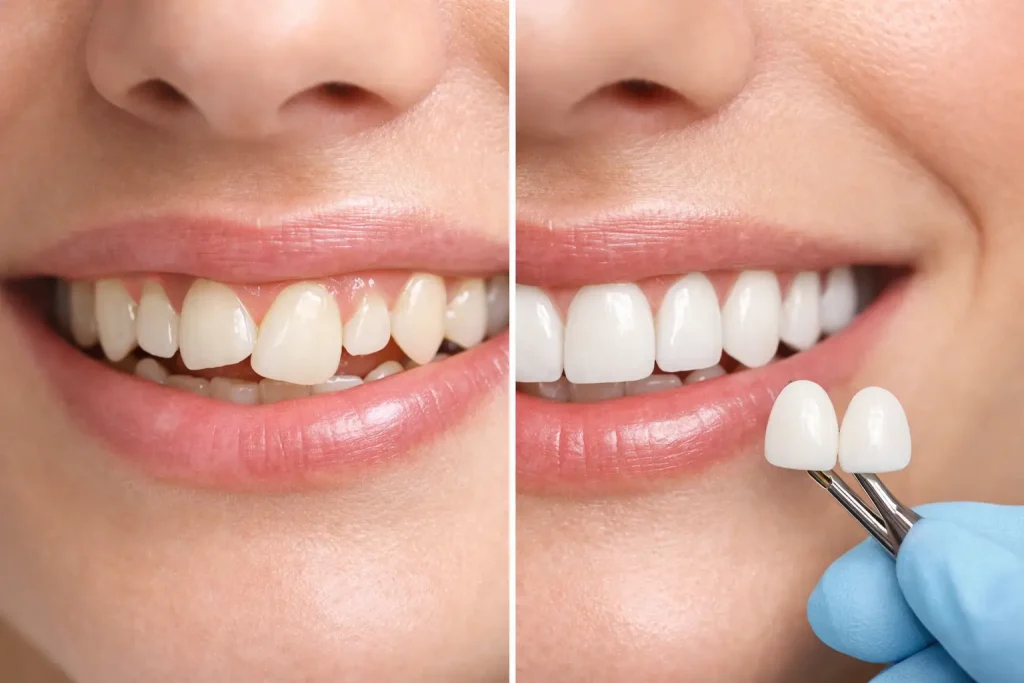
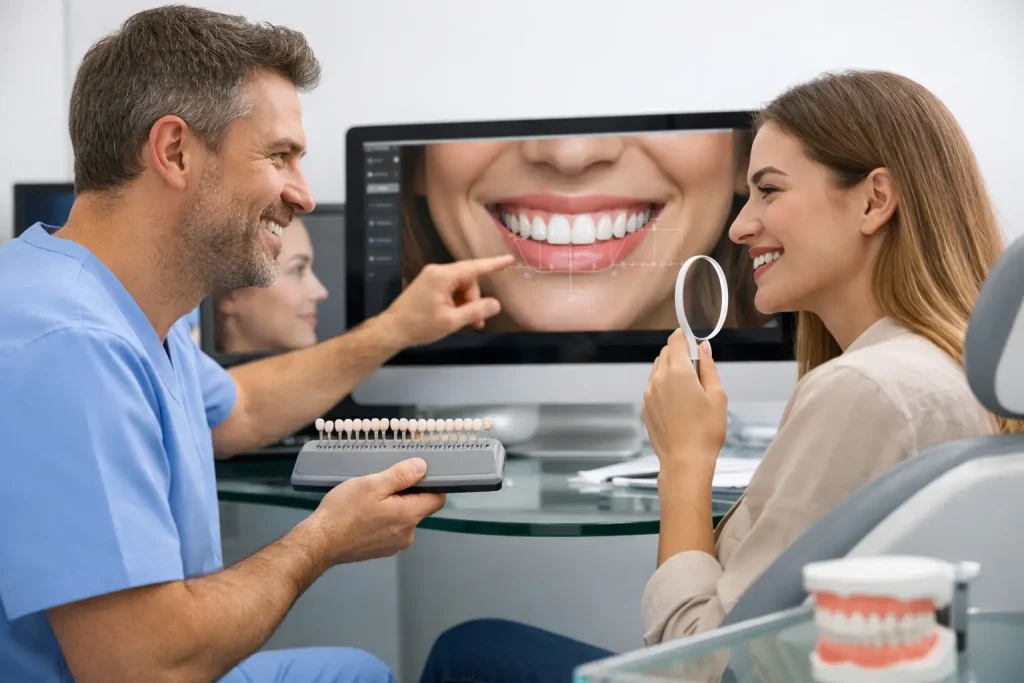
Both inlays and onlays can be made from porcelain, composite resin, or gold, though porcelain is one of the most popular choices for modern cosmetic and restorative dentistry. It is durable, stain-resistant, and can be matched closely to your natural tooth color. For image-conscious patients, porcelain has a clear advantage. It looks refined, not patched. It supports a more elevated finish that fits beautifully into a smile design approach, especially when your treatment plan includes whitening, veneers, or other aesthetic improvements. Composite options may cost less, but they generally do not offer the same long-term wear resistance as porcelain. Gold remains extremely durable, but most adults looking for a clean, natural smile prefer tooth-colored restorations. Both options can last for many years when they are placed well and cared for properly. In general, porcelain inlays and onlays often last longer than large fillings because they are fabricated outside the mouth and bonded with precision. That said, durability depends on real-world factors. The location of the tooth matters. Your bite matters. Grinding habits matter. Oral hygiene matters. Someone who chews ice, s kips night guard use, or has heavy bite pressure may wear through a restoration faster than someone with a more stable bite. Onlays may offer an edge when the tooth needs more structural protection, simply because they cover and reinforce vulnerable cusps. Inlays can be extremely durable too, but only when they are used in the right case. The best restoration is not the strongest one in theory. It is the one that matches the actual condition of your tooth. Inlays and onlays usually cost more than standard fillings. That is because they involve custom design, more advanced materials, and a more precise process. Onlays are often more expensive than inlays because they cover more of the tooth and require a broader restoration. But price should not be viewed in isolation. If a large filling is likely to fail or a tooth is at risk of further fracture, a well-chosen inlay or onlay may save you from a more expensive crown or root canal later. The value is in preserving the tooth, protecting your bite, and keeping your smile looking polished. If you are already investing in your appearance and confidence, this is the kind of treatment decision that deserves a long-view mindset rather than just the lowest short-term fee. The process is typically straightforward. After evaluation and imaging, the damaged area is cleaned and prepared. Your dentist then takes a digital or physical impression so the restoration can be custom-made. A temporary may be placed while the final inlay or onlay is fabricated. At the second visit, the final piece is checked for fit, color, and bite before it is bonded into place. Once secured, it should feel natural and stable very quickly. For patients who want predictable outcomes, this custom approach is part of the appeal. It is not a one-size-fits-all fix. It is a restoration shaped around your specific tooth, your bite, and the look of your smile. This decision is not based on size alone. Dentists also look at where the damage sits, whether the cusps are stable, how much healthy enamel remains, and how much force that tooth takes during chewing. A patient with a small but deep area of decay inside a molar may be a good candidate for an inlay. A patient with a cracked cusp, a failing large filling, or heavy bite stress may do better with an onlay. In some cases, the tooth is too compromised for either and a crown becomes the better option. That is why a proper exam matters. The right treatment is the one that protects your tooth while supporting the kind of result you want – durable, attractive, and built to last. If you are comparing inlay vs onlay tooth restoration, the real question is not which one is better overall. It is which one is better for your tooth, your bite, and your long-term goals. The right choice should restore strength, preserve healthy structure when possible, and keep your smile looking natural and confident. At Smile Dental Center Group, treatment planning is designed around both function and aesthetics, so your restoration does more than repair damage – it supports the kind of smile you feel great wearing every day. If a tooth needs more than a filling but less than a crown, this is exactly where a custom solution can make all the difference. A strong tooth matters. A confident smile matters too. The best restoration should give you both.
Inlay vs onlay tooth restoration: durability and lifespan

Cost differences and what you are really paying for
What the treatment process feels like
How dentists decide between the two
Choosing the restoration that protects your smile