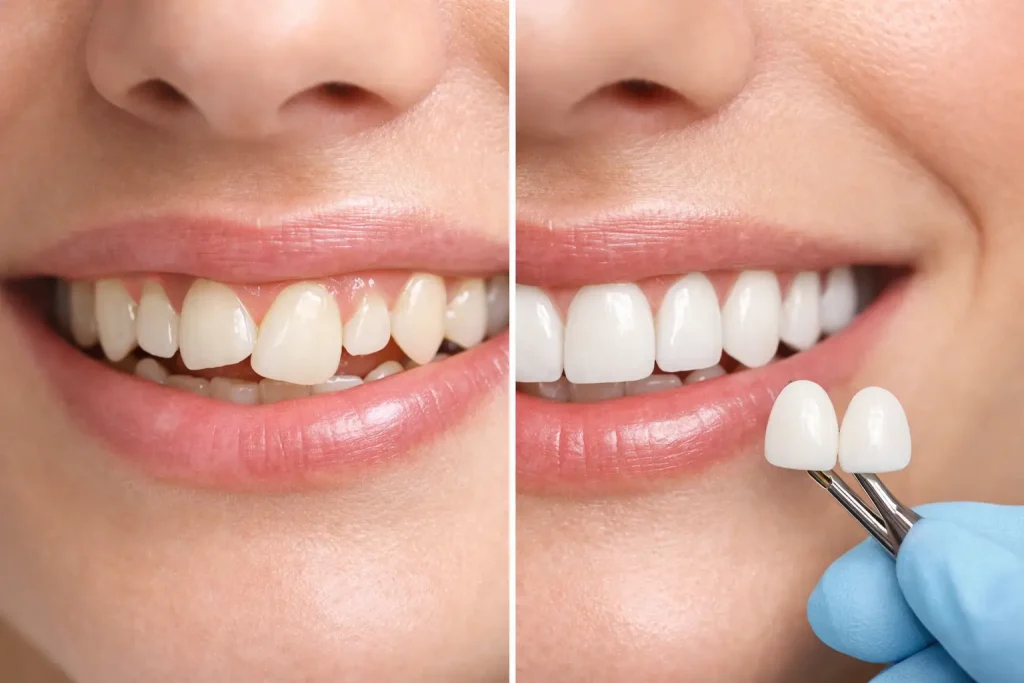


A smile makeover usually starts with excitement and then hits a practical question fast: how are you going to pay for it?
If you are thinking about veneers before a wedding, whitening before a major career move, or a full smile design because you are tired of hiding your teeth in photos, cost matters. The good news is that cosmetic dentistry is often more flexible financially than people expect. Once you understand the options, it becomes much easier to plan for the result you want without guessing your way through the process.
Smile makeover financing options explained
A smile makeover is not one single treatment. It can include porcelain veneers, composite veneers, crowns, whitening, gum contouring, implants, bridges, or a mix of services designed around your face, bite, and goals. Because treatment plans vary so much, financing does too.
That is why smile makeover financing options explained in simple terms matters. A patient getting six composite veneers has a very different financial path than someone combining implants, crowns, and gum aesthetic work. The right payment strategy depends on the total cost, the treatment timeline, what portion is cosmetic versus restorative, and how quickly you want to move.
Most patients end up considering one of four paths: paying in full, using an in-house payment arrangement if available, applying for third-party financing, or combining insurance with financing for any medically necessary portions. Sometimes the smartest move is a hybrid approach, especially for larger treatment plans.

Start with the treatment plan, not the payment plan
Before you compare monthly payments, make sure you know exactly what you are financing. A smile makeover quote should be based on your actual clinical needs and aesthetic goals, not a generic package.
For example, if your case involves worn teeth, missing teeth, or old dental work, your treatment may need restorative steps before the cosmetic phase. That can change both the cost and what insurance may help cover. On the other hand, if your main goal is shape, color, and symmetry, veneers or whitening may be the focus and insurance may do very little.
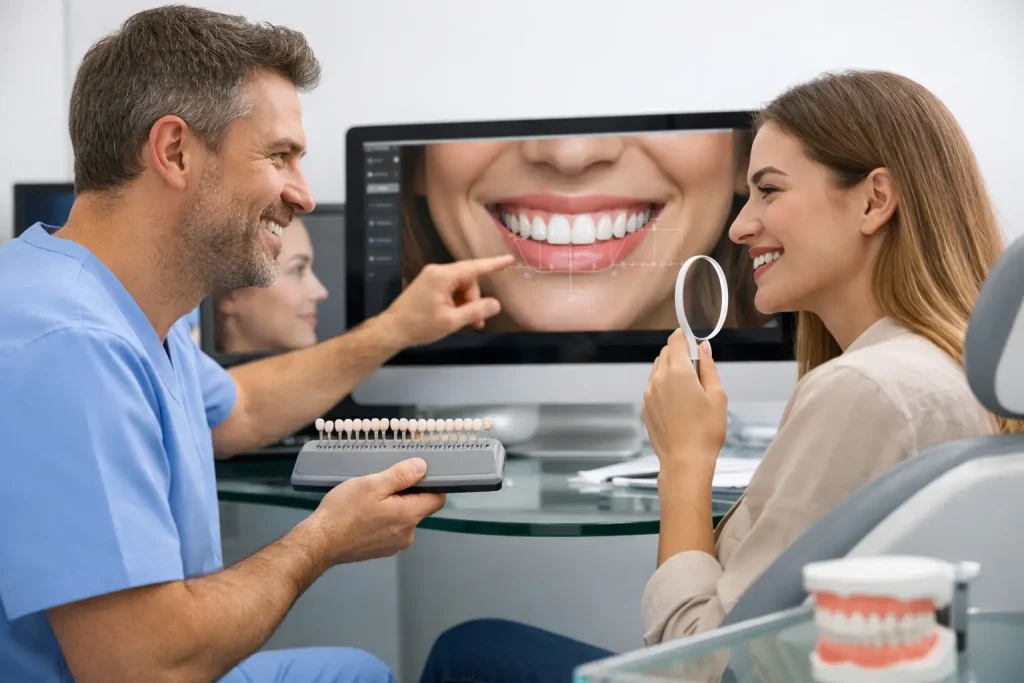
This is where a consultation matters. A design-focused practice can evaluate tooth size, color, shape, and position and then map out what gives you the best result. Once that plan is clear, financing becomes more accurate and less stressful.
Paying in full can be the simplest route
If you have the ability to pay upfront, this is usually the most straightforward option. It avoids interest, keeps paperwork minimal, and can make scheduling easier if you are trying to complete treatment on a tight timeline.
For some pati

ents, paying in full also creates a cleaner decision-making process. You choose the treatment that gives you the best result instead of adjusting everything around a monthly number.
That said, paying in full is not automatically the best choice for everyone. Even high-income patients sometimes prefer to keep cash available and spread the cost over time, especially if the makeover is extensive or overlaps with other life expenses.
Monthly payment plans help when timing matters
A lot of patients want results now but prefer to pay over several months or years. This is where financing becomes attractive.
Monthly payment options can make a larger treatment plan feel more manageable. Instead of delaying veneers, crowns, or implants while you save the full amount, you may be able to start sooner and fit the cost into your budget. That can be especially helpful if you have a deadline like a wedding, graduation, public-facing job change, or a long-awaited confidence reset.
The trade-off is that financing may include interest, depending on the lender, the term length, and your credit profile. A lower monthly payment can look appealing at first, but over a longer term, the total amount paid can rise. The best question is not just, “Can I afford this per month?” It is also, “What is the full cost over time?”
Third-party financing is common for cosmetic dentistry
Many dental patients use healthcare financing companies or dental-focused lenders. These programs often offer quick applications and can cover electi
ve aesthetic treatment, which is important because many traditional insurance plans do not.
Approval and terms usually depend on factors like credit history, income, and the amount being financed. Some patients qualify for promotional periods with no interest if they pay within a set window. Others may receive standard fixed-payment loans over a longer term.
This option works well for people who want fast treatment and a structured repayment schedule. It can be a strong fit for porcelain veneers, smile design cases, implant treatment, and larger cosmetic-restorative plans. It is less ideal if the interest rate is high enough to make the total cost uncomfortable.
If you are comparing lenders, look beyond the monthly number. Ask about promotional deadlines, deferred interest terms, late fees, and whether there is a penalty for paying early. Those details matter more than most people realize.
Insurance can help, but usually only in specific situations
One of the biggest misconceptions around cosmetic dentistry is that insurance will cover a smile makeover. Usually, it will not cover purely elective aesthetic treatment such as whitening or veneers done only for appearance.
But there is nuance here. If part of your treatment addresses function, damage, or oral health, insurance may contribute to those portions. Crowns, bridges, root canal treatment, fillings, periodontal care, extractions, or certain /smiledentalcentergroup.com/implants-dentales-medellin-proceso/”>implant-related procedures
That means your smile makeover may not be all-or-nothing financially. A patient might use insurance for restorative steps and finance the cosmetic phase separately. This blended strategy can reduce out-of-pocket costs while still moving toward the perfect smile.
The key is getting a detailed breakdown before treatment starts. You want to know which services are likely cosmetic, which may be restorative, and what your estimated responsibility looks like.
In-house options can reduce friction
Some practices offer internal payment arrangements, phased treatment planning, or special pricing on selected services. This can be useful if you want a more direct process without working through an outside lender.
In-house flexibility is especially appealing for patients who value speed and simplicity. If the office can coordinate consultation, imaging, smile design, quote, and financing support in one place, the process feels more efficient and easier to act on.
It is worth asking whether the office offers staged payments tied to treatment milestones. For example, a patient may begin with records and prep work, then move to temporaries, then final restorations. That structure can make a large case easier to manage.
Financing a full smile makeover vs. a single cosmetic service
Not every patient needs a dramatic full-mouth transformation. Financing six veneers is different from financing full-arch implant treatment or a multi-step cosmetic rebuild.
Smaller elective cases may be easy to handle with short-term financing or even direct payment. Larger treatment plans often benefit from longer repayment terms, phased scheduling, or a combination of financing sources.
There is also a lifestyle factor. If your makeover is tied to a near-term event, you may prioritize speed. If your case is more comprehensive and includes health-related foundations first, a phased plan may be better. Neither approach is wrong. It depends on your timeline, priorities, and what gives you the best result without financial strain.
How to choose the right option for you
The best financing choice usually comes down to four things: total treatment cost, urgency, available cash, and tolerance for interest.
If you want to avoid finance charges and have the funds ready, paying in full is clean and efficient. If preserving cash matters more, financing can give you access to treatment sooner. If your case includes both cosmetic and restorative care, combining insurance with financing often makes the most sense. And if you are unsure about committing to the full treatment plan at once, phased care can create breathing room.
Confidence matters, but so does clarity. A great financing conversation should leave you feeling informed, not pressured.
Questions worth asking before you commit
When reviewing your quote, ask what is included in the total, whether the treatment can be phased, what portion may be eligible for insurance, and what your monthly payment would be under different term lengths. You should also ask whether there are consultation fees, imaging fees, or revision costs that affect the final number.
This is also the moment to ask about value, not just price. The cheapest option is not always the one that delivers the best smile. Cosmetic dentistry is visible. Design quality, materials, planning, and clinical skill all affect the final outcome.
At Smile Dental Center Group, patients often start with a consultation and quote process that helps clarify both the aesthetic plan and the path to treatment. When the vision and the numbers line up, moving forward feels much easier.
A beautiful smile is always in style, but it should also be financially realistic. The right plan is the one that lets you smile with confidence during treatment, not just after it.