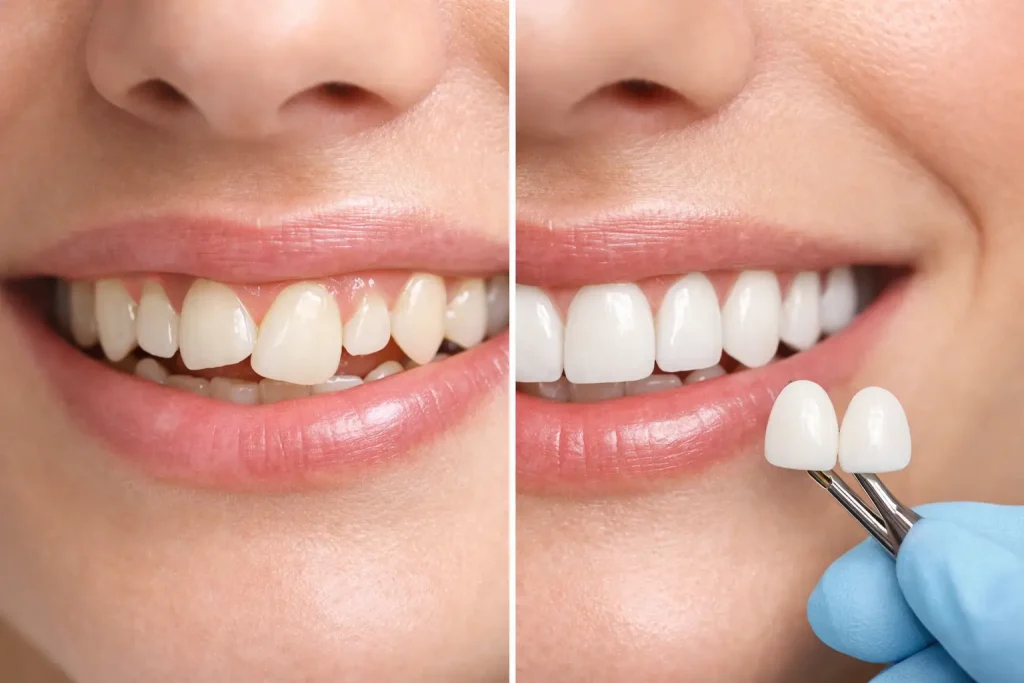

Small teeth can make a smile look childlike, uneven, or simply less visible than you want – especially in photos, on video calls, or in social settings where your smile is part of your presence. For many adults, the issue is not that their teeth are unhealthy. It is that the proportions are off. Teeth may look short, narrow, worn, or hidden by excess gum tissue, and the full smile never quite shows up the way it should.
That is where veneers can make a dramatic difference. With the right plan, veneers do not just make teeth whiter. They can completely reshape how your smile is framed by your lips, gums, and face.
What veneers for small teeth smile design really means
Veneers for small teeth smile design is not a one-size-fits-all cosmetic fix. It is a customized approach to changing tooth size, width, length, and visual balance so the smile looks stronger, more polished, and more proportional to your facial features.
If your teeth are naturally small, have worn down over time, or appear short because of gum coverage, veneers can be designed to create a fuller smile line. The goal is not to make every tooth large. The goal is to make every tooth look like it belongs in the same well-planned smile.
That distinction matters. A smile can look obviously “done” when veneers are too bulky, too square, or too white for the face. Great smile design works differently. It studies proportions, symmetry, and movement so the final result feels natural even when the change is significant.
Why teeth may look too small in the first place
Some patients are born with smaller teeth. Others develop the appearance of small teeth because the edges wear down from grinding, the gums cover too much of the enamel, or old dental work creates an uneven look. Sometimes the teeth are not truly small at all – they only look small because the surrounding features are out of balance.
For example, a patient with a high lip line may show more gum than tooth when smiling. Another patient may have narrow upper teeth that leave dark spaces at the corners of the smile. In both cases, veneers may help, but the design strategy will be different.
That is why photos alone are not enough. A proper cosmetic evaluation looks at tooth display at rest, smile width, gum contour, bite position, facial shape, and the relationship between the upper and lower teeth.
Are veneers the best option for small teeth?
Often, yes – but it depends on the reason your teeth look small.
If the enamel is healthy and the issue is mostly cosmetic, porcelain veneers or composite veneers can be an excellent option because they add visible length and width with precision. Veneers are especially effective when the front teeth look short, uneven, or undersized compared with
the lips and face.
If the real issue is excess gum tissue, gingivoplasty may need to come first. If there is heavy wear from grinding, a night guard may be part of the long-term plan to protect the result. If the tooth structure is too damaged, crowns may sometimes be more appropriate than veneers.
The best results come from treating the cause, not just the appearance.
How smile design changes the outcome
The difference between basic veneers and a true smile design plan is strategy. Smile design goes beyond placing thin shells on the front teeth. It maps the smile as a whole.
That means deciding how long the central incisors should be, how the lateral incisors should taper, how the canine edges should transition, and how the color should work with your skin tone and overall look. For patients with small teeth, these details are what prevent a smile from looking flat or artificial.
Length is only part of the solution
Many people assume small teeth just need to be made longer. Sometimes that is true, but length alone can create a horsey or unnatural appearance if width, gum shape, and bite are ignored.
A better design may involve subtle widening, soft edge shaping, or adjusting the visible contour of several teeth instead of dramatically changing one or two. This is how a smile becomes more elegant rather than exaggerated.
Gum aesthetics can matter just as much
If too much gum is showing, veneers alone may not deliver the perfect result. In those cases, reshaping the gumline can expose more natural tooth surface before veneers are placed. This can completely change the proportions of the smile and make the veneers look more refined.
For patients chasing the best results, combining veneers with gum aesthetic treatment is sometimes the move that takes a smile from improved to exceptional.
Porcelain vs composite veneers for small teeth
Both options can work, and the right c
hoice depends on your goals, timeline, and budget.
Porcelain veneers usually offer the most polished finish, the strongest stain resistance, and the most lifelike reflection of light. They are often the preferred option for patients who want a high-impact transformation and long-lasting aesthetics. If your smile is part of your personal brand, professional image, or a major life event, porcelain is often worth serious consideration.
Composite veneers can be a smart option for patients who want to improve small teeth more conservatively or at a lower price point. They can still create beautiful changes in size and shape, but they may require more maintenance over time and are generally more prone to staining or wear than porcelain.
Neither option is automatically better for every patient. The better choice is the one that fits your enamel condition, bite, cosmetic goals, and expectations.
What the design process should include
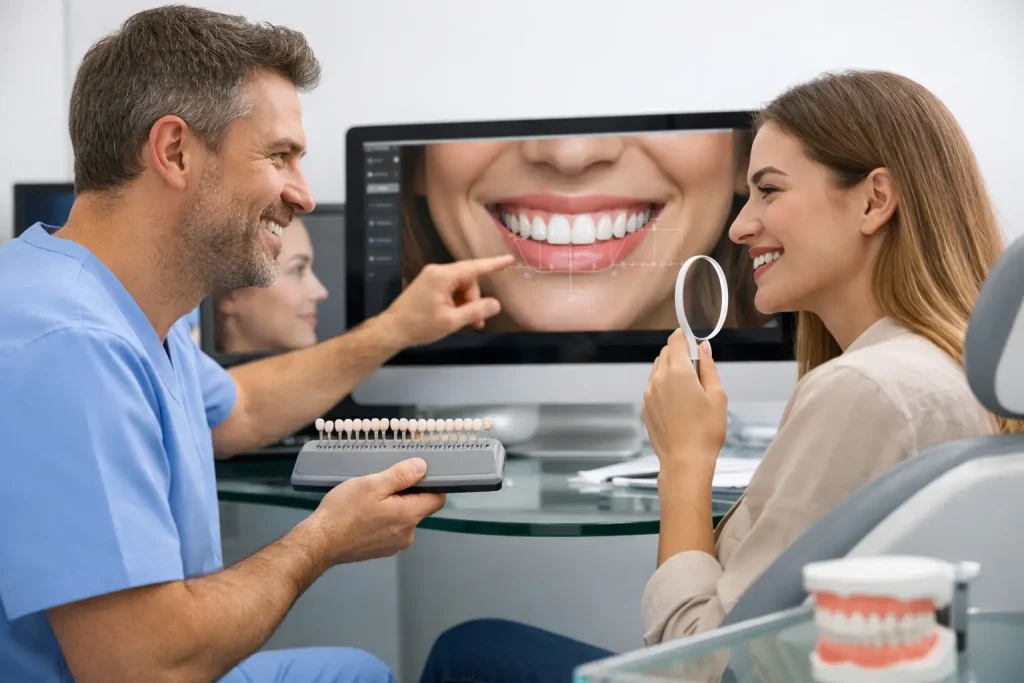
A strong veneers plan should feel deliberate from the start. If you are considering veneers for small teeth smile design, look for a process that studies more than just tooth color.
The consultation should evaluate your tooth proportions, smile line, gum levels, facial symmetry, and bite. Diagnostic photo
s are important. Digital imaging and X-rays may also be needed to confirm that the foundation is healthy enough for cosmetic treatment.
From there, the design phase should answer practical questions. How many teeth need treatment for a balanced look? Can your current gums support the ideal shape? Will whitening be needed on surrounding teeth? Is there any grinding, crowding, or restorative issue that could affect longevity?
At Smile Dental Center Group, this kind of planning is part of what makes cosmetic dentistry feel more predictable. When the smile is designed before treatment begins, patients can move forward with more confidence.
What natural-looking results actually look like
Natural-looking veneers are not random. They have intention.
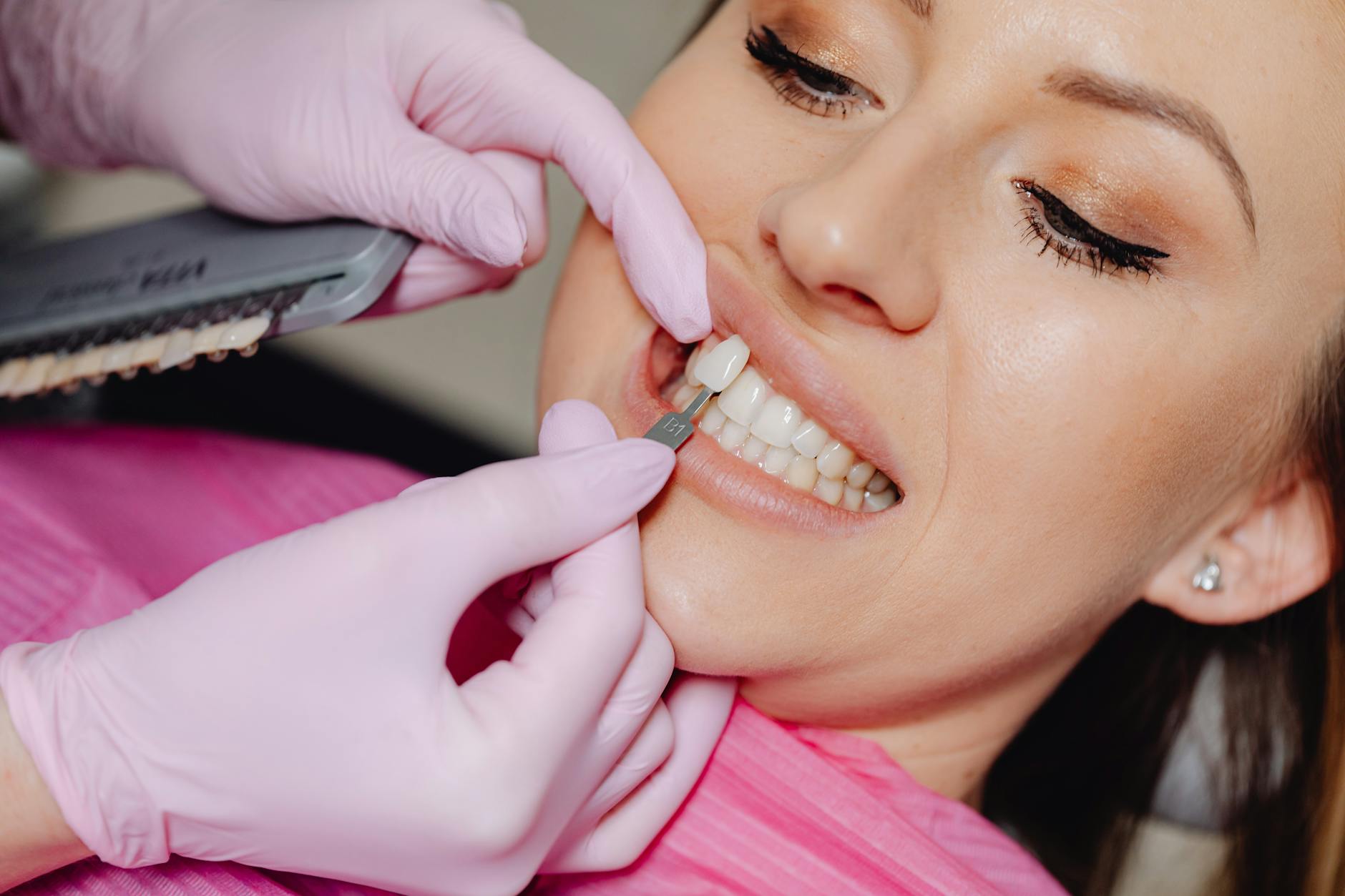
For small teeth, the most attractive veneer cases usually preserve a sense of individuality. The front teeth are not copied and pasted. The contours are soft where they should be soft. The proportions fit the face. The smile looks cleaner, fuller, and more elevated without losing character.
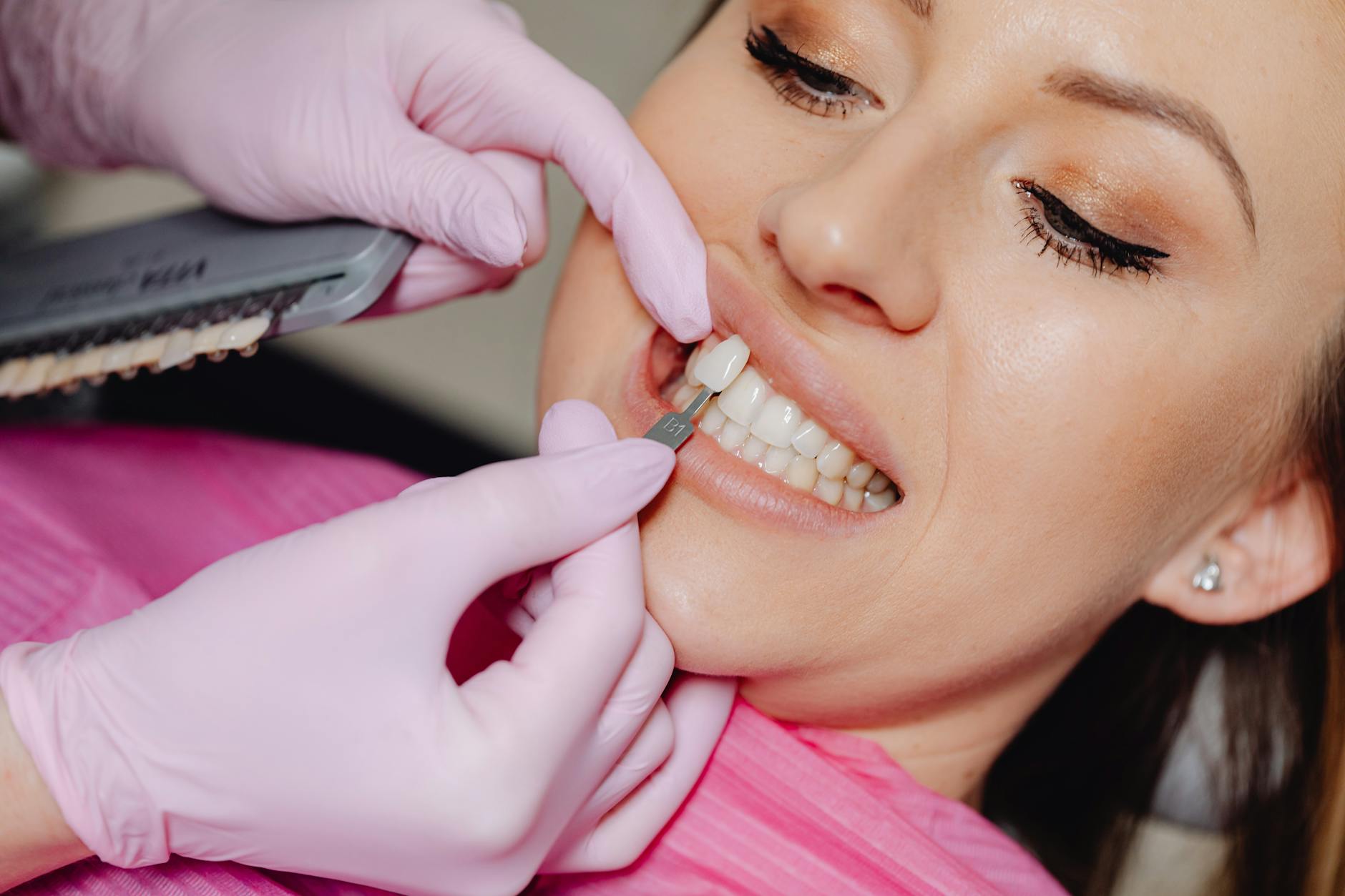
Color also matters. Extremely white veneers can look striking, but brightness has to work with shape. On very small teeth, a blinding shade combined with oversized proportions can draw attention in the wrong way. A better result often comes from balancing brightness with translucency and realistic surface texture.
A few trade-offs to understand before you commit
Veneers can be transformative, but patients deserve the full picture. Some veneer cases require enamel reshaping, which means the treatment may not be reversible in a practical sense. Porcelain veneers are durable, but they are not indestructible. Composite veneers can be beautiful, but they may chip or stain sooner.
There is also the question of maintenance. If small teeth are partly caused by grinding or bite issues, ignoring those factors can shorten the life of the work. That is why good cosmetic dentistry often includes protective planning, not just aesthetic planning.
This is not about talking you out of veneers. It is about setting you up for a result that still looks great years from now.
Who is a strong candidate
Adults with naturally short or narrow teeth, worn edges, uneven front teeth, or a gummy smile are often excellent candidates. The best candidates also have healthy gums, manageable bite forces, and realistic expectations about what veneers can and cannot do.
If you are preparing for a wedding, a career shift, a public-facing role, or simply want your smile to match the level you are operating at in life, veneers can deliver a fast and visible change. The key is making sure the design is built around you, not around a generic smile trend.
A beautiful smile is always in style, but the right smile should still look like it belongs to your face, your energy, and your goals. If your teeth look too small, the answer is not bigger teeth. It is better design – and that is where real confidence begins.
See also: composite veneers in Miami