

Key Takeaways
- Implant-supported dentures use 2–6 dental implants per arch to anchor a full denture, eliminating slipping, adhesives, and sore spots.
- Costs in Miami range from $8,000–$15,000 per arch for overdentures to $15,000–$25,000 for fixed All-on-4 prostheses.
- Patients regain up to 85–90% of natural bite force, compared to just 20–25% with conventional dentures.
- Two main attachment types—bar-retained and ball-retained—each suit different clinical situations and budgets.
- Implant dentures preserve jawbone by stimulating the bone, preventing the facial collapse common with traditional dentures.
Traditional dentures have helped millions of people replace missing teeth, but they come with well-known frustrations: slipping during meals, clicking while speaking, messy adhesives, and the gradual bone loss that changes your facial appearance over time. Implant-supported dentures solve these problems by anchoring the prosthesis directly to your jawbone through dental implants.
At Smile Dental Center in Miami, we offer multiple implant-supported denture options designed to match your clinical needs, lifestyle, and budget. This guide explains how implant dentures work, what they cost, and how to determine if they are the right choice for you.
What Are Implant-Supported Dentures?
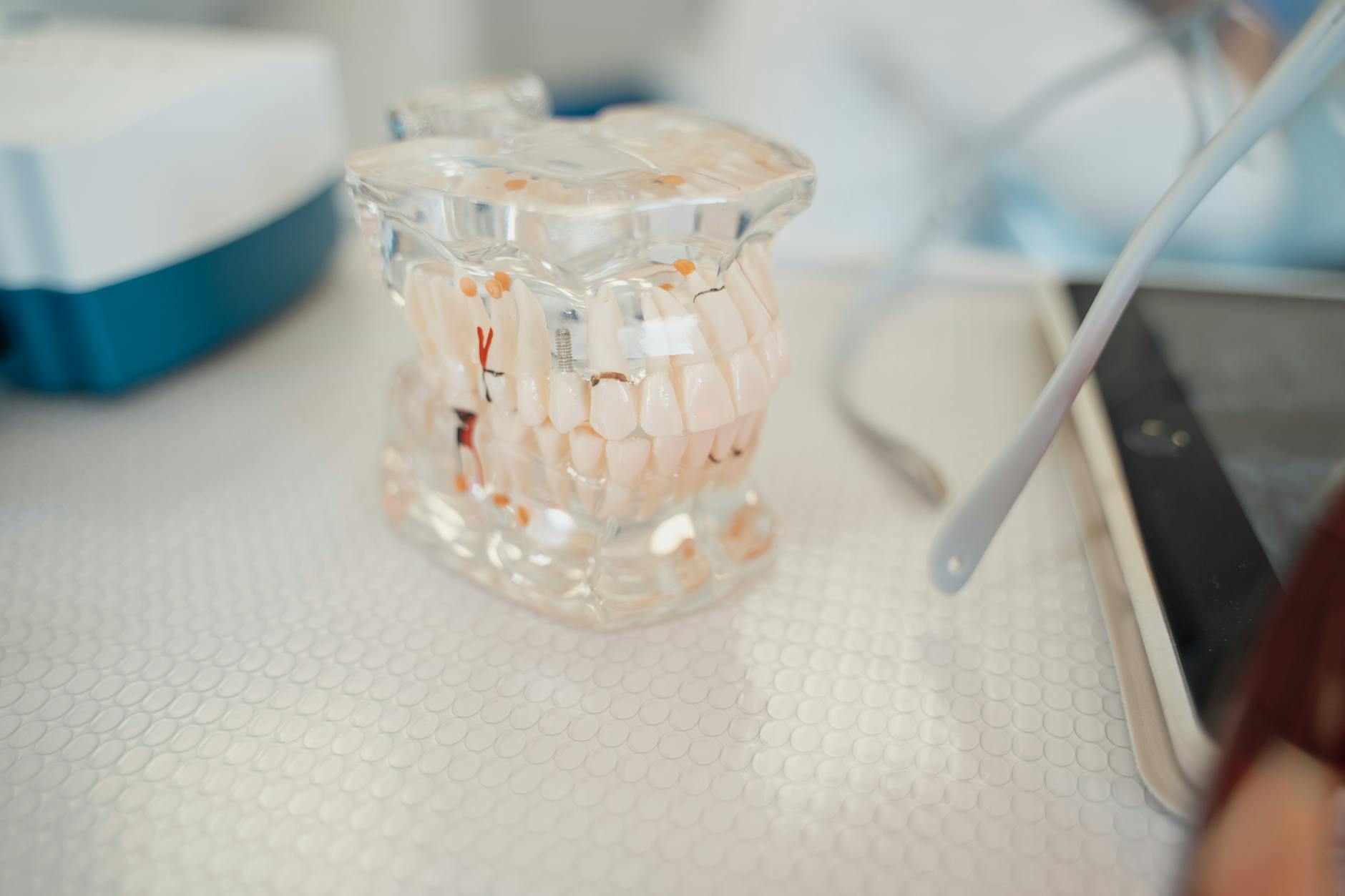
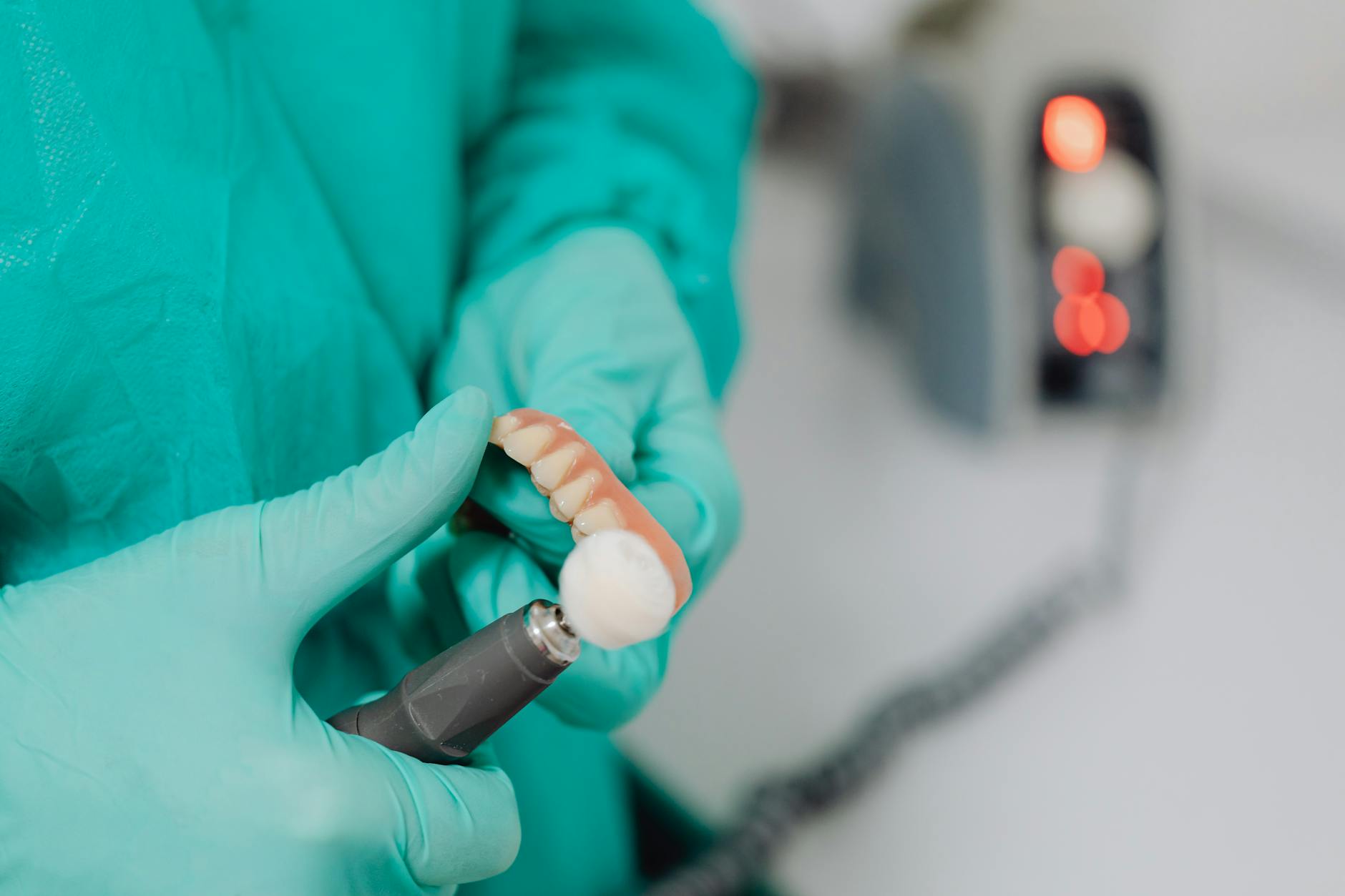
Implant-supported dentures (also called overdentures or implant-retained dentures) are full-arch prostheses that attach to dental implants surgically placed in the jawbone. Unlike conventional dentures that rest on the gums and rely on suction or adhesive, implant dentures lock into place using precision attachments.
The result is a denture that stays firmly seated during eating, speaking, and laughing—without the embarrassing movement that plagues traditional denture wearers. According to a study in the International Journal of Prosthodontics, patients with implant-supported overdentures reported 95% satisfaction rates compared to 60–70% for conventional dentures.
There are two broad categories:
- Removable implant overdentures: The denture snaps onto 2–4 implants via attachments but can be removed by the patient for cleaning. This is the more affordable option.
- Fixed implant dentures (All-on-4/All-on-6): The prosthesis is permanently screwed onto 4–6 implants and can only be removed by a dentist. This option provides the closest experience to natural teeth. Learn more about our All-on-4 full-arch implant solutions.
Types of Implant-Supported Dentures: Bar-Retained vs. Ball-Retained
The two most common attachment systems for removable implant overdentures are bar-retained and ball-retained (also called locator-retained). Each has distinct advantages:
Bar-Retained Overdentures
A thin metal bar follows the curve of your jaw and connects 3–5 implants. The denture fits over the bar and clips into place using small clasps or riders embedded in the denture base.
- Advantages: Excellent stability and retention; distributes biting forces evenly across all implants; allows for slight jaw discrepancies.
- Considerations: Requires more implants (typically 3–5); the bar adds a fabrication step and cost; requires meticulous cleaning around the bar.
Ball-Retained (Locator) Overdentures
Each implant has a ball-shaped or locator attachment on top. The denture has corresponding sockets with rubber O-rings or nylon caps that snap onto these attachments.
- Advantages: Simpler design; fewer implants needed (as few as 2 for the lower jaw); easier to clean; lower initial cost; O-rings are inexpensive to replace.
- Considerations: O-rings wear out and need periodic replacement (every 6–12 months); may not distribute forces as evenly as a bar system.
For patients considering the most budget-friendly implant denture option, mini dental implants can also stabilize a lower denture at a lower cost point, though with some trade-offs in load-bearing capacity.
Implant-Supported Dentures Cost in Miami (2026 Pricing)
The cost of implant-supported dentures depends on the number of implants, the type of attachment system, and whether you choose a removable overdenture or a fixed prosthesis:
| Option | Implants Needed | Cost Per Arch |
|---|---|---|
| Ball-retained overdenture (lower) | 2–4 | $8,000–$12,000 |
| Bar-retained overdenture | 3–5 | $12,000–$18,000 |
| All-on-4 fixed prosthesis | 4 | $15,000–$25,000 |
| All-on-6 fixed prosthesis | 6 | $20,000–$30,000 |
These prices include implant placement, abutments, and the final prosthesis. Additional procedures such as bone grafting ($500–$3,000) or extractions may apply depending on your case. For a complete cost breakdown, visit our dental implant cost guide.
Smile Dental Center also operates in Medellín, Colombia, where the same clinical team performs implant-supported denture procedures at significantly reduced costs—an option worth exploring for patients open to dental tourism.
The Procedure: Step by Step
The implant-supported denture process involves several carefully planned stages:
- Comprehensive evaluation: A full oral exam, digital X-rays, and 3D CBCT scan assess your bone density, remaining teeth (if any), and jaw anatomy. This data drives the treatment plan.
- Treatment planning and digital preview: We determine the number and position of implants using digital surgical planning software. You will see a preview of how your new denture will look and function.
- Extractions (if needed): Any remaining damaged or non-restorable teeth are extracted. In some cases, implants can be placed at the same appointment.
- Implant placement: The dental implants are surgically placed into the jawbone. The procedure takes 1–3 hours depending on the number of implants and complexity.
- Healing period: For removable overdentures, a temporary denture is provided during the 3–6 month osseointegration period. For immediate-load All-on-4 cases, a temporary fixed prosthesis may be attached the same day.
- Final prosthesis fabrication: Once the implants have fully integrated, impressions are taken for your custom denture. The prosthesis is designed for optimal fit, function, and aesthetics.
- Attachment and adjustment: The final denture is connected to the implants and fine-tuned for comfort and bite alignment.
Implant Dentures vs. Traditional Dentures
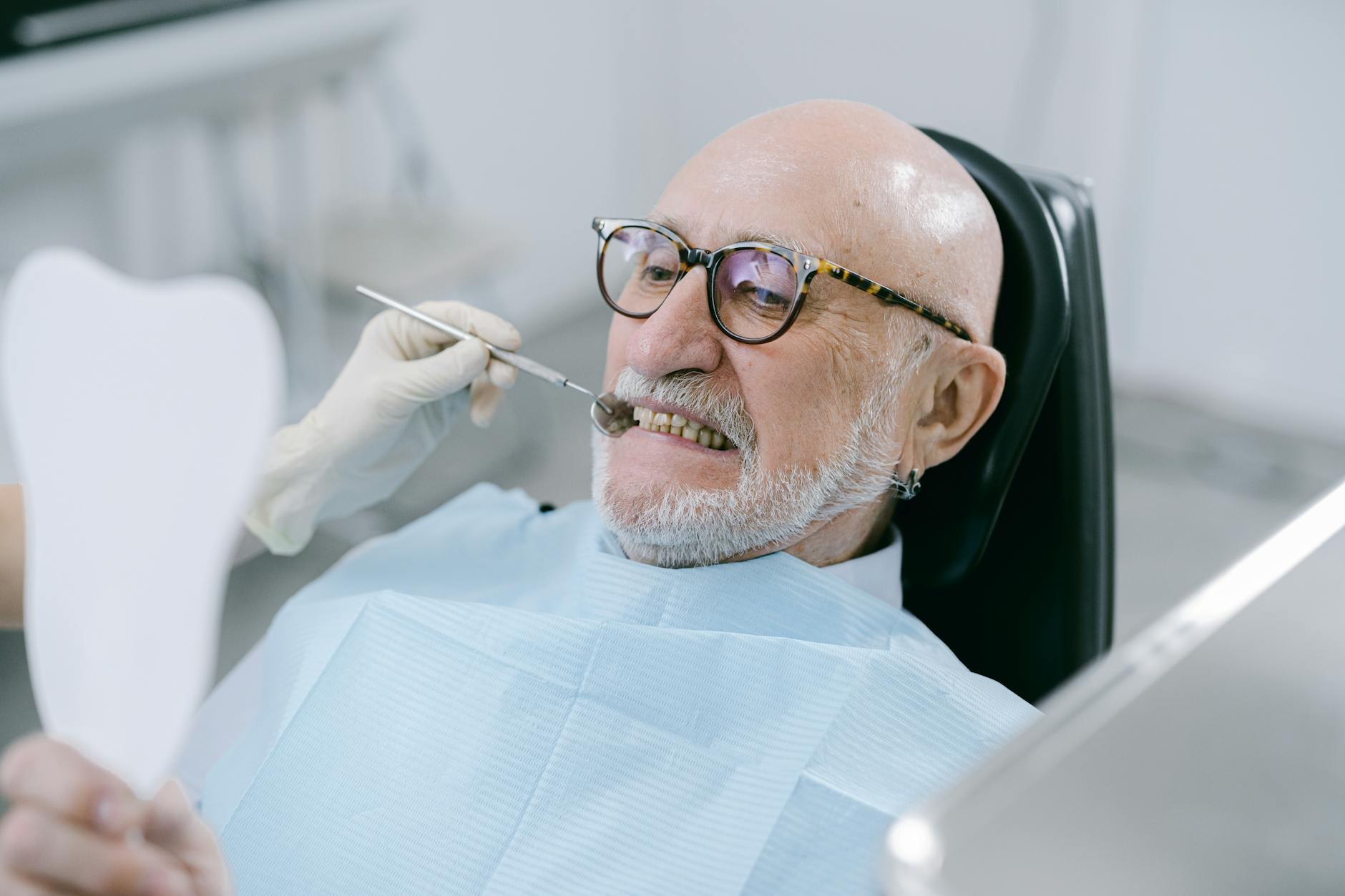
The differences between implant-supported and conventional dentures go far beyond just stability:
| Feature | Traditional Dentures | Implant-Supported Dentures |
|---|---|---|
| Stability | Relies on suction/adhesive | Locked to implants |
| Bite force restored | 20–25% | 85–90% (fixed) / 60–70% (removable) |
| Bone preservation | No — bone continues to resorb | Yes — implants stimulate bone |
| Adhesive required | Often yes | No |
| Dietary restrictions | Many (hard, sticky, crunchy foods) | Minimal to none (fixed type) |
| Lifespan | 5–8 years (needs relining) | 15–20+ years (implants are permanent) |
| Facial appearance | Gradual collapse from bone loss | Maintained — bone supported |
A pivotal study in the Journal of Dental Research demonstrated that patients wearing traditional dentures lose an average of 1 mm of mandibular bone height per year. Over a decade, this results in the sunken facial appearance and difficulty wearing dentures that so many long-term denture wearers experience. Implant-supported dentures interrupt this cycle by transferring chewing forces directly to the bone, maintaining its density and volume.
Who Is a Good Candidate?
Implant-supported dentures are an excellent option for patients who:
- Are currently wearing dentures and frustrated with poor fit, slipping, or dietary limitations.
- Are about to lose remaining teeth and want a superior alternative to conventional dentures.
- Have adequate bone density to support implants, or are willing to undergo bone grafting to build the foundation.
- Are in good general health and can undergo minor oral surgery under local anesthesia.
- Are committed to proper oral hygiene and regular dental follow-ups.
Patients with severe bone loss may still qualify. Options include bone grafting, the use of longer zygomatic implants, or alternative implant strategies that work with reduced bone volume. Your 3D CBCT scan at Smile Dental Center will reveal exactly how much bone is available and which approach is most appropriate.
Recovery and Long-Term Care
Immediate Recovery (Days 1–14)
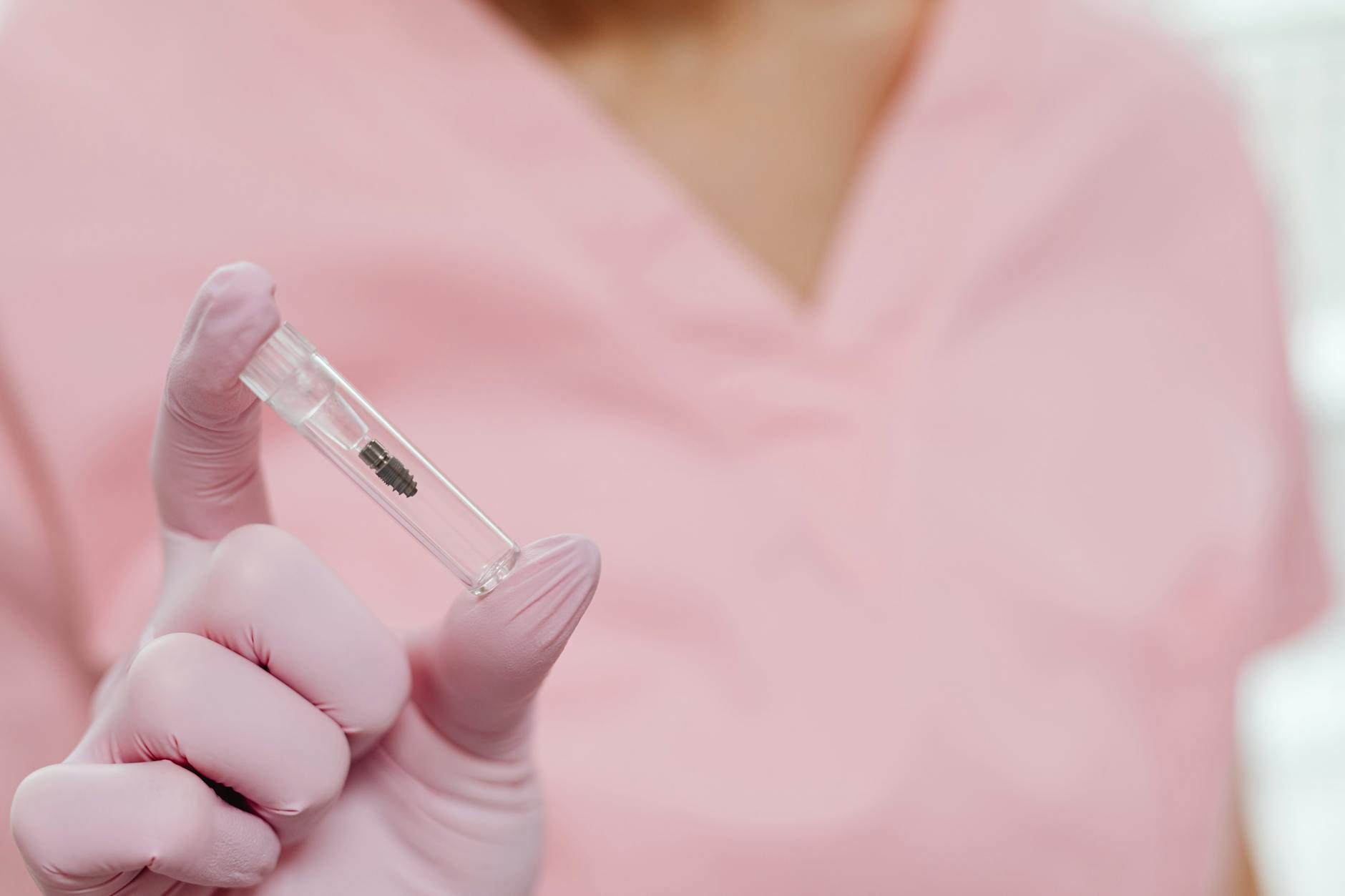
After implant placement, expect mild to moderate swelling and discomfort for the first 3–5 days. Pain is typically well-managed with prescribed or over-the-counter medication. A soft-food diet is recommended for the first 1–2 weeks. Most patients return to daily activities within 2–3 days.
Osseointegration Period (Months 1–6)
During this phase, the implants gradually fuse with your jawbone. You will wear a temporary denture or prosthesis. Avoid placing excessive force on the implants during this period. Follow-up appointments at regular intervals allow us to monitor healing progress.
Long-Term Maintenance
Once your final prosthesis is in place, maintaining it is straightforward:
- Removable overdentures: Remove nightly for cleaning. Brush the denture and clean around the implant attachments with a soft brush. O-rings or attachment clips should be replaced every 6–12 months (a quick, inexpensive office visit).
- Fixed prostheses: Clean around the prosthesis with a water flosser and interdental brushes. Professional cleanings every 6 months keep the implants and surrounding tissue healthy.
- Regular check-ups: Biannual visits allow us to check implant stability, attachment function, and overall oral health.
For insights on what the healing process feels like, read our article on dental implant pain and recovery. And to explore whether a full-mouth restoration might be the right comprehensive approach for your situation, we are happy to discuss all options during your consultation.
Frequently Asked Questions
How many implants do I need for implant-supported dentures?
The number depends on the type of denture and which jaw is being restored. A lower overdenture can be supported by as few as 2 implants, though 4 provides better stability. Upper overdentures typically need 4–6 implants due to softer bone density. Fixed All-on-4 prostheses use 4 implants per arch as the name implies, while All-on-6 uses 6 for added support.
Can I sleep with implant-supported dentures in?
For removable overdentures, we recommend removing them at night to let the gum tissue rest and to clean the attachments. For fixed implant dentures (All-on-4 style), the prosthesis stays in permanently—you sleep with them just as you would with natural teeth.
How long does the entire process take from start to finish?
The full timeline ranges from 4–9 months depending on whether bone grafting is needed and the type of prosthesis chosen. Immediate-load All-on-4 protocols can provide a temporary fixed set of teeth on the same day as implant placement, with the final prosthesis delivered 4–6 months later.
Will implant-supported dentures look natural?
Yes. Modern implant dentures are fabricated using high-quality acrylic or zirconia with individually characterized teeth. The prosthesis is custom-designed to complement your facial features, skin tone, and desired smile aesthetics. Fixed implant dentures, in particular, are virtually indistinguishable from natural teeth.
What happens if an implant fails under my denture?
Implant failure in overdenture cases is uncommon (less than 5% over 10 years according to Clinical Oral Implants Research). If a single implant fails, the denture can often continue to function on the remaining implants while a replacement implant is placed and allowed to heal. Your treatment plan accounts for this possibility, which is one reason we often recommend more implants than the minimum required.
Tired of Loose, Uncomfortable Dentures?
Implant-supported dentures can transform your ability to eat, speak, and smile with confidence. Schedule a consultation at Smile Dental Center Miami to find out which implant denture option fits your needs and budget.
Message us on WhatsApp or call (786) 560-7567 to book your consultation.