

Key Takeaways
- Mini dental implants (MDIs) are 1.8–3.0 mm in diameter—about half the size of traditional implants—making them ideal for patients with limited bone density.
- MDIs in Miami typically cost $500–$1,500 per implant, significantly less than standard implants starting at $3,000.
- The procedure is minimally invasive with no incisions or stitches in most cases, and patients can often eat the same day.
- Mini implants are FDA-approved for denture stabilization and select single-tooth restorations but are not suitable for all cases.
- A thorough evaluation with 3D CBCT imaging determines whether mini or traditional implants are the better choice for your situation.
If you have been told you do not have enough bone for dental implants—or if the cost of traditional implants has put them out of reach—mini dental implants may be the solution you have been looking for. These smaller-diameter implants have gained significant traction in modern dentistry, particularly for stabilizing loose dentures and restoring function in patients with compromised bone.
At Smile Dental Center in Miami, we offer both mini and traditional implant options and use 3D imaging to recommend the approach that will deliver the best long-term results for your specific case. This guide breaks down what mini implants are, how they compare to standard implants, what they cost, and who qualifies.
What Are Mini Dental Implants?
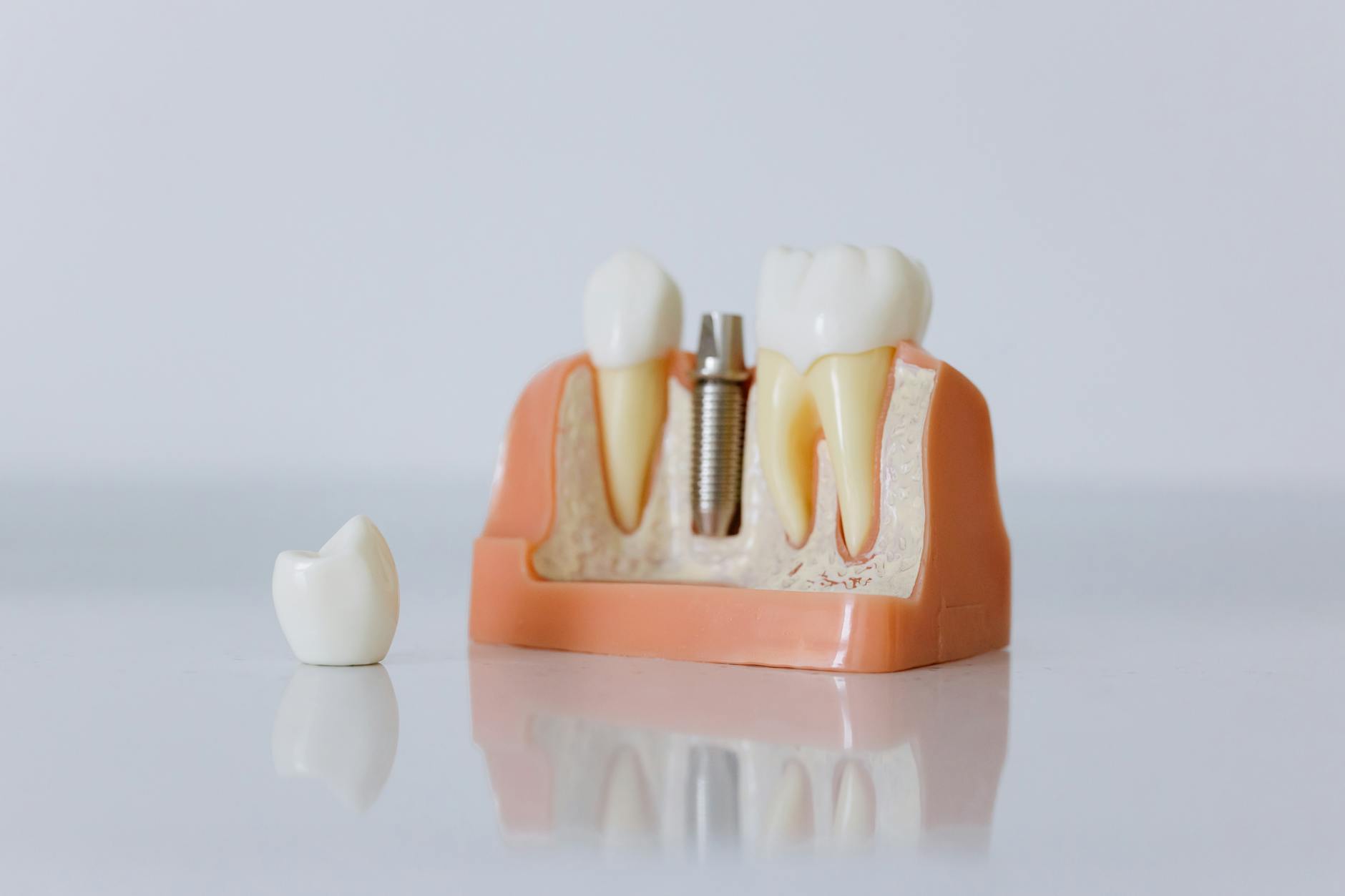
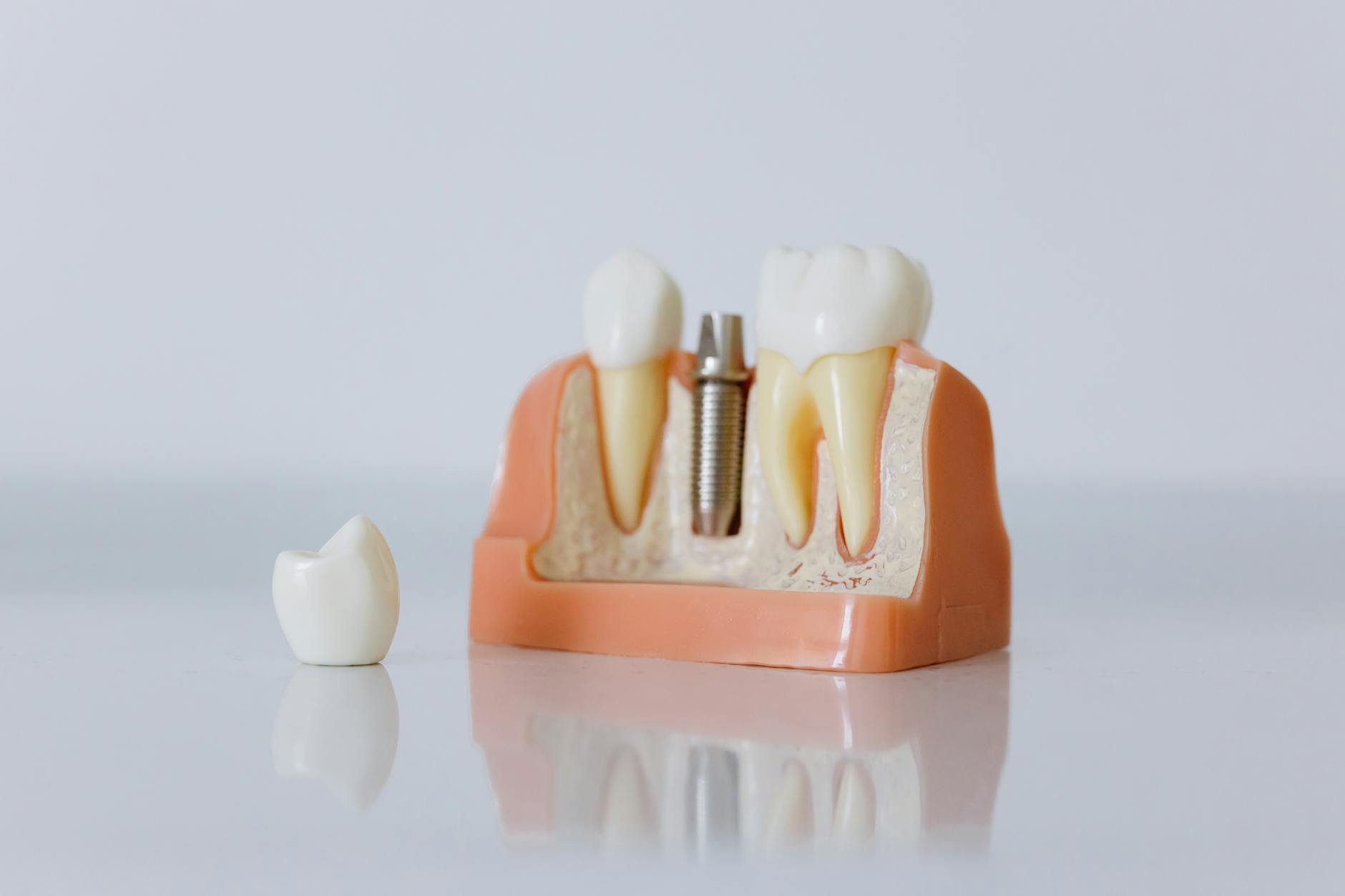
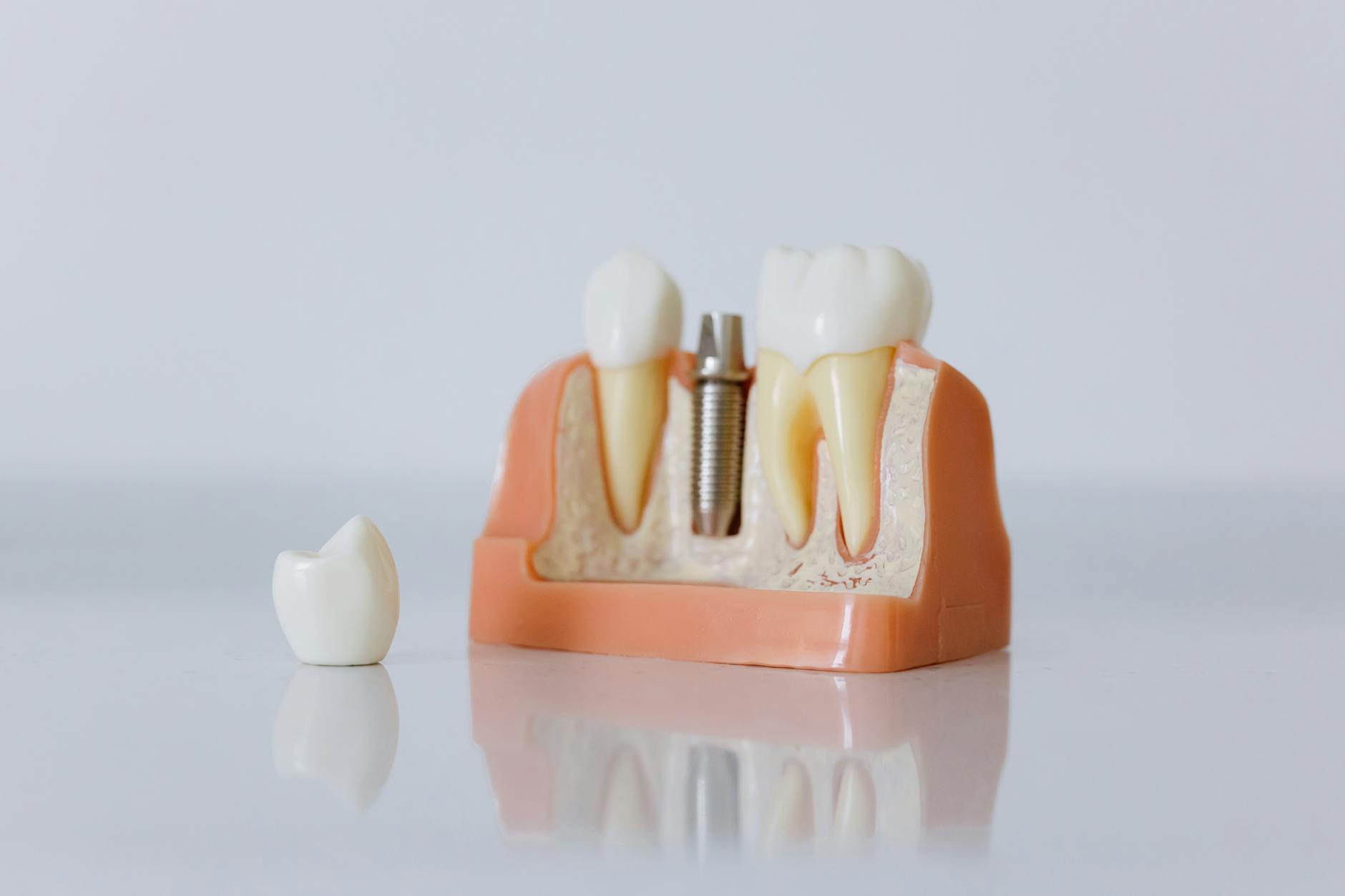
Mini dental implants (MDIs) are titanium posts that function like traditional implants but at a smaller scale. While conventional implants measure 3.5–6.0 mm in diameter, mini implants range from just 1.8–3.0 mm. This smaller profile has several clinical implications:
- Single-piece design: Most MDIs come as one unit (post and ball-shaped head combined), eliminating the separate abutment component used in traditional implants.
- Less bone required: The narrower diameter means MDIs can be placed in areas where bone width is insufficient for standard implants.
- Flapless placement: MDIs are typically placed through the gum tissue without making an incision, resulting in less trauma and faster healing.
- Immediate loading: In many cases, dentures or restorations can be attached to mini implants on the same day as placement.
The FDA first approved mini dental implants for long-term use in 1997, and their applications have expanded steadily. A systematic review in the Journal of Oral Rehabilitation (2021) reported survival rates of 91–95% for MDIs used in denture stabilization over 5-year follow-up periods.
Mini vs. Traditional Dental Implants
Understanding the differences between mini and traditional implants helps you make an informed decision. Here is a side-by-side comparison:
| Feature | Mini Implants | Traditional Implants |
|---|---|---|
| Diameter | 1.8–3.0 mm | 3.5–6.0 mm |
| Surgery type | Flapless (minimally invasive) | Flap surgery (incision required) |
| Healing time | Often same-day loading | 3–6 months osseointegration |
| Bone requirement | Minimal | Moderate to substantial |
| Best for | Denture stabilization, narrow ridges | Single teeth, bridges, full-arch |
| Load-bearing capacity | Lower (not for heavy bite forces) | High (full bite force restoration) |
| Cost per implant (Miami) | $500–$1,500 | From $3,000 |
| Long-term survival rate | 91–95% (5 years) | 95–98% (10+ years) |
The key takeaway: mini implants are an excellent option for specific situations but are not a universal replacement for traditional implants. For cases requiring maximum durability—such as single-tooth restorations in the molar region or full-arch fixed prostheses—traditional dental implants remain the gold standard.
Mini Dental Implant Cost in Miami (2026 Pricing)
One of the biggest advantages of mini implants is affordability. Here is what you can expect to pay in the Miami area:
- Single mini implant: $500–$1,500 (implant only)
- Denture stabilization (4 MDIs + denture modification): $3,000–$6,000 per arch
- Full set of mini implants with new overdenture: $5,000–$10,000 per arch
Compare this to traditional implant-supported options: a full-arch All-on-4 restoration typically ranges from $15,000–$25,000 per arch. For patients on a budget who primarily need denture retention, mini implants deliver meaningful improvement at a fraction of the cost.
For a comprehensive breakdown of implant pricing across all options, see our dental implant cost guide.
Does Insurance Cover Mini Dental Implants?
Insurance coverage for MDIs varies by plan. Some dental insurance policies cover a portion of implant costs (typically $1,000–$2,000 annually), and mini implants may qualify under the same benefit category as traditional implants. We recommend verifying your specific coverage before treatment. Smile Dental Center also offers financing options to help manage out-of-pocket costs.
Who Is a Candidate for Mini Implants?
Mini implants are particularly well-suited for:
- Denture wearers with loose or uncomfortable lower dentures who want improved stability without full implant surgery.
- Patients with bone loss who lack sufficient bone width for traditional implants and want to avoid bone grafting procedures.
- Older patients or those with health conditions that make longer surgical procedures inadvisable.
- Budget-conscious patients who need a functional improvement now and may upgrade to traditional implants later.
- Patients needing temporary anchorage during orthodontic treatment.
Mini implants may not be the best choice if you need to replace molars (high bite-force areas), require a fixed (non-removable) restoration, or have sufficient bone for traditional implants and want maximum longevity. A 3D CBCT scan at our office will clarify exactly which option suits your anatomy and goals.
The Mini Implant Procedure: What to Expect
One of the biggest advantages of mini implants is the simplicity of the procedure:
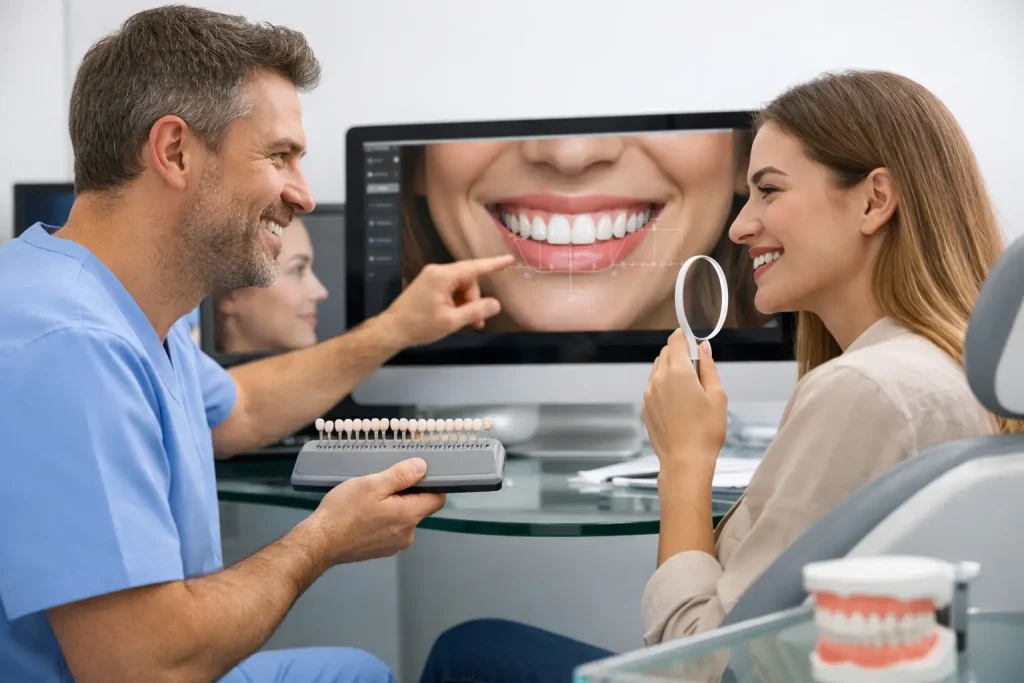
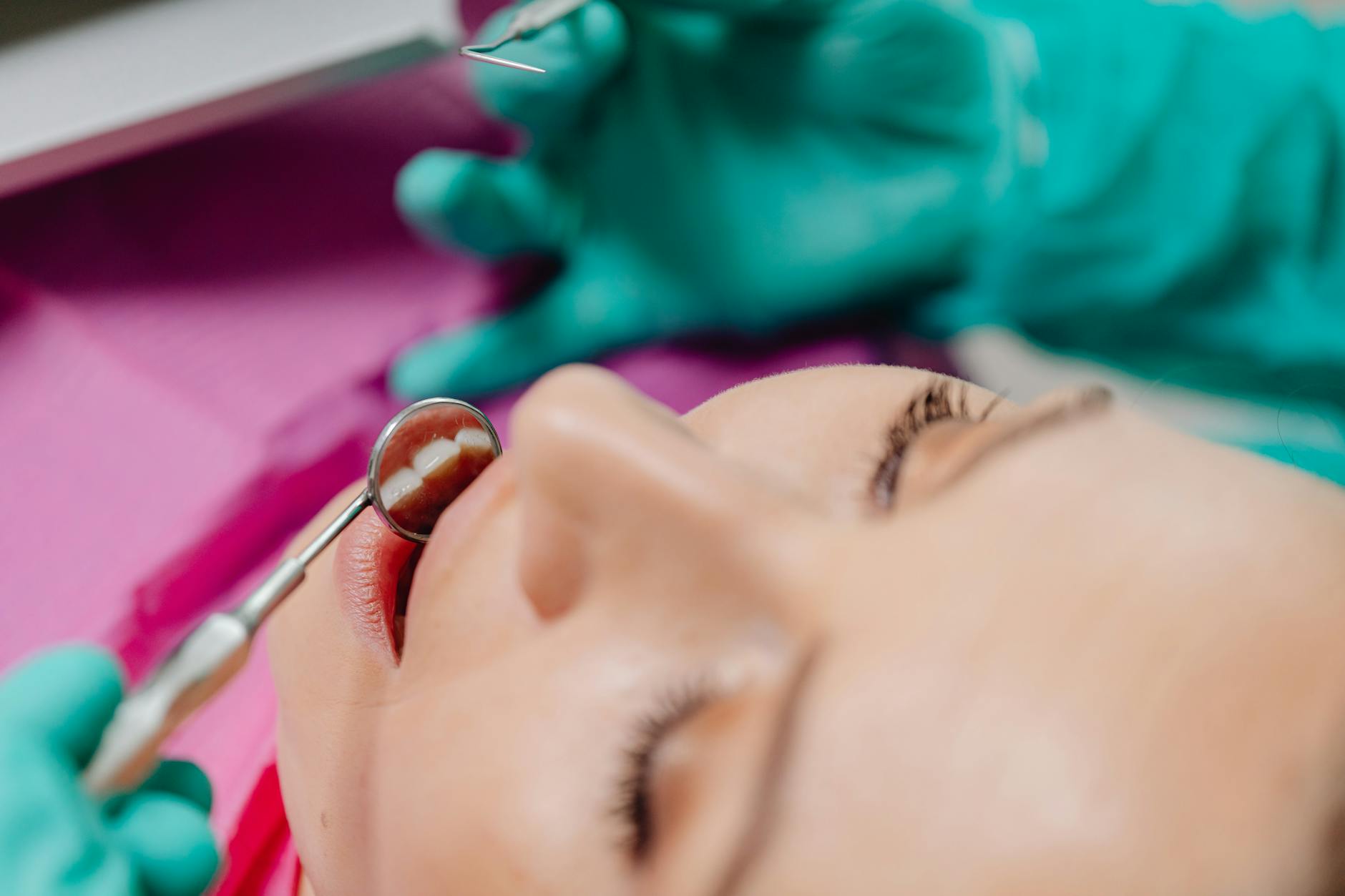
- Consultation and 3D imaging: We take a CBCT scan to evaluate your bone density, width, and the optimal placement positions. Your treatment plan is finalized based on this data.
- Local anesthesia: The treatment area is numbed. Because the procedure is minimally invasive, general anesthesia is rarely necessary.
- Flapless placement: The mini implant is inserted directly through the gum tissue into the bone using a specialized drill. No incision or flap is needed in most cases. Each implant takes approximately 10–15 minutes to place.
- Immediate attachment: If you are having denture stabilization, your existing denture is modified chairside with housing attachments that snap onto the implant heads. You can often leave the office with a stabilized denture the same day.
- Follow-up: A check-up is scheduled within 1–2 weeks to ensure proper healing and attachment function.
Most patients report minimal discomfort after the procedure—far less than with traditional implant surgery. Over-the-counter pain relievers are usually sufficient. For more details on managing post-implant discomfort, read our guide on dental implant pain and what to expect.
Benefits and Limitations of Mini Implants
Benefits
- Lower cost than traditional implants (50–70% less per implant).
- Faster procedure with minimal recovery time.
- No bone grafting needed in most cases.
- Same-day results for denture stabilization.
- Less post-operative discomfort due to flapless technique.
- Suitable for medically compromised patients who cannot undergo longer surgical procedures.
Limitations
- Lower load-bearing capacity: Not suitable for replacing back teeth that handle heavy chewing forces.
- Shorter documented track record: Long-term data (15+ years) is less extensive than for traditional implants.
- Not ideal for fixed prostheses: MDIs work best with removable overdentures rather than permanently cemented restorations.
- Higher long-term failure rate: The International Journal of Oral & Maxillofacial Implants notes that MDI failure rates are slightly higher than standard implants, particularly in the upper jaw.
Mini Implants for Denture Stabilization
The most common and well-documented use of mini implants is stabilizing removable dentures, particularly lower dentures. Traditional lower dentures are notorious for slipping during eating and speaking because the lower jaw offers less surface area for suction compared to the upper palate.
A study in the Journal of Prosthetic Dentistry found that patients who received mini implant-retained overdentures reported a significant improvement in satisfaction, chewing ability, and quality of life compared to conventional dentures alone.
Typically, 4 mini implants are placed along the front of the lower jaw, and the denture is fitted with O-ring or ball attachments that snap onto the implant heads. The denture is still removable for cleaning but stays firmly in place during use.
For patients considering a more permanent solution, implant-supported dentures using traditional-size implants provide even greater stability and can support a fixed (non-removable) prosthesis.
Frequently Asked Questions
How long do mini dental implants last?
With proper care, mini dental implants can last 10–15 years or longer. Clinical studies show 5-year survival rates of 91–95%. However, their longevity depends on factors like bone quality, oral hygiene, and the forces applied to them. Traditional implants generally offer longer documented lifespans of 20–25+ years.
Is the mini implant procedure painful?
Most patients report little to no pain during the procedure, which is performed under local anesthesia. Post-operative discomfort is typically mild and manageable with over-the-counter pain medication like ibuprofen. Because no incision or stitches are needed, recovery is significantly easier than with traditional implant surgery.
Can mini implants replace a single missing tooth?
In certain cases, yes—particularly for smaller front teeth (incisors and premolars) where bite forces are lower. However, for molars or areas subject to heavy chewing pressure, traditional implants are the recommended choice. Your dentist will evaluate whether a mini implant can safely support a single crown based on your 3D scan.
Do mini implants require bone grafting?
In most cases, no. One of the primary advantages of mini implants is that they can be placed in narrow bone ridges that would require grafting for traditional implants. This eliminates the additional surgery, cost, and healing time associated with bone grafts. However, a minimum amount of bone is still necessary—your CBCT scan will confirm eligibility.
Can I upgrade from mini implants to traditional implants later?
Yes, many patients use mini implants as a transitional solution and later upgrade to traditional implants when budget or health circumstances allow. The mini implants can be removed, and traditional implants placed in the same general area after adequate healing. Discuss this staged approach with your dentist during the planning phase.
Find Out If Mini Implants Are Right for You
At Smile Dental Center Miami, we use 3D CBCT imaging to determine whether mini or traditional implants will deliver the best outcome for your situation. Get a personalized recommendation and transparent pricing in one visit.
Message us on WhatsApp or call (786) 560-7567 to book your consultation.