

By the Clinical Team at Smile Dental Center — Last updated: March 2026
At Smile Dental Center, we perform sinus lift procedures as part of implant preparation for patients who have insufficient bone height in the upper jaw — a situation we encounter regularly, especially in patients who have been missing upper back teeth for a year or more. Over the course of more than 600 implant cases handled at our Miami and Medellín locations, the question that comes up most consistently after a patient is told they need a sinus lift is: how long does recovery take, and will it hurt? This guide provides the honest, detailed answers that help our patients plan confidently for the road ahead.
- A sinus lift (sinus augmentation) adds bone volume to the upper jaw when insufficient bone height would compromise implant stability.
- Two main techniques: lateral window (more bone needed, 4–12 months healing) and crestal/transcrestal (less invasive, 3–6 months healing).
- Pain is manageable — typically 3–5/10 during the first 3 days, resolving to 1–2/10 by week two.
- Critical restrictions: no nose blowing, sneezing with open mouth, straws, or smoking for at least 2 weeks.
- Success rates are approximately 95% — a sinus lift is a well-established, predictable procedure.
What Is a Sinus Lift and Why Is It Needed?
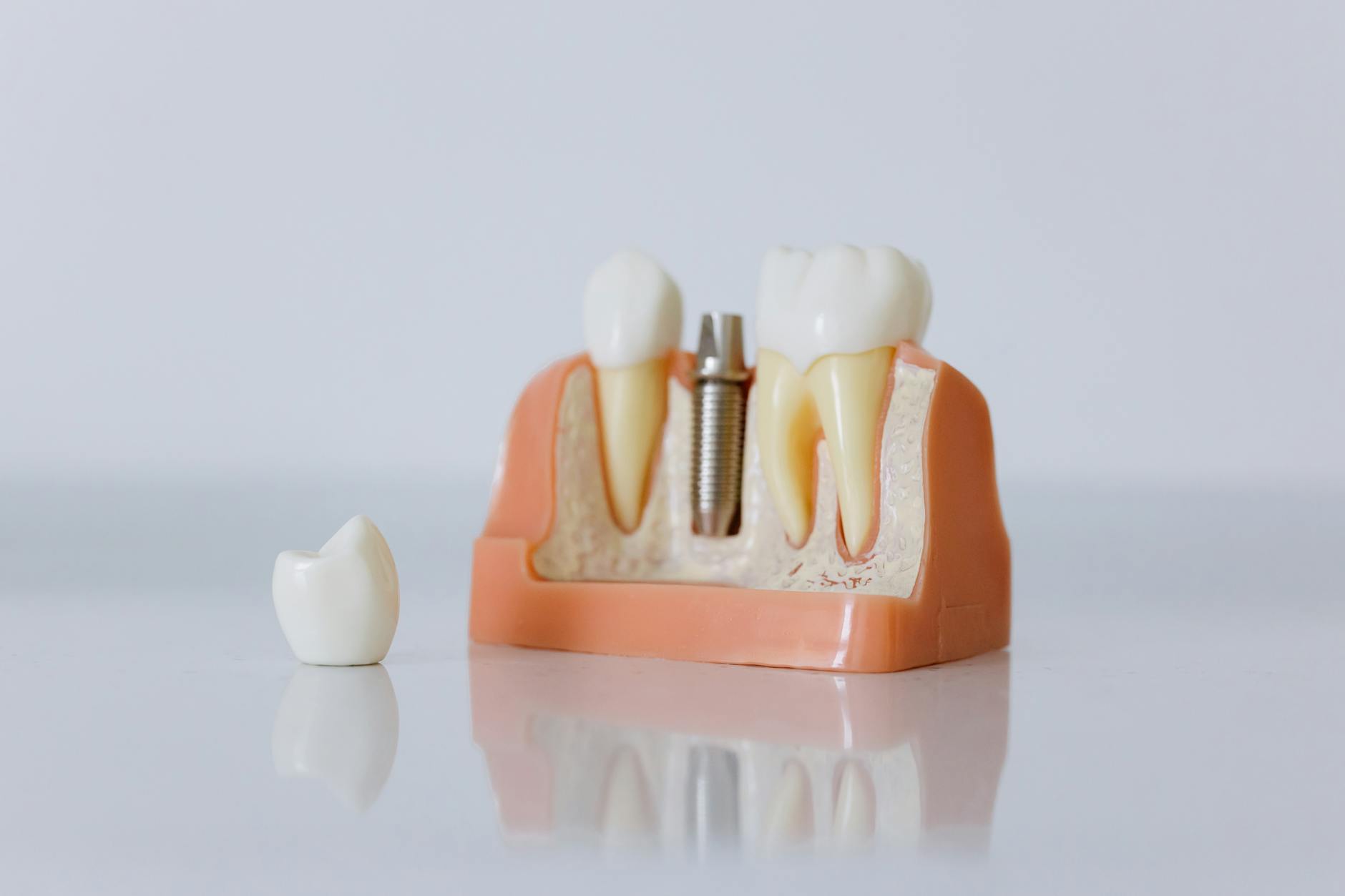
The maxillary sinuses are air-filled cavities located just above the upper back teeth (premolars and molars). When upper teeth are lost and not replaced promptly, two things happen simultaneously: the jawbone resorbs (shrinks), and the sinus floor descends to fill the available space. The result is a reduced vertical dimension of bone — sometimes as little as 3–5 mm — where a dental implant requires a minimum of 10 mm to be placed safely.
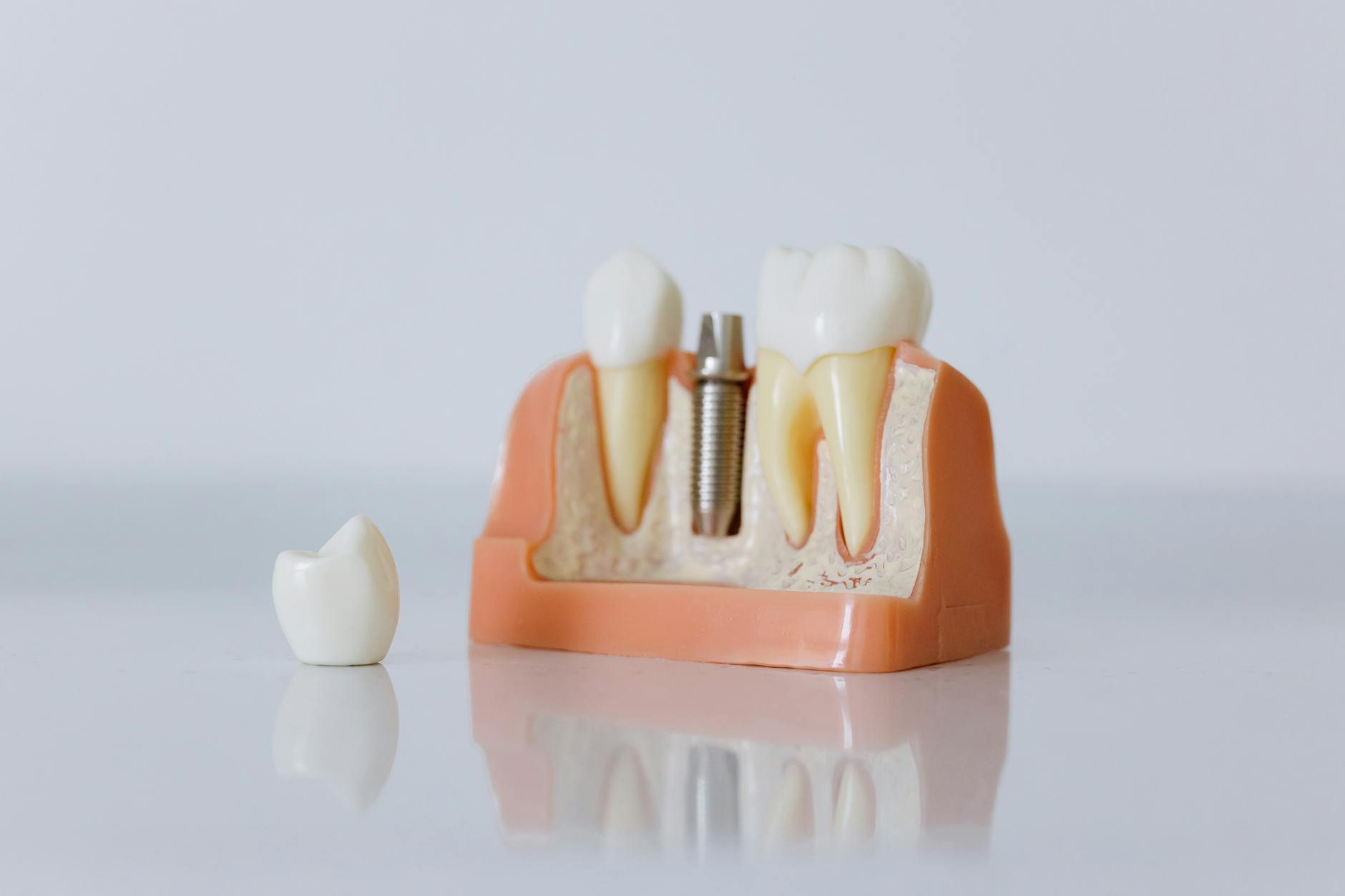
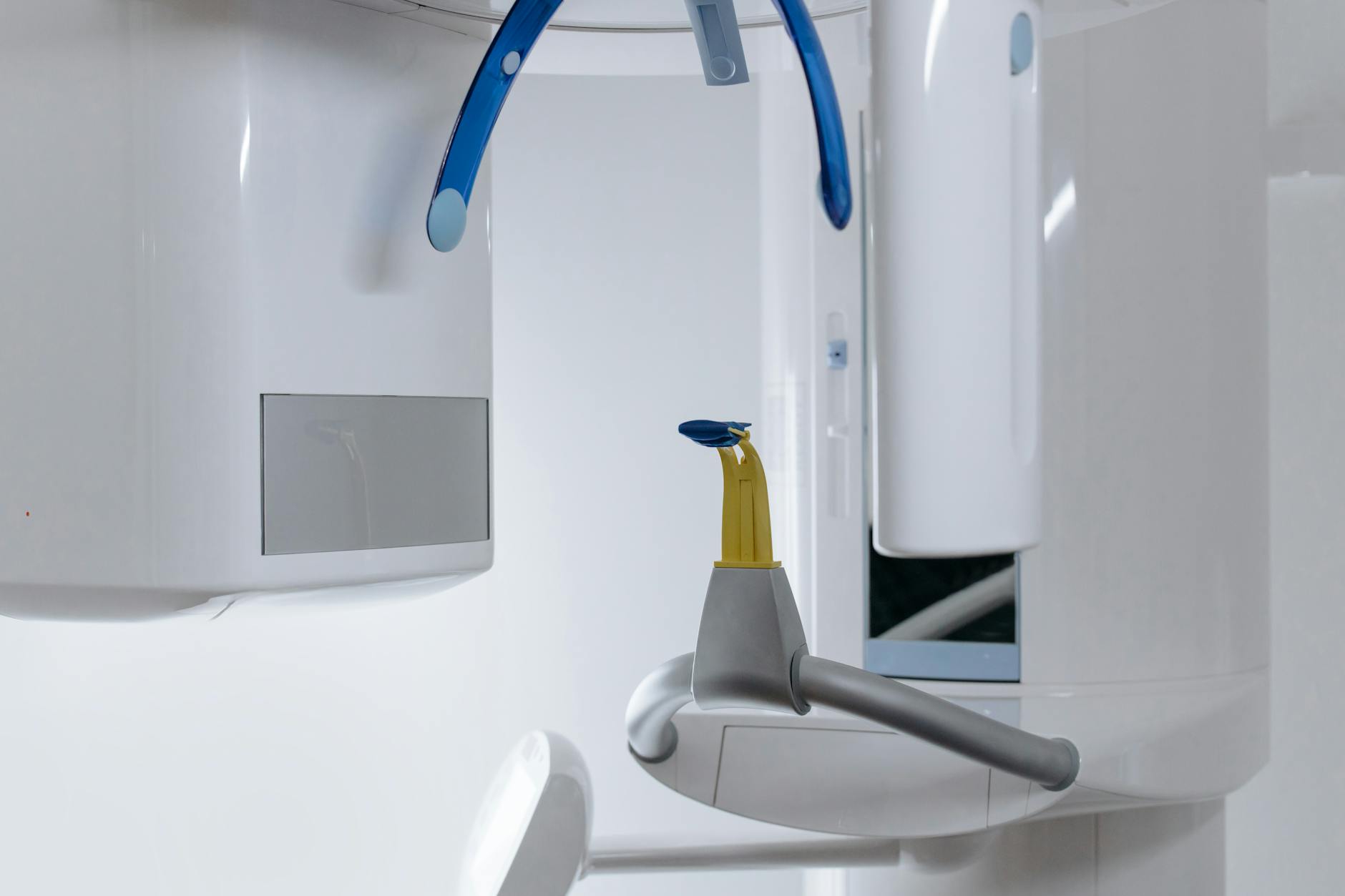
A sinus lift solves this by lifting the sinus membrane upward and packing the created space with bone graft material. Over the following months, the graft integrates with existing bone, creating the volume needed to support implants. If you are planning dental implants in Miami, your surgeon will take a 3D CBCT scan to precisely measure available bone height before recommending whether a sinus lift is required.
Sinus Lift Techniques: Lateral Window vs. Crestal
Lateral Window Sinus Lift
The traditional approach, used when significant bone volume is needed (typically when available bone height is under 5–6 mm). The surgeon creates a small opening in the outer wall of the sinus, gently elevates the sinus membrane, and packs the space below with graft material. The window is then closed with a membrane and stitches.
- Procedure time: 1.5–2.5 hours per side
- Bone added: Can add 8–12 mm of bone height
- Healing before implant: 4–12 months
- Best for: Severe bone loss (<5 mm available height)
Crestal (Transcrestal) Sinus Lift
A minimally invasive technique performed through the implant site itself. The surgeon uses specialized instruments to gently push the sinus floor upward rather than creating an external window. This is appropriate when moderate bone height is present (6–9 mm).
- Procedure time: 45–90 minutes
- Bone added: Typically 2–5 mm
- Healing before implant: 3–6 months (or sometimes simultaneously with implant placement)
- Best for: Moderate bone loss (6–9 mm available height)
Recovery Timeline: Week by Week
Day 1 (Day of Surgery)
You will return home with gauze in place, mild to moderate swelling beginning around the cheek and eye area, and numbness from the local anesthetic. Most patients describe a pain level of 3–4 out of 10 as the anesthetic wears off. Take prescribed pain medication on schedule before it fully wears off, not after. Sleep with your head elevated to reduce swelling. Do not blow your nose under any circumstances — even a gentle blow can displace the graft material and cause membrane perforation.
Days 2–4
Swelling and bruising typically peak on day 2–3 before beginning to subside. Pain averages 3–5 out of 10 and is controlled well with prescribed medication or ibuprofen (if your surgeon approves). Some patients notice slight bleeding from the nose — this is normal in small amounts but should be reported if it is heavy or persistent. Continue cold compresses on the cheek (20 minutes on, 20 minutes off) to manage swelling.
Week 1–2
Swelling subsides significantly. Stitches are typically removed or dissolve at the 1-week mark. Pain drops to 1–2 out of 10 and most patients discontinue prescription pain medication, switching to OTC ibuprofen or acetaminophen as needed. Soft food diet continues. Avoid any activity that creates pressure in the nasal or sinus cavities: no sneezing with a closed mouth, no strenuous exercise, no wind instruments.
Months 1–4
The graft material undergoes early integration with existing bone. The surgical site is externally healed and most patients feel entirely normal. A follow-up CBCT scan is typically taken at 3–4 months to assess bone density and integration. Avoid contact sports or high-impact activities that risk facial trauma during this period.
Months 4–12
For lateral window sinus lifts, final maturation of the graft continues
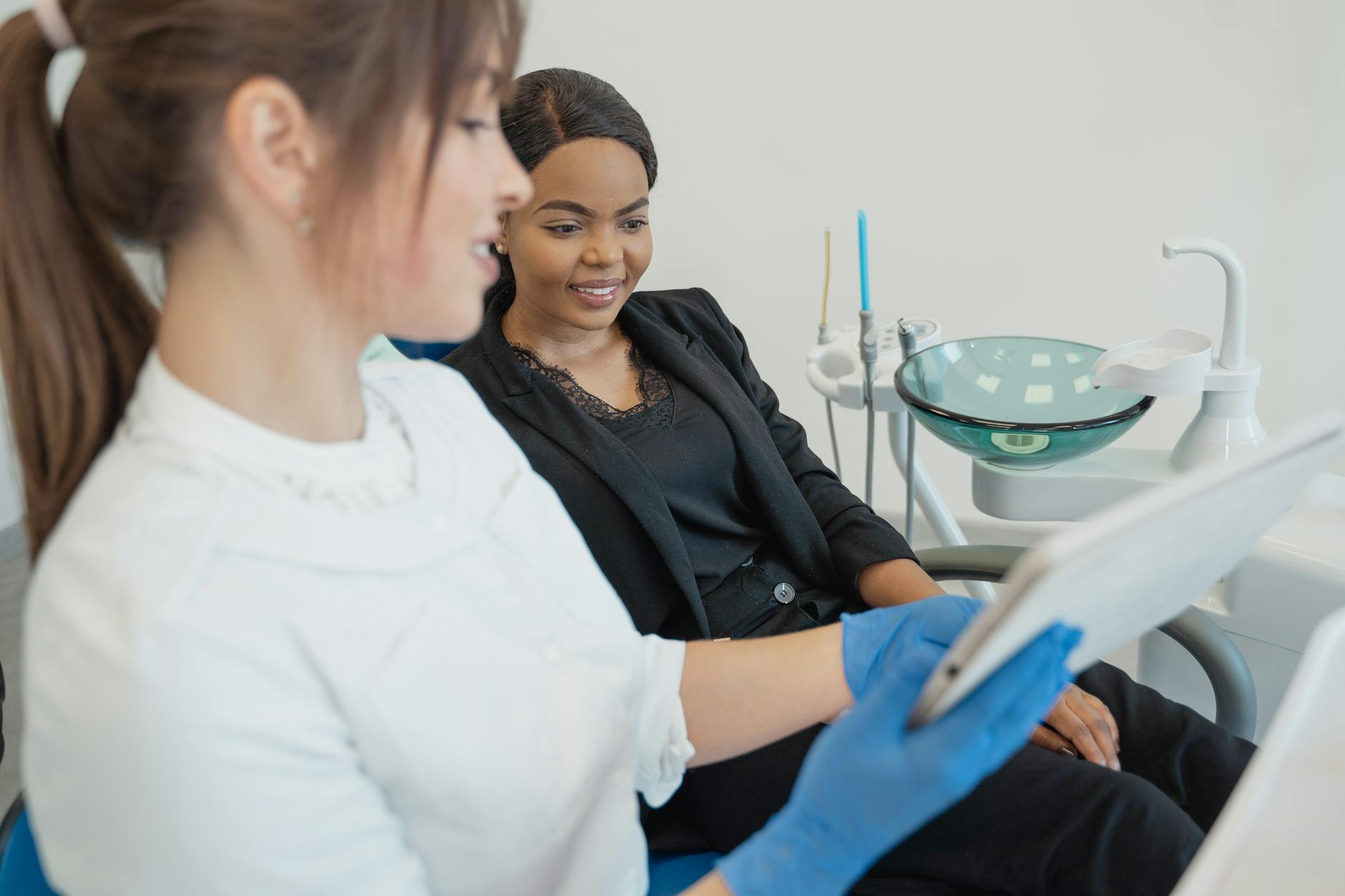
. Your surgeon will determine readiness for implant placement based on imaging, typically at 4–6 months for crestal approaches and 6–12 months for lateral window procedures. Implant placement once sufficient bone density is confirmed proceeds exactly as for a standard dental implant case. Review our full guide to dental bone graft recovery for more detail on bone graft integration timelines.
What to Avoid After a Sinus Lift
The sinus membrane is delicate, and the most serious post-operative complication — membrane perforation leading to graft loss — is almost always caused by pressure changes in the sinus cavity. Follow these restrictions precisely:
| What to Avoid | Duration | Why |
|---|---|---|
| Blowing your nose | 2–4 weeks minimum | Pressure can displace graft |
| Sneezing with closed mouth | 4–6 weeks | Forces air into sinus under pressure |
| Drinking through straws | 2–3 weeks | Negative pressure can disturb graft |
| Smoking | Minimum 4 weeks; ideally permanently | Compromises blood supply and osseointegration |
| Strenuous exercise | 1–2 weeks | Raises blood pressure; increases bleeding risk |
| Hard or crunchy foods | 1–2 weeks | Biting forces near the surgical site |
| SCUBA diving / flying | 3–4 weeks (discuss with surgeon) |
Research published on PubMed/NCBI consistently identifies smoking and post-operative pressure events as the two primary modifiable risk factors for sinus lift complications. Non-smokers who follow post-operative instructions achieve success rates of approximately 95%.
Signs That Your Sinus Lift Is Healing Well
The following are positive indicators of normal, healthy healing:
- Swelling and bruising decrease progressively after day 3
- Pain reduces steadily from day to day
- Stitches remain intact until the scheduled removal date
- No foul odor or discharge from the surgical site
- No significant nasal bleeding beyond day 1–2
- Ability to breathe through the nose normally by week 2
Warning Signs to Report Immediately
- Fever above 101°F (38.3°C) that does not respond to acetaminophen
- Increasing pain or swelling after day 3 (should be decreasing)
- Heavy nasal bleeding
- Graft material or bone particles falling out through the nose
- Pus, strong odor, or unusual discharge from the wound
- Sudden pressure or congestion feeling in the sinus area after days of improvement
For patients considering the full implant journey, including what happens after bone heals, see our guide on All-on-4 dental implant costs. The American Dental Association’s resources on dental implants also provide detailed guidance on the full implant treatment sequence for patients evaluating their options.
Frequently Asked Questions
How long does sinus lift recovery take?
The initial recovery — meaning the time until the surgical site is externally healed and you feel normal day-to-day — is approximately 2–4 weeks. However, the bone graft inside the sinus continues integrating with existing bone for months longer. Implants can typically be placed 3–6 months after a crestal sinus lift and 6–12 months after a lateral window approach. Your surgeon will use imaging to confirm readiness rather than relying on time alone.
Is a sinus lift painful?
A sinus lift is performed under local anesthesia, so you will not feel pain during the procedure itself — only pressure and vibration. Post-operatively, most patients rate discomfort at 3–5 out of 10 during the first 3 days, dropping to 1–2 out of 10 by week two. The majority of patients manage this with over-the-counter ibuprofen or a short course of prescribed pain medication. The procedure is considerably less painful than most patients fear beforehand, and surveys show high satisfaction with post-operative comfort management.
What should I avoid after a sinus lift?
The most critical restrictions are: do not blow your nose for at least 2–4 weeks, do not sneeze with a closed mouth for 4–6 weeks (sneeze with your mouth open to release pressure safely), avoid straws for 2–3 weeks, and do not smoke for a minimum of 4 weeks. These restrictions protect the sinus membrane and graft from pressure changes that could displace the graft material. Strenuous exercise should also be avoided for 1–2 weeks, and you should stick to soft foods during the first week or two.
How long after a sinus lift can I get a dental implant?
It depends on the technique and the amount of bone grafted. After a crestal sinus lift, implants can often be placed 3–6 months later, and in some cases simultaneously with the sinus lift. After a lateral window sinus lift, the standard healing period is 6–12 months to allow full graft maturation. Your surgeon will order a 3D CBCT scan at the appropriate follow-up interval to measure bone density and confirm when implant placement is safe and likely to succeed.
What are signs that a sinus lift is healing well?
Healthy healing signs include: progressively decreasing swelling and pain after day 3, intact stitches until removal, no fever, no foul smell or unusual discharge from the wound, no heavy nasal bleeding after the first 1–2 days, and the ability to breathe normally through the nose by week two. At follow-up imaging (typically 3–4 months post-procedure), the scan should show bone graft integration beginning in the augmented area. If you experience pain that is worsening rather than improving, fever, or unusual discharge, contact your surgeon promptly.