
Losing an upper back tooth can create a bigger problem than most people expect. By the time you’re ready to replace it, there may not be enough bone left to hold an implant securely. That is where a sinus lift for dental implants can make the difference between being told “you’re not a candidate” and moving forward with a strong, lasting result.
If you’ve heard the term and pictured something extreme, the reality is usually far more straightforward. A sinus lift is a bone-grafting procedure used in the upper jaw, typically in the premolar and molar area, when the sinus sits too low or the bone has thinned after tooth loss. The goal is simple: create enough bone height so your implant has the support it needs.
What is a sinus lift for dental implants?
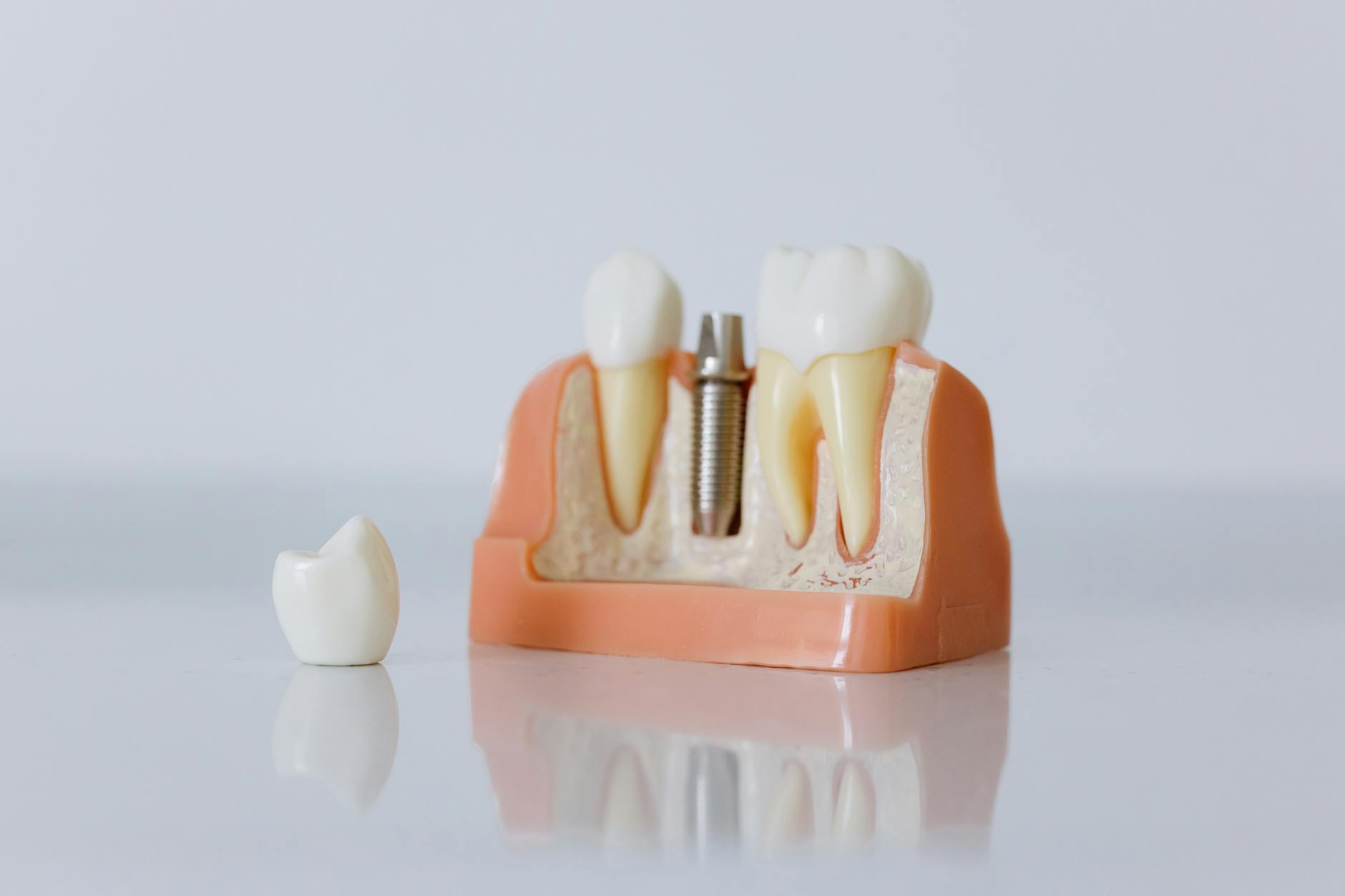
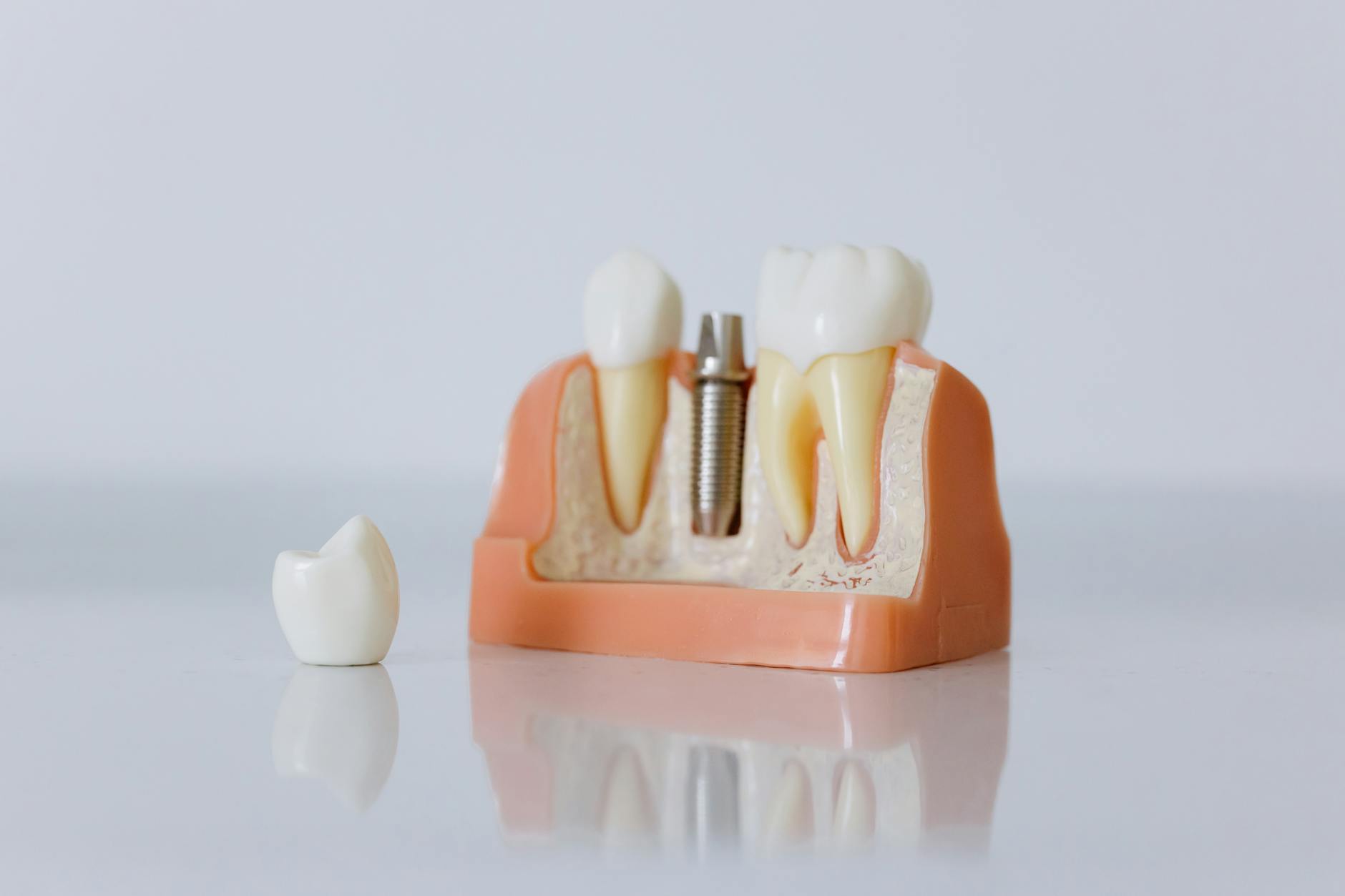
A sinus lift for dental implants is a procedure that adds bone to the upper jaw beneath the sinus membrane. Your maxillary sinuses sit just above the roots of your upper back teeth. When those teeth are missing for a while, the bone in that area can shrink. In some cases, the sinus also expands downward, leaving even less space for an implant.
An implant needs adequate bone to stay stable and integrate properly. If the bone is too thin, placing an implant without correcting that foundation can compromise the result. A sinus lift solves that by gently raising the sinus membrane and placing grafting material in the space below it.
This is not about adding treatment for the sake of it. It is about protecting the outcome. In smile-focused dentistry, the foundation matters just as much as the visible result. When the structure is right, the final restoration can look better, function better, and last longer.
Why bone loss happens in the upper jaw
The upper back jaw is one of the most common areas where implant planning gets more complex. After a tooth is removed or lost, the body starts to resorb the unused bone. Over time, that bone can become too shallow for implant placement.
Some patients naturally have larger sinuses, which means less available bone from the start. Others have been missing teeth for years and are surprised to learn that the timing matters. Gum disease, infection, trauma, and long-term denture wear can also affect the amount and quality of bone.
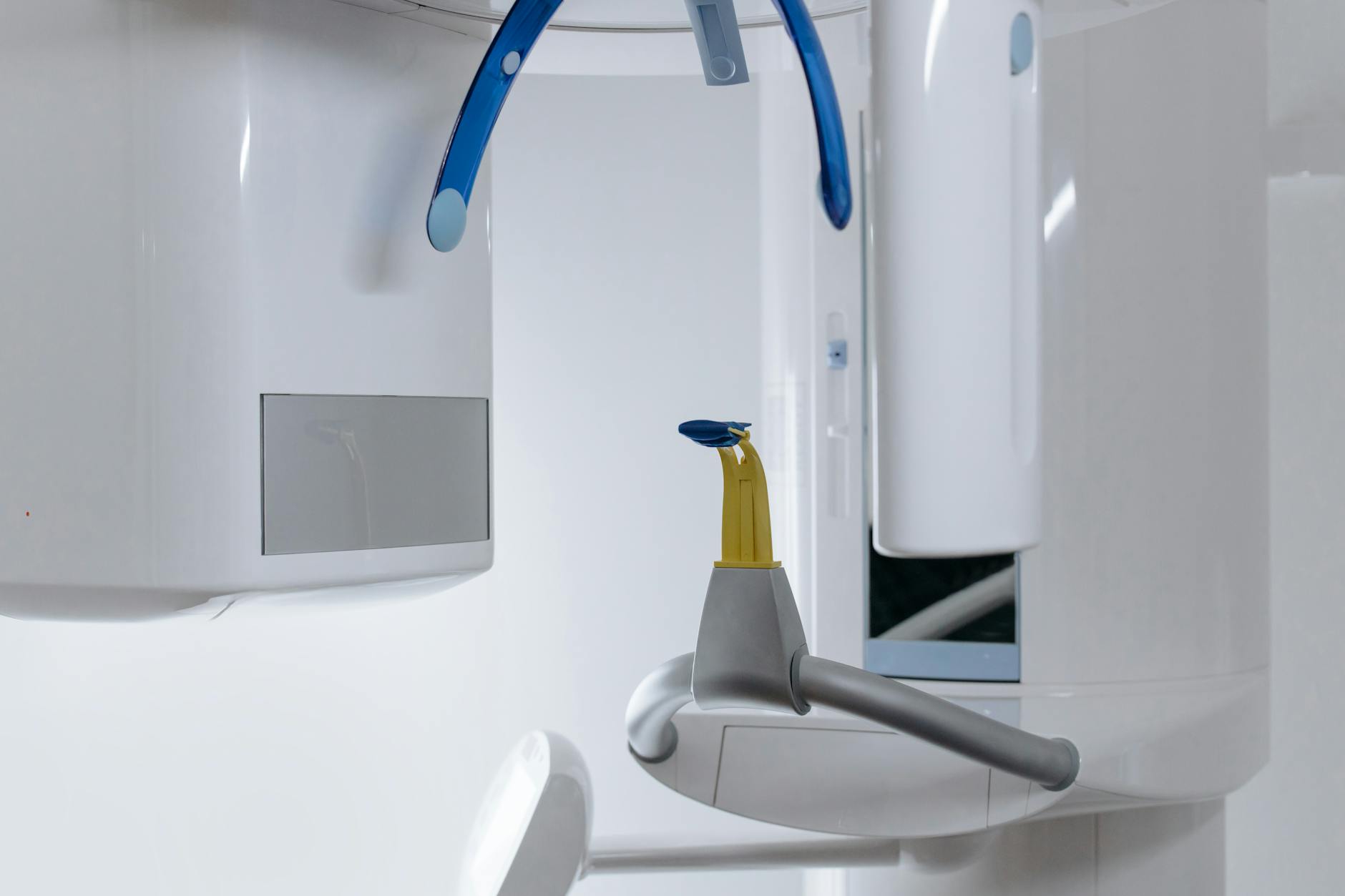
This is why advanced imaging matters. A 3D CT scan shows the exact bone height, width, and sinus position before treatment begins. Instead of guessing, your surgeon can map the area precisely and build a plan designed for safety, stability, and aesthetics.
When is a sinus lift necessary?
Not every upper implant needs one. If you still have enough natural bone, an implant may be placed without grafting. But if the available bone is too limited, a sinus lift may be the step that makes implants possible.
You may be a candidate if you are missing one or more upper molars or premolars, have been told your bone is too thin for implants, or have had missing teeth for a long time. It is also common in href=”https://smiledentalcentergroup.com/all-on-4-miami/”>full-arch cases
There is always an “it depends” factor. Some cases can be managed with shorter implants or different implant positioning. Others benefit from a sinus lift because it creates a stronger long-term base. The right answer depends on your anatomy, your smile goals, and the type of final restoration you want.
How the procedure works
The idea sounds dramatic, but the process is very controlled. After numbing the area and making sure you are comfortable, the surgeon creates access through the upper jawbone. The sinus membrane is then carefully elevated, creating space for bone graft material.
That graft material can come from different sources, depending on the treatment plan. The goal is the same either way: encourage your body to build new bone in the area. Once the graft is in place, the site is closed and allowed to heal.
In some situations, the implant can be placed at the same appointment. In others, healing comes first and the implant is placed later once the graft has matured. Neither option is automatically better. If enough native bone is present for initial implant stability, same-day placement may be possible. If not, staging the treatment is often the smarter move.
<
h2>What recovery feels like
Most patients expect a harder recovery than they actually experience. Mild swelling, pressure, congestion, or soreness in the first few days is normal. You may also be told not to blow your nose, use a straw, or do anything that creates pressure in the sinus area while healing starts.
Pain is usually manageable with prescribed or recommended medication. Many people return to light daily activities quickly, although full healing of the graft takes longer. The bone itself needs time to integrate and mature, which is why implant timing can vary from case to case.
The waiting period can feel frustrating, especially if you want a fast cosmetic transformation. But this is one of those moments where patience protects the final result. Strong implants start with strong support.
Risks and trade-offs to know
A sinus lift is a well-established procedure, but like any surgery, it comes with considerations. The most commonly discussed risk is a tear in the sinus membrane. Small tears can often be repaired during the procedure, but they may change the surgical plan.
Other risks

include infection, swelling, bleeding, sinus discomfort, graft failure, or delayed healing. Smoking, uncontrolled diabetes, active gum disease, and poor oral hygiene can increase complications and affect implant success.
This does not mean treatment is out of reach if your case is more complex. It means the planning needs to be honest and customized. The best results come from looking at the full picture, not from rushing to place an implant as quickly as possible.
How long does healing take?
Initial soft-tissue healing usually happens within a couple of weeks, but graft maturation takes longer. Many patients need several months before the area is ready for implant placement if the implant was not placed on the same day.
That timeline depends on how much bone was needed, the type of graft used, your overall health, and how your body heals. Some people are ready sooner, while others need more time. A precise answer comes from your imaging and exam, not a generic calendar estimate.
For patients focused on appearance, especially before an event or career milestone, this is an important planning conversation. If you are working toward a complete smile transformation, timing matters. Starting early gives you more flexibility and fewer compromises.
Does a sinus lift affect the look of your smile?
Indirectly, yes. A sinus lift is not a cosmetic procedure in the way veneers or whitening are, but it plays a major role in supporting a natural-looking restorative result. If an implant is placed into limited bone without proper support, the restoration can be compromised in both function and appearance.
A well-planned implant case should do more than fill a gap. It should restore balance, bite support, and confidence when you smile, speak, and eat. Foundational procedures like sinus lifts are often the behind-the-scenes reason a final result looks polished and feels secure.
That is why many patients appreciate having cosmetic planning and surgical treatment under one roof. At Smile Dental Center Group, advanced imaging, implant planning, and smile-focused treatment can work together so the final result is not just possible, but designed for impact.
Questions to ask at your consultation
If a sinus lift has been recommended, ask why it is needed in your case, whether the implant can be placed at the same time, what healing will look like, and what alternatives exist. You should also ask how the procedure fits into your total smile plan, especially if you are considering multiple implants or a broader cosmetic upgrade.
A good consultation should leave you with clarity, not confusion. You should understand the diagnosis, the sequence of treatment, the timeline, and the expected outcome. When the plan is clear, it is easier to move forward with confidence.
If you have been told you do not have enough bone for implants, that is not always the end of the conversation. Often, it is the start of a smarter one. The right foundation can open the door to the secure, attractive smile you thought was out of reach – and that kind of confidence is always worth building correctly.