

Key Takeaways
- Titanium implants have a 50+ year clinical track record with 95–98% success rates at 10 years—they remain the industry gold standard.
- Zirconia implants are the leading metal-free alternative, with recent studies showing 95%+ survival rates at 5 years (Clinical Oral Implants Research).
- Zirconia offers superior aesthetics (white color eliminates gray gum-line show-through) and is ideal for patients with metal sensitivities.
- Titanium is more versatile with two-piece designs that allow angulated abutments, making it suitable for complex cases.
- Both materials are biocompatible, but the best choice depends on your clinical situation, aesthetic goals, and budget.
When planning dental implants, most patients focus on the procedure and cost—but the material your implant is made from is just as important for long-term success. For decades, titanium was the only option. Today, zirconia (ceramic) implants have emerged as a compelling alternative, particularly for patients who prioritize aesthetics or have concerns about metal in their body.
At Smile Dental Center in Miami, we offer both titanium and zirconia implant systems and use 3D CBCT imaging to recommend the material best suited to each patient’s anatomy, health profile, and goals. This guide provides an evidence-based comparison so you can make an informed decision.
Zirconia vs. Titanium Implants: At a Glance
| Feature | Titanium | Zirconia |
|---|---|---|
| Material type | Metal (titanium alloy, Grade 4 or 5) | Ceramic (zirconium dioxide) |
| Color | Gray/metallic | White/tooth-colored |
| Clinical track record | 50+ years | 15–20 years |
| 10-year survival rate | 95–98% | 95%+ (5-year data; 10-year studies ongoing) |
| Design | Two-piece (implant + separate abutment) | Mostly one-piece (some two-piece now available) |
| Metal-free | No | Yes |
| Plaque accumulation | Moderate | Lower (smoother surface) |
| Best for | All positions, complex cases, multi-unit | Aesthetic zone, metal-sensitive patients |
| Cost (Miami) | From $3,000 | $4,000–$6,000 |
What Are Titanium Dental Implants?
Titanium has been the backbone of implant dentistry since Swedish orthopedic surgeon Per-Ingvar Brånemark discovered osseointegration in 1965. Today, the vast majority of the 5 million implants placed annually in the United States (American Academy of Implant Dentistry) are titanium-based.
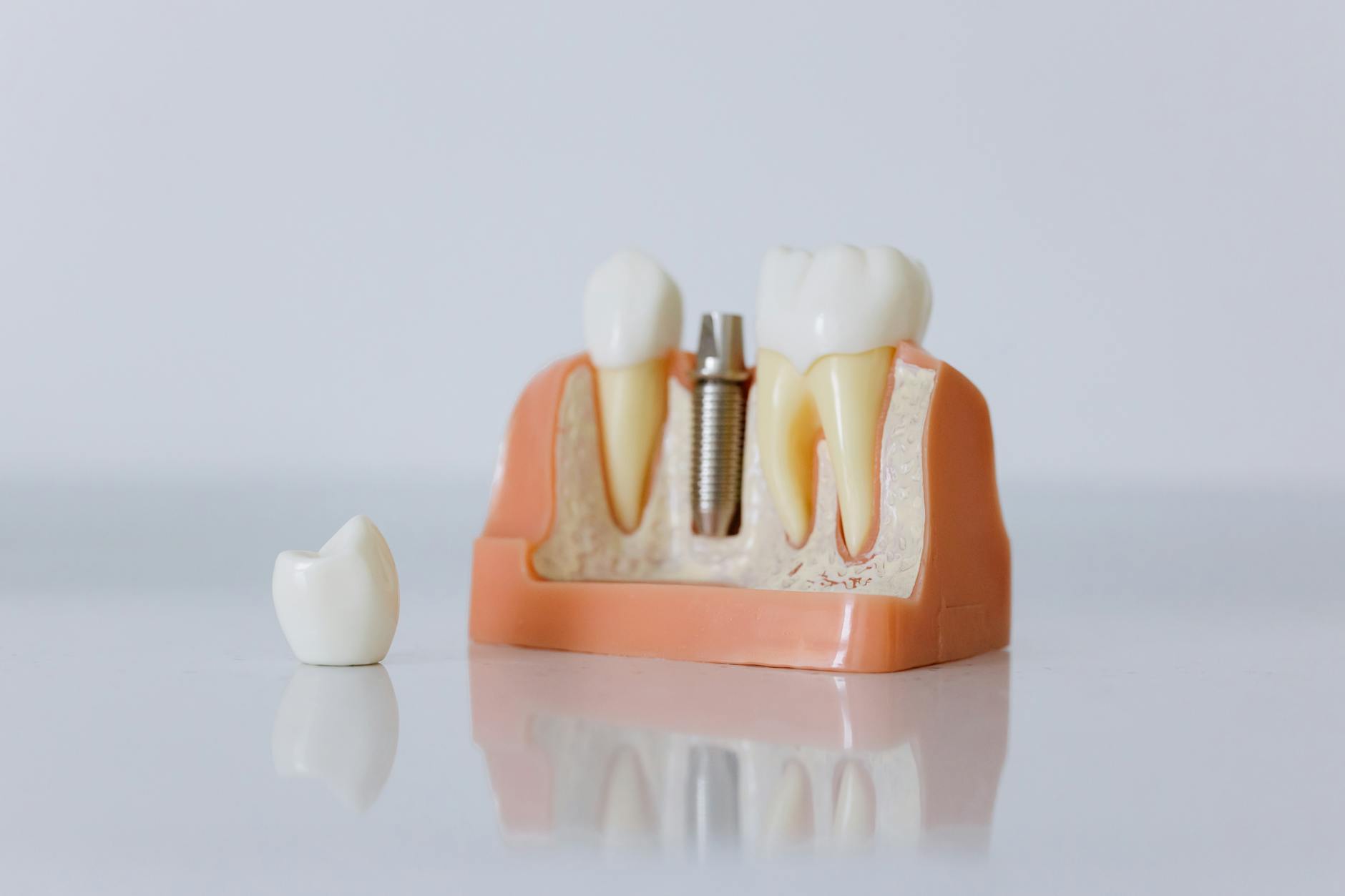
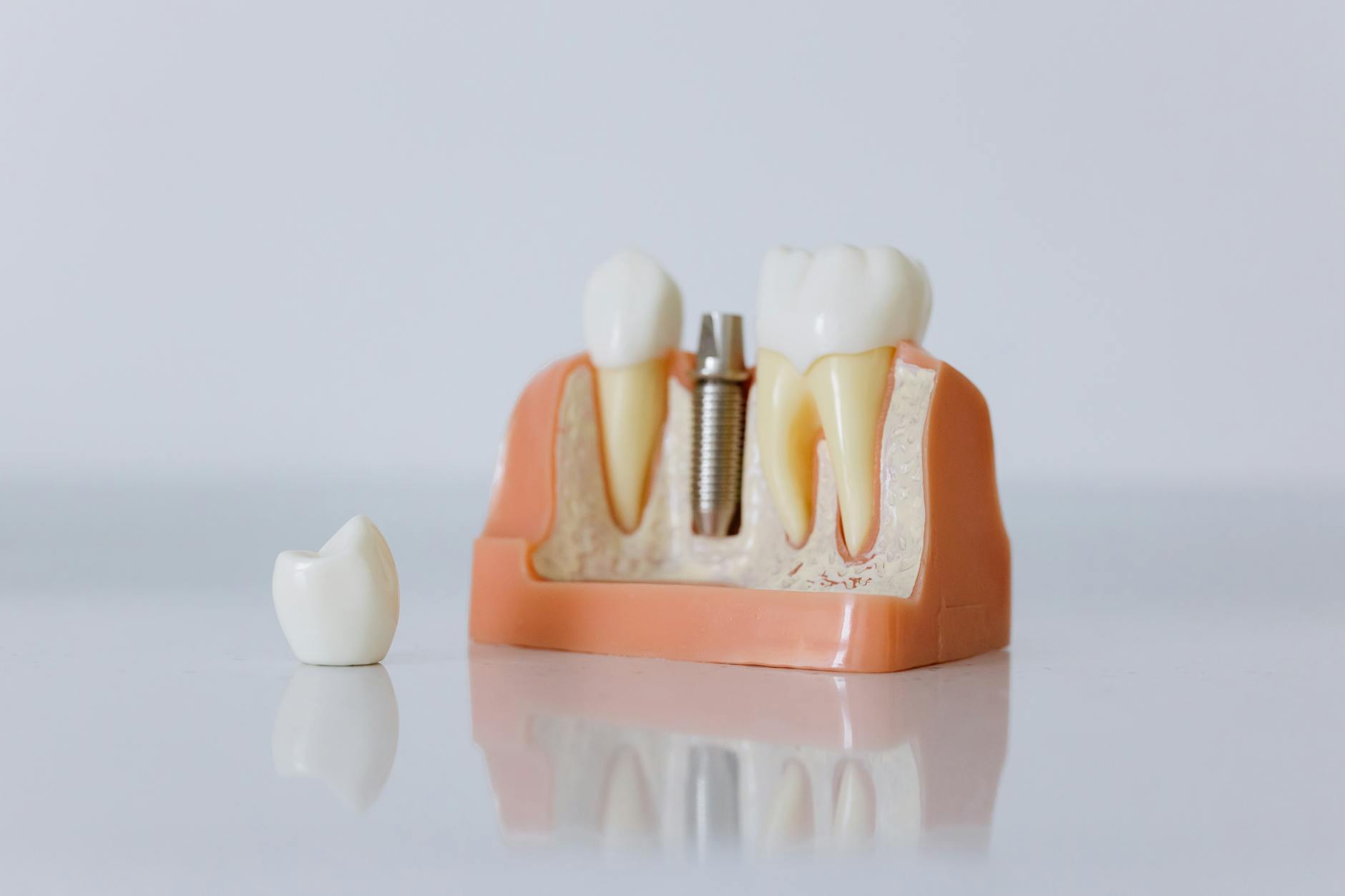
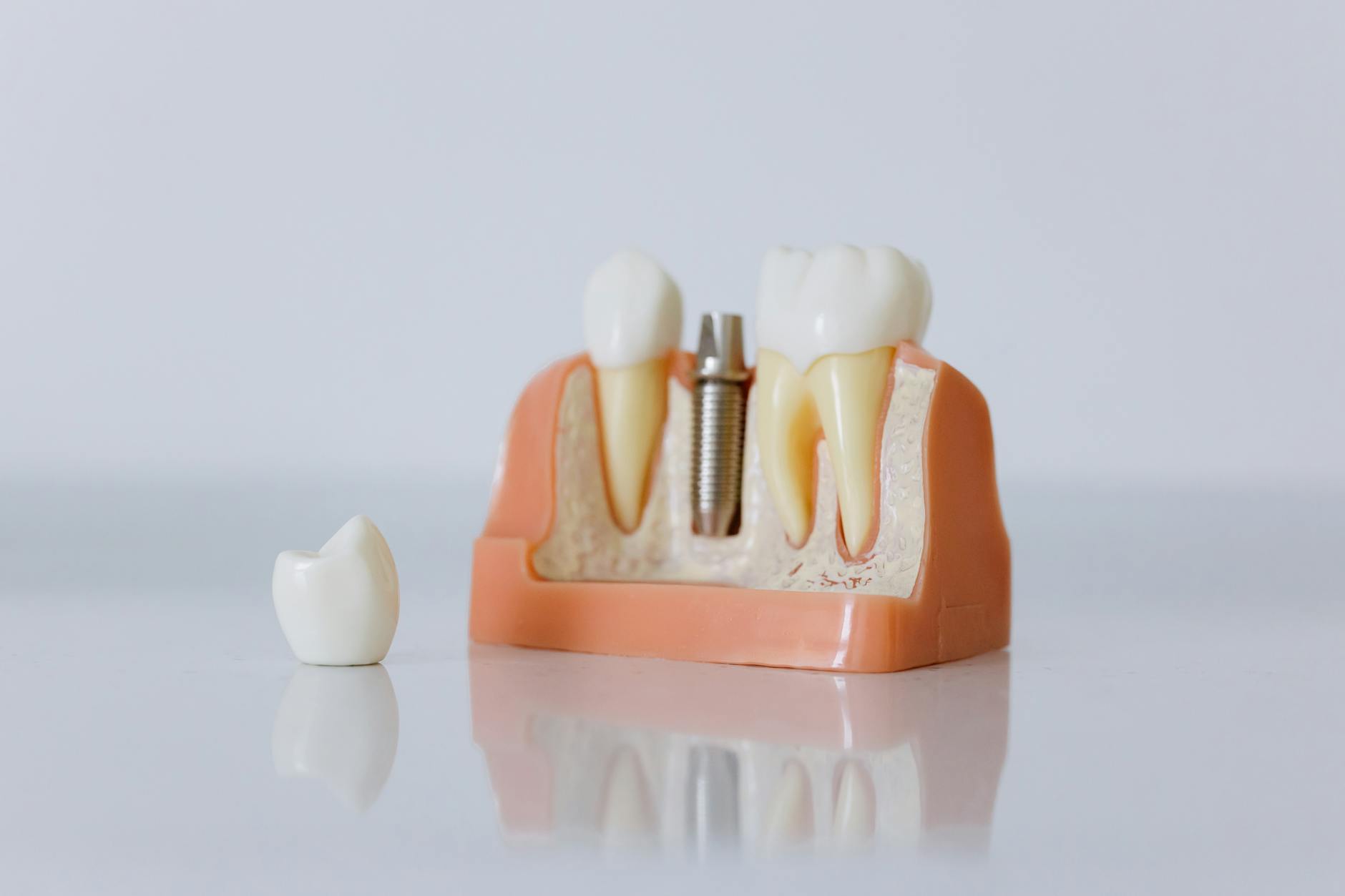
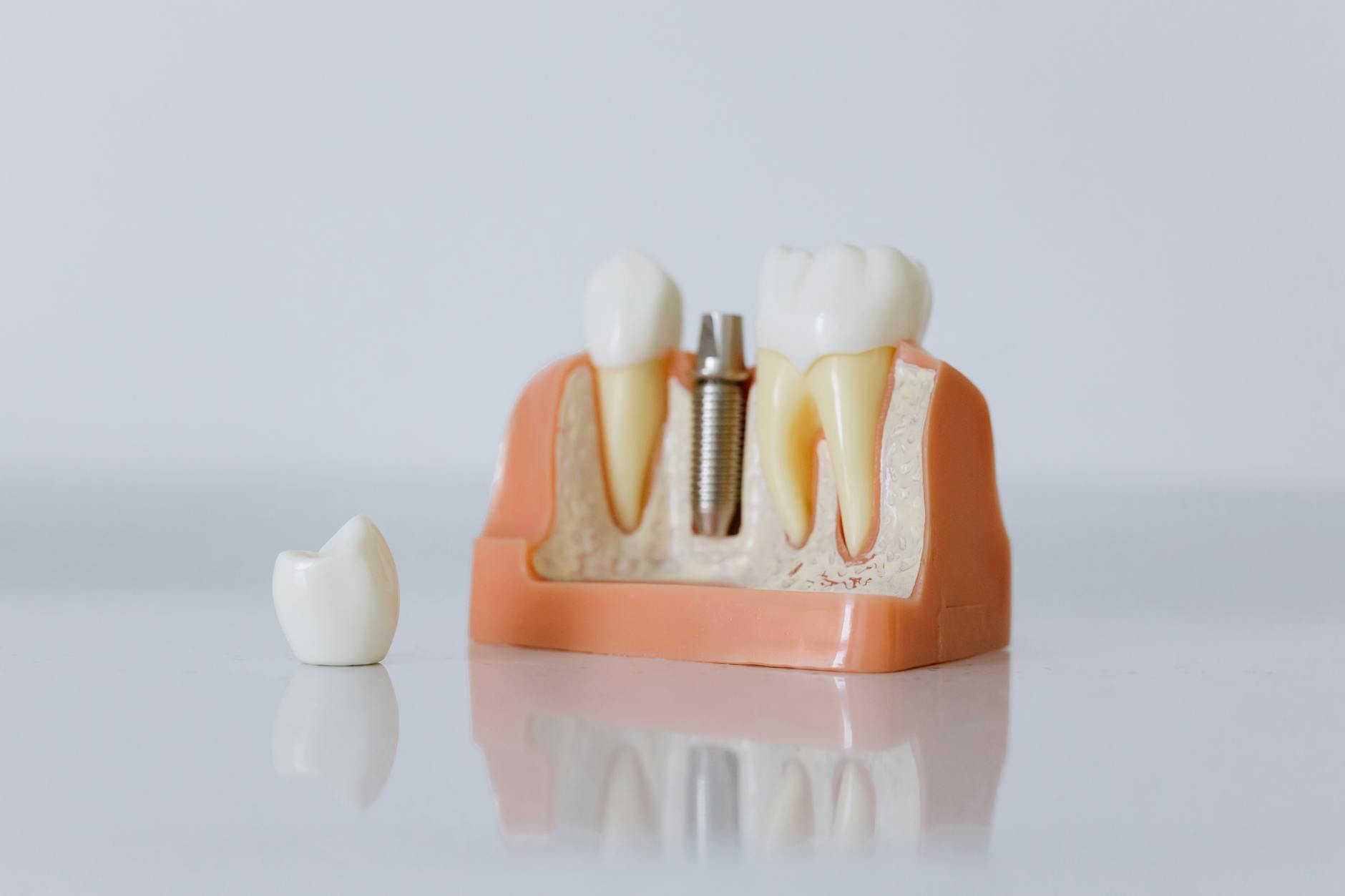
Modern titanium implants use commercially pure titanium (Grade 4) or titanium alloy (Grade 5, Ti-6Al-4V) with surface treatments that accelerate bone integration. Key characteristics include:
- Proven longevity: A 2019 systematic review in the Journal of Dental Research reported cumulative survival rates of 96.4% at 10 years and 93.1% at 20 years for titanium implants. No other implant material has this depth of evidence.
- Two-piece flexibility: The separate implant body and abutment allow for angulated connections, which is critical when implants cannot be placed perfectly parallel—common in All-on-4 full-arch cases.
- Broad indications: Titanium implants are suitable for virtually every clinical scenario: single teeth, bridges, full arches, immediate loading, and cases requiring bone grafting.
- Surface technology: Modern surface treatments (SLA, TiUnite, etc.) create micro- and nano-textures that enhance osseointegration speed and quality.
Potential Drawbacks of Titanium
- Aesthetic concern: The gray color of titanium can show through thin or receding gum tissue, creating a dark line at the gum margin—particularly problematic for front teeth.
- Metal sensitivity: While true titanium allergies are extremely rare (estimated at 0.6% of the population per the Journal of Allergy and Clinical Immunology), some patients report sensitivity to metals and prefer a metal-free option.
- Corrosion potential: In rare cases, titanium can undergo galvanic corrosion when in contact with other metals in the mouth, releasing ions into surrounding tissue.
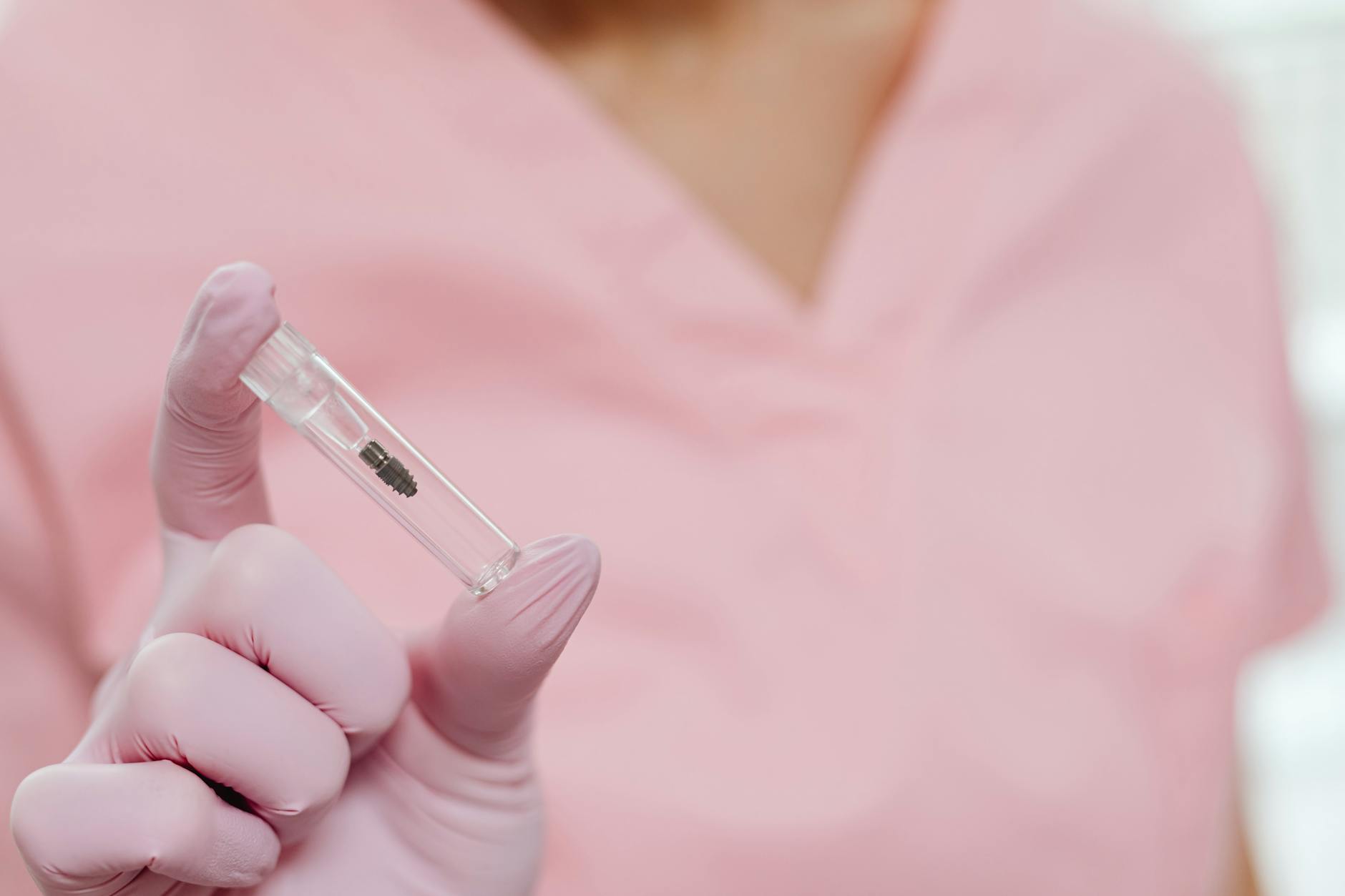
What Are Zirconia Dental Implants?
Zirconia implants are made from zirconium dioxide (ZrO2), a high-strength ceramic that has been used in orthopedic joint replacements and dental crowns for decades. Their application as a full implant body is more recent, with significant clinical adoption beginning in the early 2010s.
Key characteristics of zirconia implants:
- White color: The tooth-colored material eliminates any risk of gray show-through at the gum line, making zirconia the premier choice for front teeth in the smile zone.
- Metal-free biocompatibility: Zirconia is a ceramic, not a metal. It is the preferred option for patients who want a completely metal-free restoration or who follow holistic/biological dentistry principles.
- Lower plaque affinity: Research published in Clinical Oral Implants Research demonstrated that zirconia surfaces accumulate less bacterial plaque than titanium, which may reduce the risk of peri-implantitis (implant gum disease) over time.
- One-piece design (traditional): Most zirconia implants have been one-piece, meaning the implant body and abutment are a single unit. While this simplifies the system, it limits flexibility in angulation. Newer two-piece zirconia systems are addressing this limitation.
Emerging Evidence
A 2022 systematic review and meta-analysis published in the International Journal of Implant Dentistry analyzed 28 studies and reported a pooled survival rate of 95.6% at 5 years for zirconia implants. While this is slightly below titanium’s 10-year benchmarks, the trajectory is promising. Longer-term studies (10–15 years) are currently underway at multiple research centers worldwide.
Biocompatibility and Allergies
Both titanium and zirconia are considered highly biocompatible, meaning the body tolerates them well without triggering adverse immune responses. However, there are important nuances:
Titanium Biocompatibility
Titanium forms a stable oxide layer (TiO2) on its surface that shields the underlying metal from the body. This oxide layer is what allows osseointegration. However, some concerns have been raised:
- Metal ion release: Over time, titanium can release trace ions into surrounding tissue, particularly in acidic environments (like peri-implantitis sites). A study in the Journal of Periodontal Research detected titanium particles in peri-implant tissue in a subset of patients.
- Hypersensitivity: While genuine Type IV titanium allergy is rare, patients with known sensitivities to metals like nickel may have a higher predisposition. The MELISA test (Memory Lymphocyte Immunostimulation Assay) can help identify titanium sensitivity before implant placement.
Zirconia Biocompatibility
Zirconia is an inert ceramic with no known allergenic potential. It does not release ions, does not conduct heat or electricity, and does not interact with other metals in the mouth. For patients with documented metal sensitivities, autoimmune conditions, or a strong preference for metal-free dentistry, zirconia provides complete peace of mind.
A comparative study in Dental Materials found that soft tissue healing around zirconia implants was equivalent to or better than healing around titanium, with less inflammatory response in the early weeks after placement.
Strength, Durability, and Aesthetics
Strength and Fracture Resistance
Titanium is a metal and behaves like one: it bends before it breaks. This ductile property means titanium implants can absorb and distribute mechanical stress without catastrophic failure. Fracture of a titanium implant is exceedingly rare.
Zirconia is extremely hard (comparable to diamonds on the Mohs scale) but is a brittle material—like glass, it can crack under certain loading conditions rather than bending. Early one-piece zirconia implants had higher fracture rates, particularly in posterior (molar) regions. Modern yttria-stabilized zirconia (Y-TZP) has significantly improved fracture resistance, and current-generation implants are engineered to handle normal occlusal forces. Still, zirconia carries a slightly higher fracture risk than titanium in high-stress areas.
Aesthetics
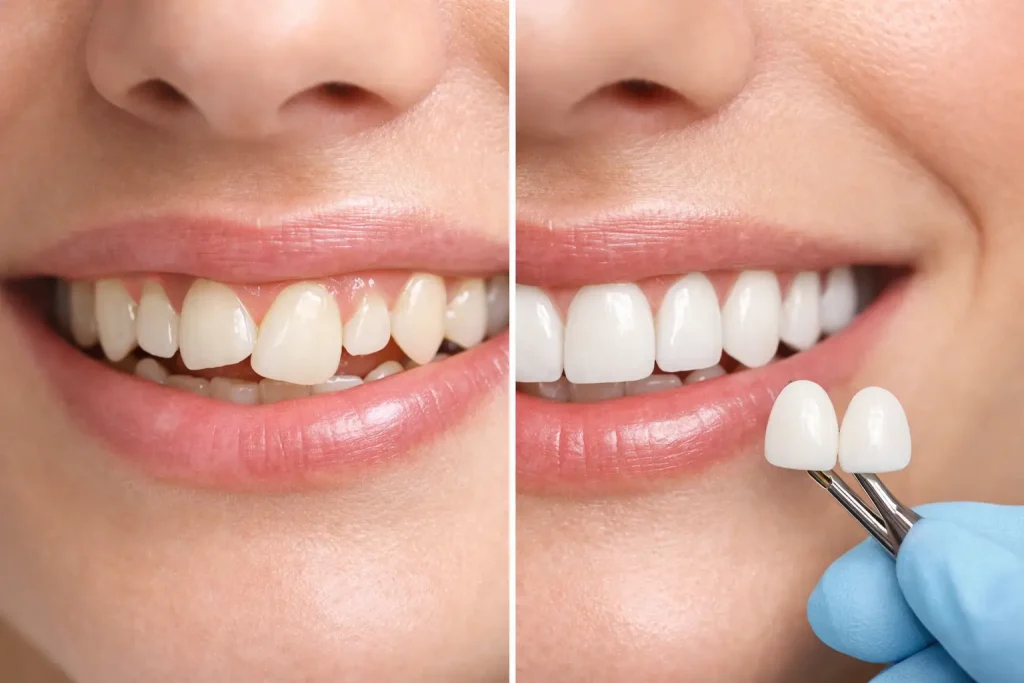
This is where zirconia clearly excels. In patients with thin, translucent, or receding gum tissue, a titanium implant can create a grayish shadow at the gum line that compromises the appearance of the restoration. Zirconia’s white color blends seamlessly with natural tooth roots and surrounding tissue.
For front tooth implants in the aesthetic zone, this difference can be the deciding factor. For back teeth where aesthetics are less visible, the material choice typically comes down to strength and cost considerations.
Cost Comparison: Zirconia vs Titanium
Zirconia implants carry a premium over titanium due to higher material and manufacturing costs:
| Component | Titanium Implant | Zirconia Implant |
|---|---|---|
| Single implant + abutment + crown | From $3,000 | $4,000–$6,000 |
| National average (USA) | $3,000–$5,000 | $5,000–$8,000 |
| Premium over titanium | — | 30–50% more |
The higher cost reflects the more complex manufacturing process for zirconia and the specialized training required for placement. However, for patients prioritizing aesthetics and metal-free treatment, the premium is often considered a worthwhile investment.
For a full breakdown of implant pricing including financing options, visit our dental implant cost guide. Patients looking to reduce costs without compromising quality may also explore treatment at our Medellín, Colombia location, where the same clinical team offers both implant materials at significantly lower price points.
Which Implant Material Is Right for You?
The best implant material depends on your individual clinical situation. Here is a decision framework based on what we see most commonly in practice:
Choose Titanium If:
- You need implants in the back of the mouth (molars/premolars) where bite forces are highest.
- Your case requires angulated abutments or a two-piece system (common in full-arch restorations).
- You want the material with the longest clinical track record and most extensive research base.
- You are having multiple implants or complex reconstructive work like All-on-4.
- Cost is a significant factor in your decision.
Choose Zirconia If:
- You need a front tooth implant where aesthetics are paramount and gum tissue is thin.
- You have a documented metal sensitivity or allergy.
- You prefer a completely metal-free approach to dental treatment.
- You have a history of peri-implantitis or are at higher risk for implant gum disease (zirconia’s lower plaque affinity may be beneficial).
- You are replacing a single tooth in an area visible when you smile.
At Smile Dental Center, we do not advocate for one material over the other as a blanket recommendation. Your 3D CBCT scan, bone quality assessment, and aesthetic analysis guide our recommendation. In some cases, we may even suggest a hybrid approach—titanium implants for posterior teeth and zirconia for the aesthetic zone.
To understand the warning signs that any implant may not be integrating properly, regardless of material, review our guide on dental implant failure signs. And for insight into the recovery process with either material, see what to expect after implant surgery.
Frequently Asked Questions
Are zirconia implants as strong as titanium?
Zirconia implants are extremely hard and can withstand normal biting forces in most positions. However, titanium has a mechanical advantage: it is ductile (bends under extreme stress) while zirconia is brittle (can crack under unusual loading). For standard single-tooth and small-bridge restorations, both materials perform reliably. For high-stress areas like molars or full-arch cases, titanium’s proven track record gives it the edge.
Can I get a zirconia implant if I need bone grafting?
Yes, zirconia implants can be placed in grafted bone once the graft has fully matured (typically 4–6 months). The grafting procedure itself is the same regardless of which implant material will be used. However, if the bone situation is complex and requires angulated placement, a two-piece titanium implant may offer more flexibility.
Do zirconia implants last as long as titanium?
Current evidence shows zirconia implants achieving 95%+ survival rates at 5 years, which is promising. However, we do not yet have the 15–25 year data available for titanium. Early indicators suggest zirconia can achieve comparable longevity, but patients choosing zirconia should understand that the ultra-long-term evidence is still being established.
Is there a risk of allergic reaction to titanium implants?
True titanium allergy is extremely rare, estimated at less than 1% of the population. However, titanium hypersensitivity (a less severe immune response) may affect a slightly larger group. If you have known metal sensitivities or unexplained symptoms around existing metal dental work, the MELISA blood test can screen for titanium reactivity before implant placement. Zirconia is the standard alternative for confirmed cases.
Which implant material does Smile Dental Center recommend most often?
We recommend titanium for the majority of cases because of its unmatched versatility and evidence base. However, we actively recommend zirconia for front-tooth replacements in patients with thin gum tissue, patients with confirmed metal sensitivities, and patients who strongly prefer metal-free treatment. The recommendation is always individualized based on your 3D scan, clinical evaluation, and personal preferences.
Not Sure Which Implant Material Is Right for You?
At Smile Dental Center Miami, we evaluate your bone structure, gum tissue, and aesthetic goals with 3D imaging to recommend the ideal implant material for your case. Get a personalized assessment in one visit.
Message us on WhatsApp or call (786) 560-7567 to book your consultation.